How Often Should I Visit the Dentist in Malta?
Landing in a new country, you're faced with a mountain of questions, and often, dental care isn't at the top of the list until that first twinge. Believe me, I've been there, staring at Google, wondering if my old habits of yearly check-ups would even apply or if I'd have to mortgage an arm and a leg for a cleaning. This guide is here to shed light on how dental visits work in Malta, giving you the full scoop on what to expect and how to keep your pearly whites happy and healthy on this sunny island.
Understanding Dental Care in Malta: Public vs. Private
Navigating the healthcare system in Malta can feel like learning a whole new language, and dental care is no exception. Unlike some countries where public health covers a broad spectrum of dental services, Malta's approach is quite specific. This means that for most expats and tourists, understanding the divide between public and private options is crucial for effective dental care planning.
The Limited Scope of Public Dental Services
Let's be upfront: Malta's public healthcare system offers very limited dental services. If you're hoping for routine check-ups, regular cleanings, or cosmetic procedures through the public system, you're likely to be disappointed. These services are almost exclusively available in the private sector.
The public dental service, which is primarily based at Mater Dei Hospital and some health centres, generally focuses on emergency treatments and necessary extractions. For instance, if you experience a sudden, excruciating toothache or an infection that needs immediate attention, you can present yourself to the dental department at Mater Dei or visit your nearest health centre. However, even for emergencies, waiting times can be significant, and the scope of treatment is often limited to addressing the immediate pain or infection rather than comprehensive restorative care. It's not a place for preventative care or long-term dental health management. If you're curious about the broader public healthcare system, you might find our guide on Dental Care in Malta: Public Provision, Private Dentists, and Costs particularly useful. The reality is, if you're not facing an acute, painful emergency, the public system isn't where you'll get your routine dental work done.
The Dominance of Private Dental Practices
This brings us to the private sector, which is, without a doubt, where the vast majority of foreign residents in Malta receive their dental care. Malta boasts a thriving private dental industry with numerous clinics scattered across the islands, particularly in more populated areas like Sliema, St. Julian's, Mosta, and Attard.
These private practices offer a comprehensive range of services, from routine check-ups and cleanings to fillings, root canals, crowns, bridges, orthodontics, and cosmetic dentistry. The quality of care is generally very high, with many dentists having trained internationally and using modern equipment and techniques. A significant advantage for expats is that English is widely spoken in private clinics, making communication straightforward and comfortable. You won't struggle to explain your symptoms or understand your treatment options, which is a huge relief when you're already stressed about a dental issue. While it's a private service, many clinics strive to make the experience as comfortable and efficient as possible, often offering appointments outside of standard working hours. This network of private dentists ensures that while public options are sparse, accessible and high-quality dental care is readily available if you're prepared to pay for it.
How Often Should You Really Visit the Dentist in Malta?
Now, to the heart of the matter: how frequently should you actually be scheduling those dental appointments once you're settled into life in Malta? The answer, like with many health-related questions, isn't a strict one-size-fits-all, but there are definitely some general guidelines to follow, along with factors that might shift your personal frequency.
General Recommendations and Personalised Advice
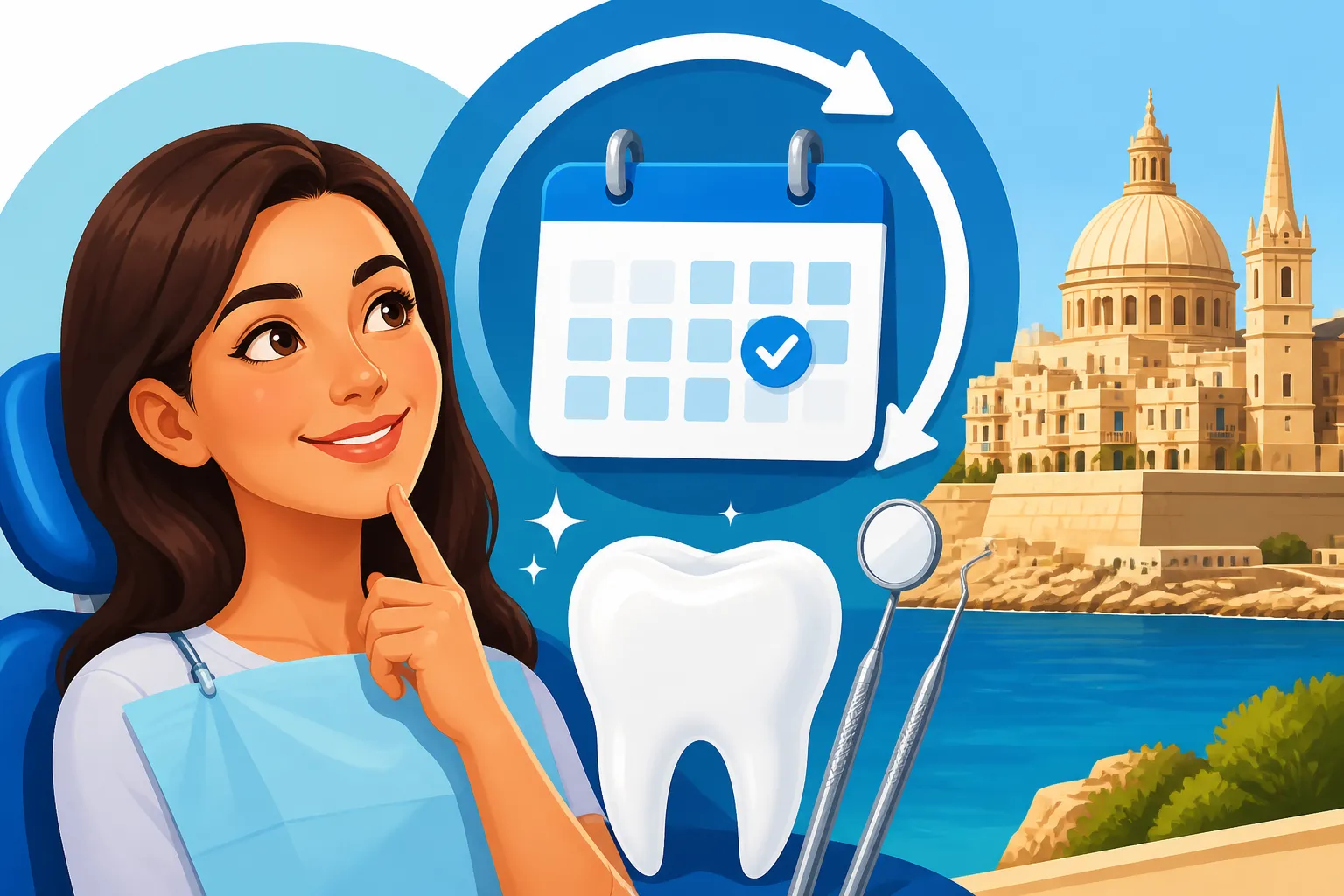
The standard recommendation from dental professionals worldwide, including here in Malta, is to visit the dentist for a check-up and cleaning every six months to one year. For most healthy adults with good oral hygiene practices and no significant dental issues, this frequency is usually sufficient. These regular visits allow your dentist to:
- Catch problems early: Small cavities can be detected and filled before they become larger, more painful, and more expensive problems requiring root canals or extractions.
- Remove plaque and tartar: Professional cleanings remove hardened plaque (tartar) that brushing and flossing can't tackle, preventing gum disease (gingivitis and periodontitis).
- Screen for oral diseases: Dentists also check for signs of more serious conditions like oral cancer, which, when caught early, have higher treatment success rates.
- Monitor overall oral health: They can assess your bite, check for signs of teeth grinding (bruxism), and evaluate the condition of existing fillings, crowns, or other dental work.
However, it's absolutely crucial to remember that this is a general guideline. Your specific needs might dictate more frequent visits. This is why establishing a relationship with a local dentist in Malta is so important. After your initial check-up, your dentist will be able to provide personalised advice based on their assessment of your oral health. They might recommend coming in every three to four months if you have specific risk factors, or perhaps even less frequently if your oral health is exceptionally pristine, though the latter is rare. Think of that initial appointment as laying the groundwork for your long-term dental health strategy here.
Factors Influencing Your Visit Frequency
Several individual factors can and should influence how often you visit the dentist. It's not just about how often you brush, though that's certainly a big part of it!
- Oral Hygiene Habits: If you're meticulous with brushing twice a day, flossing daily, and using mouthwash, you might be at a lower risk for cavities and gum disease. Conversely, if your routine is less consistent, you might need more frequent professional cleanings and check-ups.
- Diet: A diet high in sugary foods and drinks can significantly increase your risk of cavities. Frequent snacking throughout the day also exposes your teeth to acid attacks more often.
- Smoking and Alcohol Consumption: Smoking is a major risk factor for gum disease, oral cancer, and other dental problems. Heavy alcohol consumption can also contribute to oral health issues. If you smoke or drink regularly, your dentist might recommend more frequent screenings.
- Medical Conditions: Certain medical conditions, such as diabetes, heart disease, or autoimmune disorders, can impact your oral health, making you more susceptible to gum disease or infections. Medications you take for other conditions can also affect your teeth and gums, for example, by causing dry mouth. Always inform your dentist about your full medical history and any medications you are taking.
- Previous Dental History: If you have a history of frequent cavities, gum disease, numerous fillings, crowns, or other extensive dental work, your dentist might advise more frequent visits to monitor these areas and prevent recurrence. Those with orthodontic appliances or dental implants also often require more tailored care.
- Symptoms: This might seem obvious, but if you experience any persistent pain, sensitivity, bleeding gums, bad breath, or notice any changes in your teeth or gums (like a loose tooth, swelling, or lesions), don't wait for your scheduled appointment. Book a visit immediately. Early intervention is always best.
By considering these factors and discussing them openly with your Maltese dentist, you can work together to determine the optimal frequency for your dental check-ups, ensuring your oral health is maintained in the unique Maltese climate and lifestyle.
Finding and Affording a Dentist in Malta
So, you’ve understood the lay of the land and are ready to book that appointment. Now comes the practical side: finding a dentist and making sure you can actually afford the care. This is a common hurdle for many newcomers, but with a bit of guidance, it's perfectly manageable.
Locating an English-Speaking Private Dentist
Finding a good, English-speaking private dentist in Malta is fortunately not a difficult task. Given Malta's status as a popular expat destination and the widespread use of English, most dental clinics cater to an international clientele.
Here are a few tips for locating one:
- Online Search Engines: A quick search on Google Maps for "dentist Malta" or "dental clinic Sliema" will bring up numerous options. Many clinics have detailed websites where you can learn about their services, read dentist bios, and even see pricing information.
- Expat Facebook Groups: Local expat groups on Facebook are invaluable resources. Post a question asking for recommendations, and you'll often receive a flood of suggestions and personal experiences. This is a fantastic way to find dentists who are highly regarded within the expat community.
- Word-of-Mouth: Ask colleagues, friends, or other expats you've met for their recommendations. A personal referral often leads to finding a trusted practitioner.
- Professional Directories: The Dental Association of Malta might have a directory, or you can check local business directories online.
Once you have a few names, it's worth checking their online reviews and perhaps giving them a call to inquire about their services, availability, and if they are accepting new patients. Booking an appointment is typically straightforward, either by phone or often through online booking systems available on their websites. Most clinics are efficient and will send you appointment reminders. If you're looking for broader medical advice and where to find other healthcare professionals, our guide on Finding a Doctor in Malta: GPs, Specialists, and the Referral System might also be helpful.
Costs and Payment for Private Dental Care
Let's talk money, because private dental care, while excellent, isn't free. Understanding the typical costs can help you budget accordingly.
Here's a table with approximate cost ranges for common dental procedures in private clinics (as of mid-2026):
Procedure Estimated Cost Range (EUR) Notes TFC Services and all things considered quite confident that they're the same as your needs. If you're a long-term expat in Malta, you'll want to investigate how your status affects healthcare. Our guides on How Malta's Public Healthcare Works: Entitlement, Contributions, and Costs and Healthcare on a Visa-Based Permit in Malta: Nomads, Retirees, and Investors can provide a lot more detail on the specifics of the Maltese system.
Dental Insurance and Other Coverage Options
Since public dental care for routine needs is essentially non-existent, many expats consider private dental insurance. This can either be a standalone dental plan or an add-on to a broader private health insurance policy. Companies like Bupa and Laferla often offer dental coverage.
It’s important to read the fine print carefully, as dental insurance plans vary widely. Some might cover routine check-ups and cleanings fully or partially, while others may only kick in for major procedures like root canals or crowns, often after a waiting period. For example, some general travel insurance policies, or even expat-focused medical insurance like that offered by SafetyWing, might cover emergency dental treatment to alleviate acute pain or fix accidental damage, but they rarely cover routine check-ups, cleanings, or elective cosmetic procedures. This is a crucial distinction to understand.
If you don't have private dental insurance, you'll be paying out of pocket for your dental care. This is the most common scenario for many expats. Therefore, budgeting for regular dental expenses is a smart move. When choosing a private health insurer in Malta, it's always worth asking about their specific dental coverage options. Our comprehensive guide on Choosing a Private Health Insurer in Malta: Cover, Costs, and Claims provides excellent insights into this topic. Remember, preventive care can save you a lot of money (and pain!) in the long run. Even without extensive insurance, regular check-ups are an investment in your health.
Maintaining good oral hygiene at home, combined with these regular private dental visits, is your best strategy for a healthy smile during your time in Malta. It might seem like an added expense, but when you weigh it against the potential costs and discomfort of neglected dental issues, it's definitely worth it.
Disclaimer
Please remember that this guide provides general information based on typical expat experiences and publicly available knowledge as of the current date. Healthcare policies, prices, and regulations in Malta can change. Always consult with official government sources, your chosen dental professional, or an insurance provider for the most accurate and up-to-date information regarding your specific situation.