Choosing a Private Health Insurer in Malta: Cover, Costs, and Claims
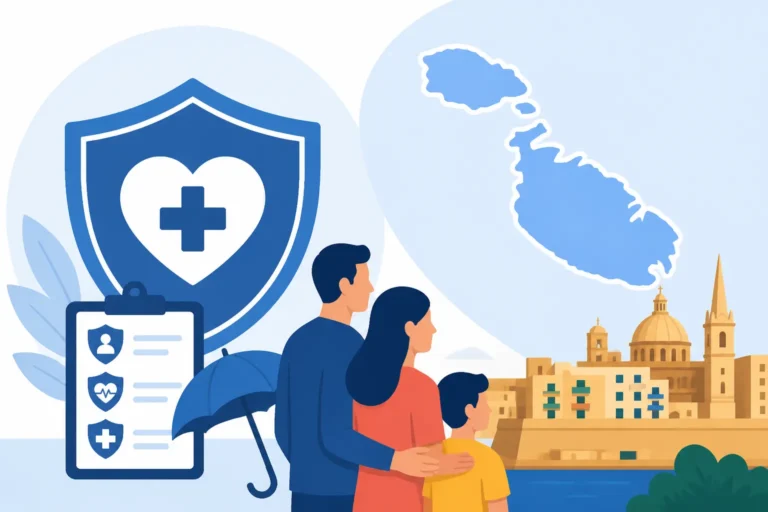
Navigating the Maltese healthcare system often feels like trying to find a parking spot in Sliema on a Saturday night—frustrating, confusing, and occasionally leading you to question your life choices. I remember landing here and thinking my European health rights would magically cover everything from day one, only to realize that the gap between arrival and full entitlement is a vast, bureaucratic ocean. This guide breaks down exactly how to choose private insurance to protect your health and your wallet while settling into island life.
Why Private Health Insurance is a Reality in Malta
When you first arrive, the dream is usually to rely entirely on the public system. After all, Mater Dei is a world-class facility, and the local health centres are remarkably efficient for basic needs. However, the reality of being a new resident is that your access to free care isn't instantaneous. There is a specific "waiting room" period where you are paying social security but haven't yet received your formal entitlement documentation. During this time, having a private policy isn't just a luxury; it is your primary safety net against unexpected medical bills.
Navigating the Gap Between Arrival and Entitlement
The administrative bridge between landing at Luqa airport and being fully "in the system" can take months. You might be working and paying Class 1 contributions, but until Identità issues your residence card and the Entitlement Unit processes your application, you are technically in a gray zone. Expats can get hit with significant bills for A&E visits if they assume their work contract was enough proof for free care. It isn't. You need to understand How Malta's Public Healthcare Works: Entitlement, Contributions, and Costs to see where those gaps lie.
During this transition, many foreigners opt for flexible, international coverage. For instance, digital nomads or those on a temporary stay often lean towards providers like SafetyWing because they offer a subscription-based model that fits the transient nature of early expat life. This allows you to have medical protection while you wait for the Maltese bureaucracy to catch up with your residency status. Without this, you might find yourself asking Can I See a Doctor in Malta Before My Health Entitlement Is Approved? only to find the answer is a resounding "yes, but you'll have to pay out of pocket."
The Public vs. Private Dichotomy: Why Both Matter
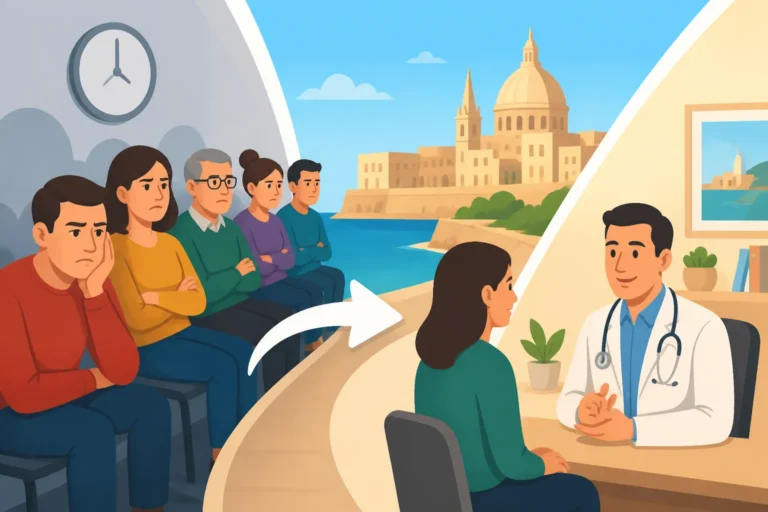
In Malta, private insurance isn't meant to replace the public system; it’s meant to bypass the queues. While Mater Dei and Beyond: A Guide to Malta's Public Hospitals and Health Centres provides incredible care for acute emergencies and life-threatening conditions, the waiting lists for non-urgent specialist consultations or elective surgeries can be daunting. Private insurance allows you to see a consultant at a clinic in St. James Hospital or DaVinci Health within days rather than months.
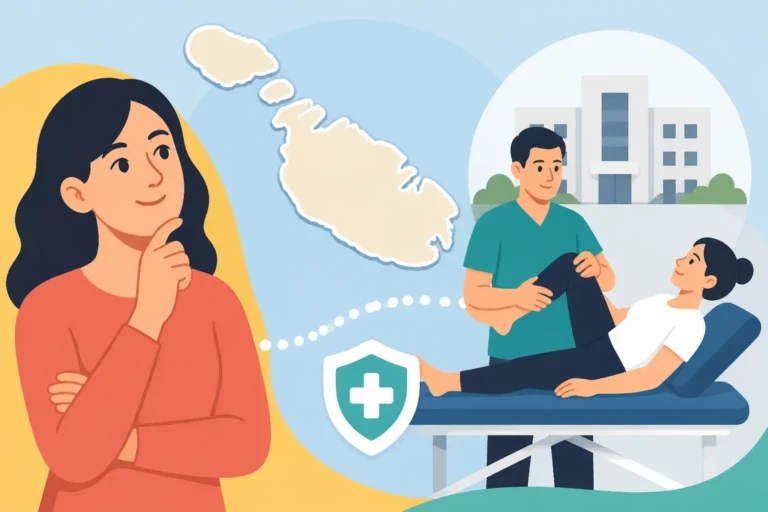
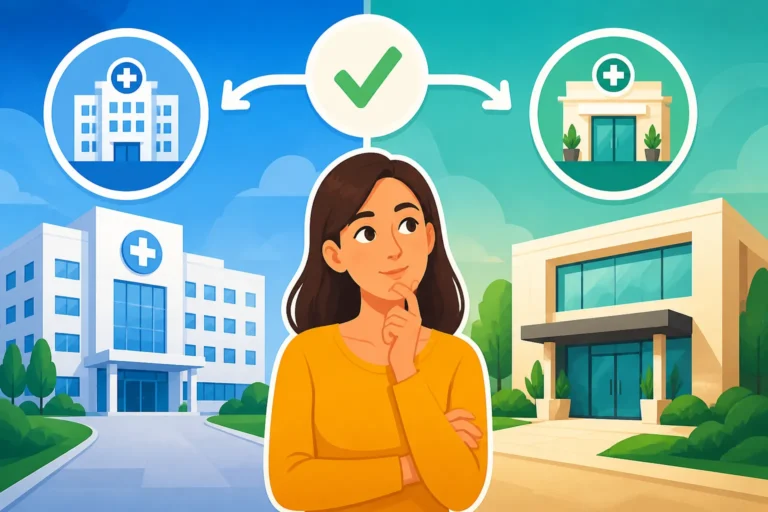
Most veteran expats use a hybrid approach. They rely on the public system for major issues—because quite frankly, no private clinic in Malta can match the intensive care capabilities of Mater Dei—but they use their private insurance for "lifestyle" medical needs. This includes things like dermatological checks, physiotherapy, or seeing an ENT specialist for a persistent sinus infection caused by the high island humidity. Private cover ensures that a minor health issue doesn't become a major life disruption due to waiting times.
Key Factors in Selecting a Private Health Provider
Choosing a policy in Malta isn't as simple as picking the cheapest premium. You have to look at the "Table of Benefits" with a magnifying glass. The Maltese market is unique because it is small, and the relationship between insurers and private hospitals is very tight. You need to decide if you want a policy that covers just the essentials or one that acts as a comprehensive "gold-plated" shield for every possible sneeze and ache.
Inpatient vs. Outpatient Cover: Finding the Sweet Spot
Most basic private policies in Malta focus heavily on inpatient care—this means hospital stays, surgeries, and anything that requires a bed. However, as an expat, your most frequent costs will likely be outpatient: GP visits, specialist consultations, and diagnostic tests like X-rays or blood work. If you choose an "Inpatient Only" plan to save money, you will still be paying €50 to €100 every time you visit a private specialist.
It is wise to look for a plan that includes a healthy outpatient limit. When you are Finding a Doctor in Malta: GPs, Specialists, and the Referral System, you'll realize that many specialists operate out of private pharmacies or small clinics. A good policy will reimburse these consultation fees, often minus a small excess. If you are a digital nomad or a remote worker, you might find that international providers like SafetyWing offer a more streamlined approach to these global outpatient needs, especially if you travel frequently between Malta and other European hubs.
Chronic Conditions and Pre-existing Exclusions
This is where the "I've-been-there" realism kicks in: Maltese insurers are notoriously strict about pre-existing conditions. If you have a history of back pain or a chronic thyroid condition, a local insurer will almost certainly exclude anything related to those issues from your cover. Unlike some other jurisdictions, there is very little negotiation on this. You will be asked to fill out a detailed medical questionnaire, and being "economical with the truth" will lead to a rejected claim later.
For those managing ongoing health issues, it is vital to read up on Managing a Chronic Condition in Malta: Schedule V Medicines and Care. While your private insurance might exclude the condition, the Maltese state might actually provide the medication for free if the condition is on the "Pink Card" or "Yellow Card" lists. Understanding this overlap is the only way to ensure you aren't paying twice for care or, worse, left completely uncovered for your most pressing health needs.
Local vs. International Health Insurance Providers
One of the first forks in the road you'll encounter is whether to go with a "homegrown" Maltese insurance company or an international expat provider. Both have distinct advantages, and the right choice usually depends on how long you plan to stay on the rock and how much you travel.
Local Maltese Insurers: The Big Four and Beyond
The local market is dominated by a few major players: GasanMamo, Atlas, Elmo, and IVALIFE (often associated with APS or Middlesea/BOV). The primary benefit of going local is their direct billing agreements with Maltese private hospitals like St. James and DaVinci. If you have a "full" local plan and need a procedure, the hospital often settles the bill directly with the insurer, meaning you don't have to cough up thousands of euros upfront and wait for a check in the mail.
Local plans are also specifically designed to complement the Maltese public system. They know exactly what Mater Dei covers and where the gaps are. They often include "Cash Benefits" for hospital stays in public wards, essentially paying you a daily rate for the inconvenience of being in a public hospital. However, these plans usually offer very limited coverage once you leave the Maltese islands. If you go on holiday to Sicily or fly back to your home country for a visit, you might find yourself underinsured unless you've added a travel rider.
International Expats Plans: Flexibility for Newcomers
International providers are the go-to for the modern expat who doesn't quite know if they’ll be in Malta for six months or six years. These plans are designed to follow you. If you decide that the Maltese summer heat is too much and you want to spend two months working from a cooler climate, an international plan stays with you. SafetyWing, for example, is a popular choice for those who need a bridge between their home country's system and the Maltese one, providing a level of continuity that local insurers can't match.
These plans often have higher limits for international evacuations and allow you to seek treatment in other countries if the specific expertise you need isn't available in Malta. While Malta has excellent doctors, it is a small island; for very niche surgeries, you might want the option to fly to London or Munich, which is where an international policy shines. The trade-off is often the lack of "direct billing" at the local pharmacy-level clinics in Malta, meaning you'll likely be using a "pay and claim" system for your GP visits.
| Feature | Local Maltese Insurance | International Expat Insurance |
|---|---|---|
| Direct Billing | Extensive with local private hospitals | Limited to major hospital networks |
| Geographic Cover | Primarily Malta (limited EU) | Worldwide or Worldwide excluding USA |
| Outpatient Care | Usually an add-on with sub-limits | Often integrated into core plans |
| Pre-existing Conditions | Strict exclusions common | Possible "moratorium" or "underwriting" options |
| Best For | Long-term residents/Families | Nomads, Remote Workers, New Arrivals |
| Ease of Use | Local offices for walk-ins | Digital-first, mobile apps |
Understanding Costs, Premiums, and Excesses
Let’s talk about the money. Malta is generally more affordable than the US or Northern Europe for healthcare, but insurance premiums are rising. Many newcomers opt for the "Basic" plan because it costs less than €200 a year, only to realize it covers almost nothing except emergency hospital stays. To get a policy that actually feels like "insurance" when you're sick, you need to look at the tiers.
Factors That Influence Your Annual Premium
Your age is the biggest driver of cost in the Maltese market. Unlike some countries where community rating applies, Malta uses age-banded premiums. Once you hit 35, 45, and 55, you’ll see noticeable jumps in your annual renewal quote. Your lifestyle choices also matter; smokers will find themselves paying a surcharge. It's also worth noting that many local insurers offer discounts if you are a member of certain professional bodies or if you bundle your health cover with car or home insurance.
The level of "Hospital Accommodation" you choose also shifts the price. Most plans offer "Private," "Semi-Private," or "General Ward" options. In the context of Private Hospitals and Clinics in Malta: Faster Specialist Access, choosing a private room isn't just about luxury; it’s about recovery environment. If you want the peace and quiet of your own room at St. James, you have to pay the premium for it. If you are on a budget, choosing a "Semi-Private" option (sharing a room with one other person) can significantly lower your annual cost without sacrificing the speed of treatment.
Deductibles and Co-payments: Managing Out-of-Pocket Expenses
The "Excess" (or deductible) is the amount you pay before the insurance kicks in. In Malta, this is usually applied "per claim" or "per year." I highly recommend opting for a small per-claim excess if you are generally healthy. This keeps your premium low but means you might pay the first €25 or €50 of a specialist visit. If you have children, however, these small excesses can add up quickly. You might want to look into Family and Children's Healthcare in Malta: Maternity, Well-Baby, and Beyond to see if a no-excess plan for kids makes more financial sense.
Be wary of "Co-insurance" clauses. This is where the insurer pays a percentage (e.g., 80%) and you pay the rest. This can be dangerous for expensive surgeries. Most Maltese local plans avoid this for inpatient care but may use it for outpatient tests. When considering an international provider like SafetyWing, check how their deductibles interact with local Maltese costs. Often, their higher deductibles are designed for "catastrophic" cover, which works well if you are also utilizing the free public health centres for minor issues like Registering with a Health Centre and Choosing a GP in Malta.
The Claims Process: From GP Visits to Specialist Referrals
There is nothing worse than being sick and having to fight with an insurance company over a receipt. The claims process in Malta varies wildly depending on whether you are seeing a GP in a pharmacy or undergoing surgery in a hospital. Understanding the "rules of the game" before you get sick will save you a massive headache later.
Direct Billing vs. Pay-and-Claim Systems
For major procedures, your first step should always be to get "Pre-Authorisation." You take the recommendation from your specialist to your insurer, and they issue a letter of guarantee to the hospital. This is the gold standard. It means you walk out of the hospital without paying a cent. However, this only works if you use the insurer’s "Network Providers." If you choose a doctor who isn't on their list, you might be forced into a "pay and claim" situation, which requires having a few thousand euros of liquidity available.
For day-to-day things like blood tests or GP consultations, you will almost always pay upfront. Keep every single scrap of paper. Maltese doctors are used to this and will provide a "Fiscal Receipt" and often a small medical report if requested. You then scan these and upload them to your insurer's portal. This is where providers like SafetyWing excel, as they typically have very modern, app-based claim systems that allow you to take a photo of the receipt and submit it before you've even left the doctor's office.
Documentation Needed for a Successful Claim
The biggest reason for rejected claims in Malta is a lack of a "Referral." Most private policies require you to see a GP first, who then refers you to a specialist. If you decide on your own that you need to see a cardiologist and book a direct appointment, the insurer may refuse to pay because the "medical necessity" wasn't established by a GP. Make sure you understand How the Specialist Referral System Works in Malta's Public Hospitals because the private system often mimics these requirements for insurance purposes.
Always ensure your doctor writes the "symptoms" or "diagnosis" on the receipt. An invoice that simply says "Consultation" with no medical context is a red flag for insurers. They need to know why you were there to ensure it isn't related to a pre-existing exclusion. If you are buying medication, you’ll need to prove it was prescribed. This is particularly important for expensive items not covered by The POYC Pharmacy of Your Choice Scheme: How to Collect Free Medicines.
Legal Requirements for Residency Permits
For many of us, private health insurance isn't just a health choice—it’s a legal one. Depending on your nationality and the type of permit you are applying for, Identità (the residency agency) has very specific demands for what your insurance policy must look like. If your policy doesn't meet their criteria, your residency application will be kicked back, adding weeks to your wait.
Insurance for Third-Country Nationals and Nomads
If you are moving to Malta from outside the EU (a Third-Country National), you almost certainly need Private Health Insurance Requirements for Non-EU Permit Holders in Malta. For a standard Single Permit (work permit), you usually need a policy that covers at least "Inpatient" and "Emergency" care with a minimum sum insured (often €30,000 to €50,000). It must also include "Repatriation of Remains," a grim but mandatory requirement for most Maltese permits.
Digital Nomads have it slightly different. The Why Nomad Residence Permit Holders Need Private Insurance in Malta guidelines are specific: you need a policy that covers you in Malta for the duration of your stay. This is why SafetyWing is so popular in the nomad community; it specifically meets the "travel/health insurance" requirements for the initial application and renewal. It provides the necessary proof of coverage that Identità looks for without requiring a long-term, rigid local contract.
EU Citizens and the Transition from EHIC
EU/EEA citizens often think they are exempt from these requirements because of the EHIC (European Health Insurance Card). While the EHIC is great for a holiday, it is not a long-term residency solution. Once you are living in Malta permanently, you are expected to join the local system or have private cover. If you are an "Economically Self-Sufficient" person (like a retiree or someone living on savings), Identità will require proof of a comprehensive private health insurance policy to grant you residency.
In these cases, you might be looking at Transferring EU Health Rights to Malta with an S1 Form or EHIC. If you have an S1 form, you are in luck—the Maltese state will cover you. But if you don't, you must purchase a private policy that offers "full" coverage, similar to what a Maltese national would receive from the state. Be sure to check the specific requirements for your permit type, as the difference between "hospital-only" and "comprehensive" cover is often the difference between an approved ID card and a frustrating letter of refusal.
Disclaimer
The information provided in this article is for general informational purposes only and does not constitute legal, financial, or medical advice. Health insurance regulations and residency requirements in Malta are subject to frequent changes by Identità and the Ministry for Health. Always consult with a qualified insurance broker or legal professional before purchasing a policy or submitting a residency application. Rates and coverages mentioned are based on 2026 estimates and may vary.