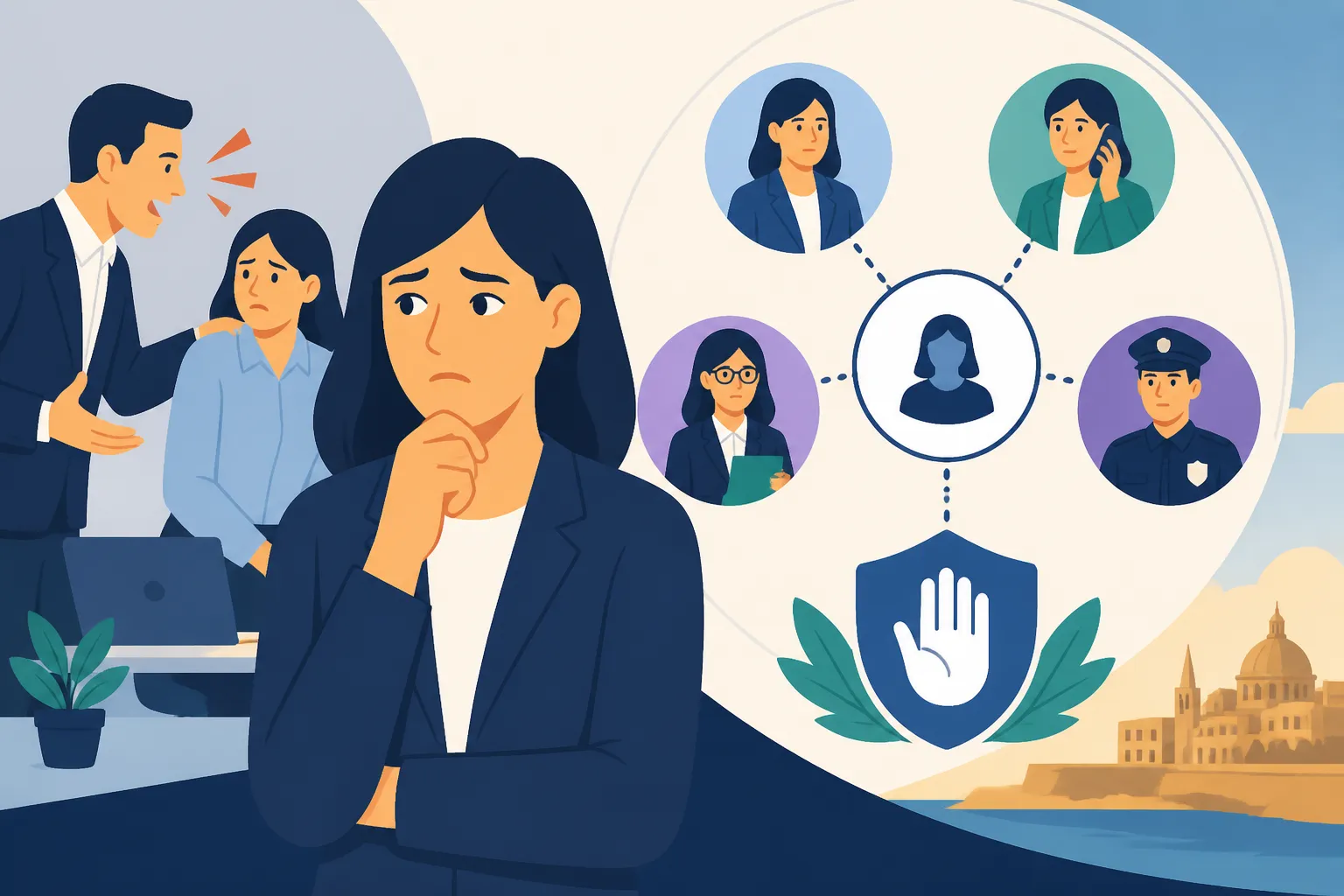
Who Do I Contact About Workplace Harassment in Malta?
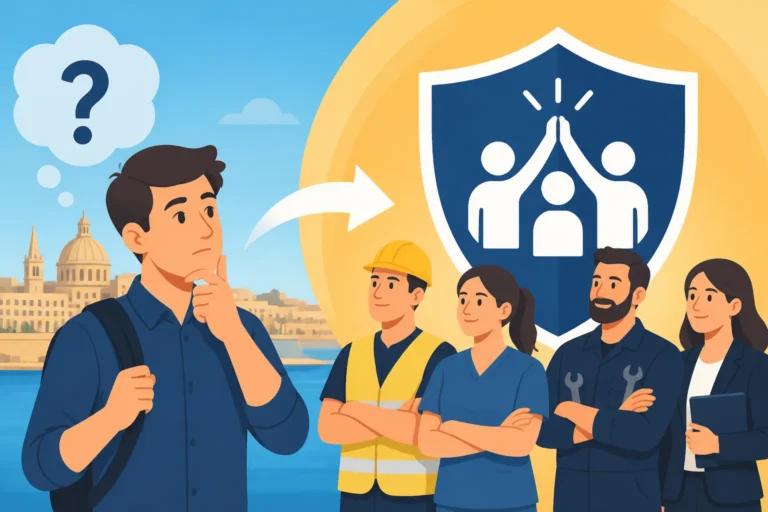
Finding yourself in a situation where you feel targeted, belittled, or harassed at work is an isolating experience, especially when you are thousands of miles from home in a country like Malta. Navigating the legal and administrative pathways to resolve workplace harassment can feel like a second full-time job. This guide identifies the specific Maltese authorities you must contact, the legal protections available to you, and the practical steps to reclaim your professional dignity.
Defining Workplace Harassment within the Maltese Context
In Malta, workplace harassment is not just a HR issue; it is a legal violation defined under the Employment and Industrial Relations Act (EIRA). The law distinguishes between general harassment and sexual harassment, but the common thread is the creation of an intimidating, hostile, degrading, or offensive environment. As an expat, you might initially second-guess yourself, wondering if the behavior is just a "cultural difference" or a byproduct of the high-pressure Mediterranean work environment. However, when behavior becomes repetitive and targets your gender, race, religion, or simply your personal dignity, the law is on your side.
The Maltese workplace culture is often described as tight-knit and informal. While this can be charming, it can also lead to "cliquey" behavior where an outsider feels systematically excluded. It is important to recognize that harassment does not always look like shouting or overt threats. It can be the persistent assignment of menial tasks far below your qualification level, the intentional withholding of information necessary for you to do your job, or being excluded from professional meetings that are relevant to your role. Understanding The Maltese Workplace: Culture, Contracts, and Your Rights is the first step in identifying when a boundary has been crossed legally rather than just socially.
Hypothetically, imagine you are a software developer in an iGaming firm. If your supervisor consistently makes derogatory comments about your nationality during team scrums, this is not "office banter." It is a breach of the EIRA. If you find that the stress is affecting your ability to communicate effectively or you feel you need to better understand the local nuances of how to address your colleagues, using a platform like iTalki can help you find a language partner or cultural coach to practice these difficult conversations in a safe space before you take them to the boardroom.
The First Point of Contact: Internal HR and Company Policies
Before escalating your complaint to a national level, you are generally expected to attempt an internal resolution, provided it is safe to do so. Every reputable Maltese company should have a written policy regarding harassment and bullying. These policies usually outline a formal grievance procedure. Your first task is to locate this document, which is often attached to your employee handbook or mentioned in your initial contract.
When you prepare to speak with HR, you must move beyond emotional descriptions and provide a chronological log of events. In Malta, documentation is king. If an incident happens in the office, follow it up with a "summary email" to yourself or a trusted friend to timestamp the event. If the harassment is occurring via email or internal chat platforms like Slack or Teams, save those screenshots immediately. If you are worried about the financial implications of potentially leaving your job due to these issues, consulting with a service like Taxes for Expats can help you understand your tax position regarding any potential severance pay or the impact of mid-year resignation on your tax residence status.
You should also consult your contract to see if there are specific clauses regarding dispute resolution. If you are unsure of what your contract entails, reviewing a guide on Employment Contracts and Conditions of Work in Malta can provide clarity on what is standard and what might be an overreach by your employer. If the harasser is the owner of the company or the head of HR, the internal route may be compromised. In these specific cases, you are justified in moving directly to external authorities.
Contacting the Department for Industrial and Employment Relations (DIER)
The Department for Industrial and Employment Relations, commonly known as the DIER, is the primary government body responsible for enforcing employment law in Malta. If your internal grievance process has failed, or if you have been unfairly dismissed because you spoke up, the DIER is your next stop. Their offices are located in Valletta, and they provide a free service where you can speak with an inspector about your situation.
The DIER serves as a mediator and an investigator. When you contact them, an officer will review your case to see if there has been a breach of the EIRA. They have the power to contact your employer directly to request explanations or to demand that corrective actions be taken. For many expats, this is the most effective way to "scare" a negligent employer into taking a harassment claim seriously, as no company wants to be on the radar of government inspectors.
It is worth noting that the DIER handles a wide range of issues, from wage theft to safety violations. When you present your case, be specific about the harassment. If the situation has become so toxic that you have had to take time off work for your mental health, you should also be aware of how Annual Leave, Public Holidays, and Sick Leave in Malta affects your pay and job security. The DIER can help ensure that your employer does not use your harassment-related absence as a pretext for termination.
The National Commission for the Promotion of Equality (NCPE)
When workplace harassment is rooted in discrimination—such as gender, sexual orientation, age, religion, or ethnic origin—the National Commission for the Promotion of Equality (NCPE) is the specialized body you need. The NCPE has a specific mandate to investigate cases of discrimination and sexual harassment. Unlike a general HR department, the NCPE has a deep understanding of the systemic nature of these issues and provides a very high level of confidentiality.
Filing a complaint with the NCPE involves a formal process where the Commission investigates the claim and issues a report. While the NCPE’s findings are not legally binding in the same way a court judgment is, they carry significant weight. A positive report from the NCPE can be used as powerful evidence if you later decide to take your case to the Industrial Tribunal. For victims of sexual harassment specifically, the emotional toll is immense. In such cases, seeking professional support is vital. You might look into How Do I Find an English-Speaking Therapist in Malta to help process the trauma while the NCPE handles the administrative investigation.
If you are struggling to express the nuances of your experience due to a language barrier, remember that you can always use iTalki to find a tutor who can help you translate your formal complaint accurately into Maltese or improve your professional English for the investigation meetings. Precision in language can make a significant difference in how your testimony is recorded by the NCPE commissioners.
Taking Action via the Industrial Tribunal
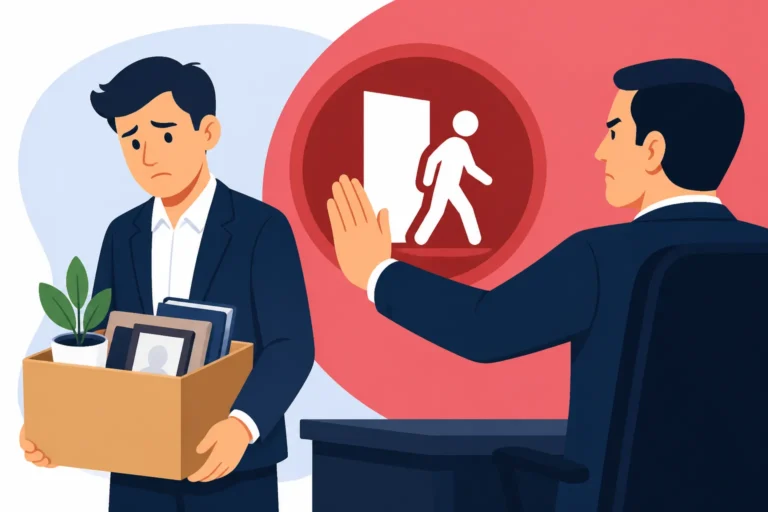
If the DIER cannot resolve the issue through mediation, or if the harassment has led to what is known as "constructive dismissal" (where you are forced to resign because the environment is unbearable), your final legal recourse is the Industrial Tribunal. This is a judicial body specifically designed to hear employment disputes. It is important to act quickly; you generally only have four months from the date of the alleged breach or dismissal to file a claim with the Tribunal.
The Industrial Tribunal operates like a court. You will likely need legal representation, and witnesses may be called to testify. This is where your meticulously kept logs and screenshots become vital. The Tribunal has the power to award financial compensation for moral damages and lost wages. If you are at this stage, you are likely looking at a situation of What Counts as Unfair Dismissal in Malta, and you should prepare for a process that can take several months to conclude.
During a Tribunal case, your financial stability might be at risk if you are currently unemployed. This is another area where Taxes for Expats can provide value, helping you navigate the complexities of reporting any court-awarded settlements or managing your tax returns while your income is in flux. It is also a time to check if you are eligible for any state support, such as Sickness Benefit in Malta: Your Rights When You Can't Work, if the harassment has led to a medically certified inability to work.
Support Networks and Mental Health Resources
Legal and administrative battles are draining. In a small community like Malta, the fear of "blacklisting" or damaging your reputation can be a significant barrier to seeking justice. It is essential to remember that you are not alone and that there are support structures outside of the government. Trade unions, such as the General Workers' Union (GWU) or the UĦM Voice of the Workers, can provide support and legal advice if you are a member.
Furthermore, do not neglect the psychological impact of harassment. The Maltese healthcare system provides various avenues for support. If you are paying your social security contributions, you may be able to access mental health services through the public system. You should investigate Is Therapy Covered by Maltese Public Healthcare to see what your entitlements are. Sometimes, simply having a professional validate that what you are experiencing is indeed harassment can provide the strength needed to see the DIER or NCPE process through to the end.
| Authority | Best For | Contact Method | Legal Power |
|---|---|---|---|
| DIER | General employment breaches, mediation, and wage issues. | Office visit (Valletta) or online form. | Investigative & Mediatory. |
| NCPE | Discrimination and sexual harassment cases. | Formal written complaint. | Investigatory & Reporting. |
| Industrial Tribunal | Unfair dismissal, constructive dismissal, and compensation. | Legal filing via a lawyer. | Judicial & Binding. |
| Trade Unions | Collective bargaining and personal representation for members. | Membership registration. | Advisory & Representative. |
Practical Steps to Protect Yourself Today
If you are currently in the middle of a harassment situation, your immediate priority is self-protection. First, ensure that all your evidence is stored outside of company servers. If you are fired or lose access to your work laptop, you lose your evidence. Forward relevant emails to a private account or print them out.
Second, seek a witness. Is there a colleague you trust who has seen the behavior? In many Maltese workplaces, people are hesitant to speak up for fear of their own jobs, but a confidential statement can be a game-changer. Third, check your health entitlement. If the stress is causing physical symptoms—insomnia, anxiety, or high blood pressure—visit a GP. Having a medical record of your stress levels provides a biological "timestamp" of the harassment's impact. Understanding Your Rights Under Malta's Employment and Industrial Relations Act will give you the confidence to stand your ground when your employer tries to dismiss your concerns as trivial.
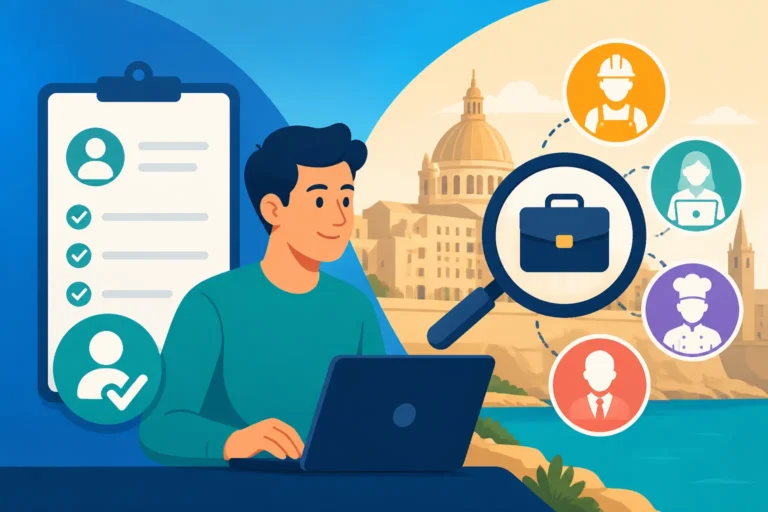
Finally, keep an eye on your long-term goals. If this job was meant to be a stepping stone for your career in Europe, don't let one toxic environment ruin your perspective of the island. Malta has a vibrant job market with many excellent employers who value diversity and respect. Sometimes the best resolution is to secure a new role and then file your DIER or NCPE complaint from a position of safety.
Disclaimer
This guide is for informational purposes only and does not constitute legal advice. Employment laws and procedures in Malta are subject to change. Always consult with a qualified legal professional or contact the Department for Industrial and Employment Relations (DIER) directly to discuss the specifics of your case before taking formal legal action. Strategies mentioned regarding third-party services like iTalki or Taxes for Expats are suggestions for personal management and do not replace formal legal or psychological counsel.