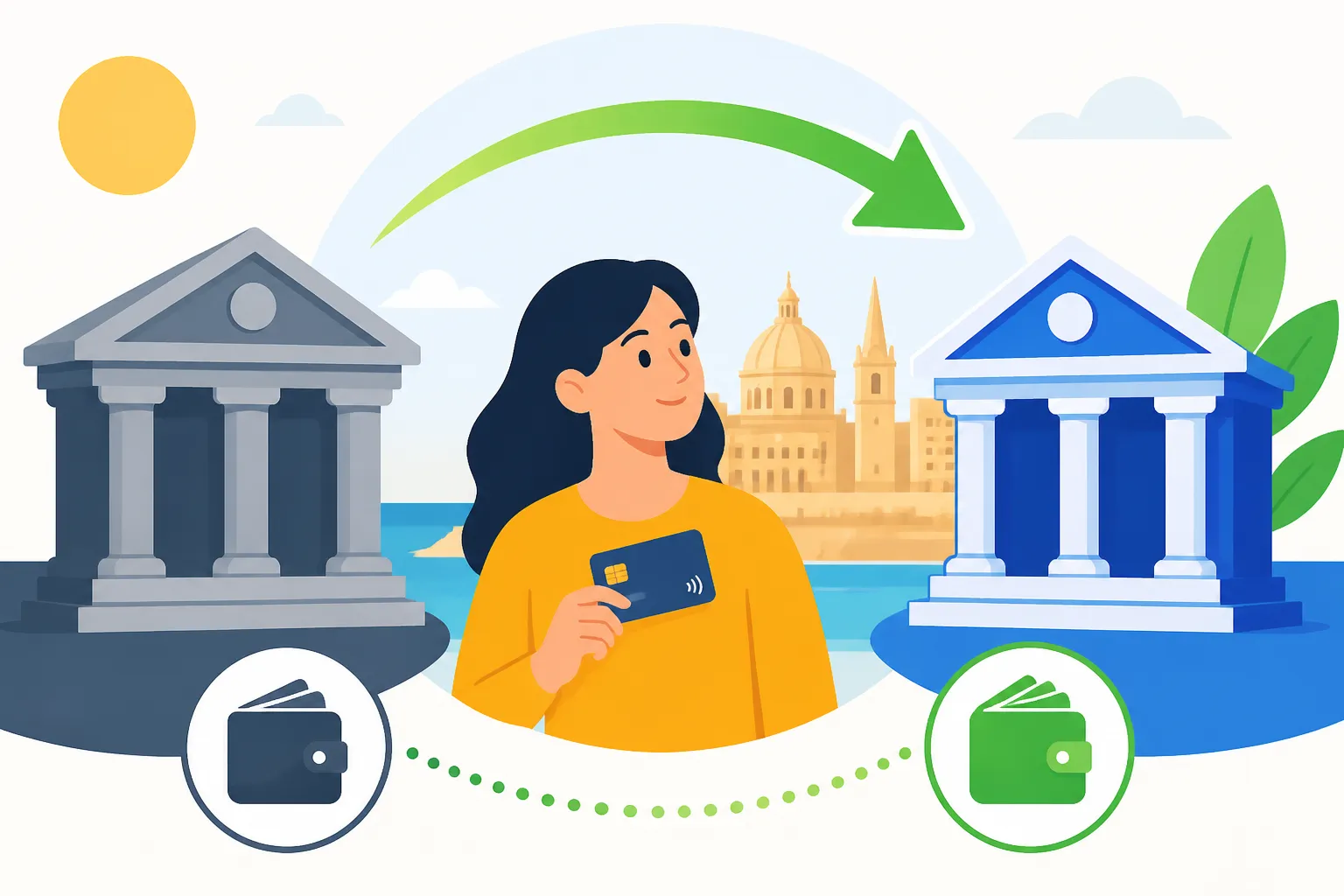
How Do I Switch Banks in Malta?
Oh, the joy of Maltese banking – said no expat ever, right? If you’ve been here a while, or even just a few months, chances are you’ve already had a few run-ins with the local financial system. Whether it’s the snail-like pace, the endless paper trail, or the sheer mystery of why things take so long, the idea of changing banks might seem like a daunting prospect. But sometimes, a fresh start is exactly what you need. This guide will walk you through everything you need to know about switching banks in Malta, sharing insights from years of navigating this unique landscape, and hopefully saving you some headaches along the way.
Why You Might Be Thinking About Switching Banks in Malta
Let's be real, the banking experience in Malta can be… an acquired taste. It’s a common topic of conversation among expats, often accompanied by a collective sigh. If you’re contemplating a switch, you’re certainly not alone, and your reasons are likely completely valid.
Common Gripes with Maltese Banking for Expats
One of the biggest frustrations for many foreigners is the pace. Everything seems to move at a more leisurely rhythm here, and banking is no exception. While most of Europe has embraced instant transfers and fully digital onboarding, Malta's traditional banks can feel like a step back in time. Opening an account in the first place often involves an arduous process, which we've covered in detail in our guide on How to Open a Maltese Bank Account as a Newcomer. You might have waited weeks, submitted documents multiple times, and felt like you were applying for a top-secret clearance rather than a simple current account.
This slowness often extends to day-to-day operations. Trying to get a quick answer or resolve an issue over the phone can sometimes feel like chasing a ghost. Online banking portals, while functional, often lack the intuitive, feature-rich experience you might be used to from banks back home. International transfers, especially to non-EU countries, can be pricey and subject to additional scrutiny, leaving you wondering if there’s an easier, cheaper way to manage your global finances. Then there are the fees – some specific services or non-standard transactions can come with unexpected costs that chip away at your hard-earned money.
When a Change of Scenery is More Than Just a Whim
Sometimes, your initial choice of bank was simply the path of least resistance when you first arrived. Perhaps a friend recommended it, or it was the only one that seemed willing to take you on. But as your life in Malta evolves, your banking needs might change too. You might find yourself wanting to buy property, requiring specific mortgage products that your current bank doesn’t offer competitively, or looking to delve into investments that another institution specialises in.
Or maybe it's the customer service that's finally pushed you over the edge. While many Maltese bank employees are genuinely helpful and pleasant, language barriers or a perceived lack of understanding of expat-specific financial situations can be incredibly frustrating. If you've had recurring issues, feel ignored, or simply find the thought of interacting with your bank fills you with dread, it's a clear sign that a "change of scenery" is more than just a whim – it's a necessity for your peace of mind and financial well-being. Knowing your options, including traditional and digital-first alternatives, is crucial, which you can learn more about in our article on Choosing a Bank in Malta: BOV, HSBC, APS, and Lombard.
The Step-by-Step Process of Switching Banks in Malta
Switching banks might sound like a massive undertaking, but with a bit of planning and patience, it’s absolutely manageable. Think of it as spring cleaning for your finances – a bit tedious, but incredibly rewarding once it's done.
Researching Your New Banking Home
Before you jump ship, you need to know where you're sailing to. This isn't just about picking the first bank that comes to mind; it's about finding a financial partner that truly fits your lifestyle and needs here in Malta.
Start by considering what you dislike about your current bank and what features are most important to you. Are you looking for a more robust online banking platform? Lower fees for international transfers? Better customer service with readily available English-speaking staff? Or perhaps access to specific financial products like a home loan for your future property purchase?
Traditional banks like BOV, HSBC, APS Bank, and Lombard Bank are the main players. Each has its pros and cons, which we've discussed in our detailed guide on Choosing a Bank in Malta: BOV, HSBC, APS, and Lombard. BOV, for instance, is the largest local bank with the most branches, while HSBC offers a more international flavour. APS is well-regarded for its customer service and ethical approach.
Don't forget to explore digital alternatives as well. Brands like Revolut and N26 have made significant inroads among expats due to their ease of use, competitive exchange rates, and excellent mobile apps. Our piece on Digital Banking and Money Apps in Malta: Revolut and Beyond dives deeper into these options. While they might not replace a traditional bank entirely for some long-term needs, they can certainly offer a smoother day-to-day experience.
Once you have a few contenders, dig into their specific offerings for new accounts. Pay close attention to:
- Monthly or annual account fees: Some accounts are free, others charge a small fee.
- Transaction fees: Especially for international transfers, ATM withdrawals, or non-SEPA payments.
- Online and mobile banking features: How intuitive is the app? What services can you perform digitally?
- Customer support: Are they responsive? Do they offer support in English?
- Product range: Do they offer savings accounts, investment products, or lending options that you might need in the future?
Remember, as a foreigner, you'll still face the dreaded "Know Your Customer" (KYC) requirements, even if you’ve already been through it once before. Make sure you understand what documents are needed to open an account with your chosen new bank. This typically includes your Maltese ID card, proof of address (like a utility bill), proof of income (payslips, employment contract), and often details about the source of your funds. It’s a hassle, but preparing in advance can speed things up.
Opening Your New Account and Setting Up Transfers
Alright, you’ve picked your new banking home. Now comes the actual process of opening the account. This can still be a bit of a marathon, so buckle up!
Most Maltese banks will require an in-person visit to a branch to initiate the account opening process. Even if they have an online application form, you'll likely need to go in to verify your identity and submit original documents. Be prepared to bring:
- Your valid passport or Maltese eResidence Card. If you're still waiting for your eResidence card, which can take time, this might be a hurdle. Our guide on Getting Your Maltese eResidence Card and ID Number explains the process for obtaining this crucial document.
- Proof of address: A recent utility bill (ARMS bill for electricity/water) or a rental contract registered with the Housing Authority is usually accepted.
- Proof of income: Recent payslips, an employment contract, or a letter from your employer. If you're self-employed, tax returns or business registration documents will be needed.
- Bank statements from your current or previous bank: To demonstrate your financial history and source of funds.
- A completed application form: Which can often be downloaded beforehand to save time at the branch.
The bank will conduct its due diligence – expect questions about where your money comes from, your purpose for the account, and your residency status. This is standard procedure, even if it feels intrusive. Once approved, you'll usually be asked to make an initial deposit to activate the account.
Once your new account is up and running, the real work of transferring your financial life begins. This is where meticulous planning saves you from missed payments and late fees.
- Identify all incoming payments: Your salary from your employer, any pension payments, rent income, etc. Contact your employer’s HR/payroll department immediately to provide your new bank details. This is especially important as your salary is often processed through the Final Settlement System (FSS), and changing details needs to be done correctly. We discuss this system in Understanding the FSS (Final Settlement System) on Your Payslip.
- Identify all outgoing payments: This includes direct debits (for utilities like ARMS, internet, mobile phone, insurance, gym memberships) and standing orders (for rent, savings, transfers to family). Log into your old online banking portal and make a list. Then, log into your new online banking or visit the branch to set these up with your new account. For utilities, you’ll typically need to contact ARMS directly to update your payment method, as explained in How Do I Pay My ARMS Utility Bill Online in Malta?.
- Transfer your balance: Once you’re confident that all incoming and outgoing payments are successfully redirected, you can transfer the remaining balance from your old account to your new one. For significant sums, especially if they involve currency conversion, consider using a specialist money transfer service like Wise. They often offer better exchange rates and lower fees compared to traditional bank transfers, particularly for large amounts or transfers outside the Eurozone.
Closing Your Old Account and Tying Up Loose Ends
This is the final, satisfying step! Don't close your old account until you are absolutely certain that every single transaction has been successfully routed through your new bank for at least one full billing cycle. It’s better to have two active accounts for a short period than to miss a crucial payment.
Once you’re sure, contact your old bank to formally close the account. They might require another in-person visit or a written request. You’ll need to:
- Ensure the account balance is zero: Either transfer any remaining funds out or withdraw them.
- Return or cut up your old debit cards and cheque books: The bank will usually advise on this.
- Request a final statement: This is a good document to keep for your records, especially for tax purposes or proof of funds in the future.
Be aware that some banks might charge a small fee for closing an account, especially if it's done shortly after opening or if there are specific conditions attached to the account type. Clarify this upfront.
The sense of accomplishment when you finally get that confirmation that your old account is closed and everything is smoothly running through your new bank is truly something to savour. You've officially conquered a significant piece of Maltese admin!
Practical Considerations and Potential Pitfalls for Expats
Even armed with a step-by-step plan, you're an expat in Malta, which means there are always a few extra hoops to jump through. Being prepared for these specific challenges can make the process much smoother.
The 'Know Your Customer' (KYC) Gauntlet, Again
You've done it once, and now you have to do it again. The "Know Your Customer" (KYC) process is a particular pain point for foreigners in Malta. Due to stringent anti-money laundering regulations, Maltese banks are incredibly thorough, often to the point of being perceived as overly bureaucratic. We've certainly discussed the challenges in our article, Why Maltese Banks Ask for So Much Documentation.
When you switch banks, even if you’re staying within Malta, expect to provide detailed documentation about your income, your employment, your residence status, and even the ultimate source of your funds – again. It can feel incredibly frustrating to submit the same documents you already provided to your first bank just a few months or years prior. It’s not uncommon to be asked for payslips from several months, a copy of your employment contract, your latest tax return, and sometimes even a letter from your employer confirming your position and salary.
My advice? Don’t try to guess what they need. Ask for a comprehensive list of required documents upfront, and then provide everything they ask for, even if it feels redundant. Having all your paperwork organised – original and copies – will save you multiple trips to the bank and endless back-and-forth emails. Keep copies of everything you submit, and make sure your Maltese ID card (eResidence Card) is up-to-date, as this is the cornerstone of all administrative processes here.
Transferring Funds and Avoiding Unnecessary Fees
Moving your money from one bank to another, especially if you have significant savings or if your funds are in a foreign currency, requires careful consideration to avoid unexpected fees and unfavourable exchange rates.
- Large Transfers: For substantial amounts, directly transferring funds between Maltese banks is usually straightforward and often free within the SEPA (Single Euro Payments Area) zone. However, if you're bringing money in from an account outside Malta, or transferring a large sum out of Malta (perhaps to invest abroad or repatriate savings), you need to be strategic.
- Specialist Transfer Services: Traditional banks can charge hefty fees and apply less favourable exchange rates for international transfers. This is where services like Wise (formerly TransferWise) truly shine. They specialise in international money transfers, offering significantly better exchange rates and transparent, lower fees than most conventional banks. It's often worth setting up a Wise account specifically for these kinds of transactions. This way, you can easily transfer your foreign earnings to Malta or send money back home without losing a chunk to hidden bank charges. You can explore more about cost-effective transfers in Sending Money To and From Malta Without High Fees.
- Timing is Everything: Coordinate your transfers carefully to avoid any account overdrafts, especially if you have direct debits scheduled. It's best to initiate large transfers a few days before they are absolutely needed, just in case there are unexpected delays.
Updating Your Details Everywhere That Matters
Switching bank accounts isn't just about the banks themselves; it's about updating your financial details with every entity that pays you or bills you. Miss one, and you could face late payment fees or disruptions to essential services.
Make a comprehensive checklist and methodically work through it:
- Your Employer: Crucial for ensuring your salary continues to land in the right place. Provide your new IBAN and BIC/SWIFT details to your HR or payroll department. This impacts your FSS contributions and tax calculations.
- ARMS Ltd. (Utilities): Your electricity and water bills are often paid via direct debit. You'll need to contact ARMS directly to update your details or set up a new direct debit mandate from your new bank account.
- Internet and Mobile Providers: Go through your online accounts or call customer service to change your payment details.
- Insurance Companies: Health insurance, car insurance, home contents insurance – all these need to be updated. If you’re on a non-EU permit, private health insurance is often a requirement, so ensuring continuous payment is critical, as detailed in Private Health Insurance Requirements for Non-EU Permit Holders in Malta.
- Government Agencies: While your tax number (TIN) remains the same, if you receive any government benefits or refunds, you’ll need to inform the relevant departments. If you pay provisional tax as self-employed, you'll also need to adjust your payment method with the Commissioner for Revenue (CFR). This directly links to your tax obligations, something you’ll want to discuss with experts like Taxes for Expats if your situation is complex. For general tax filing, our guide Filing Your Maltese Tax Return: The CFR, FS3, and TA22/TA24 offers more insights.
- Pension or Investment Platforms: If you have any local or international pensions or investments linked to your Maltese bank account, ensure these are updated.
- Online Subscriptions/Services: Think Netflix, Spotify, Amazon, any apps, or other recurring online payments where your old card details might be stored.
- Identità: While your eResidence card isn't directly tied to your bank account, ensuring all your personal details are consistent across all government entities is always good practice.
This part of the process requires diligence, but it's essential for a smooth transition. Keep a spreadsheet or a detailed list, and tick off each item as you update it.
Exploring Alternatives: Beyond Traditional Banks
The banking landscape isn't just about the big, traditional players anymore. For expats in Malta, exploring digital-first options and specialised payment institutions can significantly enhance your financial management experience and alleviate many of the common frustrations.
Digital-First Banking Options
Over the last few years, several challenger banks, often referred to as neobanks or digital banks, have emerged, offering a stark contrast to the traditional banking model. Companies like Revolut and N26 are prime examples that many expats use in Malta.
Pros of Digital Banks:
- Faster Setup: Often, you can open an account in minutes or hours through an app, compared to days or weeks with traditional banks. This can be a godsend for newcomers who need an operational account quickly.
- Superior User Experience: Their mobile apps are generally intuitive, feature-rich, and offer real-time notifications for transactions, budgeting tools, and easy control over your cards.
- Competitive Exchange Rates and Lower Fees: Digital banks are typically much better for international transactions, offering interbank exchange rates and transparent, lower fees for currency conversion and overseas transfers. This can save you a significant amount, especially if you're regularly sending money home or receiving funds from abroad.
- Virtual Cards and Security Features: Many offer virtual cards for online shopping and advanced security features like instant card freezing.
Cons of Digital Banks:
- Lack of Physical Branches: This means no face-to-face interaction for complex issues or cash deposits (though some offer workarounds like cash deposits at partner locations, not always available in Malta for all digital banks).
- Limited Services: While they excel at day-to-day banking and international transfers, they may not offer more complex financial products like mortgages, personal loans, or extensive investment portfolios within Malta. For instance, getting a home loan in Malta typically still requires a traditional bank.
- Acceptance Issues: While increasingly rare, some smaller, older Maltese businesses or specific online portals might not accept payments from certain digital banks or IBANs if they are not Maltese-issued. This is improving rapidly but is something to be aware of.
- Less Personalised Service: Customer support is usually online via chat, which suits many but might not appeal to those who prefer talking to a person.
For many expats, a digital bank can be an excellent primary account for everyday spending, budgeting, and international transfers, making the Cost of Living in Malta: Budgeting for the Real Numbers much easier to manage.
Using Payment Institutions for Specific Needs
Beyond digital banks, there are specialised payment institutions like Wise (formerly TransferWise) that don't offer full banking services but are absolute game-changers for certain transactions. Wise, for example, is renowned for its multi-currency accounts and incredibly efficient, low-cost international money transfers.
Instead of keeping all your savings in a traditional Maltese bank account, you might use Wise for:
- Sending Money Home: If you regularly send remittances to family or transfer funds to accounts outside the Eurozone, Wise will almost certainly save you money on exchange rates and fees compared to a traditional bank.
- Receiving Funds from Abroad: If you have income from a foreign employer or freelance clients in other currencies, a Wise multi-currency account can allow you to receive payments in local currencies (e.g., USD, GBP) without high conversion fees, before deciding when to convert them to EUR for your Maltese expenses.
- Business Expenses: Freelancers and self-employed individuals can find Wise invaluable for managing international business payments.
These services don't replace a traditional bank but act as powerful complements, filling the gaps where traditional banks might be less efficient or more expensive.
When a Hybrid Approach Makes Sense
For many expats in Malta, the sweet spot lies in a hybrid approach:
- A traditional Maltese bank account: Used for receiving your salary, paying local direct debits for rent and utilities, and potentially for accessing loans or mortgages. This ensures you have a local presence for all essential services and official requirements.
- A digital-first bank or payment service (like Revolut or Wise): Used for day-to-day spending, budgeting, managing different currencies, and executing international transfers. This gives you the flexibility, convenience, and cost-savings that traditional banks often lack.
This combination allows you to leverage the strengths of both worlds, minimising the frustrations associated with Maltese banking while maximising efficiency and savings on international transactions. It’s a strategy many long-term expats adopt to navigate Malta’s unique financial landscape successfully.
Disclaimer
The information provided in this guide is for general informational purposes only and does not constitute financial, legal, or professional advice. While we strive to provide accurate and up-to-date information, banking regulations and practices in Malta can change. It is always recommended to consult with the specific banks or financial institutions directly for the most current requirements and terms, or to seek advice from a qualified financial advisor.