Can My Partner Be Present at the Birth in a Maltese Hospital?
Navigating a foreign healthcare system while expecting a baby is one of the most stressful experiences you can face as an expat. I remember the late-night panic sessions during my own pregnancy in Malta, desperately wondering if my husband would be allowed to stay by my side or if I’d be facing the white-tiled corridors of Mater Dei alone. This guide provides a definitive answer to partner presence during labor, delivery, and recovery in Maltese hospitals, ensuring you know exactly what to expect when the big day arrives.
The Reality of Partner Presence in Malta's Public Hospitals
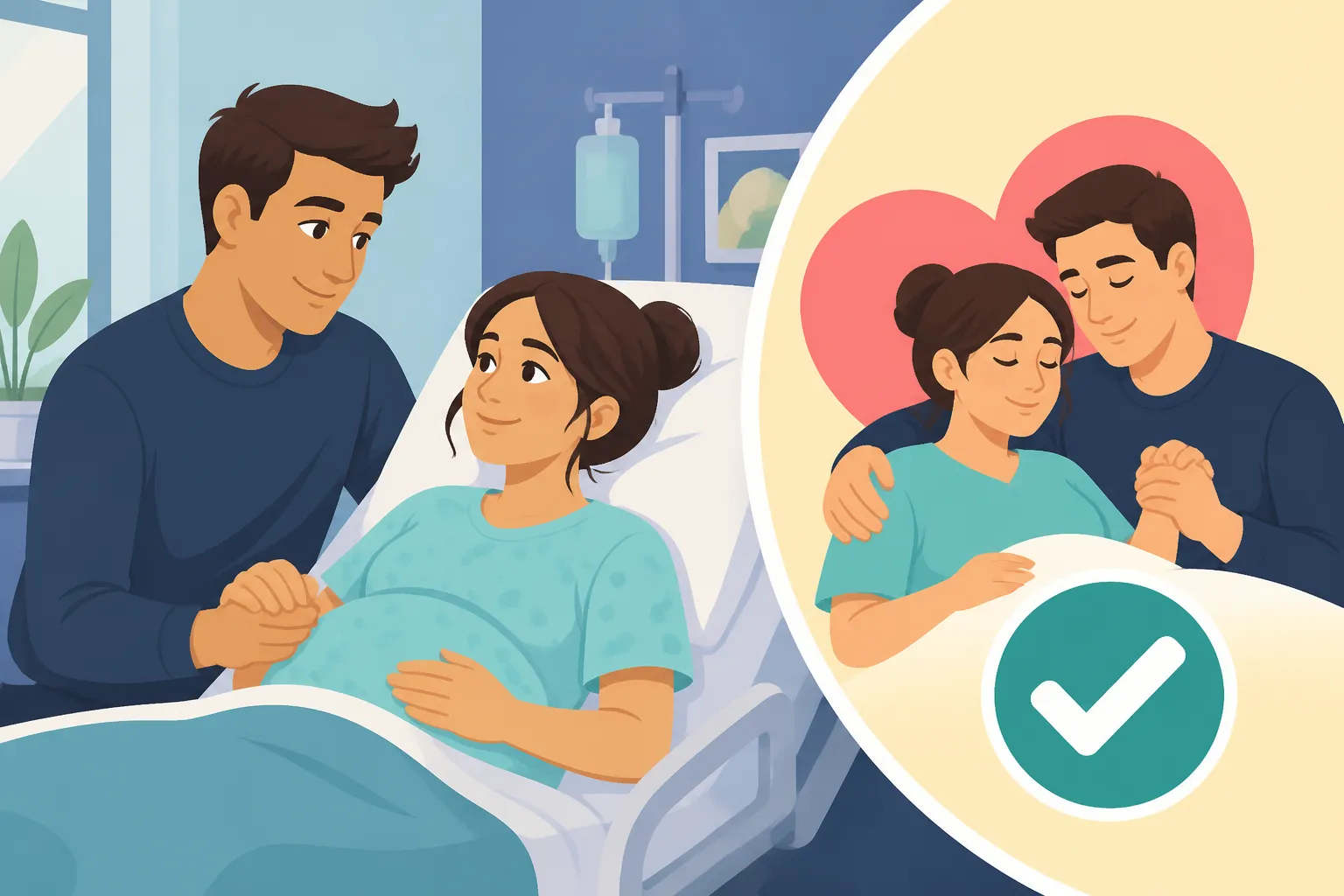
If you are planning to give birth at Mater Dei, Malta’s main public hospital, the general rule is that one designated birth partner is absolutely allowed to be present with you during active labor and delivery. This is a relief for many who have heard conflicting stories from different decades. The Maltese health system has evolved significantly, recognizing the vital role a support person plays in the birthing process.
In the Delivery Suite, your partner is usually permitted to stay 24/7 once you have been admitted for active labor. This includes support during natural births and, in many cases, elective Caesarean sections. However, it is important to understand the distinction between the "Delivery Suite" and the "Obstetric Wards." While the Delivery Suite is quite flexible, the post-natal wards—where you will spend a day or two recovering—have much stricter visiting hours. Typically, partners are allowed to stay during the day, but they are often asked to leave during the late evening and night to ensure the privacy and rest of other mothers in the shared ward.
This transition from the intimacy of the birthing room to the shared environment of the ward can be a bit of a culture shock. I found that the nurses are generally firm about these rules to keep the wards quiet. If your partner is in Malta on a temporary basis or is still waiting for their residence documents to be processed, they might find that having a solid insurance plan like SafetyWing provides peace of mind for any incidental health needs they might have while supporting you. Knowing that How Malta's Public Healthcare Works: Entitlement, Contributions, and Costs covers the mother is great, but the partner's status is often separate.
What Happens During Emergency Situations
In the event of a medical emergency or a sudden shift to an emergency C-section, the rules can change rapidly. The medical team’s priority is the safety of the mother and baby. In some high-pressure scenarios, partners may be asked to wait in a designated area outside the operating theater. This isn’t a personal slight; it’s a standard safety protocol in the public system.
It is also worth noting that the "one partner" rule is strictly enforced. You cannot swap between your mother, your sister, and your husband throughout the day. You will need to nominate your primary support person upon admission. This is why understanding Maternity Care in Malta: Antenatal Visits, Birth, and the Maternity Benefit is so important early on, as it helps you prepare for these logistical hurdles before the contractions start.
Public vs Private: A Comparison of Partner Access
For many expats, the choice between Mater Dei and a private hospital like St. James depends heavily on how much "partner time" they want. Private hospitals in Malta offer a vastly different experience regarding partner presence. In a private facility, you are paying for a private room, which almost always includes a sofa bed or a reclining chair for your partner to stay overnight.
If you value having your partner with you for every single minute of the first 48 hours of your baby’s life, the private route is often the preferred choice. However, private care comes with a price tag that isn't covered by the standard social security system. This is where Private Healthcare and Insurance in Malta: When You Need Cover becomes a crucial part of your financial planning. Many expats choose to use SafetyWing for their general travel and health needs during their first few months on the island before transitioning to a local private plan or relying on the public system.
| Feature | Mater Dei (Public) | Private Hospitals (e.g., St. James) |
|---|---|---|
| Labor & Delivery Presence | Yes (1 Partner) | Yes (1-2 Partners) |
| Overnight Stay (Post-Natal) | Generally No (Shared Wards) | Yes (Private Rooms) |
| C-Section Presence | Usually Yes (Elective) | Yes |
| Visiting Hours | Restricted (Specific Windows) | Flexible |
| Cost | Free for Entitled Residents | €3,000 – €6,000+ |
Choosing between these two depends on your comfort level. While Mater Dei has the best neonatal intensive care unit (NICU) in the country, the private sector offers the "hotel" experience that allows for constant partner support. If you are still weighing your options, you might want to read Can I Choose Between Public and Private Maternity Care in Malta? to see which fits your budget and emotional needs.
Practical Logistics for Partners at Mater Dei
If you stick with the public system, your partner needs to be prepared for the "Mater Dei Marathon." The hospital is a massive complex, and the experience for the partner can be physically draining. One of the biggest complaints I hear from expat dads and partners is the parking situation. The underground car park at Mater Dei is notoriously busy and can be expensive over a 24-hour period. I always suggest that partners have a "hospital bag" of their own, including plenty of change for the vending machines and a power bank for their phone.
Food and Facilities
While the mother is provided with meals, the partner is not. There are several cafeterias on-site, including a large one in the main entrance area, but these have limited opening hours. During the middle of the night, your partner will be relying on vending machines. It sounds like a small detail, but when you’ve been awake for 20 hours, a stale sandwich becomes a major issue.
Your partner should also be aware of the Mater Dei and Beyond: A Guide to Malta's Public Hospitals and Health Centres protocols. For example, there are strict rules about filming or taking photos in certain areas of the hospital. Always ask the midwife before pulling out a GoPro or a professional camera. Most of the staff are incredibly kind and will even offer to take a photo of the three of you once the baby is born, but it’s always best to be polite and ask first.
Language and Communication
Almost all medical staff in Malta speak excellent English, so communication shouldn't be an issue for most expats. However, during the intensity of labor, things can get lost in translation if medical jargon starts flying around. Having a partner who is prepared to act as an advocate is essential. They should feel comfortable asking questions and seeking clarification on any procedures. For those who are digital nomads or just arrived, ensuring your partner has a plan like SafetyWing can be a lifesaver if they happen to fall ill themselves during your hospital stay, as the public system focuses primarily on the patient (you and the baby).
Administrative Steps and Partner Recognition
One of the most important things for an expat couple is ensuring the partner is legally recognized from the moment of birth. In Malta, if you are married, the process is straightforward. If you are not married, both parents must be present at the Public Registry (or the hospital branch of it) to sign the birth notification and ensure the father's or second parent's name is on the certificate.
You will typically find a Public Registry office right inside Mater Dei hospital. It is much easier to handle this while you are still there than to trek into Valletta or Marsa a week later. Make sure you have your original passports and your Getting Your Maltese ID Card Number: The Key to Accessing Healthcare documents ready. Without these, the paperwork can grind to a halt.
Registering the Baby
Once the birth is registered, the baby will be issued a Maltese ID number (ending in 'A' for non-Maltese residents). This number is the key to everything. You will need it to ensure the baby is covered under your health entitlement. We have a detailed breakdown on How to Register a Newborn for Healthcare in Malta that covers every form you'll need to fill out in those sleep-deprived first days.
If you are living in Gozo, the process is slightly different as you will likely be using the Gozo General Hospital. The intimacy there is often greater, and rules can feel slightly more relaxed than the high-traffic wards of Mater Dei. If you are based on the sister island, checking What Should I Do in a Medical Emergency on Gozo? is a good idea just in case things move faster than the ferry does.
Navigating the Emotional Hurdle of Shared Wards
The hardest part for many expat partners is the moment they have to leave the hospital at 8:00 PM or 9:00 PM, leaving the new mother and baby in a ward with three other women. It feels counter-intuitive and, frankly, quite lonely. I remember watching my husband walk out the door and feeling a huge wave of anxiety.
To make this easier, I recommend:
- Setting Up a Digital Lifeline: Ensure both of you have plenty of data or access to the hospital Wi-Fi so you can video call during the night if the baby won't sleep.
- Utilizing the "Day Room": Most wards have a small communal area where partners can sit with the mother outside of the immediate bedside area during the day.
- Understanding the Nurses: The midwives and nurses are there to help. If you are struggling at 3:00 AM, they will take the baby for a short while to let you sleep. They are the experts in How Pregnancy, Birth, and Maternity Leave Connect in Malta and will guide you through the first few diaper changes and feeds.
While the system has its quirks and the "partner must leave at night" rule is a major sticking point for many, the quality of care at Mater Dei is world-class. The midwives are some of the most dedicated professionals I have ever met. If you go in with a spirit of cooperation and a clear understanding of the rules, the experience can be incredibly positive.
For those who are still in the planning stages of their move or are here on a Nomad Residence Permit, remember that your health coverage needs to be robust. While you focus on the baby, let a provider like SafetyWing handle the "what-ifs" for your partner. This ensures that even if you are deep in the world of Healthcare on a Visa-Based Permit in Malta: Nomads, Retirees, and Investors, your support system is protected.
Post-Birth Support and Partner Involvement
Once you are discharged, the focus shifts to the "Well-Baby" clinics and home visits. In Malta, a midwife will often visit you at home in the days following your discharge to check on the baby’s weight and your healing progress. This is a great time for the partner to ask all the questions they didn't get to ask in the hospital.
The partner's role doesn't end at the hospital doors. They will be the ones running back and forth to the pharmacy. Familiarizing yourself with The POYC Pharmacy of Your Choice Scheme: How to Collect Free Medicines early on can save a lot of confusion when you suddenly need supplies for the baby or yourself.
Malta is an incredibly family-oriented culture. You will find that once you have a baby, the local community opens up in a whole new way. People will stop you in the street to admire the newborn, and the "partner presence" that felt so restricted in the hospital will suddenly feel very supported by the society at large. Whether you are navigating the public system or opting for the comfort of a private room, the most important thing is that you and your partner are prepared for the journey together.
Disclaimer
This article is for informational purposes only and does not constitute professional medical or legal advice. Hospital policies in Malta, particularly regarding visiting hours and partner presence, are subject to change by the Ministry for Health and hospital administration. Always confirm the latest protocols directly with Mater Dei Hospital or your private healthcare provider prior to your expected due date. Information regarding insurance and residence status should be verified with the respective authorities or providers.