What Happens If I Need Surgery in Malta?
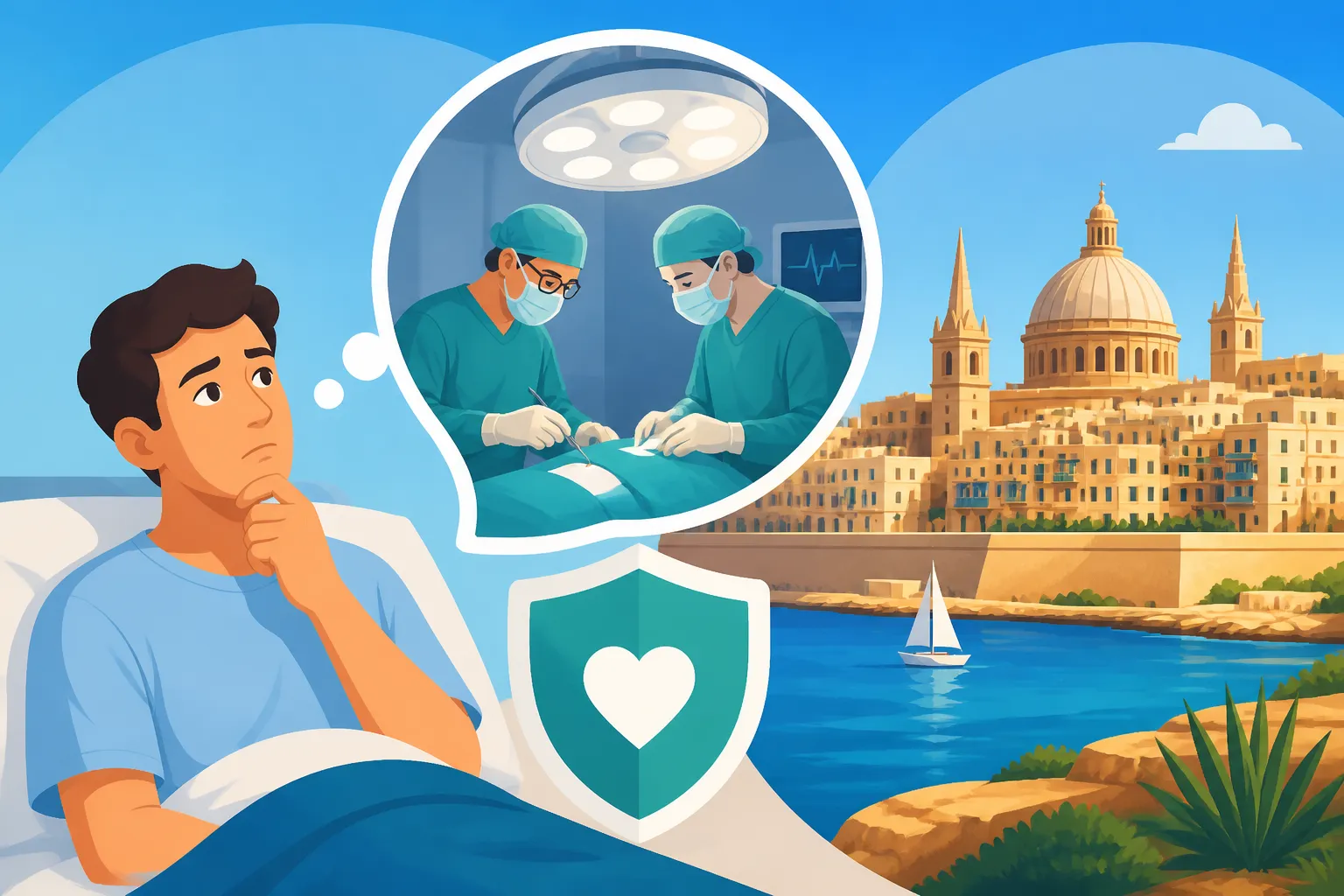
Facing a surgical diagnosis while living in a foreign country can trigger an instant sense of panic about logistics, costs, and quality of care. I remember the knot in my stomach when a doctor at a local health centre first mentioned the word "operation" during my second year on the island. This guide breaks down exactly what happens if you need surgery in Malta, from the initial referral to the recovery phase.
The Referral Pathway and Pre-Operative Steps
The journey toward surgery in Malta almost always begins with a referral. Unless you are rushed to the Emergency Department at Mater Dei Hospital after an accident, you will need a formal "ticket" into the surgical system. This usually starts at your local health centre or with a private GP. In my experience, the Maltese medical community is tight-knit, and getting that initial referral letter is the golden key to the rest of the process.
From GP to Specialist The First Step
When a General Practitioner determines that your condition requires surgical intervention, they will issue a referral letter. If you are using the public system, this letter is typically sent to the Central Referral Unit at Mater Dei. It is vital to ensure your contact details are updated with the hospital, as you will eventually receive an appointment for an outpatient consultation. This is where How Do I Get a Referral to a Specialist in Malta? becomes an essential part of your journey, as the quality and urgency of that letter can dictate how quickly you move through the queue.
If you are a digital nomad or a new resident without a long history in the local system, you might feel a bit lost during this waiting period. This is often when people look into private consultations to speed things up. Having a global health policy, such as those offered by SafetyWing, can provide a significant sense of security during these uncertain early stages, especially if you aren't yet fully integrated into the local social security net.
Navigating Mater Dei Hospital Outpatient System
Once your referral is processed, you will be summoned to the Outpatients department at Mater Dei and Beyond: A Guide to Malta's Public Hospitals and Health Centres. Be prepared for a very busy environment. The waiting rooms are often crowded, and while the consultants are highly skilled, the sheer volume of patients means you must be proactive. Bring all your previous scans, blood test results, and a list of current medications.
During this consultation, the surgeon will discuss the necessity of the procedure, the risks involved, and the expected outcomes. If you agree to proceed, you will be placed on a waiting list. You will also be asked to provide your Getting Your Maltese ID Card Number: The Key to Accessing Healthcare, which is the primary way the hospital tracks your eligibility and medical records.
The Pre-Assessment Clinic and Testing
A few weeks or days before your scheduled surgery, you will likely be called for a "Pre-Assessment." This is a thorough check-up to ensure your body can handle the anaesthesia and the physical stress of the operation. You will undergo blood tests, an ECG (electrocardiogram), and sometimes a chest X-ray. Nurses will ask detailed questions about your lifestyle, allergies, and home support system.
This is a great time to ask about the specifics of your recovery. Will you need crutches? Will you need someone to stay with you at home? The staff at Mater Dei are generally excellent and speak fluent English, so don't be afraid to voice your concerns. They will also confirm your Health Entitlement in Malta: How Social Security Contributions Unlock Free Care to ensure there are no administrative hiccups regarding your right to free treatment on the day of the procedure.
Public vs Private Surgery Choosing Your Route
One of the most common dilemmas for expats in Malta is whether to stick with the public system or "go private." While the public care at Mater Dei is free for those who qualify and is technically world-class, the waiting lists for non-urgent (elective) procedures can be dauntingly long.
Public Care at Mater Dei and Waiting Lists
If your surgery is urgent or life-saving, the public system in Malta is incredibly efficient. However, for "cold cases" like hip replacements, hernia repairs, or gallbladder removals, you might find yourself waiting months or even years. The government does occasionally partner with private clinics to outsource these lists, but it is not something you can easily trigger yourself. You can learn more about the reality of these timelines in our guide on How Long Are Waiting Times for Specialists in Malta?.
The benefit of the public route is, of course, the cost. For most residents paying social security, the surgery, the hospital stay, the medication, and the follow-up care are entirely free. You won't see a bill for the surgeon's time or the operating theatre use, which is a massive relief compared to the healthcare systems in many other countries.
Private Surgical Options at Da Vinci or St James Hospital
If you cannot afford to wait, Malta has several high-quality private hospitals, such as St James Hospital (with branches in Sliema and Żejtun) and Da Vinci Health in Birkirkara. Going private allows you to choose your surgeon and often schedule your operation within a matter of weeks. The rooms are more akin to hotel suites, and the overall experience is much quieter and more personalized.
However, private surgery comes with a price tag. Even a relatively minor procedure can cost several thousand euros once you factor in the surgeon's fees, anaesthetist fees, theatre charges, and the cost of the hospital room. For many expats, this is where Private Healthcare and Insurance in Malta: When You Need Cover becomes a life-saver. Without insurance, these costs must be paid upfront or through a pre-arranged payment plan with the hospital.
Insurance Considerations and SafetyWing
For many of us living the expat life, we don't always have a decade of local social security contributions to fall back on. This is where supplemental coverage is so important. SafetyWing provides a reliable bridge for those who may be between permits or who prefer the flexibility of seeking private consultations without worrying about the initial high costs of specialist visits. Having this kind of backup means that if a public waiting list is too long, you have the financial "oxygen" to seek a private second opinion.
When you choose a private hospital, you will need to coordinate between the hospital’s billing department and your insurance provider. Most local private hospitals are very familiar with international insurers and can often arrange direct billing, meaning you only pay the excess or deductible specified in your policy.
Cost and Entitlement Who Pays for the Procedure
The financial aspect of surgery in Malta depends entirely on your residency status and your employment history on the island. The system is generous, but it is also strictly regulated by the Entitlement Unit.
Understanding Public Healthcare Entitlement
To receive free surgery at Mater Dei, you must generally be a Maltese citizen, an EU citizen with an S1 form, or a non-EU national who is employed and paying social security contributions. If you are working here, you should check Do I Get Free Healthcare in Malta If I Pay Social Security? to confirm your status. On the day of your surgery, the hospital will verify that your "stamps" (contributions) are up to date.
If you are a retiree or a nomad on a specific residence scheme, your entitlement might differ. Some permits require you to have full private medical insurance as a condition of your stay, meaning the public system may charge you the full "non-resident" rate if you haven't secured an entitlement certificate from the health authorities.
| Feature | Public Surgery (Mater Dei) | Private Surgery (e.g., St James) |
|---|---|---|
| Cost | Free (for eligible residents) | High (€2,000 – €15,000+) |
| Waiting Time | Can be long (months/years) | Very short (days/weeks) |
| Surgeon Choice | Assigned by the department | You choose your specialist |
| Room Type | Shared wards (usually 6 beds) | Private or semi-private rooms |
| Aftercare | Standardized public follow-up | Personal consultant follow-up |
Private Surgery Costs and Estimates
If you decide to go private, always ask for a "pro-forma" invoice or a detailed estimate before signing any consent forms. This estimate should include the surgeon's fee, the anaesthetist’s fee, the "bed night" cost, and any specialized equipment or implants (like a prosthetic joint). It is also wise to ask about the cost of potential complications—if you end up needing an extra night in the ICU, the price can spike rapidly.
For those using SafetyWing or other international providers, ensure your policy covers "In-patient treatment" and "Surgical procedures." Most comprehensive policies do, but it is always better to get a pre-authorization letter from your insurer to show the hospital at the time of admission.
The S1 Form and Cross Border Considerations
EU citizens moving to Malta may be able to transfer their healthcare rights from their home country using an S1 form. This is particularly common for pensioners. If you have an S1 registered with the Maltese Entitlement Unit, you are treated exactly like a local taxpayer. This means your surgery will be covered by the Maltese state, and you won't have to worry about the What Public Healthcare Costs in Malta: Free Services and Paid Extras that visitors or non-entitled residents might face.
The Surgical Experience and Post Op Recovery
The day of surgery is often a whirlwind of paperwork and pre-op preparations. In Malta, the process is very structured, and the nursing staff are the backbone of the experience.
Admission Day What to Expect at the Ward
Most patients are asked to arrive at the hospital very early in the morning, often by 6:30 AM. You will report to the Admissions office and then be directed to your assigned ward. You'll be given a gown, an ID bracelet, and likely a pair of compression stockings to prevent blood clots. The surgeon and the anaesthetist will usually pop in to say hello and have you sign the final consent forms.
If you are at Mater Dei, be aware that space for relatives is limited in the clinical areas. Your loved ones can wait in the main foyer or the cafeteria, which is quite large and has several food options. The surgical teams are usually very good about calling a designated family member once you are in the recovery room and waking up.
Recovery Rehabilitation and Aftercare
After the surgery, you will spend some time in the Recovery Room before being moved back to the ward. Maltese hospitals place a high priority on pain management and early mobilization. Depending on the surgery, a physiotherapist might visit you within hours of waking up to get you standing or moving.
Once you are discharged, you will be given a discharge letter and a prescription for any necessary medications. If your condition is chronic, you may be eligible to collect your follow-up medications for free through The POYC Pharmacy of Your Choice Scheme: How to Collect Free Medicines. You will also be given a date for a follow-up appointment at the Outpatients clinic to check your incisions and monitor your progress.
Sick Leave and Social Security Benefits
Recovery often means time away from work. In Malta, your doctor will issue a blue "Social Security" medical certificate. You must submit this to your employer and, in some cases, directly to the Social Security department to claim your benefits. It is vital to understand How Do I Get a Sick Certificate from a Doctor in Malta? because the timing of these submissions is strict.
If your recovery is long-term, you may be eligible for the Sickness Benefit in Malta: Your Rights When You Can't Work. This benefit helps bridge the gap if your employer’s paid sick leave policy is shorter than your required recovery time. Always keep copies of all your hospital documents, as you may need them to prove the necessity of your leave or to support any future insurance claims through SafetyWing or your private provider.
Living through a surgical procedure in a foreign country is a major milestone in any expat's journey. While the bureaucracy can feel heavy at times, the quality of surgical skill in Malta is exceptional. Whether you choose the bustling corridors of Mater Dei or the quiet efficiency of a private clinic, you are in safe hands. Just remember to keep your paperwork organized, stay on top of your social security contributions, and don't be afraid to ask for help from the "I've-been-there" expat community.
Disclaimer
This guide is for informational purposes only and does not constitute professional medical or legal advice. Healthcare regulations and entitlement criteria in Malta are subject to change. Always consult with a qualified medical professional or the Maltese Health Authorities (Identità and the Entitlement Unit) regarding your specific medical needs and residency status. The author is an expat blogger sharing personal experiences and research, not a medical practitioner.