Inheritance, Gifts, and Wealth: What Malta Does and Doesn’t Tax
Malta asset taxation details explain exemptions on annual wealth, inheritance, and general gifts alongside specific transfer stamp duties.
Make your money work.
Banking, taxes, salary basics, payments, budgeting, and cost-of-living tips.

Malta asset taxation details explain exemptions on annual wealth, inheritance, and general gifts alongside specific transfer stamp duties.

Maltese provisional and settlement tax cycles explain how self-employed individuals calculate profits, handle payments, and meet annual deadlines.

Maltese tax registration rules explain the Commissioner for Revenue process, Tax Identification Numbers, and progressive rates for employees and expats.

Managing daily payments in Malta requires cash for village markets alongside digital tools to avoid hidden banking fees and high transaction costs.
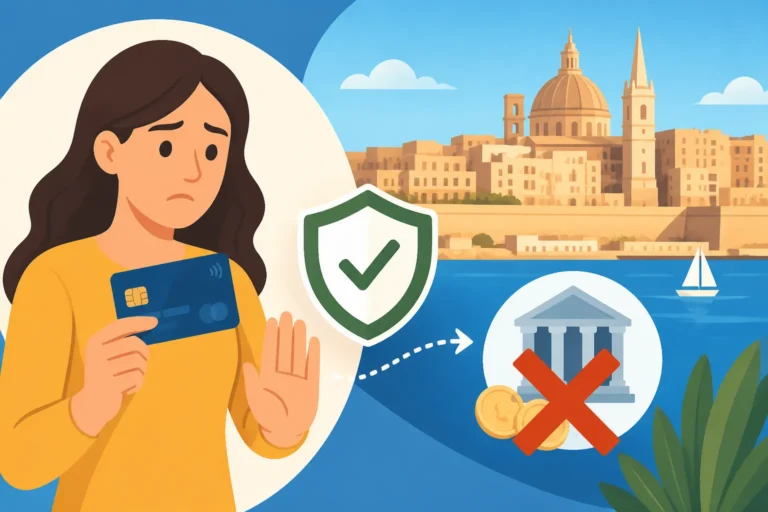
Foreign card usage and ATM withdrawals in Malta can accidentally trigger local tax liabilities on your foreign-sourced income.
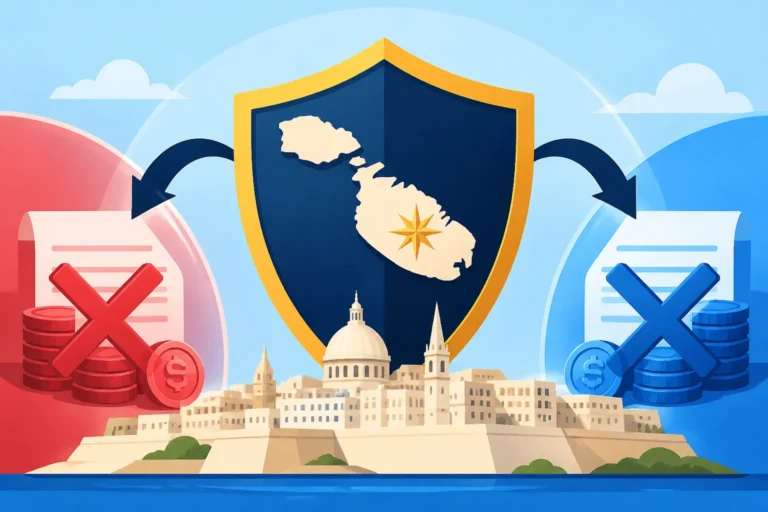
Malta double taxation agreements protect expatriate assets from overlapping global tax claims using tax credits, exemptions, and treaty tie-breaker rules.
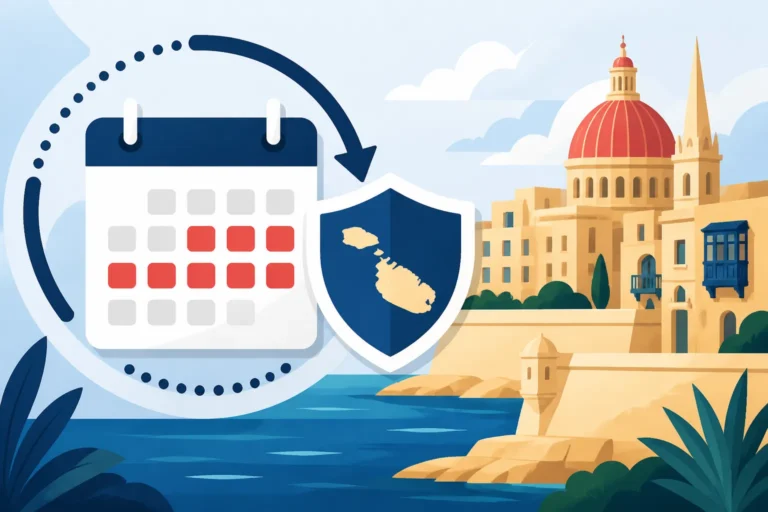
Malta tax residency rules apply when physical presence exceeds 183 days, shifting global obligations and determining local tax brackets.

International money transfers to Malta involve hidden fees and markups, but digital alternatives help avoid these high banking costs.
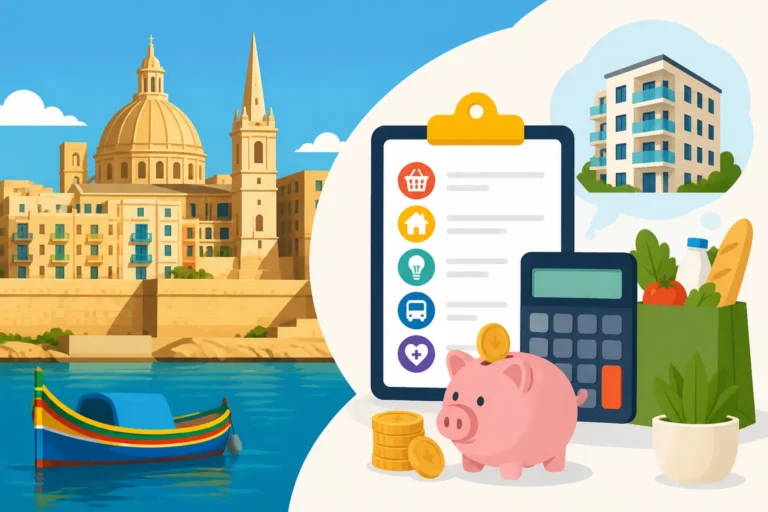
Malta living costs for newcomers include realistic monthly expenses for housing, utility bills, groceries, transport, and private healthcare insurance.

Maltese lenders assess financial health through manual vetting, local banking history, residency status, and strict debt-to-income limits.