What Are the Income Tax Brackets in Malta for 2026?
Malta income tax brackets for 2026 outline expected single, married, and parent rates, thresholds, and deductions for foreign and local residents.
Make your money work.
Banking, taxes, salary basics, payments, budgeting, and cost-of-living tips.

Malta income tax brackets for 2026 outline expected single, married, and parent rates, thresholds, and deductions for foreign and local residents.
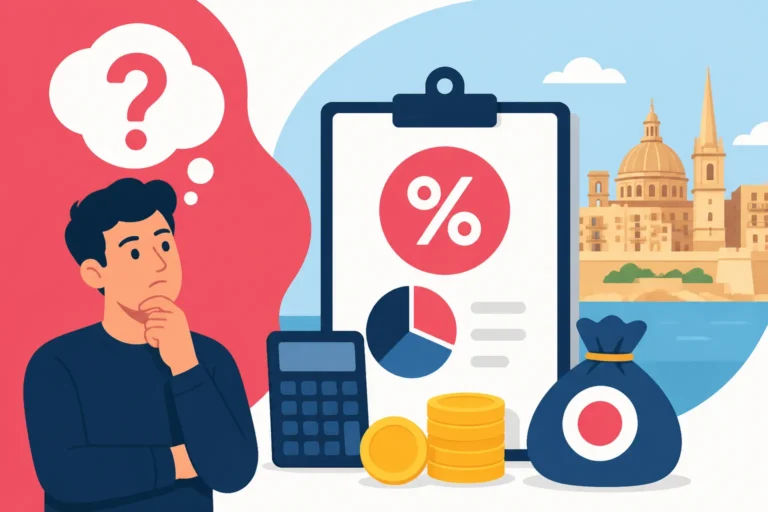
Malta income tax rules explain progressive tax rates, FSS deductions, and thresholds for single, married, and parent employment statuses.

Cash usage in Malta remains common for small independent shops, local markets, tradespeople, and traditional village festas.

Revolut financial accounts help expats manage daily Maltese spending and currency transfers, though traditional local banks remain necessary for salaries.

Traditional Maltese bank accounts require in-person branch visits, while digital alternatives offer remote setup for expats.

Foreign residents facing Maltese bank account rejections can learn why strict compliance regulations and documentation issues cause application failures.
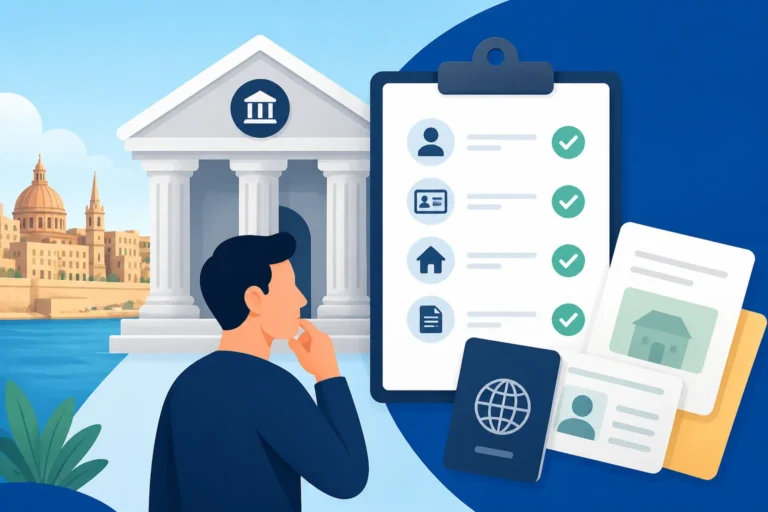
Maltese bank account documentation requirements include identity papers, a registered lease, employment contracts, and tax numbers for all applicants.

Maltese bank account opening times range from weeks to months, depending on your citizenship, documentation, and specific bank procedures.

Maltese banking options for foreigners include traditional institutions like HSBC, Bank of Valletta, APS Bank, and digital alternatives like Revolut.

Maltese bank account opening rules explain why newcomers need a residence permit and how digital alternatives bridge early financial gaps.