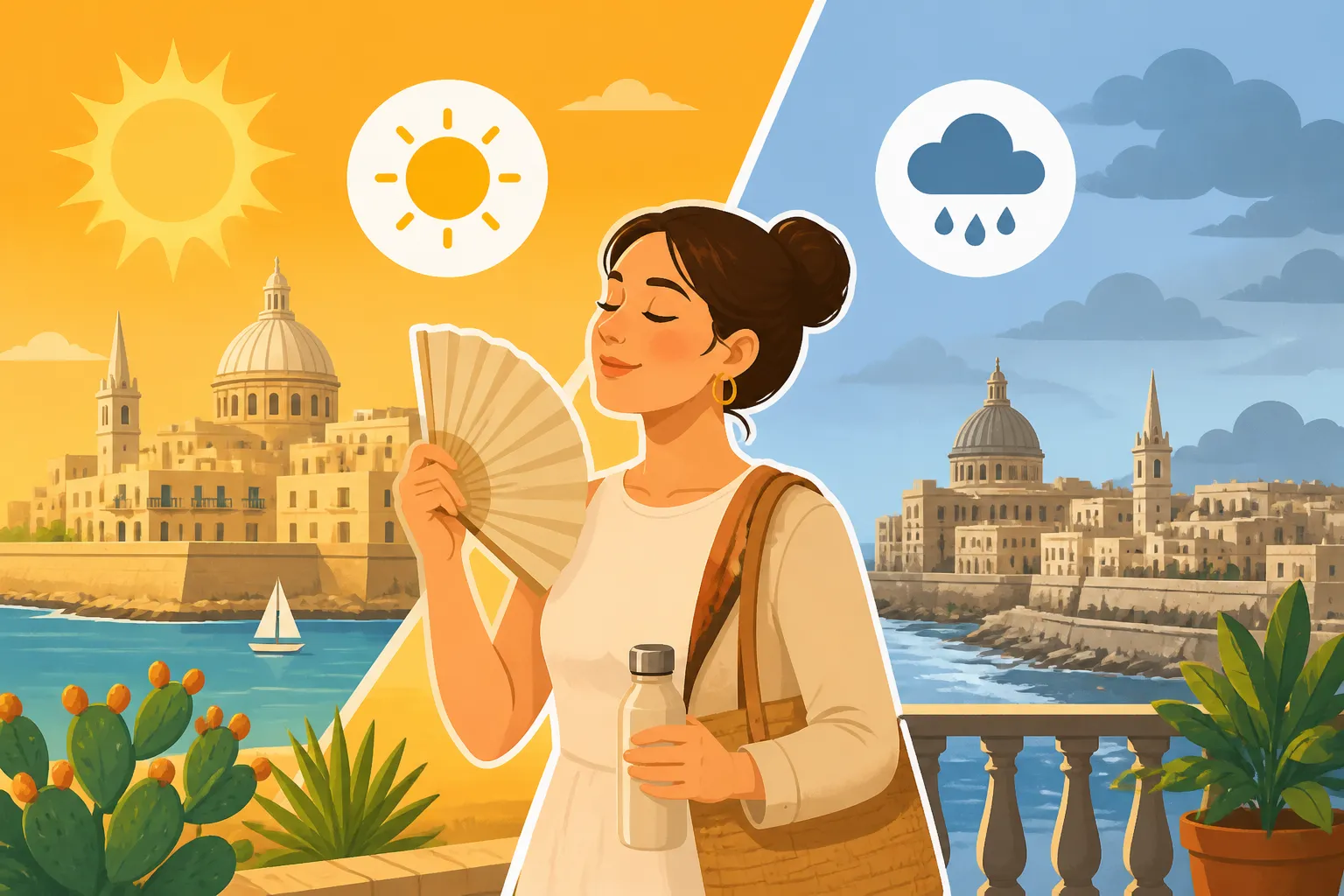
Coping with Malta’s Climate: Summer Heat, Humidity, and Winters
Ah, Malta's climate! If you're new here, you’re probably either basking in the glorious sunshine wondering why anyone ever complains, or you're deep into July, questioning every life choice you’ve ever made as the humidity wraps around you like a wet blanket. Or, perhaps, you've hit your first winter and are utterly baffled by how a place with "Mediterranean" in its description can feel so darn chilly indoors. This guide is going to walk you through the real Malta, season by season, offering practical, expat-tested advice on how to genuinely cope with the heat, humidity, and the surprisingly damp winters, so you can stop just surviving and start truly enjoying this beautiful island year-round.
The Maltese Summer: A Beautiful Beast
Let's be honest, the Maltese summer is often what draws us here, isn't it? The endless blue skies, the crystal-clear waters, the feeling of perpetual vacation. But then, reality hits, usually sometime in July, and you realise that "hot" is an understatement and "humid" is a way of life. It’s not just a season; it's an experience that demands adjustment.
Understanding the Heat and Humidity
Malta’s summers typically run from June through September, though the "shoulder" months of May and October can often feel just as summery. Average temperatures hover around 30-35°C (86-95°F), but that’s only half the story. The real kicker is the humidity. Being a small island in the middle of the Mediterranean, the air is constantly laden with moisture, especially when the Sirocco winds blow in from North Africa. This combination means the "feels like" temperature, or the heat index, can easily soar past 40°C (104°F).
What does this actually mean for your daily life? Well, imagine stepping out of an air-conditioned room into what feels like a hot, steamy shower – that's a typical Maltese summer afternoon. Even a short walk to the shop can leave you drenched in sweat. Sleeping can become a challenge if you’re not prepared, as the nights offer little respite from the warmth and the damp air. Simple tasks feel monumental, and you might find your energy levels plummeting if you try to maintain the same pace as in cooler climes. It’s not just about avoiding sunburn; it's about managing your entire physiological response to constant, oppressive heat and humidity.
Staying Hydrated and Beating the Sun
Hydration is paramount here, folks, and I can't stress this enough. You need to be constantly sipping water, even when you don't feel thirsty. Keep a water bottle with you at all times. Tap water is generally safe to drink in Malta, though many prefer filtered or bottled water for taste. Think about electrolyte drinks too, especially if you're sweating a lot, to replenish essential salts. We often hear advice like "drink water," but in Malta, it's a serious health directive. A helpful trick is to freeze a bottle of water overnight; it will gradually melt throughout the day, providing you with cool water for longer.
Timing is everything during the peak summer months. Plan your outdoor activities for early mornings before 10 AM or late evenings after 6 PM. The midday sun, roughly from 11 AM to 4 PM, is brutal. This is when you should be seeking shade, enjoying a leisurely lunch indoors, or taking a siesta like the locals (if your job allows!). When you do venture out, wear loose-fitting, light-coloured clothing made from natural, breathable fabrics like cotton or linen. A wide-brimmed hat and sunglasses are non-negotiable. And slather on that high-SPF sunscreen, reapplying frequently, even if you’re just running errands. Many newcomers get caught out by how quickly the sun can burn, even on an overcast day. Always carry an extra layer for air-conditioned places – the contrast can be quite sharp! For those who need to stay connected and navigate while out and about, especially when exploring new, sun-drenched areas, an eSIM from providers like Airalo can be incredibly handy to ensure you have data without worrying about local SIM card purchases in the heat.
Keeping Your Home Cool Without Breaking the Bank
This is where the rubber meets the road for many expats: keeping your living space habitable. Most modern apartments in Malta come with air conditioning, usually in at least the living area and main bedroom. If you're looking for a rental, make sure AC is high on your checklist. However, running AC can significantly drive up your electricity bill, so you’ll want to be smart about it. Check out our detailed guide on How Do I Cope with the Summer Heat in Malta? for more specific tips.
One energy-saving trick is to use AC to cool a room down quickly, then switch to a fan to maintain a comfortable temperature. Ceiling fans are brilliant for circulating air, and even a simple standing fan can make a huge difference, especially at night. Block out the sun during the day by keeping windows, shutters, and curtains closed. Traditional Maltese houses often feature thick stone walls and small windows, which naturally provide better insulation from the heat. If you're in a more modern, less insulated apartment, you might find that investing in good blackout curtains or blinds is a game-changer. Opening windows at night once the air outside has cooled slightly can help create a cross-breeze, but be mindful of mosquitoes – mosquito nets are your friend! For a deeper dive into home cooling costs, check out Do Maltese Apartments Have Air Conditioning? and explore ways to mitigate those expenses.
Surviving the Maltese Winter: Dampness and Chill
Many newcomers arrive in Malta expecting year-round warmth, a never-ending summer. The reality of a Maltese winter often comes as a rather unpleasant surprise. While it rarely snows and temperatures don't often dip below 10°C (50°F), the pervasive dampness and poorly insulated homes can make it feel much colder than the thermometer suggests.
The Reality of Maltese Winter Weather
Malta's winter typically runs from December to March. The "cold" isn't about freezing temperatures; it's about the kind of bone-chilling damp that seeps into everything. Imagine air that feels heavy with moisture, even indoors, combined with occasional strong winds (the Gregale can be fierce!) and heavy, albeit usually short-lived, rain showers. The average daytime temperature hovers between 12-18°C (54-64°F), dropping to around 7-12°C (45-54°F) at night.
What this translates to is a feeling of constant chill, particularly inside concrete apartments that were built to keep summer heat out, not to retain winter warmth. Windows are often single-glazed, and many homes lack central heating. The sun, while often present, isn't strong enough to completely cut through the chill once it's set. When the rain comes, it can be torrential, turning streets into rivers, but it usually passes quickly. The wind, however, can be relentless, especially in exposed areas, making you feel much colder than the temperature indicates. If you're interested in the specifics, our post on How Cold Does It Get in a Maltese Winter? provides a comprehensive overview.
Tackling Indoor Dampness and Cold
This is perhaps the biggest winter frustration for expats. Maltese homes, especially older ones, are often prone to dampness. The concrete structures absorb moisture, leading to condensation, mould growth, and that distinctive musty smell. You'll often find clothes in wardrobes feel perpetually slightly damp, and even bedding can feel clammy. This isn't just an inconvenience; it can impact your health, particularly for those with respiratory issues. For an in-depth look at this common expat complaint, read Why Do Maltese Homes Feel Damp in Winter?
To combat this, a good dehumidifier is your absolute best friend in winter. Run it constantly, especially in bedrooms and living areas. You’ll be amazed (and slightly horrified) by how much water it extracts from the air. Regular ventilation is also crucial: open windows for a short while each day, even if it's chilly, to air out the house. Wipe down condensation from windows and walls to prevent mould. For heating, most rely on portable electric heaters, gas heaters, or reverse-cycle air conditioning units. Electric heaters can be effective for small spaces, but they can be costly to run. Gas heaters provide good warmth but require good ventilation. Reverse-cycle AC units are often the most efficient option if your apartment has them. Don’t expect the dry, cosy heat of central heating systems you might be used to; it’s a different kind of warmth altogether.
Dressing for Winter and Outdoor Activities
The key to dressing for Maltese winter is layering. While you might start the day in a thick jumper, by midday, if the sun is out, you might be down to a t-shirt, only to pile the layers back on as soon as the sun dips. A waterproof and windproof jacket is essential for those rainy, windy days. Don't forget cosy socks and slippers for indoors, as floors can be surprisingly cold.
Despite the chill, Malta still offers plenty of opportunities for outdoor activities in winter. The hiking trails are at their most beautiful, bursting with green foliage and wildflowers. Coastal walks are invigorating, and exploring historical sites without the summer crowds and oppressive heat is a real treat. Just be sure to check the forecast for rain and wind before you head out, and dress accordingly. A warm scarf and hat are often useful, especially near the coast. Many expats actually prefer the cooler winter months for getting out and exploring the island, as the climate is much more forgiving for physical activity.
Transition Seasons: Spring and Autumn
While summer and winter grab all the attention, Malta also has two lovely, albeit brief, transition seasons: spring and autumn. These are often the 'goldilocks' periods, offering some of the most pleasant weather conditions for enjoying the island.
The Sweet Spot: Pleasant Spring Weather
Spring in Malta, typically from March to May, is a true delight. The island shrugs off its winter dampness and explodes into a vibrant green landscape, dotted with colourful wildflowers. The air is fresh, and temperatures are comfortably warm, ranging from 18-25°C (64-77°F). It's warm enough for t-shirts and light jackets, but not yet hot enough to feel oppressive.
This is arguably the best time to explore Malta, both for locals and tourists. Hiking, cycling, and sightseeing are incredibly enjoyable. The sea is still a bit chilly for many for swimming until late May, but the beaches are perfect for sunbathing and long walks. Evenings are mild and perfect for al fresco dining. If you're planning your move, arriving in spring allows you to settle in and explore before the intense summer heat hits, giving you a gentler introduction to the climate.
Autumn: A Lingering Summer with a Twist
Autumn in Malta, from October to November, often feels like a continuation of summer, but with a slight edge. The sea remains warm well into October, making it ideal for swimming and watersports without the scorching air temperatures of July and August. Daytime temperatures often hover around 22-28°C (72-82°F).
However, autumn is also when Malta starts to experience its first proper storms after the long, dry summer. These can be quite dramatic, with heavy rain and strong winds, but they usually clear quickly, leaving behind fresh, clear air. The weather becomes more unpredictable, with sunny, warm days interspersed with cooler, stormier periods. It's a great time for those who enjoy the lingering warmth but appreciate a bit of variety in the weather. Packing a light jacket and an umbrella becomes advisable, even if you’re still wearing shorts during the day.
Health and Well-being in Malta's Climate
Living in a new climate, especially one as distinct as Malta's, inevitably brings its own set of health considerations. Being prepared and understanding the potential pitfalls can save you a lot of discomfort and even serious health issues.
Common Climate-Related Health Issues
The summer heat and humidity can lead to several common problems. Dehydration is a constant threat, and if not managed, can escalate to heat exhaustion and even heatstroke, which is a medical emergency. Symptoms include dizziness, headaches, nausea, excessive sweating (or surprisingly, a lack of sweating in severe heatstroke), and confusion. Children and the elderly are particularly vulnerable. Sunburn is also rampant, increasing your risk of skin damage and cancer over time, so consistent sun protection is key.
In winter, the dampness can exacerbate respiratory conditions like asthma and allergies, and it certainly doesn't help with aches and pains! The cold indoors can also lead to more common colds and flu-like symptoms. Mould, a direct consequence of indoor dampness, can trigger allergic reactions and respiratory problems for many. Remember, your body needs time to adjust. If you feel unwell, don’t hesitate to seek medical advice. Our guide on Finding a Doctor in Malta: GPs, Specialists, and the Referral System can help you navigate the local healthcare system.
Acclimatization and Adjusting to Local Life
One of the most important things to remember is that your body needs time to acclimatise. Don't expect to jump off the plane in July and immediately embark on an energetic sightseeing tour. Take it easy for the first few weeks, especially in summer. Gradually increase your exposure to the heat, and listen to your body. Locals have grown up with this climate, and they have adapted their routines over generations. You'll notice many Maltese become far less active during the hottest parts of the day.
Embrace the slower pace of life during summer. This isn't just a cultural quirk; it's a physiological necessity. Siestas, leisurely meals, and evening strolls (known as passeggiata) are not just traditions; they are practical ways to manage the heat. For newcomers, understanding and accepting these adaptations is crucial. It’s also important to build a social support network. Sharing tips and frustrations with fellow expats can be incredibly validating, especially when you’re dealing with things like that persistent winter damp or the relentless summer sun. Find out more about connecting with others in How Do I Find Other Expats in Malta? as having a community makes adjusting to any aspect of life here much easier.
Preparing Your Home and Life for the Year Ahead
Being proactive about Malta's climate will save you a lot of grief. It’s not about fighting the weather but about learning to live harmoniously with it. A little foresight goes a long way, whether it's setting up your home or planning your wardrobe.
Essential Home Upgrades and Purchases
When you move into a new rental, assess its climate readiness. Does it have decent air conditioning? Are there ceiling fans? Are the windows single or double glazed (the latter is rare but a huge bonus)? If not, you might need to invest in some key items. For summer, powerful standing fans or even a portable evaporative cooler can offer relief if AC isn't sufficient or available.
For winter, a good quality dehumidifier is arguably the most important purchase you’ll make. You can find these at electronics stores across the island, like Electra or Forestals, or even larger supermarkets. Portable heaters, typically electric or gas, are also widely available. Consider mould-resistant paint for problem areas if you're allowed to make minor changes. When packing for your move, if you're using international movers like Sirelo, make sure to consider these seasonal needs – perhaps bringing certain specific clothes or even a small dehumidifier if you know you’re sensitive to dampness. Thinking ahead will help you make more comfortable choices from day one.
Planning Your Wardrobe and Daily Routine
Your wardrobe in Malta will likely be a year-round mix. For summer, think light, breathable fabrics: cotton, linen, rayon. Pack plenty of shorts, t-shirts, dresses, and swimwear. But also remember a light cardigan or shawl for overly air-conditioned indoor spaces or cooler evenings. In winter, layers are key. Thermal base layers, fleece jackets, waterproof outer shells, and warm socks will become staples. Don't forget that cosy indoor wear like tracksuits or thick jumpers for those chilly evenings at home, as heating isn't always robust.
Adjusting your daily routine is also vital. During summer, embrace the Mediterranean rhythm: early mornings, quiet afternoons, and lively evenings. In winter, you might find yourself gravitating towards indoor activities more, though crisp, sunny winter days are perfect for exploring. Consider how your commute might be affected by weather – driving in torrential rain can be challenging, and buses might run late. Planning allows you to adapt seamlessly, making the climate a part of your experience rather than a constant battle.
Navigating Utilities and Costs
Understanding how your climate control impacts your utility bills is crucial for budgeting in Malta. Many expats are surprised by their first ARMS bill, especially after a hot summer or a damp winter.
Understanding Utility Bills ARMS
Electricity and water are managed by ARMS Ltd. in Malta, and the billing system can be a bit confusing for newcomers. The tariffs are tiered, meaning the more you consume, the higher the rate you pay per unit. This system is designed to encourage energy conservation. The highest residential tariff applies if your property is not correctly registered as your primary residence, meaning you could be paying a much higher rate. This is a common pitfall for new expats. You absolutely need to ensure your utility account is registered under the correct residential tariff, otherwise, you'll be paying commercial rates, which are significantly higher. Our guide on Understanding Tiered Utility Tariffs and Registered Residents in Malta dives deep into this, and I highly recommend reading it.
Air conditioning and portable heaters are significant energy consumers. Running AC units for extended periods in summer, or relying heavily on electric heaters in winter, will see your bills soar. Many locals and long-term expats have learned to use these judiciously. Understanding your consumption patterns and knowing how to read your bill can help you stay on top of costs. Our article on How Do I Set Up Electricity and Water When I Move in Malta? provides initial steps, but getting your tariff right is the real money-saver.
Energy-Saving Tips for Climate Control
Smart energy usage is key to keeping costs down while staying comfortable. In summer, as mentioned, use AC efficiently: cool a room, then switch to fans. Ensure your AC unit filters are clean, as this improves efficiency. Close windows and doors when the AC is running. Utilize natural ventilation with cross-breezes during cooler parts of the day or night. For water, take shorter showers, especially as water resources are precious here.
In winter, the same principles apply. Use dehumidifiers strategically, emptying them regularly. For heating, focus on heating only the rooms you are using. Dress warmly indoors to reduce the need for constant heating. If you have gas heaters, ensure good ventilation. Switching off lights and electronics when not in use also contributes to overall savings. While Malta's climate can be demanding on your energy consumption, adopting conscious habits will allow you to maintain comfort without breaking the bank. For a broader financial context, consider reading Cost of Living in Malta: Budgeting for the Real Numbers to help balance your utility expenses with other living costs.
| Season | Typical Temperatures (°C/°F) | Key Challenge | Coping Strategy (Home) | Coping Strategy (Personal) |
|---|---|---|---|---|
| Summer (June-Sep) | 30-35°C / 86-95°F (feels like 40°C+) | Extreme Heat & Humidity | AC, fans, blackout curtains, open windows at night, close during day | Hydration, light clothing, avoid midday sun, hats/sunscreen |
| Autumn (Oct-Nov) | 22-28°C / 72-82°F | Lingering heat, increasing storms | Ventilate after storms, light heating if needed | Layering, continue swimming, umbrella handy |
| Winter (Dec-Mar) | 12-18°C / 54-64°F | Dampness, indoor chill, wind | Dehumidifier, portable heaters/AC, ventilate daily, seal drafts | Layering, warm indoor clothes, waterproof outerwear |
| Spring (Mar-May) | 18-25°C / 64-77°F | Pleasant, occasional cooler days | Minimal heating/cooling needed | Light layers, enjoy outdoors, start swimming late May |
Disclaimer
The information provided in this article is intended for general guidance and informational purposes only, and does not constitute professional advice. While we strive to provide accurate and up-to-date information, local regulations, policies, and conditions in Malta can change frequently. Always consult with relevant local authorities, service providers, or professionals for specific advice tailored to your individual circumstances. We cannot be held responsible for any inconvenience or loss arising from the use of this information.