How Do Well-Baby Clinics Work in Malta?
Bringing a new baby into the world is an incredible journey, and doing it in a new country adds a whole other layer of planning and sometimes, a fair bit of head-scratching. I remember feeling a bit lost when my eldest was born here, trying to figure out where to go for those essential early check-ups. Thankfully, Malta has a structured system of Well-Baby Clinics designed to support parents and ensure little ones get the best start. This guide will walk you through exactly how these clinics work, what services they offer, and how to navigate them as an expat parent.
Understanding Malta's Well-Baby Clinic System
When you're a new parent, especially in a foreign land, it's comforting to know there's a dedicated place for your baby's health needs. Malta's Well-Baby Clinics are exactly that – a cornerstone of preventative health for infants and young children, playing a crucial role in their early development and wellbeing. They're designed to be a consistent point of contact for routine health assessments, vaccinations, and general advice, ensuring your little one thrives.
What are Well-Baby Clinics?
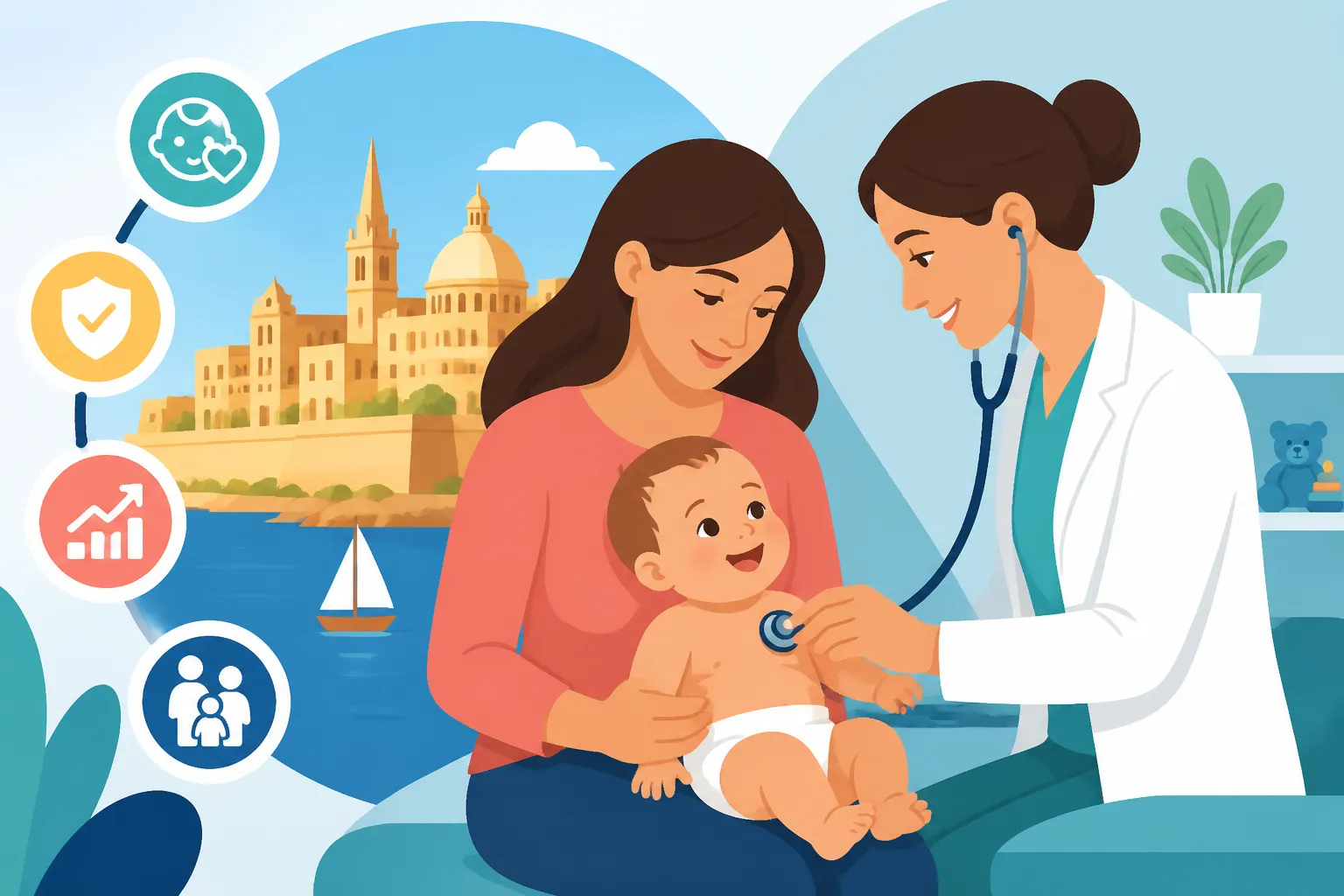
Well-Baby Clinics in Malta are part of the public healthcare system, offering free services to all entitled residents. Think of them as your primary point of contact for your baby's regular health and developmental checks, distinct from a general practitioner visit for illness. They focus on prevention, growth monitoring, immunisation, and providing essential guidance to parents on everything from feeding to safety. These clinics are typically run by a team of dedicated healthcare professionals, primarily community nurses and health visitors, sometimes with access to a paediatrician for more complex cases. They are community-based, usually found within or alongside local health centres, making them accessible to families across the islands.
These clinics are not just about medical checks; they're also a vital support system. As new parents, we all have a million questions, and these clinics provide a safe space to ask them without feeling like you're bothering your GP with non-urgent concerns. They empower parents with knowledge and confidence, which is invaluable when you're navigating parenthood away from your usual support network. They are an essential part of Children's Health in Malta: Well-Baby Clinics, Vaccinations, and School Health.
Who is Eligible for Services?
Eligibility for Well-Baby Clinic services largely mirrors the broader public healthcare entitlement in Malta. Generally, if you, as the parent, are registered for public healthcare in Malta, your baby will also be entitled to these services. This typically means you are either an EU/EEA/Swiss national residing in Malta, or a third-country national holding a valid residence permit and contributing to social security. Your child will need to be officially registered for healthcare, often after obtaining their Maltese ID card number. It’s important to clarify your family's entitlement early on to avoid any confusion or unexpected costs. Many parents wonder, "Are My Children Covered by Maltese Healthcare Through Me?", and the answer is generally yes, once proper registration is complete and your own entitlement is established.
For those on certain visa-based permits, such as the Nomad Residence Permit, or those who haven't yet secured full public healthcare entitlement, private alternatives or ensuring you have comprehensive private health insurance like that offered by SafetyWing, which covers dependents, is crucial. While Well-Baby Clinics are public, having a backup plan for broader paediatric care or if public services are temporarily inaccessible for any reason, provides immense peace of mind. Without proper entitlement, while emergency services are always provided, routine care might incur charges.
The Role of the Community Midwife and Health Visitor
The journey through early parenthood in Malta is often guided by community midwives and health visitors, who are absolute gems. After your baby is born, a community midwife will typically visit you at home in the days following discharge from Mater Dei Hospital. These initial visits are incredibly helpful, offering support with breastfeeding, wound care if you've had a C-section, and generally checking on both you and the baby. They are often your first direct link to the community health services.
Once the initial post-natal period is over, the health visitor takes over a more long-term role. Health visitors are specialised nurses who focus on child development, family health, and preventive care from birth up to school age. They are the primary healthcare professionals you'll interact with at Well-Baby Clinics. They conduct the routine checks, administer vaccinations, and provide a wealth of advice on nutrition, safety, sleep, and developmental milestones. They also play a crucial role in identifying any potential health or developmental concerns early on, and can refer you to specialists if needed. Their empathetic approach and deep understanding of family dynamics make them invaluable resources for expat parents adjusting to life in Malta.
Accessing Well-Baby Clinic Services: Registration and Appointments
Getting your baby into the system might feel like another bureaucratic hurdle in Malta, but it’s a straightforward process once you know the steps. The key is timely registration and understanding how appointments are scheduled. Don't worry, many of us have navigated this, and it's definitely achievable.
Getting Your Child Registered for Healthcare
The first step to accessing Malta’s Well-Baby Clinics is ensuring your child is officially registered within the Maltese healthcare system. This typically begins shortly after birth. If your baby is born in Malta, their birth will be registered at the Public Registry, and they will be issued a birth certificate. Following this, you'll need to apply for their eResidence Card and consequently, their Maltese ID card number. This number is absolutely vital for accessing public services, including healthcare. It's essentially your child's passport to the system. You can learn more about Getting Your Maltese ID Card Number: The Key to Accessing Healthcare.
Once your child has their ID card number and you have your own health entitlement sorted (usually through social security contributions), you can proceed to register them with a local health centre. This process usually involves visiting your nearest health centre with your child's birth certificate, your own eResidence card, and their eResidence card. They will then be assigned to that health centre, which in turn grants them access to the Well-Baby Clinic services associated with it. You can find detailed steps on How Do I Register a Newborn for Healthcare in Malta?
Booking Your First Appointment
Booking your first Well-Baby Clinic appointment usually happens automatically or is initiated by the community midwife. After your discharge from the hospital, the community midwife will often give you details for your first post-natal check-up for the baby, which is usually held at your local health centre's Well-Baby Clinic. If you don't receive this information, don't hesitate to call your nearest health centre directly and ask about their Well-Baby Clinic schedule and how to book. They will guide you through the initial booking process.
Subsequent appointments are usually scheduled at the end of each visit, following a routine schedule recommended by the national health guidelines. It's a good idea to keep a calendar or a dedicated notebook for these appointments, as they are crucial for your baby's ongoing health monitoring and vaccinations. Be prepared for potential waiting times, as the public clinics can get busy, but the care provided is comprehensive.
Preparing for Your Clinic Visit
Preparation can make your Well-Baby Clinic visits much smoother. Here’s a little checklist based on my own experience:
- Documentation: Always bring your baby's 'Yellow Card' (the Child Health Record book), their eResidence card, and yours. The Yellow Card is their official health record, where all vaccinations, growth measurements, and developmental notes are recorded. It’s incredibly important.
- Diaper Bag Essentials: Pack all the usual baby necessities: plenty of nappies, wipes, a changing mat, spare clothes, and a bottle or breast milk if needed. There are changing facilities, but it’s always better to be self-sufficient.
- Comfort Items: A favourite toy or blanket can distract and comfort your baby during examinations or vaccinations.
- Questions List: It's easy to forget your concerns once you're there. Jot down any questions you have about your baby's feeding, sleep, development, or your own wellbeing beforehand.
- Vaccination Information: If it’s a vaccination appointment, be ready to discuss any past reactions or concerns. The healthcare professionals will also explain potential side effects.
| Age of Visit | Primary Focus (General) | Key Services Provided |
|---|---|---|
| Newborn | Post-natal check, feeding | Weight check, feeding support, jaundice check |
| 2 Months | First major check-up | Physical exam, first set of vaccinations |
| 3 Months | Second major check-up | Physical exam, second set of vaccinations |
| 4 Months | Third major check-up | Physical exam, third set of vaccinations |
| 6 Months | Developmental review | Growth, motor skills, social interaction |
| 12 Months | One-year check-up | Physical exam, final routine vaccinations (MMR) |
| 18 Months | Toddler development | Speech, mobility, problem-solving |
| 2 Years | Comprehensive review | Overall development, parental guidance |
Note: This table provides a general overview. Specific schedules and services may vary slightly and will be detailed in your baby's Yellow Card and by clinic staff.
What to Expect at Your Well-Baby Clinic Visits
Well-Baby Clinics in Malta follow a structured approach to ensure comprehensive care and monitoring for your child. Each visit has a purpose, focusing on different aspects of your baby’s health and development as they grow. It’s a bit like a roadmap for healthy childhood.
Routine Check-ups and Developmental Milestones
At each scheduled visit, your baby will undergo a series of routine check-ups. These typically involve:
- Growth Monitoring: Your baby's weight, height (or length), and head circumference will be measured and plotted on growth charts. This helps track their growth trajectory and ensures they are developing at a healthy pace. Any significant deviations will be discussed and potentially investigated.
- Physical Examination: A community nurse or health visitor will perform a general physical examination, checking for any visible health concerns, listening to their heart and lungs, and assessing reflexes.
- Developmental Assessment: This is a crucial part of the visit. The health visitor will talk to you about your baby's milestones, such as smiling, rolling over, sitting up, babbling, and later, walking and talking. They'll ask questions and observe your baby to ensure they are meeting age-appropriate developmental benchmarks. These assessments are not about comparison, but about ensuring your child's development is on track.
- Hearing and Vision Checks: Basic screening for hearing and vision are also part of the routine, especially in the earlier months, to catch any potential issues early.
These check-ups are also a prime opportunity for you to raise any concerns you might have about your baby's health or development. No question is too small or silly, and the clinic staff are there to provide reassurance and expert advice.
Malta's National Immunisation Schedule for Infants
One of the primary functions of the Well-Baby Clinics is the administration of routine childhood vaccinations. Malta follows a National Immunisation Schedule designed to protect children from a range of serious infectious diseases. These vaccinations are offered free of charge to all entitled children and are crucial for public health.
The schedule typically begins with vaccines against diseases like diphtheria, tetanus, pertussis (whooping cough), polio, Haemophilus influenzae type b (Hib), rotavirus, and pneumococcal disease in the early months. Later, vaccines like the Measles, Mumps, and Rubella (MMR) vaccine are administered around the 12-month mark. The health visitor will carefully explain each vaccine, its purpose, and any potential side effects. They will also record every vaccine meticulously in your baby’s Yellow Card. For a comprehensive breakdown, you should refer to The National Immunisation Schedule for Children in Malta. It's essential to adhere to this schedule to ensure your child receives full protection, and the clinic staff will help you keep track of upcoming doses.
Nutritional Guidance and Parental Support
Beyond physical checks and vaccinations, Well-Baby Clinics provide invaluable nutritional guidance and general parental support. This is particularly helpful for new parents navigating the often-overwhelming world of infant feeding.
- Breastfeeding Support: If you choose to breastfeed, the health visitors and community nurses offer support, advice on latching, milk supply, and troubleshooting common issues. They can also connect you with local breastfeeding support groups.
- Formula Feeding Advice: For parents who choose formula feeding, they provide guidance on safe preparation, appropriate formulas, and feeding schedules.
- Introduction to Solids: When your baby is ready to start solids, usually around six months, the clinic will offer advice on what foods to introduce, how to prepare them, and how to safely transition your baby to a varied diet. They'll also discuss preventing allergies and choking hazards.
- General Parenting Advice: This can range from safe sleep practices and accident prevention to managing minor illnesses at home, dealing with colic, or understanding your baby’s sleep patterns. They are a fantastic source of practical, evidence-based advice for everyday parenting challenges. They also provide emotional support, acknowledging the stresses and joys of new parenthood, which is particularly vital for expats who might feel isolated from their usual networks.
Integrating Well-Baby Care with Broader Healthcare in Malta
While Well-Baby Clinics are excellent for routine preventative care, it's important to understand how they fit into the wider healthcare landscape in Malta. There will be times when your baby needs a different kind of medical attention, and knowing when and where to go is key.
When to See Your GP Instead
Well-Baby Clinics are designed for healthy child checks and vaccinations, not for treating illness. If your baby is unwell – for example, with a fever, persistent cough, vomiting, diarrhoea, or any other symptom of illness – your first port of call should be your General Practitioner (GP). Your GP is equipped to diagnose and treat acute illnesses and can provide prescriptions if necessary. Don’t wait for a Well-Baby Clinic appointment if your child is sick; contact your registered GP or visit a health centre for an urgent doctor's consultation. Remember, these clinics are for "well babies," hence the name. You can find guidance on Finding a Doctor in Malta: GPs, Specialists, and the Referral System if you haven't yet registered a family doctor.
For emergencies, you should always go to the Accident & Emergency department at Mater Dei Hospital or call 112. It's crucial to distinguish between routine care, illness, and emergency situations.
Connecting with Paediatric Specialists
Occasionally, during a Well-Baby Clinic check-up, a health visitor might identify a concern that requires further investigation by a specialist, such as a paediatrician, an audiologist, or a physiotherapist. In such cases, they will initiate a referral to the appropriate specialist within the public healthcare system. This referral process typically goes through your GP, who will then formally refer your child to a public hospital or clinic.
Public specialist appointments can sometimes involve waiting lists, which is a common frustration for many expats. If you have private health insurance or prefer to bypass the public waiting times, you always have the option of seeking a private paediatrician or specialist directly. Many private clinics offer immediate appointments, providing quicker access to expert opinion. Brands like SafetyWing, if you have their comprehensive expat health insurance, could help cover the costs of such private consultations, offering a valuable alternative for timely specialist access. This choice often depends on the urgency of the concern and your personal preference for public versus private care.
Importance of Continued Health Entitlement
For you and your child to continue receiving free or subsidised public healthcare services, including those at Well-Baby Clinics, maintaining your health entitlement is paramount. This means ensuring your residence permit is always valid, and for most employed or self-employed individuals, consistently paying your social security contributions. Any lapse in your permit or contributions could affect your access to public healthcare services, potentially leading to charges for consultations, treatments, or medicines.
It's a good practice to periodically check your social security and Identità status to ensure everything is up-to-date. Renew your residence permits well in advance, and if you have any doubts about your entitlement, contact the Entitlement Unit within the Department of Health. They can clarify your status and guide you through any necessary steps to ensure seamless access to all the fantastic public health services Malta offers for your family. Understanding How Malta's Public Healthcare Works: Entitlement, Contributions, and Costs is essential for all foreign residents.
Disclaimer
Please note that while this guide provides comprehensive information based on current practices and available public knowledge regarding Well-Baby Clinics in Malta, healthcare regulations and services can change. This information is for general guidance only and should not be considered legal or medical advice. Always consult with official Maltese health authorities or a qualified healthcare professional for personalised advice regarding your specific circumstances.