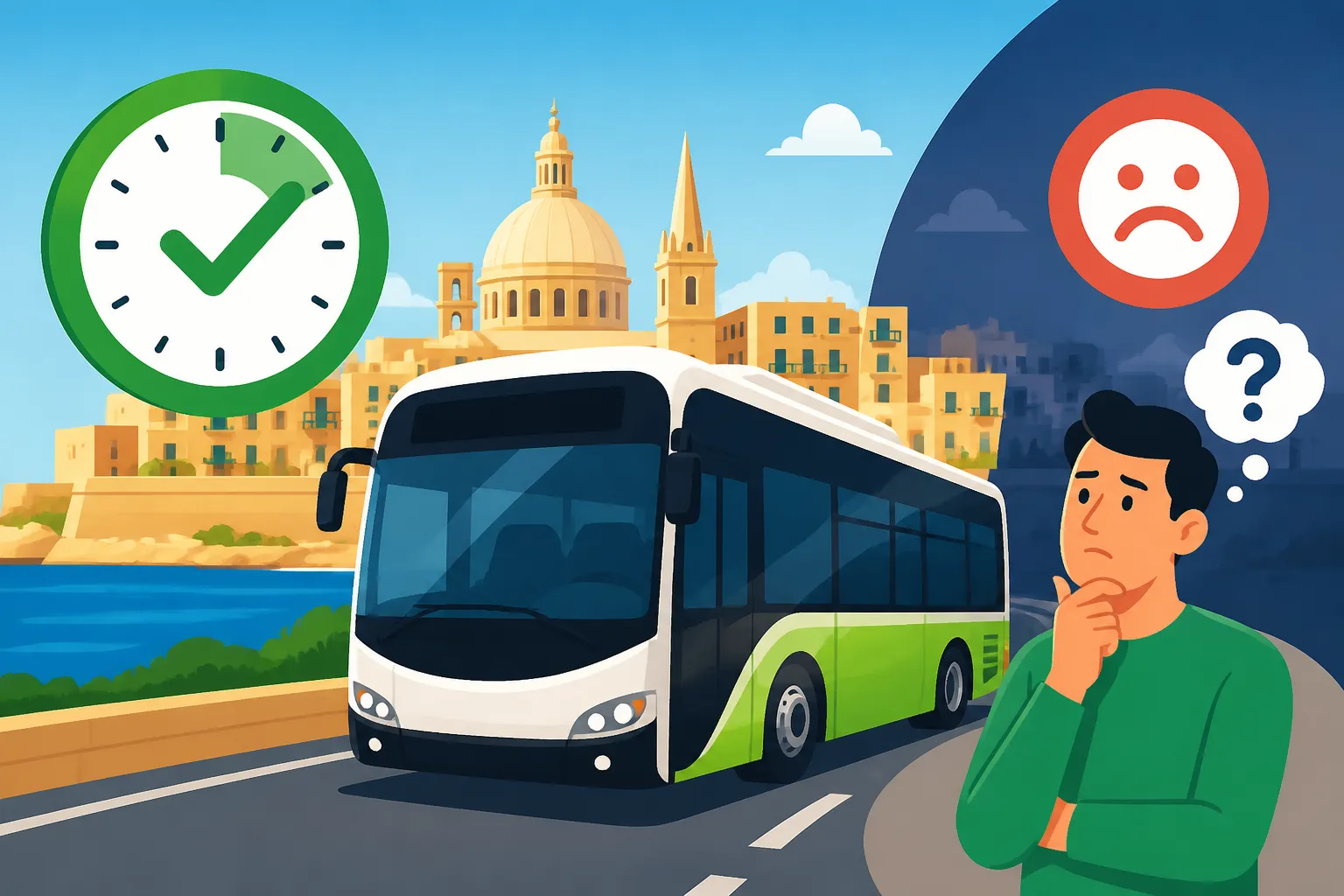
How Reliable Are the Buses in Malta?
Oh, the buses in Malta! It's one of those topics that brings out a collective sigh from pretty much every expat who’s lived here longer than a week. You’ve probably heard stories, or maybe you’ve already had a few eyebrow-raising experiences yourself. The simple question, "How reliable are the buses in Malta?" doesn't have a simple answer, and that's precisely why we're diving deep into the messy, charming, and often frustrating reality of getting around this beautiful island on public transport.
The Reality of Malta's Bus Service: Expectations vs. Experience
Let’s be honest, when you move to a new country, you often hope for a public transport system that’s a well-oiled machine, ferrying you smoothly from A to B with Swiss-clock precision. In Malta, you need to adjust those expectations a bit. The island's bus service, operated by Malta Public Transport, is certainly comprehensive, covering almost every corner of Malta and Gozo. It’s affordable, often free for residents, and offers a unique window into local life. But "reliable" can be a loaded term here.
Why Reliability is a Mixed Bag: Traffic, Roads, and Routes
The biggest culprit behind any perceived unreliability is Malta’s inherent geography and infrastructure. This is a small, densely populated island with an ever-increasing number of cars on the road.
First, traffic congestion is a daily beast, especially during rush hours in areas like Birkirkara, Marsa, and the Sliema/St. Julian's corridor. Imagine trying to keep a bus schedule when you’re stuck in a snail’s-pace crawl for what feels like an eternity. It’s simply not possible. A 15-minute journey can easily become 45 minutes, and that throws the entire schedule off for subsequent stops.
Then there are the roads themselves. Many are narrow, winding, and sometimes heavily potholed. Buses, being large vehicles, often struggle to navigate these smaller streets, especially when cars are parked haphazardly or double-parked. Accidents, even minor fender-benders, can cause significant delays that ripple across the network.
Finally, the bus routes themselves are designed to connect every village, often taking circuitous paths. While this is great for coverage, it means that a delay on one part of a route can affect dozens of stops down the line. Add in the frequent roadworks and diversions that pop up across the island – it often feels like there’s always some construction happening – and you start to understand the challenge. It’s not necessarily that the buses aren't running; it’s that they are often running late.
What 'On Time' Really Means in Malta: A Local Perspective
If you’re coming from a country where "on time" means within two minutes of the scheduled arrival, you’ll need a quick recalibration in Malta. Here, "on time" is a more fluid concept. A bus arriving 10-15 minutes late is often considered par for the course, particularly during peak times or bad weather. Locals are generally accustomed to this, often adding a generous buffer to their travel plans.
For new expats, this can be incredibly frustrating. You might check a schedule, arrive at the bus stop five minutes early, and then wait 30 minutes, only to find two buses for the same route arrive back-to-back. It happens. It’s a part of the Malta experience, and honestly, embracing a bit of patience and a "ma jimpurtax" (it doesn’t matter) attitude will save you a lot of stress. Don't fall into the trap of thinking you’ve missed it after a few minutes; sometimes the tracker is off, or the bus is simply held up somewhere you can't see.
Navigating the System: Tools and Strategies for Expats
While the bus system might test your patience, it's far from unusable. With the right tools and strategies, you can significantly improve your experience. Trust me, I’ve had my fair share of missed connections and unexpected detours, but I’ve also found ways to make it work.
Essential Apps and Digital Aids for Tracking Buses
Forget about paper timetables tacked to bus stops – they're often optimistic and rarely updated in real-time. Your smartphone is your best friend when it comes to Maltese buses.
The Tallinja App (Malta Public Transport's official app) is absolutely indispensable. It offers real-time tracking for buses, showing you exactly where your bus is on a map and giving estimated arrival times. While not 100% accurate 100% of the time – it can sometimes get confused if a bus is significantly diverted or delayed – it's still the most reliable source of information. You can search for routes, find nearby stops, and even check your Tallinja card balance. Having a reliable mobile data plan is key for this, and many expats find an eSIM from providers like Airalo incredibly useful for staying connected right from the moment they land, ensuring they can access these vital apps immediately.
Beyond the official app, Google Maps is another fantastic tool. Its public transport directions are generally good, and it integrates real-time data from Malta Public Transport. It can also suggest alternative routes or combinations of buses if your primary choice is experiencing heavy delays. Always cross-reference with the Tallinja App for the most up-to-date tracking information.
Here’s a tip: Before you head out, check the app. If your bus is showing a 30-minute delay, you can decide if you have time for a coffee, or if you need to quickly pivot to an alternative transport method like a ride-hailing service.
The Tallinja Card: Your Key to Seamless (Mostly) Travel
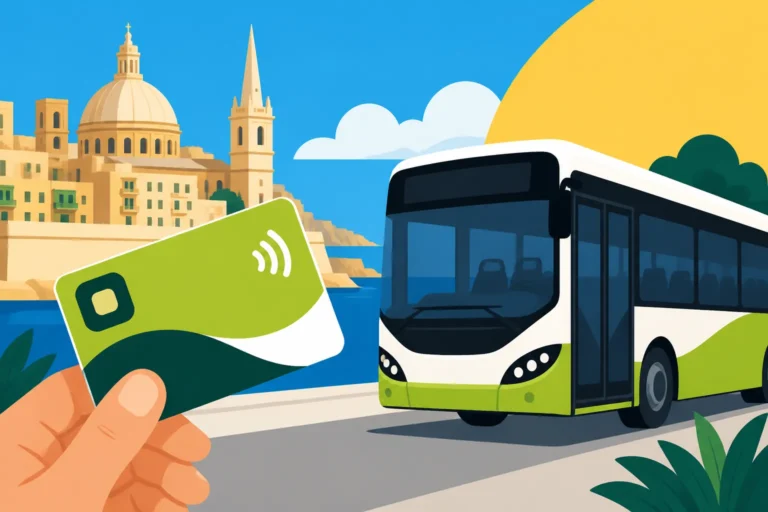
The Tallinja card is an absolute game-changer for anyone planning to use Maltese public transport regularly. Once you’re a registered resident, you can apply for a personalised card which, since 2022, makes all your bus journeys completely free! This significantly reduces the stress of reliability, as you're not paying per journey.
To get one, you’ll need your Maltese ID card number and a photo. You can apply online via the Malta Public Transport website. The process is straightforward, though like many administrative tasks in Malta, it requires a bit of patience for it to arrive. Once you have it, simply tap it on the reader when you board the bus. You can find more detailed information on how to get one in our guide, "How Do I Get a Tallinja Card in Malta?".
Even if you’re not a resident yet, or you're here on a short-term visit, you can get a regular Tallinja card and load it with credit, which offers cheaper fares than buying single tickets on board. It’s a small investment that makes life much easier. For more information on the cost, check out "Is Public Transport Really Free in Malta?".
Planning Your Journey: Understanding Routes and Frequencies
Malta’s bus network is extensive, but understanding the different types of services can help you plan better.
- Standard Routes: These are the backbone of the system, connecting towns and villages. They tend to have more stops and can be slower. Frequencies vary greatly – major routes connecting Valletta, Sliema, and St. Julian's are quite frequent (every 10-20 minutes), while routes to smaller villages might run only once an hour or less.
- Express Routes (X-Buses): These routes typically connect key hubs like Mater Dei Hospital, the airport, and major tourist areas. They have fewer stops and are designed to be faster, though they are still susceptible to traffic.
- Night Routes (N-Buses): Operating on Friday and Saturday nights, these routes serve entertainment hotspots and connect them to various residential areas. Fares are higher for night routes, and frequencies are much lower.
When planning, especially for appointments or flights, always check the frequency of your chosen route. If a route runs every 60 minutes, a 20-minute delay means you’ve lost a significant chunk of time, and potentially an hour if you miss it entirely. Knowing this helps you decide if you need to leave earlier or consider an alternative.
Common Pain Points and Practical Workarounds
Even with all the apps and cards, there are still a few quirks to Malta's bus system that can catch new arrivals off guard. Learning these and having a few workarounds up your sleeve will save you a world of hurt.
The 'Full Bus' Dilemma and Skipping Stops
This is perhaps one of the most maddening experiences: you’re waiting patiently at your stop, the bus finally arrives, and it sails right past because it’s already packed to the brim. Yes, unfortunately, if a bus is deemed full, particularly at peak times from popular areas like Sliema or Valletta, the driver is permitted to skip stops. They simply can’t legally or safely take on more passengers.
This is especially common during the summer months when tourist numbers swell, or during school rush hours. It’s frustrating, and often leaves you feeling stranded.
Workarounds:
- Go One Stop Back: If feasible, consider walking a stop or two in the opposite direction of your journey. You might catch the bus before it becomes completely full. This isn't always practical, but it can be a lifesaver in high-traffic areas.
- Allow Extra Time: This sounds obvious, but seriously, if you have a critical appointment, give yourself an extra 30-60 minutes, especially if you’re relying on a popular route at peak times.
- Have a Backup Plan: If your bus skips you, immediately check the Tallinja App for the next one, or consider calling a ride-hailing service like Bolt or eCabs. Don't wait endlessly if you have somewhere important to be.
Weekend and Public Holiday Service: Plan Ahead!
Maltese life slows down considerably on weekends and especially on public holidays. This applies to bus services too. Frequencies are often significantly reduced, and some routes might not run at all or might have their last service much earlier than during weekdays.
If you’re planning a day trip or an outing on a Sunday or public holiday, it is absolutely crucial to check the schedule beforehand using the Tallinja App or Google Maps. You don't want to find yourself stranded in a remote village after a beautiful hike because you missed the last bus! This is particularly true if you're trying to figure out how to get to Gozo via public transport and then navigate the Gozo public transport system, which has even fewer services.
Embracing Alternatives When the Bus Fails You
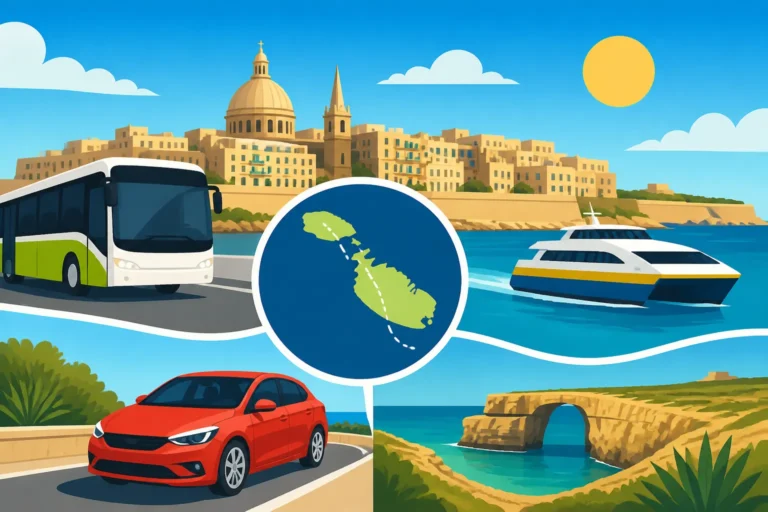
While the bus system is functional, it’s rarely the fastest option. For many expats, a mixed approach to transport becomes the norm. For shorter distances, or when the bus is simply not cooperating, consider these alternatives:
- Ride-Hailing Apps: Bolt and eCabs are widely used across Malta and offer a convenient, relatively affordable way to get around, especially for trips where the bus would take too long or involves multiple changes. For those moving to Malta, services like Sirelo often provide tips on local transport options, which invariably include these apps.
- Taxis: White taxis can be hailed on the street or found at designated ranks (e.g., at the airport, Valletta, Paceville). They are generally more expensive than ride-hailing apps, but sometimes the only option late at night or if your phone battery dies.
- E-Scooters and Bicycle Sharing: In some of the more urbanised areas like Sliema, St. Julian's, and Valletta, you'll find e-scooter rental services (e.g., Bolt Scooters) and bicycle-sharing schemes. These can be great for quick, short hops, especially if you're comfortable navigating traffic on two wheels.
- Walking: Don’t underestimate Malta's walkability for shorter distances, particularly in towns like Sliema, St. Julian's, or within Valletta. It’s a great way to explore and often faster than waiting for a bus to go just a couple of stops. Just be mindful of the heat in summer!
- Car Rental/Ownership: For many expats, especially families or those living outside the main urban hubs, owning or renting a car becomes a necessity. While driving in Malta has its own challenges (parking!), it offers unparalleled freedom and reliability. Check out our guide "Do I Need a Car to Live in Malta?" for more insights.
Here's a quick comparison of transport options to help you decide:
| Transport Method | Pros | Cons | Best For |
|---|---|---|---|
| Public Bus | Free for residents (Tallinja Card), extensive network, good for exploring, environmentally friendlier, allows you to relax. | Unreliable schedules, prone to delays due to traffic, can be very crowded (leading to skipped stops), limited service on weekends/holidays, not always direct. | Budget-conscious travel, non-urgent journeys, exploring new areas without driving, daily commutes in non-peak hours if you have buffer time. |
| Ride-Hailing (Bolt/eCabs) | Door-to-door convenience, generally reliable and quick, easily booked via app, upfront pricing. | More expensive than buses, can still get stuck in traffic, availability may be limited in very remote areas or during peak demand. | Urgent trips, late-night travel, when buses are unreliable, group travel (can split cost), avoiding parking hassles. |
| Taxi (White Cab) | Can be hailed on the street (convenient if no app/battery), good for immediate needs. | Most expensive option, drivers may not always use meters (agree on price beforehand!), less transparent pricing than ride-hailing apps. | Airport transfers, emergencies, when other options are unavailable, for those who prefer not to use apps. |
| Walking | Free, healthy, best way to see the sights up close, avoids all traffic. | Limited by distance and weather (heat/rain), not suitable for long commutes or heavy luggage. | Short distances within towns, exploring tourist areas, staying active. |
| Car Rental/Ownership | Maximum freedom and flexibility, convenient for families or those in remote areas, reliable for schedules. | Expensive (purchase/rental, fuel, insurance, parking), driving in Malta can be stressful (traffic, narrow roads, aggressive drivers), parking is a nightmare. | Families, remote residents, frequent travellers across the island, business needs, those who value independence. |
Making the Most of Public Transport in Malta
Ultimately, your experience with Malta’s buses will largely depend on your attitude and preparation. It's a system that requires a bit of local knowledge and a willingness to adapt.
Patience and a Sense of Humour: Your Best Travel Companions
Seriously, pack these two in your bag every time you head to a bus stop. There will be times when you're late, when a bus takes an unexpected detour, or when you just can't fathom why it's taking so long. Instead of letting it ruin your day, try to lean into the Mediterranean pace of life. Take a deep breath, enjoy the sunshine (or the unexpected rain), and remember that you're in Malta. These moments often become funny anecdotes later. What is daily life like for expats in Malta? Well, it often involves a bus story or two!
Connecting with the Island: The Bus as a Cultural Experience
Despite their flaws, buses offer a unique vantage point on Maltese life. You'll overhear snippets of conversations in Maltese and English, witness daily interactions, and pass through bustling town centres and sleepy villages you might not otherwise see. It's a chance to feel more connected to the island, observe the architecture, and appreciate the vibrant local scenes. From the bustling streets of Valletta to the quieter corners of the South, the bus takes you there. You can learn more about finding the right place to live, which often ties into your commute, in our guide "Choosing Where to Live in Malta: Towns, Regions, and Gozo".
Whether you're relying on the bus for your daily commute or using it for a leisurely weekend trip, understanding its nuances will make your life in Malta much smoother.
Disclaimer
Please note that while this guide provides comprehensive information based on current regulations and typical experiences in Malta, policies and services can change. We recommend checking the official Malta Public Transport website and relevant government portals for the most up-to-date information. This content is for informational purposes only and does not constitute professional advice.