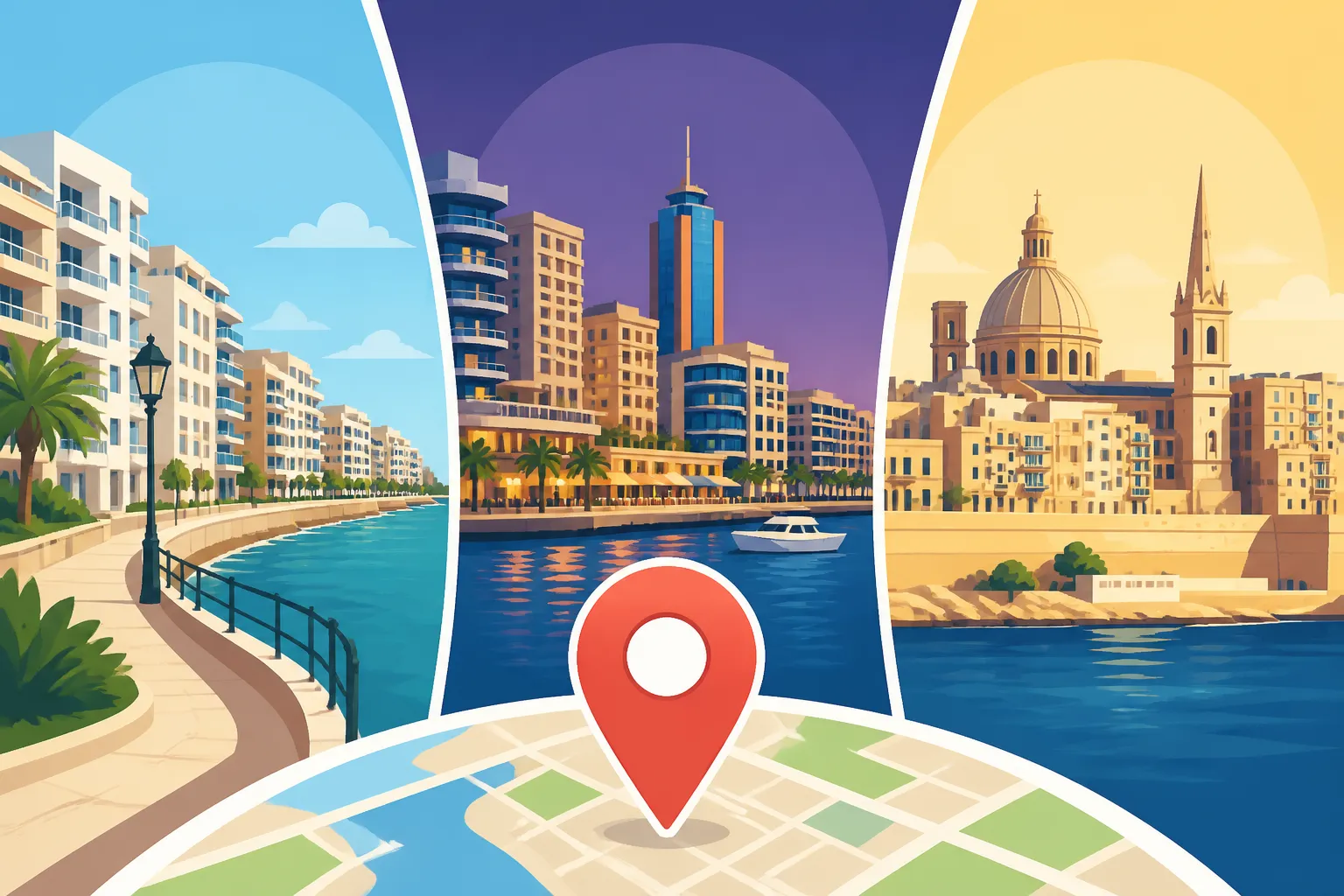
Choosing Where to Live: Sliema, St Julian’s, and the Inner Harbour
Moving to a new country like Malta is thrilling, but finding that perfect spot to call home can feel like navigating a chaotic labyrinth, especially when everyone has an opinion, and online listings don't quite capture the true vibe. This guide is here to shed light on some of Malta's most popular expat hotspots – Sliema, St Julian's, and the wider Inner Harbour region – helping you understand what it’s really like to live there, beyond the glossy brochures.
Understanding Malta's Inner Harbour Region
The Inner Harbour region of Malta, stretching from Valletta around to St Julian's, is the vibrant heart of the island, a place where history intertwines with modern life. For many expats and tourists, this coastal stretch, particularly Sliema and St Julian's, is the first and often only introduction to Maltese living. It's a dynamic, often overwhelming, but undeniably convenient area.
A Brief Overview of the Central Coastline
Imagine a crescent-shaped bay, dotted with boats, historic fortifications, and buildings that climb up hillsides, all bathed in the Mediterranean sun. That's a snapshot of Malta's Inner Harbour. From the ancient grandeur of Valletta, across the Grand Harbour to the charming, fortified Three Cities, and then along the more developed coast past Msida, Gzira, Sliema, and finally to St Julian's and Paceville, this area packs a punch. It’s where most of the economic activity, entertainment, and a significant portion of the population reside. The sheer concentration of services, businesses, and transport links makes it incredibly appealing, despite its challenges.
Historically, these areas were strategic maritime hubs, and that legacy is still visible everywhere, from the traditional fishing boats (luzzu) in Marsamxett Harbour to the grand townhouses of Sliema. Today, while the waters are still active with local boats, ferries, and cruise ships, the land-side has transformed into a bustling commercial and residential zone. This blend of old and new, local and international, gives the Inner Harbour its unique character – a character that can be either exhilarating or exhausting, depending on your perspective and priorities.
Why the Inner Harbour Attracts Expats and Tourists
It's no secret why so many foreigners gravitate towards this part of Malta. For starters, it's where the action is. Need a job? Most of the major industries, especially iGaming, financial services, and hospitality, have their offices here. Looking for a doctor? You'll find a plethora of clinics and specialists within easy reach. Want to socialise? The cafes, restaurants, and bars are endless. It's truly a one-stop shop for everything you might need when you're first finding your feet in a new country.
The convenience factor cannot be overstated. With English widely spoken and understood, communication is rarely an issue. Public transport, while often slow and crowded, connects these areas efficiently, meaning you might not even need a car – a blessing given the parking situation! Plus, the proximity to the sea, the beautiful promenades, and the constant buzz of activity offer a lifestyle that feels undeniably "Mediterranean." For newcomers, especially those from outside the EU, the administrative process often means you need to be physically present and have an address in a well-served area. It's just easier to manage tasks like getting your Maltese eResidence Card when you're central.
The Vibe: What to Expect from Central Living
Living in the Inner Harbour, particularly in Sliema and St Julian's, means embracing a fast-paced, urban lifestyle. It's vibrant, energetic, and rarely quiet. During the day, streets are alive with shoppers, office workers, and delivery vans. Evenings bring out diners, strollers along the promenade, and the hum of conversation from countless eateries. Weekends see an influx of both locals and tourists enjoying the coastal amenities.
However, this vibrancy comes with trade-offs. Traffic can be horrendous, especially during rush hour, and parking is notoriously difficult and expensive. Noise from construction, traffic, and nightlife can be constant. While the sea is always nearby, pristine swimming spots often require a short trip further out. If your ideal Maltese experience involves tranquil village life and wide-open spaces, this might not be it. But if you thrive on convenience, social opportunities, and being in the thick of things, the Inner Harbour could be your perfect match. You'll definitely be looking at apartments, as houses with gardens are a rarity here.
Sliema: The Bustling Commercial Hub
Sliema, derived from a Maltese word meaning 'peace, comfort,' is ironically one of Malta's busiest towns. It's the island's commercial heart, a shopper's paradise, and a residential magnet for expats and locals alike.
Lifestyle and Amenities in Sliema
Sliema offers an incredibly convenient lifestyle. Think high-street shopping with international brands alongside local boutiques, countless cafes, restaurants ranging from casual eateries to fine dining, and two major shopping malls: The Point Shopping Mall and Plaza Shopping Centre. The picturesque promenade stretches for kilometres, perfect for evening strolls, morning runs, or just enjoying the sea breeze. You’ll find small rocky beaches, lidos, and plenty of spots to dip your toes in the sea during the summer months.
For daily necessities, Sliema has everything. Large supermarkets like Tower Supermarket and countless smaller grocery stores are readily available. There are gyms, pharmacies on almost every corner (where you can easily Buy Over-the-Counter Medicine at a Maltese Pharmacy), and medical clinics. Families will find playgrounds and easy access to schools, although the hustle and bustle might be a bit much for younger children seeking green spaces. The social scene is robust, with many expat groups forming here, making it easier to How Do I Find Other Expats in Malta?. While it's not known for its pounding nightclubs (that's St Julian's territory), there are plenty of chic bars for a relaxed evening out.
Rental Market and Accommodation Types
The rental market in Sliema is competitive and generally commands higher prices than most other areas in Malta, second only to some parts of St Julian's. You'll primarily find apartments here, ranging from older, spacious (and sometimes damp) traditional Maltese flats to modern, compact, and often well-appointed units in newer blocks. Sea-view apartments along the Strand or Tower Road are particularly sought after, coming with a significant price tag.
Expect to pay a premium for location, amenities, and views. A typical modern two-bedroom apartment might range from €1,200 to €2,000+ per month, depending heavily on its condition, size, and exact location. Older, perhaps less renovated, units might be slightly cheaper. Finding accommodation can be challenging, and it's not uncommon for new arrivals to struggle, so be prepared to start your search well in advance. Understanding Renting a Home in Malta: Contracts, Deposits, and Tenant Rights and knowing How Much Deposit Do Landlords Require in Malta? are crucial as a tenant here. For larger moves, especially if you're bringing a lot of belongings, checking out international moving services through platforms like Sirelo can help you manage the logistics and costs of getting settled.
Transport and Connectivity
Sliema is exceptionally well-connected. The public bus system is extensive, with routes running frequently to Valletta, St Julian's, and other major towns. The Sliema Ferry offers a scenic and traffic-free commute to Valletta, a journey that takes just a few minutes across Marsamxett Harbour. This is often a preferred option for those working in the capital. Taxis and ride-sharing apps are also readily available.
However, owning a car in Sliema can be a double-edged sword. While it offers freedom to explore the rest of the island, finding parking is a constant battle. Residential parking zones exist, but they fill up quickly, and private garages or parking spaces come at an additional cost. The roads themselves can be congested, especially during peak hours. Despite these challenges, many residents find that the convenience of having everything within walking distance or a short bus ride away outweighs the car-related headaches. For tourists or short-term residents, the public transport system is often sufficient to Get Around Malta: Buses, Ferries, Driving, and the Gozo Connection.
St Julian's: The Epicentre of Nightlife and Entertainment
Just a short walk or bus ride north of Sliema lies St Julian's, a town synonymous with vibrant nightlife, exquisite dining, and a youthful, energetic atmosphere. It’s a magnet for those seeking entertainment and a fast-paced social scene.
Paceville and Beyond: Nightlife and Dining
St Julian's is perhaps best known for Paceville, the island's primary entertainment district. Here, you'll find a concentrated area of nightclubs, bars, pubs, and casinos that come alive after dark. It's a popular spot for young locals, tourists, and expats looking to party into the early hours. The energy is infectious, with music spilling out onto the streets and a constant buzz of activity.
Beyond Paceville, St Julian's offers a much more diverse and sophisticated dining scene. Spinola Bay, with its traditional fishing boats and charming restaurants, is a picturesque spot for a meal with a view. From casual pizzerias to high-end Michelin-starred establishments, there's a culinary experience for every taste and budget. You'll find a huge array of international cuisines, reflecting the town's diverse population. The area also hosts several five-star hotels, which often feature their own excellent restaurants and bars, adding to the upscale offerings.
Living in St Julian's: Energy and Convenience
Living in St Julian's means being at the heart of it all. It’s ideal for singles or couples who love to socialise, enjoy dining out, and don't mind a lively atmosphere. The town boasts a beautiful promenade, similar to Sliema's, offering lovely sea views and spots for relaxation. There are several small sandy beaches, like St George's Bay, which are popular in summer. Amenities are abundant, including supermarkets, gyms, clinics, and all the services you could possibly need.
The convenience is unmatched, especially for those working in the nearby iGaming or finance sectors. Commuting within St Julian's or to Sliema is often a short walk, making it very appealing. However, this convenience and energy come at a price. The constant noise, especially from Paceville on weekends, can be a significant factor for residents, and traffic congestion is a perennial issue. It’s a lifestyle choice that suits those who thrive on urban dynamism and are comfortable with a less tranquil environment.
Rental Landscape and Noise Considerations
Like Sliema, the rental market in St Julian's is highly competitive and among the most expensive on the island. Properties range from modern, stylish apartments in high-rise buildings (like Portomaso) to more traditional, older flats. Proximity to Paceville or a sea view will significantly impact the price. A modern two-bedroom apartment can easily range from €1,300 to €2,500+ per month. For those wondering How Hard Is It to Find a Rental Property in Malta?, St Julian's often presents the challenge of high demand and limited supply of truly quiet spots.
A crucial consideration when looking for a place in St Julian's is noise. If you're living close to Paceville, Spinola Bay, or any of the main roads, expect noise from traffic, revelers, and ongoing construction. While newer buildings often have better sound insulation, it's something to actively check. If you value peace and quiet, you might need to look at properties further away from the main entertainment zones or consider areas just outside St Julian's, like Swieqi or Pembroke, which offer a slightly calmer residential feel while still being very close. It's always advisable to visit potential properties at different times of the day and night to get a real sense of the ambient noise levels.
Beyond the Buzz: Quieter Inner Harbour Options
While Sliema and St Julian's steal the limelight, the wider Inner Harbour area offers several excellent alternatives that provide a slightly more local feel, often at a more affordable price, without sacrificing too much convenience.
Gzira and Msida: Practical and More Affordable
Moving west from Sliema, you'll encounter Gzira and Msida, two towns that are often overlooked but offer practical advantages. They are incredibly central, bordering Sliema and providing easy access to Valletta. Both towns are home to a mix of residential properties, small businesses, and a growing number of cafes and restaurants. Msida is particularly known for its marina, which is lovely for a stroll, and for housing the University of Malta, making it popular with students and academic staff.
Life in Gzira and Msida is generally more relaxed than in Sliema or St Julian's, though still distinctly urban. You’ll find more local shops and a stronger sense of community. The rental prices here are typically more budget-friendly than in their flashier neighbours, making them attractive to expats looking to save a bit on Cost of Living in Malta: Budgeting for the Real Numbers. A two-bedroom apartment here might range from €900 to €1,500 per month, offering better value for money. Public transport links are excellent, connecting residents to almost anywhere on the island. While not brimming with high-end amenities, they provide all the essentials for comfortable living, and you're only a short walk or bus ride from Sliema's offerings.
Ta' Xbiex and Pietà: Residential Charm
Nestled between Msida and Gzira, Ta' Xbiex and Pietà offer a more tranquil and residential experience, particularly attractive to families or those who prefer a quieter pace of life. Ta' Xbiex is known for its beautiful marina, diplomatic embassies, and some truly grand older houses. It's a more upscale residential area, peaceful and charming, with lovely views of Valletta across the harbour. You’ll find delightful walks along the waterfront, boutique cafes, and a serene atmosphere.
Pietà, adjacent to Valletta, offers a similar residential charm, with a mix of traditional Maltese houses and some newer apartment blocks. It’s well-connected by bus to Valletta and other central areas, and its proximity to the capital means easy access to cultural attractions and business centres. While these areas are generally quieter, they still offer essential services and a good community feel. Rent prices in Ta' Xbiex can be on the higher side due to its prestigious feel and harbour views, while Pietà might offer slightly more affordable options, often similar to Gzira. Both are ideal if you want to be central but prefer to retreat to a calmer home environment after a busy day.
The Three Cities (Vittoriosa, Senglea, Cospicua): Historic and Authentic
Crossing the Grand Harbour from Valletta, you arrive at the Three Cities: Vittoriosa (Birgu), Senglea (Isla), and Cospicua (Bormla). These historic fortified towns offer a profoundly different living experience compared to the modern bustle of Sliema and St Julian's. Life here is slower, more traditional, and steeped in Maltese culture. The narrow, winding streets, ancient fortifications, and stunning harbour views create an incredibly atmospheric place to live.
The Three Cities are perfect for those who crave authenticity, history, and a strong sense of local community. While amenities are less numerous than in the more developed towns, you'll find local shops, traditional bakeries, and charming restaurants. The ferry service provides a convenient link to Valletta, offering a beautiful commute. Rental properties often include beautifully renovated traditional townhouses with unique features, though modern apartments are also available. Prices can vary widely, but often offer better value per square metre than Sliema or St Julian's, especially for character properties. This area appeals to those who appreciate a genuine Maltese experience and are happy to be slightly removed from the mainstream expat bubble, without being isolated.
Weighing Your Options: Pros and Cons of Each Area
Choosing where to live in Malta's Inner Harbour comes down to your priorities, budget, and lifestyle preferences. Each area has its distinct personality and challenges.
Comparative Analysis: Cost, Lifestyle, and Commute
Let's break down the key differences to help you decide:
| Feature | Sliema | St Julian's | Gzira/Msida | Ta' Xbiex/Pietà | The Three Cities |
|---|---|---|---|---|---|
| Average Rent | High (e.g., €1200-€2000+ for 2-bed) | Very High (e.g., €1300-€2500+ for 2-bed) | Moderate (e.g., €900-€1500 for 2-bed) | Moderate-High (e.g., €1000-€1800 for 2-bed) | Moderate (e.g., €800-€1500 for 2-bed) |
| Lifestyle | Bustling, commercial, family-friendly | Energetic, nightlife, social, youthful | Practical, student-friendly, urban | Tranquil, residential, diplomatic | Historic, authentic, community-focused |
| Noise Level | High (traffic, construction) | Very High (nightlife, traffic) | Moderate-High (traffic, some construction) | Moderate (local traffic) | Low-Moderate (local activity, some tourism) |
| Amenities | Excellent (shopping, dining, services) | Excellent (dining, entertainment, hotels) | Good (essentials, university) | Good (marina, cafes, quiet services) | Basic-Good (local shops, historic sites) |
| Commute | Excellent (bus, ferry to Valletta) | Good (bus, walk to Sliema/Paceville) | Excellent (bus, walk to university) | Good (bus to Valletta, central) | Moderate (ferry/bus to Valletta) |
| Parking | Very Difficult | Extremely Difficult | Difficult | Difficult | Difficult |
When evaluating these options, remember that "cost" isn't just about rent. Factor in utility bills (which can be surprisingly high if you're not careful about your consumption or if you're on a non-residential tariff – understanding Setting Up Electricity and Water with ARMS and Enemalta in Malta is key), transport costs, and daily expenses. While Sliema and St Julian's offer a wealth of amenities, they can also encourage a more expensive lifestyle. Gzira, Msida, and the Three Cities might require a bit more planning for certain leisure activities but could save you a significant amount on monthly outgoings.
Who is Each Area Best Suited For?
- Sliema: Ideal for professionals, families with older children, or anyone who values convenience, extensive amenities, and a cosmopolitan vibe. You're willing to pay a premium for being central and having everything at your fingertips.
- St Julian's: Perfect for young professionals, singles, or couples who thrive on a lively social scene, enjoy nightlife, and don't mind the constant buzz. You're probably working in the nearby tech or iGaming industries and want to be close to the action.
- Gzira and Msida: Great for students, young professionals on a tighter budget, or those seeking a more practical, less pretentious urban environment that is still very well-connected.
- Ta' Xbiex and Pietà: Suited for those seeking a balance – central location, but with a distinctly calmer, more residential feel. Ideal for families or professionals who appreciate peace and quiet without being isolated.
- The Three Cities: Best for culture enthusiasts, history buffs, or those desiring an authentic Maltese experience with a strong sense of community. You're happy to trade some modern conveniences for charm, character, and stunning views.
Ultimately, there's no single "best" place to live. It really boils down to your personal preferences and what kind of life you envision for yourself in Malta. Many expats find that their initial choice of area evolves as they spend more time on the island and discover what truly resonates with them.
Practical Considerations for Choosing Your Home
Before you commit to an area, there are several practicalities you absolutely need to nail down. These can make or break your living experience in Malta.
Budgeting for Rent and Utilities
Beyond the headline rent price, you need to budget for the often-hidden costs of living in Malta. Deposits are standard, usually one month's rent, but sometimes more, so be sure you understand How Much Deposit Do Landlords Require in Malta?. Agency fees, if you use one, can also add to upfront costs. Then there are utilities. Electricity and water are managed by ARMS Ltd., and your bills can be steep if you're not registered as a resident. Ensure your landlord registers your lease with the Housing Authority and that you're correctly registered for residential utility tariffs, or you'll be paying commercial rates. Air conditioning is a must in summer, and heaters (often electric) are needed in winter, both of which consume a lot of energy.
Don't forget internet and mobile phone services. While you're waiting for everything to be set up, or if you prefer flexibility, services like Airalo offer eSIMs that can get you connected immediately upon arrival, which is invaluable for navigation and staying in touch. For longer-term solutions, there are a few main providers in Malta, so it's worth checking Which Internet and Mobile Providers Are Best in Malta? to compare plans and speeds. Factor in expenses for groceries, transport (whether bus passes or fuel), and leisure activities. A detailed budget will prevent any nasty surprises down the line.
Commuting and Traffic Realities
Malta is small, but its roads can be painfully slow, especially in the Inner Harbour area. Traffic congestion is a significant challenge during peak hours, and even short distances can take surprisingly long. If you plan to work in Valletta but live in St Julian's, consider the ferry option from Sliema, as it bypasses the worst of the road traffic. If you're reliant on buses, be prepared for them to sometimes be late or full, especially during rush hour. For instance, a bus trip from Sliema to Valletta, which might look like a 15-minute journey on a map, can easily stretch to 45 minutes or more during busy periods.
Parking, as mentioned, is a nightmare in most popular areas. If you plan to own a car, factor in the cost of a private garage or the constant struggle for street parking. Many expats find they initially want a car but then either sell it or rarely use it due to the stress. Consider your daily commute carefully – can you walk, bike, or rely on public transport? The impact on your quality of life can be substantial. For those who frequently travel to Gozo, consider the proximity to the ferry terminals.
Making Your Final Decision
Ultimately, the best way to decide where to live in Malta is to visit the areas yourself. Spend time in Sliema, walk the streets of St Julian's, explore the quiet corners of Gzira, and soak in the history of the Three Cities. Talk to other expats and locals about their experiences. What is What Is Daily Life Like for Expats in Malta? really like in these areas? The perfect neighbourhood will align with your lifestyle, budget, and tolerance for things like noise and traffic.
Remember that your first rental doesn't have to be your forever home. Many expats choose a short-term rental in a popular area like Sliema or St Julian's initially to get a feel for the island, sort out their administrative tasks, and then move to a more permanent spot once they've had a chance to explore. This flexibility allows you to make a more informed decision about where you truly want to put down roots on this sunny island.
Disclaimer
The information provided in this guide is for general informational purposes only and does not constitute professional advice. While we strive to keep the information up-to-date and accurate, Malta's regulations and market conditions can change rapidly. Always consult with relevant professionals (e.g., real estate agents, legal advisors, financial consultants) for advice tailored to your specific situation. We are not responsible for any actions taken based on the information provided herein.