Is Tap Water Safe to Drink in Malta?
When you first move to Malta, among the myriad questions about where to live, how to navigate the infamous bureaucracy, and how much pastizzi is too much (spoiler: never enough), one question always comes up: "Is the tap water here safe to drink?" It’s a completely valid concern, especially coming from countries where turning on the tap and drinking directly is a given. You've probably heard conflicting advice from various expats and locals, leaving you more confused than enlightened. Well, grab a glass of… whatever water you're currently drinking, and let's dive deep into the reality of Malta’s tap water, dispelling myths and offering practical advice.
The Truth About Malta's Tap Water: Is It Safe?
The question of tap water safety in Malta isn't as straightforward as a simple "yes" or "no." While official sources will always assure you it meets stringent standards, the reality for many expats living here is a bit more nuanced. It’s a matter of technical safety versus palatability and personal comfort.
Where Does Malta's Water Come From? Desalination and Groundwater
Malta, being a small, densely populated island nation in the middle of the Mediterranean, faces significant challenges when it comes to freshwater resources. We don't have large rivers or natural lakes, so our water supply relies on a delicate balance of two primary sources: groundwater and desalinated seawater.
Historically, Malta relied heavily on its natural groundwater aquifers. These underground reservoirs are fed by rainfall, slowly replenishing over time. However, with increasing population and demand, groundwater alone is insufficient and susceptible to over-extraction and salinisation. To combat this, the Water Services Corporation (WSC), which manages Malta's water infrastructure, has invested heavily in reverse osmosis (RO) plants. These impressive facilities, like the ones in Pembroke, Cirkewwa, and Ghar Lapsi, take seawater, filter it extensively, and then push it through semi-permeable membranes under high pressure to remove salt and impurities, effectively creating fresh, potable water. This process is energy-intensive, but it’s a critical lifeline for the islands. The tap water you receive at home is typically a blend of treated groundwater and desalinated water, which means its exact composition can fluctuate slightly depending on the season and specific location.
Official Assurances and Public Perception
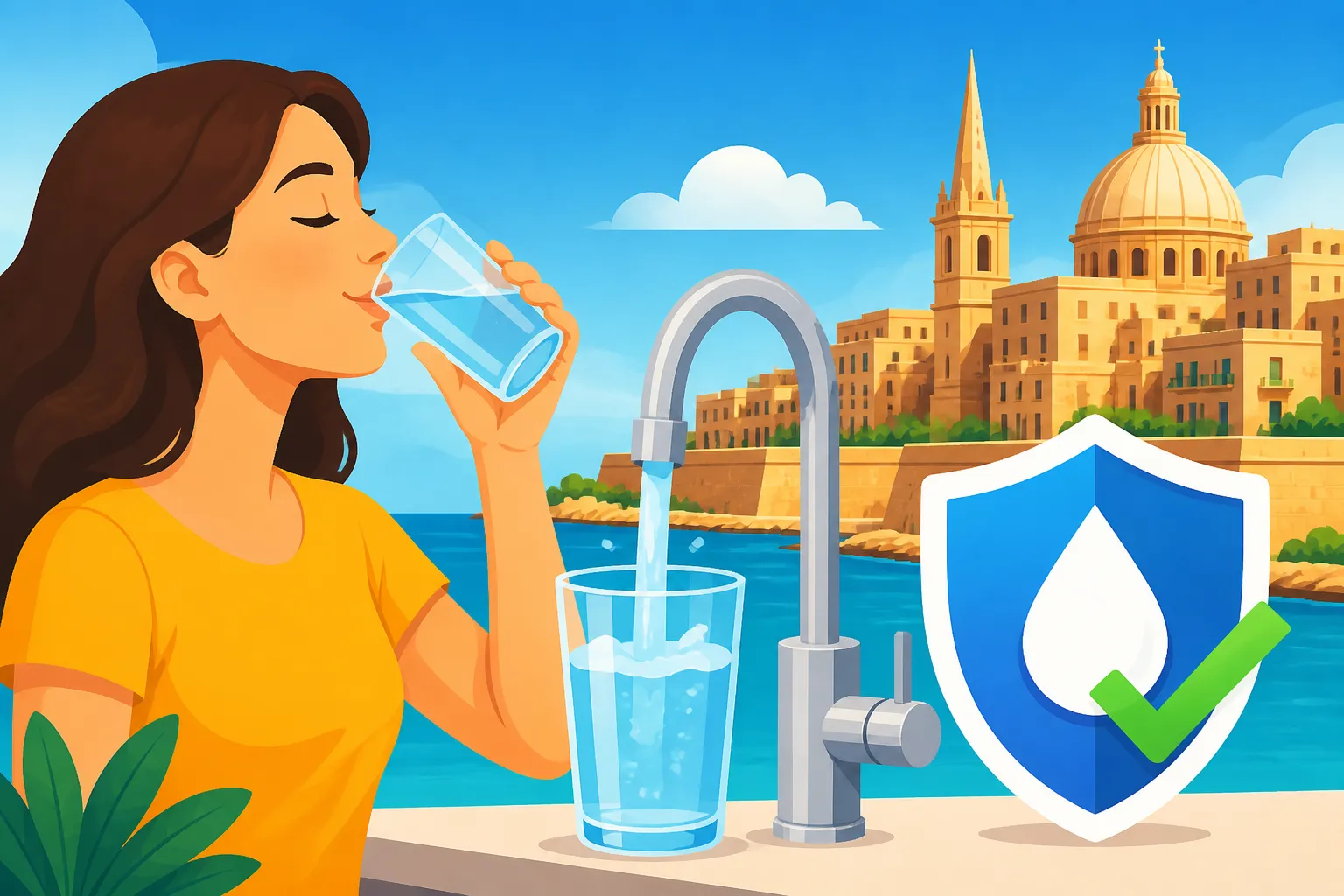
The WSC consistently states that tap water throughout Malta and Gozo meets all the strict European Union drinking water standards. They conduct regular tests for various parameters, including microbiological contaminants, heavy metals, and chemical compounds, ensuring that the water leaving their treatment plants is indeed safe to consume. From a purely scientific and regulatory standpoint, their claims hold true: the water is chemically and biologically potable.
However, if you're like me, you've probably heard the whispers, seen the mountains of plastic bottled water in every supermarket, and noticed that many Maltese households, even those with modern plumbing, prefer not to drink straight from the tap. This disconnect between official assurances and public perception is real and valid. It’s a cultural habit, partly born from historical issues with water quality and taste, and partly due to ongoing concerns that aren't always about outright safety but rather about perceived quality and taste. Newcomers often struggle with this dichotomy, unsure whether to trust the official line or the local consensus. It’s a common expat dilemma, and your frustration is entirely understandable.
What Affects Tap Water Quality in Your Home?
Even if the water leaving the WSC plants is pristine, its journey to your tap can be long and eventful. This is where the issues really begin for residents. The main culprits affecting in-home water quality are often related to the infrastructure within Malta's varied housing stock.
Many older Maltese buildings, charming as they are, might have plumbing systems that haven't been updated in decades. We're talking about pipes that could be corroded, or made from materials that, while once common, are now considered less than ideal for drinking water delivery. While lead pipes are largely a thing of the past, general wear and tear can introduce sediment or affect the water’s taste. Even newer buildings aren't entirely immune if the initial installation wasn't to the highest standard or if maintenance has been neglected.
Furthermore, a significant number of Maltese homes rely on rooftop water tanks. These tanks store water and, if not properly maintained, can become breeding grounds for bacteria, algae, or collect sediment. They need regular cleaning, ideally annually, which isn't always done diligently. If you've just moved into a rental property that has been vacant for a while, the water sitting in the pipes and the tank could be stagnant. This is why many locals and long-term expats will advise you to let the tap run for a few minutes before drawing water for drinking or cooking, especially if it hasn't been used recently. This is an important detail to consider, especially when you are Renting a Home in Malta: Contracts, Deposits, and Tenant Rights, as the state of the plumbing isn't always obvious.
Taste, Hardness, and Your Plumbing: Beyond Safety
While the safety aspect of Maltese tap water is often debated, its taste and hardness are almost universally acknowledged. These factors, more than any outright health risk, are often why expats and locals alike opt for alternatives.
The Distinctive Taste and Mineral Content
Let’s be honest: Maltese tap water has a distinctive taste that most newcomers find… interesting, to say the least. It’s not necessarily unpleasant, but it’s often described as earthy, slightly chlorinated, or even faintly metallic. This taste largely stems from the blend of desalinated water, which has had most of its natural minerals removed, and the groundwater, which is often rich in dissolved salts and minerals. The WSC does add chlorine as a disinfectant, which is standard practice worldwide, but some people are more sensitive to its taste. Chilling the water can often mitigate some of this taste, making it more palatable, but it’s rarely as refreshing as mountain spring water you might be used to.
Beyond taste, the most prominent characteristic of Maltese tap water is its extreme hardness. This isn't a health concern, but it's a major daily nuisance. Malta's geological composition means the groundwater naturally picks up high concentrations of calcium and magnesium, leading to very hard water. Even the desalinated water, once blended, retains a significant degree of hardness.
Impact on Appliances and Skin
The hardness of the water manifests in a very visible way: limescale. Prepare yourself for a constant battle with white, chalky deposits on everything that comes into contact with water. Your kettle will fur up in weeks, your showerhead will become encrusted, and your washing machine and dishwasher will show signs of limescale build-up surprisingly quickly. This not only makes cleaning a chore but can also reduce the efficiency and lifespan of your appliances. You'll find yourself reaching for descaling products more often than you ever thought possible. When Setting Up Your Home in Malta: Utilities, Internet, and Insurance, you might even want to factor in a good water filter or softener for your budget.
On a personal level, many expats complain about the effect of hard water on their skin and hair. Showers can leave your skin feeling dry, itchy, and sometimes with a slightly sticky residue, and hair can feel dull or brittle. This is due to the minerals in the water reacting with soaps and shampoos, preventing them from lathering properly and leaving a film. It's a common expat grievance, and while not harmful, it certainly impacts daily comfort and self-care routines.
Practical Solutions for Taste and Hardness
If you're determined to drink tap water or simply want to improve your daily experience, there are several practical steps you can take. For taste, the simplest solution is to keep a jug of tap water in the fridge. Chilling significantly improves the flavour for many people. Adding a slice of lemon or cucumber can also help mask any lingering aftertastes.
To tackle both taste and some of the dissolved solids, a basic water filter pitcher (like Brita or similar brands readily available in Maltese supermarkets) can make a world of difference. These pitchers use activated carbon filters to remove chlorine and some impurities, improving both taste and odour. For a more direct solution, you can install a tap-mounted filter, which provides filtered water on demand directly from your kitchen faucet. These are relatively inexpensive and easy to install.
For those looking for a more comprehensive solution, especially if you're a long-term resident or homeowner, consider an under-sink filtration system or even a whole-house water softener. Under-sink filters (which can range from simple carbon block filters to multi-stage reverse osmosis systems) offer superior filtration for drinking and cooking water. Whole-house softeners, while a significant investment and requiring professional installation, will treat all the water entering your home, dramatically reducing limescale and improving the feel of water on your skin and hair. This is particularly useful given How Do ARMS Utility Bills Work in Malta? with high water usage potentially leading to higher utility costs if you're constantly descaling.
Navigating Alternatives: Bottled Water and Filtration Systems
Given the taste, hardness, and general perception of tap water, it's no surprise that many residents, both local and foreign, turn to alternatives. The market for bottled water and home filtration is thriving in Malta, offering solutions for every preference and budget.
The Bottled Water Landscape in Malta
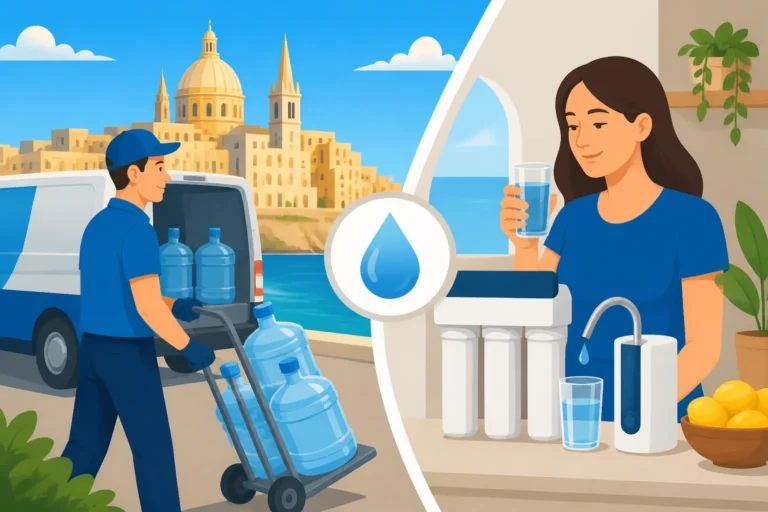
Walk into any Maltese supermarket, minimarket, or corner shop, and you'll be met with an impressive array of bottled water options. You can buy individual small bottles, packs of six, or larger 1.5L and 2L bottles. However, the most popular choice for home consumption is often the bulk 5L or 10L bottles, and for larger households or offices, the huge 19L dispenser bottles are ubiquitous. Local brands like San Michel and Kristal are popular, often seen delivered directly to homes and businesses, alongside imported brands.
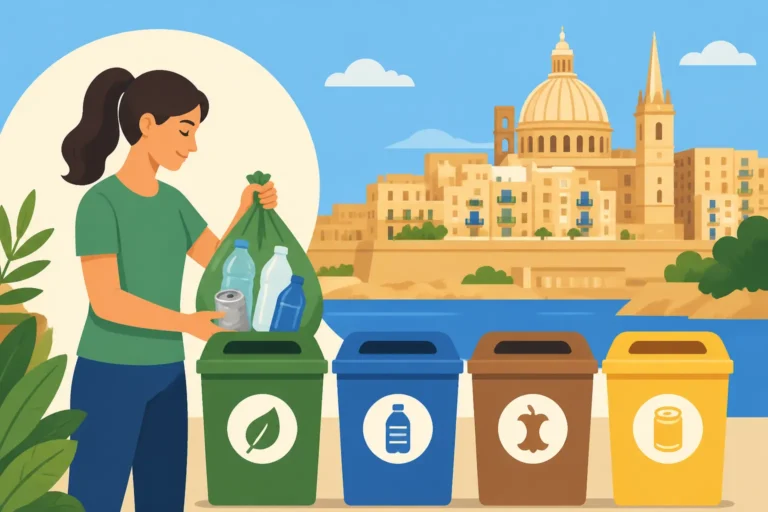
The convenience of bottled water is undeniable. It tastes consistent, is readily available, and for many, it simply provides peace of mind. However, this convenience comes at a significant cost, both financially and environmentally. Purchasing bottled water regularly can add up, becoming a noticeable component of your Cost of Living in Malta: Budgeting for the Real Numbers. More critically, the sheer volume of single-use plastic bottles generated on such a small island is a massive environmental concern. Malta is grappling with plastic waste, and the widespread reliance on bottled water contributes heavily to this problem.
Home Filtration Options: Pitchers to Whole-House Systems
For those who want to move away from bottled water but aren't keen on straight tap water, home filtration systems offer a fantastic middle ground.
- Filter Pitchers: As mentioned, these are the entry-level option, very affordable, and great for improving taste. They typically cost around €20-€30 for the pitcher, with replacement filters costing €5-€10 and lasting about a month.
- Tap-Mounted Filters: These screw onto your existing faucet and offer on-demand filtered water. They're a step up in convenience from pitchers and provide similar taste improvements. Installation is usually DIY-friendly.
- Under-Sink Filters: This category offers a wide range, from basic activated carbon filters that significantly improve taste and odour, to more advanced multi-stage systems including reverse osmosis units. An under-sink RO system can remove almost all dissolved solids, making the water taste very pure. These require professional installation (or a very handy DIY enthusiast) and cost more upfront (from €100 for basic to €500+ for RO systems), but their running costs (filter replacements) are generally lower per litre than bottled water. When you're Moving to Malta from Outside the EU/EEA: What You Need to Know, deciding whether to factor in such an installation might be part of your initial budgeting and planning for your new home. Many expats I know plan ahead, even considering what kind of filtration system they might want to set up when arranging their move to Malta through services like Sirelo, ensuring their new home is comfortable from day one.
- Whole-House Softeners: These are the most comprehensive solution for hard water, treating all water entering your home. They don't typically filter for drinking purposes (you'd still want an under-sink filter for that) but they eliminate limescale, protecting appliances and improving skin/hair feel. These are a significant investment, often €500-€1500+, plus installation and maintenance.
Here’s a quick comparison of the common water options in Malta:
| Feature | Tap Water (Unfiltered) | Filtered Tap Water (Pitcher/Tap Filter) | Filtered Tap Water (Under-Sink RO) | Bottled Water (5L/19L) |
|---|---|---|---|---|
| Safety | Officially safe, meets EU standards | Safe, removes some impurities | Highly safe, removes almost all dissolved solids | Highly safe, regulated standards |
| Taste | Often earthy, chlorinated, mineral-rich | Improved, less chlorine taste | Very pure, neutral taste | Consistent, neutral taste (brand dependent) |
| Hardness | Very hard, severe limescale | Remains hard (filters don't soften) | Still hard for general use, drinking water is softened | Varies by brand, generally soft |
| Cost | Lowest (part of utility bill) | Low (filter cartridges are ongoing cost) | Moderate (high upfront, lower per litre over time) | Highest (per litre) |
| Convenience | Always available | Requires refilling pitcher / tap switch | Always on tap | Requires buying, carrying, storing, recycling |
| Environmental | Low impact (no plastic waste) | Low impact (less plastic waste than bottled) | Low impact (minimal plastic waste) | High impact (significant plastic waste) |
| Appliance Impact | High limescale buildup | High limescale buildup (unless whole-house softened) | High limescale buildup (unless whole-house softened) | No impact (if used for drinking) |
Eco-Friendly and Cost-Effective Choices
For environmentally conscious expats, reducing plastic waste is often a priority. Choosing a good filtration system over bottled water is a clear winner in this regard. While the initial investment might seem daunting, it often pays for itself over time, especially when you factor in the recurring cost of bottled water. Think about how much you'd spend on bottled water over a year, and compare it to the cost of an under-sink filter and its annual cartridge replacements – the savings can be substantial.
Some supermarkets and health food stores in Malta are also starting to offer water refill stations for larger reusable containers, which is another excellent eco-friendly option. Investing in a sturdy, reusable water bottle to carry with you is also a must, not just for the environment but for staying hydrated.
Best Practices for Water Consumption as an Expat in Malta
Living in Malta means adapting to its unique environment, and water consumption is no exception. Here’s how to best manage your water intake for health, convenience, and peace of mind.
Staying Hydrated in the Maltese Climate
One thing you absolutely cannot compromise on in Malta is hydration, especially during the long, hot, and often humid summers. The Maltese climate, as you'll learn when Coping with Malta's Climate: Summer Heat, Humidity, and Winters, demands constant attention to your fluid intake. Don't let concerns about tap water quality deter you from drinking enough. If you’re hesitant about tap water, always have filtered or bottled water readily available. Carry a reusable water bottle with you wherever you go, and make sure it’s full. Dehydration can creep up quickly, leading to fatigue, headaches, and more serious health issues. Staying connected with an eSIM from a provider like Airalo means you can easily look up local water refill points or check reviews of restaurants and cafes for their water options on the go, ensuring you never run dry.
Tips for Cooking and Preparing Food
When it comes to cooking, the general consensus among expats and health professionals is that tap water is perfectly fine for most applications. Boiling water for pasta, rice, vegetables, or soups will eliminate any potential microbiological contaminants, making it safe. For washing fruits and vegetables, tap water is also generally acceptable.
However, for preparations where water isn't boiled, such as making ice cubes, rinsing salads that won't be cooked, or mixing baby formula, many people opt for filtered or bottled water as an extra precaution. This is particularly relevant for vulnerable populations. For instance, if you have infants, referring to guides on Family and Children's Healthcare in Malta: Maternity, Well-Baby, and Beyond often includes recommendations on water safety for formula preparation. While officially safe, the common practice among Maltese parents is to boil tap water for baby formula or use bottled water, just to be on the super-safe side.
When to Be More Cautious with Tap Water
There are a few specific scenarios where exercising extra caution with tap water is a good idea:
- After a water cut: If there’s been a scheduled or unscheduled water interruption in your area, when the supply returns, it’s always wise to let your taps run for a few minutes. This clears out any stagnant water that might have been sitting in the pipes and flushes away any sediment that might have been dislodged during the supply interruption. You might notice the water appearing cloudy or discoloured at first; wait until it runs clear before using it.
- In very old buildings: As discussed, the condition of internal plumbing can vary wildly. If you live in a very old building, especially one where the plumbing hasn't been updated, or if the property has been empty for an extended period, consider being more diligent with filtration or using bottled water for drinking.
- For vulnerable individuals: If you have a compromised immune system, are pregnant, or are preparing water for infants, consider using a high-quality filter or bottled water for direct consumption. While the tap water is officially safe, these groups are more susceptible to even minor issues, and it's always better to err on the side of caution. If you have specific health concerns, it’s always best to consult with your GP; you can find advice on how to do this by looking at guides like Preventive Health and Screening Programmes for Adults in Malta.
- During peak summer months: While not directly linked to safety, sometimes heavy demand on the system, coupled with the aging infrastructure, can lead to fluctuations. Sticking to filtered or bottled water for drinking during these periods can give you added peace of mind.
Ultimately, whether you choose to drink tap water in Malta is a personal decision. It's safe by official standards, but its taste, hardness, and the variable quality of internal plumbing mean that many residents prefer to filter it or opt for bottled alternatives. By understanding the origins of Malta's water and the factors that influence its quality, you can make an informed choice that suits your health, budget, and lifestyle.
Disclaimer
The information provided in this guide is for general informational purposes only and does not constitute professional advice. While we strive to provide accurate and up-to-date information, local regulations, policies, and conditions can change. Always consult with official authorities, relevant service providers, or professionals for specific advice tailored to your situation in Malta.