Is It Safe to Walk Around at Night in Malta?
One of the first things that pops into mind when you’re new to a place, or even just visiting, is often: "Is it safe to walk around at night?" It's a completely natural and valid concern, especially for us expats who are trying to navigate unfamiliar streets and customs after dark. While Malta generally boasts a low crime rate and a relaxed atmosphere, like any destination, staying safe at night requires a good dose of common sense and awareness. This guide aims to give you the real lowdown, from a fellow expat, on what to expect when you step out after the sun sets in Malta.
General Perceptions vs. Reality: Understanding Malta's Nighttime Safety
Malta, with its friendly locals and vibrant Mediterranean culture, often gives off a very safe vibe, and for the most part, that perception holds true. You’ll find families strolling promenades late into the evening, older folks enjoying a pastizz at a café, and general merriment that feels far removed from the anxieties of big city life. This can be incredibly reassuring, especially when you’ve moved here from a place with higher crime rates.
The Overall Picture: Low Crime, High Comfort
Malta’s overall crime statistics are relatively low compared to many other European countries. Serious violent crime is rare, and the island generally feels very safe for both residents and tourists. You can often see children playing outside until late in residential areas, and doors might even be left unlocked in some of the quieter villages – though I definitely wouldn't recommend that last bit for newcomers! This general sense of security is a huge draw for many who choose to make Malta their home, contributing to a relaxed lifestyle where you don't constantly have to look over your shoulder. It’s one of the reasons many feel comfortable exploring the island, day or night.
However, "low crime" doesn't mean "no crime." Just like anywhere else, there's always an element of risk, and being complacent is never a good idea. The high comfort level can sometimes lead people to drop their guard, which is when opportunistic incidents can occur. It’s about striking that balance between enjoying the island’s relaxed pace and maintaining a healthy level of caution, especially when venturing out after dark.
Common Incidents and Areas of Concern
While violent crime is rare, petty theft, such as pickpocketing or bag snatching, can happen, particularly in crowded tourist areas or busy nightlife spots. It's often opportunistic, targeting those who appear distracted or are displaying valuables carelessly. Drunken altercations, especially around bar closing times, are also not unheard of, though these usually involve specific individuals rather than random attacks on passers-by.
Reports of harassment, particularly towards women, can occur, especially when walking alone in quieter or poorly lit areas. This doesn't mean Malta is inherently unsafe for women, but it does mean exercising the same precautions you would anywhere else: avoid deserted shortcuts, be aware of your surroundings, and ideally, don’t walk alone late at night if you can avoid it. Sadly, this is a common challenge for women globally, and Malta is no exception despite its generally safe feel. Understanding the nuances of "safe" is important for anyone living here.
Navigating Specific Areas at Night: Where to Be Mindful
Malta is a tapestry of different locales, and each has its own rhythm and feel after dark. What feels perfectly safe in one area might require a bit more vigilance in another. Knowing these differences can really help you plan your evenings and feel more secure.
Nightlife Hubs: Paceville and St. Julian's
If you’re looking for vibrant nightlife, Paceville in St. Julian's is undeniably the place to be. It’s packed with bars, clubs, and restaurants, and it buzzes with activity until the early hours. Naturally, with large crowds, alcohol, and late nights, this area sees more incidents than quieter spots. The biggest concerns here are usually opportunistic petty theft – pickpocketing in crowded venues or having a phone snatched if left unattended on a table – and, unfortunately, the occasional drunken brawl. While security is present in and around many establishments, it’s still wise to stay alert. Keep your wallet secure, don't flash expensive gadgets, and be mindful of your drink. If you’re coming from a country where you might need to register your employment and get specific permits, you'll find that many people working in these venues are also expats. Remember, for those moments you need reliable transport after a night out, consider pre-booking a cab or using a ride-sharing app; don't just jump into unmarked cars.
Quieter Towns and Residential Zones
Beyond the main entertainment areas, most of Malta's towns and residential areas are remarkably peaceful at night. Places like Mosta, Birkirkara, or even the quieter parts of Sliema, offer a sense of calm. Here, you're more likely to encounter locals taking evening strolls, walking their dogs, or enjoying a quiet meal outdoors. The main concern in these areas isn't usually crime, but rather the lack of street lighting in some of the older, narrower streets or village alleys. It can get very dark, making it easy to trip or feel disoriented. If you're new to the area, it's a good idea to familiarise yourself with the routes during the day, so you're not navigating completely blind at night.
For those considering where to lay down roots, the choice of location significantly impacts your daily (and nightly) experience. You might want to explore articles like Choosing Where to Live in Malta: Towns, Regions, and Gozo to help find an area that aligns with your comfort levels and lifestyle, offering peace of mind when it comes to nighttime safety.
Valletta's Charm and Empty Streets
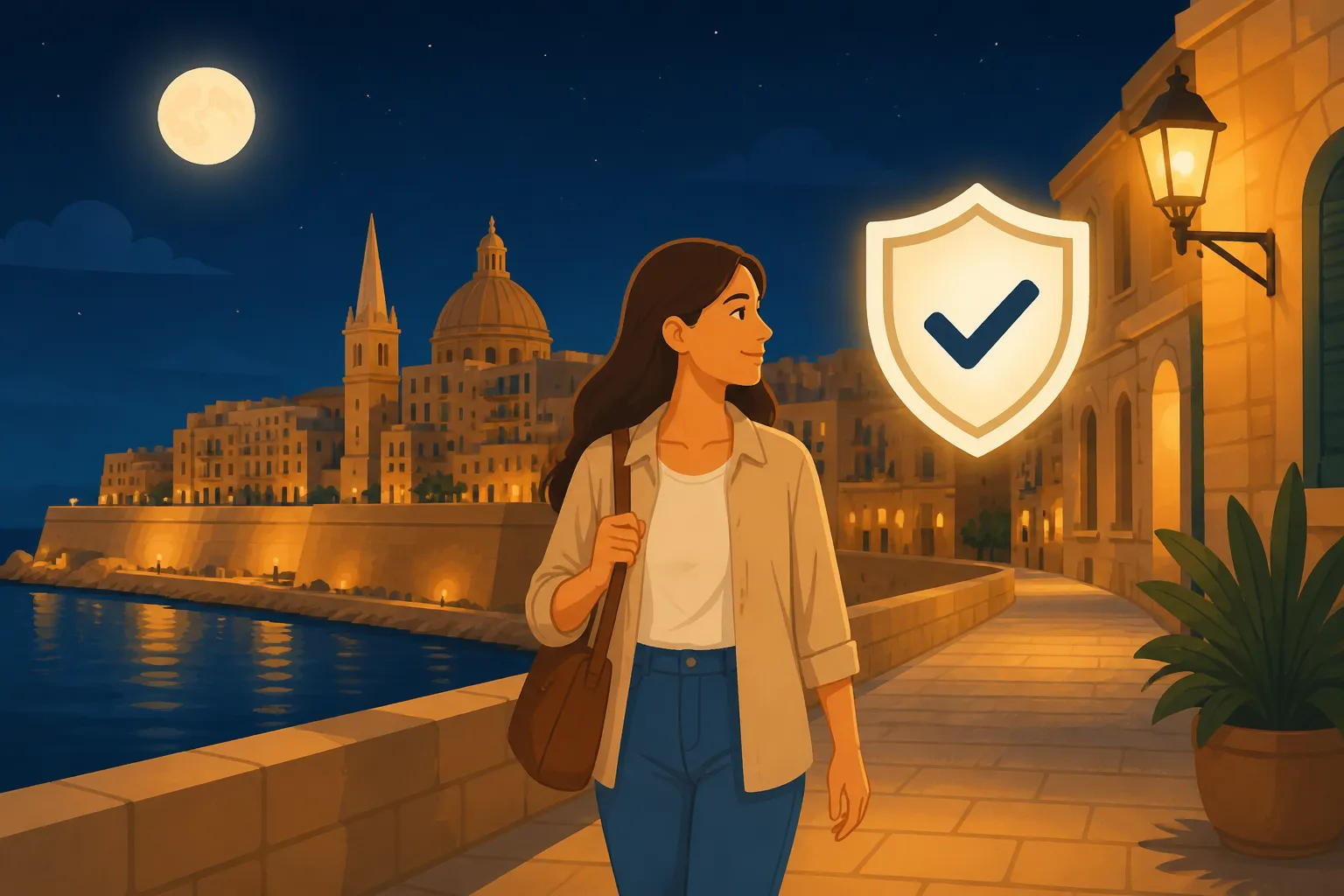
Valletta, Malta's stunning capital, transforms dramatically after dusk. During the day, it's a bustling hub of tourists and shoppers, but as evening falls, a serene quiet descends. Many of its charming, narrow streets become almost deserted, save for a few diners spilling out from restaurants or late-strolling couples. This can be incredibly beautiful and romantic, offering a different, more tranquil side to the city.
However, the quiet also means fewer people around if you were to need assistance. While serious incidents are rare, walking alone down a completely empty, dimly lit street might feel unsettling for some. The primary concern here is more about feeling vulnerable due to isolation rather than a high threat of crime. Stick to the main thoroughfares and well-lit areas if you're walking alone, and be extra cautious if you decide to explore the less-frequented side streets. If you're out enjoying an evening meal and want to ensure you have a way to get back, perhaps look into the late bus services or pre-book a taxi. Remember, it's always a good idea to keep tabs on your phone battery and data, especially when exploring new places. If you’re worried about connectivity while abroad, a reliable eSIM from a provider like Airalo can be a lifesaver, ensuring you always have data for maps or ride-sharing apps.
Practical Tips for Staying Safe After Dark in Malta
Feeling safe at night isn't just about where you are, but also about how you carry yourself and the precautions you take. As an expat, you might find yourself out and about more, meeting new people and exploring, so these tips become even more crucial.
Planning Your Journey Home
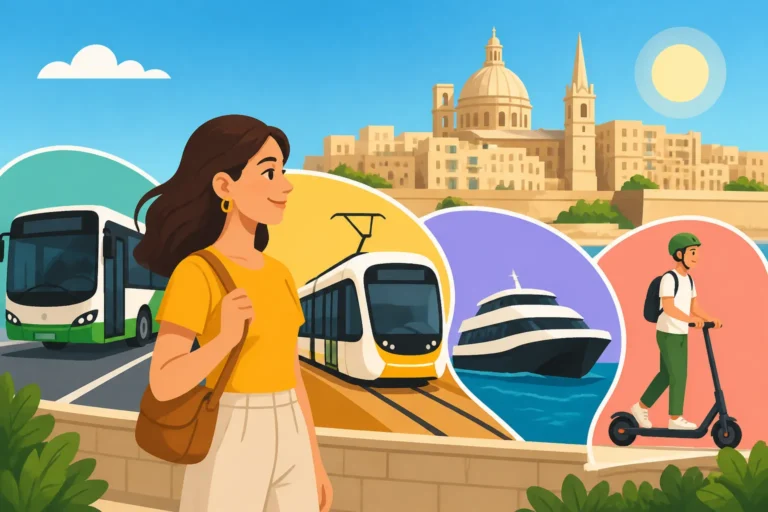
One of the most important aspects of staying safe at night is knowing how you'll get home. Don't leave it to chance, especially if you've had a few drinks. Malta's public transport, while much improved and often free for Tallinja card holders, can be less frequent after certain hours, particularly outside the main arterial routes. You can find more information about this in guides like Public Transport in Malta: Free Bus Travel and the Tallinja Card. If you're relying on buses, check the schedule in advance.
Ride-sharing apps like Bolt or eCabs are very popular and generally reliable in Malta. They offer a convenient and safer alternative to flagging down a random taxi. Always confirm the driver and vehicle details match what's displayed on your app before getting in. If you're with friends, consider sharing a ride. For those living a bit further out, like in Gozo, plan your ferry times or consider if staying overnight is a better option. Sirelo, while primarily a moving platform, reminds us that good planning and preparation make any transition smoother, and that applies just as much to your evening plans as it does to your big move.
Personal Awareness and Valuables
It might sound obvious, but staying aware of your surroundings is paramount. Avoid walking with headphones blaring, making you oblivious to what’s happening around you. Try to walk confidently and purposefully, even if you’re unsure of your exact route. If you look lost or vulnerable, you might become an easier target for opportunistic petty crime.
When it comes to valuables, the less you flash, the better. Keep your phone out of sight when not in use, secure your wallet in an inside pocket, and consider using a cross-body bag that’s harder to snatch. If you absolutely need to use an ATM at night, choose one in a well-lit, busy area, and be discreet. Remember, even in a generally safe place, making yourself less of a target is always the smartest move. This isn't about paranoia, it's just about smart urban living, no matter where you are.
Trusting Your Gut and Avoiding Risky Situations
Sometimes, a situation just feels "off." It’s an instinctive feeling, and it’s important to listen to it. If a street seems too dark, too deserted, or if you feel uneasy about someone nearby, change your route, cross the street, or duck into a well-lit establishment like a shop or restaurant. There's no shame in prioritising your safety.
Avoiding walking alone, especially if you’ve been drinking, is always a good idea. If you're out with friends, try to leave together, or make sure everyone has a safe way home. It’s also wise to let someone know where you’re going and when you expect to be back, particularly if you’re venturing out alone. Whether you’re just starting your journey and asking What Should I Do in My First Week After Moving to Malta? or you’ve been here for years, establishing a support network of friends who look out for each other makes a huge difference.
Staying Connected: The Power of Your Phone
Your mobile phone is more than just a device for scrolling through social media; it’s a critical safety tool. Ensure it’s fully charged before you head out, and if you’re planning a long night, consider carrying a portable power bank. Having battery means you can call for help, use maps to navigate, or book a ride-sharing service.
Reliable mobile data is also essential. For newcomers, getting local connectivity can sometimes be a hurdle, but services like Airalo offer eSIMs that provide immediate data access upon arrival, meaning you're never truly disconnected. This is particularly useful when you haven't yet sorted out a local SIM card, or if you're travelling around the island. Knowing you can always reach someone or access crucial information is a huge part of feeling secure. If you’re still trying to figure out your phone situation, you might want to read How Do I Get a Maltese Phone Number Without a Residence Card?.
What to Do in an Emergency: Knowing Your Contacts
Even with all the precautions, emergencies can happen. Knowing exactly who to call and what to do can make all the difference, especially when you're in a new country and perhaps still grappling with local customs and systems.
Immediate Assistance: Police and Medical Services
In Malta, the universal emergency number is 112. This single number connects you to all emergency services: police, ambulance, and fire department. It's free to call from any phone, including mobile phones, even if you don't have credit. When you call, clearly state which service you need and your location. Try to stay calm and provide as much detail as possible about the situation. The operators generally speak English, which is a huge relief for expats.
If you require urgent medical attention that isn't life-threatening, but still needs prompt care, you can head to the Accident & Emergency department at Mater Dei Hospital in Msida. For a more detailed understanding of Malta's emergency services, check out Emergency Medical Care in Malta: 112, A&E, and Urgent Help. Knowing these resources before you need them is a proactive step towards your safety.
Reporting Incidents and Seeking Support
Should you unfortunately become a victim of a crime, even a minor one like pickpocketing, it's important to report it to the police. This is crucial not just for potential recovery of stolen items, but also for insurance claims and to help authorities track crime patterns. You can go to the nearest police station or call 112 if it's an immediate concern.
If you’ve experienced something like harassment, or simply feel shaken by an unsettling encounter, don't keep it to yourself. Reach out to friends, family, or local support groups. Building a social life in Malta and having a strong support network, as discussed in Building a Social Life in Malta: Community, Events, and Making Friends, is invaluable. There are also victim support services available in Malta that can offer emotional support and guidance on what steps to take. Remember, your well-being is the top priority, and help is available if you need it.
When you’re processing your residence permit through Identità, you'll eventually receive your eResidence card which serves as your official ID. While this is primarily for administrative purposes, knowing you have official identification that clearly states you are a resident is another layer of security. Keeping it safe and separate from other valuables is good practice. Getting Your Maltese eResidence Card and ID Number is often one of the first major steps in settling here.
| Area Type | General Nighttime Safety Impression | Common Concerns | Recommended Precautions |
|---|---|---|---|
| Paceville/St. Julian's | Moderate to Low (due to crowds/alcohol) | Pickpocketing, drunken altercations | Keep valuables secure, stay aware, pre-book transport, avoid isolated spots |
| Valletta | High (quiet, serene) | Deserted streets, feeling isolated | Stick to main roads, walk with purpose, ensure phone battery/data |
| Sliema Promenade | High (busy, well-lit) | Opportunistic bag snatching | Keep bag close, avoid displaying phone unnecessarily, walk with others |
| Residential Towns (e.g., Mosta, Attard) | High (peaceful, local) | Poor lighting in alleys, feeling isolated | Familiarise with routes by day, carry a small flashlight, avoid shortcuts through fields/empty lots |
| Gozo | Very High (extremely quiet) | Very dark roads, lack of people | Absolutely plan transport, inform someone of your whereabouts, be cautious on rural roads |
Disclaimer
The information provided in this guide is for general informational purposes only and does not constitute legal or professional advice. While we strive to provide accurate and up-to-date information based on general experience and publicly available data in Malta, situations can vary. We recommend consulting with appropriate local authorities or professionals for advice specific to your individual circumstances. Safety is a personal responsibility, and vigilance is always advised.