How Do I Collect My Free Medicines Under the POYC Scheme?
Navigating the administrative maze of a new country is never easy, and Malta’s healthcare system, while generous, has its own unique quirks that can leave you feeling a bit lost. I still remember standing in a crowded pharmacy in Sliema, clutching a crumpled prescription and having no idea why everyone else was handing over little yellow books instead of cash. This guide will solve that confusion by explaining exactly how to register for and collect your free medication through the Pharmacy of Your Choice (POYC) scheme.
Understanding the POYC Scheme and Who Qualifies
The Pharmacy of Your Choice (POYC) scheme is a national system in Malta designed to ensure that patients with chronic conditions or those with low income can access their necessary medications for free. Instead of having to trek to a state hospital or a specific government health centre every time you need a refill, the POYC allows you to register with a local private pharmacy near your home or workplace. This makes the process significantly more convenient for long-term residents.
Chronic Conditions and the Yellow Card
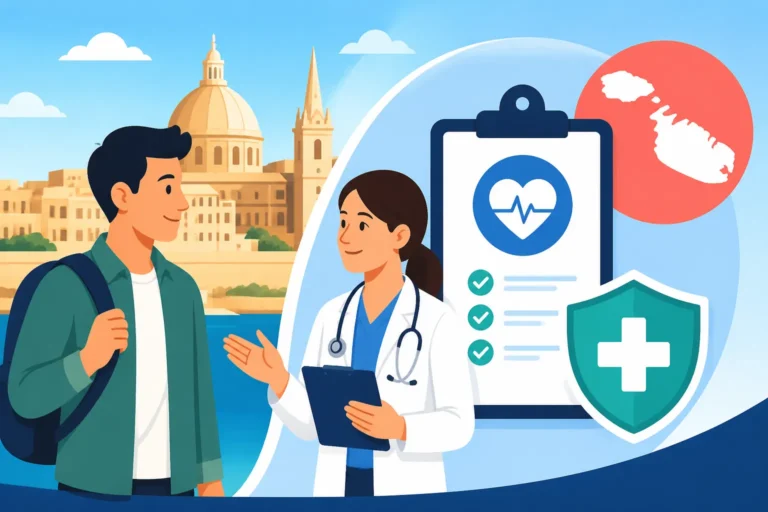
If you suffer from a chronic illness—ranging from asthma and hypertension to more complex conditions like diabetes or certain heart ailments—you are likely entitled to free medication under what is known as Schedule V. In expat circles, you’ll hear this referred to constantly as the "Yellow Card." This is a literal yellow document that lists the specific medications the state has agreed to provide you for free.
To get this, you cannot simply walk into a pharmacy with a foreign prescription. You must be diagnosed by a consultant registered in Malta, usually at Mater Dei Hospital or through a private specialist who then files the paperwork with the government. If you are still waiting for your Maltese social security or residency to be finalized, you might find that services like SafetyWing are helpful to cover your initial private specialist visits before you are fully integrated into the public system. Understanding Managing a Chronic Condition in Malta: Schedule V Medicines and Care is the first step toward getting your long-term health needs managed without breaking the bank.
Low Income Entitlement and the Pink Card
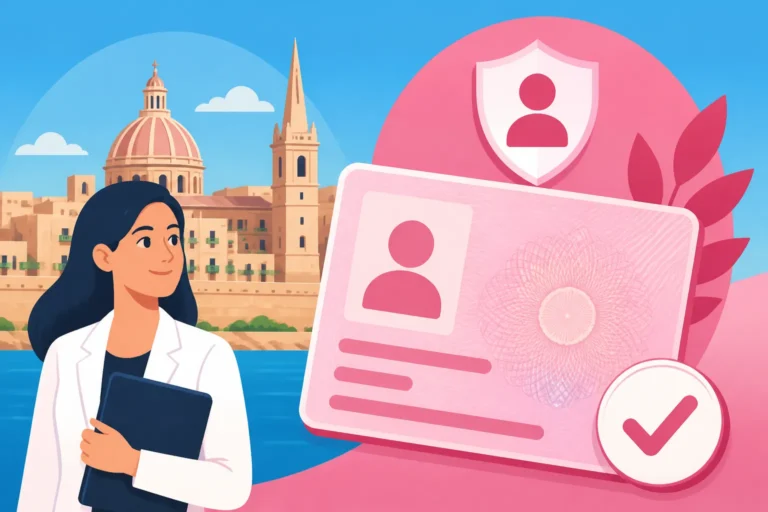
There is a second tier of entitlement known as Schedule II, often called the "Pink Card." This is generally reserved for individuals who are receiving certain social benefits or whose income falls below a specific threshold. Unlike the Yellow Card, which is condition-specific, the Pink Card often covers a broader range of basic medications, including some antibiotics and pain relief that wouldn't normally be free for the general public.
Eligibility for the Pink Card is handled by the Social Security department rather than just the health department. As an expat, qualifying for this can be a bit more complex as it depends heavily on your residency status and your social security contributions. If you’re unsure about your status, checking What Is the Schedule V (Pink Card) Scheme in Malta? can provide more granular detail on the income requirements.
The Role of Social Security Contributions
It is a common misconception that just having a Maltese ID card makes you eligible for free meds. The reality is that the POYC scheme is tied to your social security contributions (NI). If you are working in Malta and paying your Class 1 or Class 2 contributions, you are building your entitlement.
For those on a Nomad Residence Permit or retirees who might not be paying into the local NI system, the rules change. You may be required to have private coverage. Newcomers may want to look into SafetyWing as a flexible option while they figure out if they will eventually transition into the local social security framework. You can read more about how this works in Healthcare on a Visa-Based Permit in Malta: Nomads, Retirees, and Investors.
The Step-by-Step Registration Process
Registering for the POYC is not a "one and done" task; it’s a process that requires a bit of patience and several signatures. You’ll need to start with a medical professional who is recognized by the Maltese health authorities.
Visiting a Specialist or GP
Your journey usually starts at a local health centre or a private clinic. If you have a chronic condition, a general practitioner (GP) will need to refer you to a consultant at Mater Dei. It is the consultant who fills out the "Schedule V" application form. They will list the exact dosage and type of medication you need.
During this waiting period—which can take a few weeks for the paperwork to be processed—you will have to pay for your medications out of pocket. This is another area where having supplemental insurance like SafetyWing can be a lifesaver, as it can help manage costs if you need to see private specialists to speed up the referral process. Once you have your consultant's signature, the form is sent to the Entitlement Unit. To get started with a local doctor, see Registering with a Health Centre and Choosing a GP in Malta.
Submitting Paperwork to the Entitlement Unit
The Entitlement Unit, located at St Luke’s Hospital in Gwardamanġa, is the central hub for processing these applications. In my experience, it’s best to ensure every part of the form is legible. If there’s a typo in your ID card number or the drug name, the form will be sent back, and you’ll be back at square one.
Once processed, you will receive your Yellow Card or Pink Card by mail. This card is your "passport" to free medicine. It doesn't mean you can go to the pharmacy yet, though. You still need to "link" yourself to a specific pharmacy. This is a crucial step that many expats overlook, leading to frustration at the pharmacy counter.
Choosing and Linking Your Pharmacy
Malta has hundreds of pharmacies, and almost all of them participate in the POYC scheme. You need to choose one that is convenient for you. Go to your chosen pharmacy with your Yellow/Pink Card, your Maltese ID card, and a recent prescription from your doctor.
The pharmacist will give you a registration form for the POYC scheme. Once you sign this, you are "locked in" to that pharmacy for your free medications. You cannot pick up your free meds from a pharmacy in St Julian's one month and then one in Mellieħa the next unless you go through a formal transfer process. This system helps the government manage stock levels across the islands. For a deeper look at this specific mechanic, check How the POYC Pharmacy of Your Choice Scheme: How to Collect Free Medicines.
| Feature | Yellow Card (Schedule V) | Pink Card (Schedule II) |
|---|---|---|
| Eligibility | Specific Chronic Conditions | Low Income / Social Benefits |
| Medication Range | Only drugs listed on the card | Broad range of "essential" drugs |
| Renewal | Usually every 1 to 5 years | Often requires annual review |
| Primary Requirement | Consultant's Diagnosis | Social Security Assessment |
| Pharmacy Choice | Registered Private Pharmacy | Registered Private Pharmacy |
How to Collect Your Medication
Once you are registered and linked to a pharmacy, the actual collection process is relatively straightforward, provided you follow the rules. In Malta, the government usually provides a two-month supply of medication at a time.
The Collection Cycle
You can’t just walk in whenever you feel like it. The system works on a strict cycle. Your pharmacist will tell you when your "window" for collection is open. Usually, this is every eight weeks. When you go to collect, you must bring:
- Your Maltese ID Card.
- Your Yellow or Pink Card (Schedule V/II).
- Your POYC Permit (the document issued after you linked to the pharmacy).
If you are unable to go yourself, you can send someone else, but they must bring your original documents and their own ID card. The pharmacist will log the collection in the national database, and you’ll sign for the receipt of the items. If you are curious about the broader pharmacy landscape, Pharmacies and the POYC Scheme: Getting Medicines in Malta offers an excellent overview.
Dealing with Out-of-Stock Items
This is the part where "I've-been-there" realism is necessary. Sometimes, the government-provided stock runs out. You might go to your pharmacy only to be told that your specific blood pressure medication is "out of stock" (OOS) at the national stores.
When this happens, the pharmacist cannot simply give you the medication from their private shelf for free. You have two choices: wait for the government stock to be replenished (which can take days or weeks) or buy the medication privately. This is a common frustration for expats. If your medication is critical and OOS is a frequent issue, having a solid insurance plan like SafetyWing can provide peace of mind, especially if you need to seek private alternatives or different brands not covered by the basic scheme.
Prescriptions and Renewals
Even with a Yellow Card, you still need a valid prescription from a doctor to actually "trigger" the dispensing of the medicine. These prescriptions usually last for six months or a year. It is wise to keep an eye on the expiration date of both your medical prescription and your Yellow Card itself.
If your Yellow Card expires, the pharmacy system will automatically block the free dispensing, and you’ll have to pay full price until the Entitlement Unit renews it. If you ever find yourself needing a quick prescription update or a sick note to explain a gap in treatment, How Do I Get a Sick Certificate from a Doctor in Malta? can guide you through that process.
Managing Your Healthcare Costs and Logistics
While the POYC is a fantastic benefit, it isn't a complete replacement for a comprehensive health strategy. There are gaps, and as a foreigner, you need to be proactive.
When the POYC Doesn't Cover You
Not every drug is on the "Government Formulary List." If your specialist prescribes a brand-new, high-end medication that isn't yet approved for free distribution, you will have to pay for it yourself. This is where the distinction between public and private care becomes very clear in Malta.
Many expats choose to use the public system for chronic, life-long meds via the POYC but keep private insurance for faster access to specialists and coverage for non-formulary drugs. If you’re still in the process of getting your Maltese ID, remember that Private Health Insurance Requirements for Non-EU Permit Holders in Malta is a legal necessity for your visa, and providers like SafetyWing are often used by those who need flexible, international-standard coverage during their transition.
Moving or Changing Pharmacies
Life happens—you might move from a busy apartment in Gżira to a quiet house in Naxxar. If you move, you'll want to change your POYC pharmacy. You cannot just show up at the new one. You must go to your current pharmacy and ask for a transfer form. They will sign you out, and then you take that paperwork to the new pharmacy to sign you in.
This process can take a week or two to reflect in the computer system, so never try to switch pharmacies when you are down to your last two days of pills. Always plan your transfer right after a collection so you have a two-month buffer.
Digital Health Tools in Malta
The Maltese government has been digitizing the health system rapidly. The "myHealth" portal is a tool you should definitely register for. It allows you to see your electronic records, see which medicines you are entitled to, and even see when your last POYC collection was logged. It’s a great way to keep track of your "Yellow Card" expiration dates without having to dig through a filing cabinet.
Managing your health in a new country is a marathon, not a sprint. By understanding the POYC scheme, staying on top of your paperwork, and having a backup plan like SafetyWing for those times when the local bureaucracy moves a bit too slowly, you can ensure that your move to the Mediterranean remains healthy and stress-free. For more on the logistics of the public system, don't miss Private Healthcare and Insurance in Malta: When You Need Cover.
Disclaimer
The information provided in this guide is for educational and informational purposes only and does not constitute legal, financial, or medical advice. Healthcare regulations and entitlement criteria in Malta are subject to change by the Ministry for Health and the POYC Department. Always verify your specific eligibility with the Entitlement Unit or your local health centre. For personal medical concerns, please consult with a qualified healthcare professional registered in Malta.