How Do I Get a Health Check-up as a New Resident in Malta?
Navigating a new healthcare system is often the most stressful part of relocating, especially when you are juggling boxes, residency appointments, and a new job. I remember sitting in my first unfurnished apartment in St. Paul's Bay, feeling a persistent cough and having absolutely no idea where the nearest doctor was or if I was even allowed to see one yet. This guide eliminates that "lost in the Mediterranean" feeling by walking you through exactly how to secure a health check-up in Malta, whether you are using the public system or opting for private care.
Understanding the Maltese Healthcare Landscape for Newcomers
Malta offers a dual healthcare system that is, frankly, quite impressive for a small island nation, but it can be confusing for someone used to a different setup. You have the public system, which is funded through social security contributions, and a thriving private sector. As a new resident, your first hurdle isn't finding a doctor—there are plenty—it’s determining which door you are allowed to walk through and what it will cost you once you’re inside.
Public versus Private Systems
The public system is centered around Mater Dei, the primary state hospital, and a network of regional health centres. If you are working in Malta and paying social security, you are generally entitled to free care here. However, entitlement isn't automatic from the moment you land; there is a registration process. During those first few weeks or months, many expats rely on international providers like SafetyWing to bridge the gap until their local papers are processed. This ensures you aren't hit with unexpected bills if you need a check-up before your Health Entitlement in Malta: How Social Security Contributions Unlock Free Care is fully verified.
The private system is often the preferred route for routine check-ups and non-emergencies among the expat community. It consists of private hospitals like St. James and DaVinci, as well as hundreds of independent clinics located in the back of local pharmacies. The main advantage here is speed. While the public system is excellent for major issues, the waiting times for a routine, non-urgent "well-person" check-up can be lengthy.
The Role of the Health Centre
In the public system, you don’t typically go to a large hospital for a check-up. Instead, you visit a "Health Centre" (known locally as the bereġ). These are the gatekeepers of the public system. There are primary centres in towns like Floriana, Mosta, and Paola that stay open 24/7, and smaller branch clinics in almost every village. Knowing Which Health Centre Do I Go to After Moving to Malta? is essential because the public system is strictly geographical; you must attend the centre assigned to the locality where you live.
How to Access a Routine Check-up through the Public System
If you have settled in and have your residency sorted, the public system is your most cost-effective route. It is a robust system, but it requires patience and a bit of administrative legwork. You cannot simply walk in and demand a full body scan; you start with a consultation.
Registering with your Local Health Centre
Before you can book a check-up, you must be in the system. This starts with Getting Your Maltese ID Card Number: The Key to Accessing Healthcare. Once you have your eResidence card, you should visit your local health centre to register. Bring your ID card, your work contract, and your most recent payslip showing social security contributions.
Once registered, you can see a General Practitioner (GP). In Malta, the GP is the one who decides which tests are necessary for a check-up. You’ll sit in a waiting room—often for a while, as it's usually a first-come, first-served basis—and explain that you want a general health assessment. The doctor will then issue "chits" or referrals for blood tests, X-rays, or other screenings.
Booking the Appointment and myHealth
Once the GP has ordered your tests, you don't always do them right then and there. For blood tests, you’ll often be given an appointment for a future date. A very useful tool for newcomers is the online portal. Learning How Do I Register on the myHealth Portal in Malta? is a game-changer. This portal allows you to see your test results online and track your medical history without having to trek back to the health centre just to ask if your cholesterol is okay.
Opting for Private Health Check-ups: Speed and Convenience
I will be honest with you: most expats I know choose the private route for their annual check-ups. The public system is great for emergencies, but when you just want a proactive look at your health without spending three mornings in a waiting room, private is the way to go.
Why Many Expats Go Private
The efficiency of private care in Malta is hard to beat. You can often call a pharmacy clinic in the morning and see a GP that afternoon for a fee ranging from €15 to €35. For a more comprehensive "Executive Check-up" or "Well-Woman/Man" package at a private hospital, you might pay between €150 and €500. This usually includes a battery of tests, a consultation with a specialist, and a full report, all completed within a few hours.
If you are a digital nomad or a frequent traveler, having a global plan like SafetyWing can provide a sense of security while you navigate these private options. Many private clinics will provide you with the detailed receipts and medical reports necessary for any claims or for keeping your global medical records up to date.
Choosing a Private Clinic or Hospital
You have several choices when going private. The major hospitals offer comprehensive packages. Alternatively, you can find a specific specialist by Finding a Doctor in Malta: GPs, Specialists, and the Referral System. Many people find their "regular" doctor by visiting the clinic at their local pharmacy. In Malta, pharmacies are more than just shops; they are community health hubs where doctors hold regular hours. You can simply call the pharmacist and ask when the GP is in.
| Feature | Public Health Centre | Private Pharmacy Clinic | Private Hospital |
|---|---|---|---|
| Cost | Free (if entitled) | €15 – €35 per visit | €150 – €500 (packages) |
| Wait Time | Hours to Weeks | Minutes to Days | Appointment-based |
| Registration | Required (ID/Social Security) | None (Walk-in/Call) | None (Appointment) |
| Test Results | via myHealth or Post | Physical/Digital | Comprehensive Report |
| Atmosphere | Functional/Busy | Small/Community | Modern/Efficient |
What a Standard Health Check-up Includes in Malta
Whether you go public or private, the components of a health check-up in Malta are fairly standard. However, the depth depends entirely on your age, gender, and risk factors. Maltese doctors are generally very thorough but don't like to over-test without cause.
Typical Tests and Screenings
A baseline check-up will usually start with a physical exam: blood pressure, heart rate, and BMI. Following this, a doctor will typically order a "Full Blood Count" (FBC), glucose levels (to check for diabetes), and a lipid profile (cholesterol). If you are over a certain age, the doctor will discuss Preventive Health and Screening Programmes for Adults in Malta, which might include colon cancer screening or bone density tests.
For women, this often includes a cervical screening (Pap smear). In the public system, you will be invited for this periodically once you are registered. If you wish to have one done outside of the invitation window, you can easily arrange this through a private gynecologist.
Costs and Coverage Considerations
If you don't yet have your entitlement or are waiting for How to Register for Health Entitlement with the Entitlement Unit in Malta to be processed, you will be charged as a "non-entitled" person at public hospitals. These rates are significantly higher than private clinic fees. For example, a simple A&E visit as a non-resident can cost hundreds of euros. This is why having private insurance like SafetyWing is vital during your transition period. It covers you while the Maltese bureaucracy catches up with your new life on the island.
Practical Tips for New Residents
The "Maltese way" of doing things often relies on who you know and how prepared your paperwork is. Don't let the relaxed island vibe fool you; the medical administration can be quite rigid.
Dealing with Paperwork and the ID Card
Always, and I mean always, carry a photocopy of your ID card and your social security record. When you go for a check-up, the first thing the receptionist will ask for is your ID. If you are an EU citizen and haven't received your Maltese ID yet, make sure you know Registering with a Health Centre and Choosing a GP in Malta procedures for those using an EHIC card. It can save you from being turned away or charged the non-resident rate.
Keeping Your Records Organized
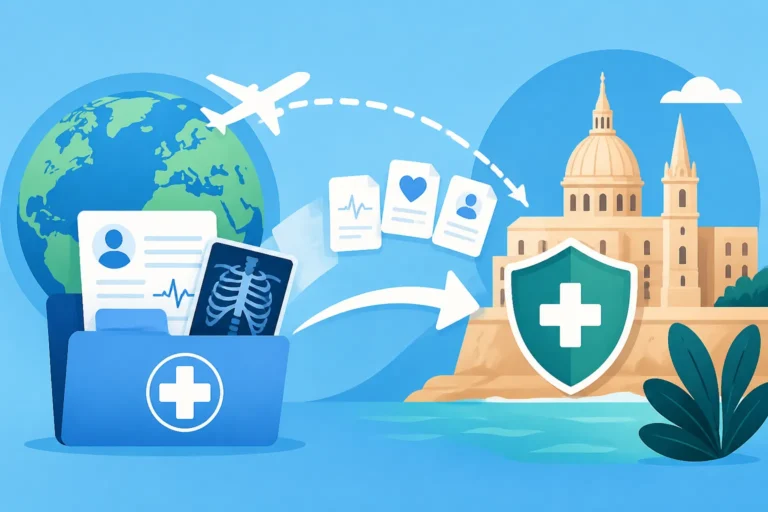
Malta is slowly moving toward a fully digital system, but there is still a lot of paper floating around. When you get a private check-up, you will be handed a folder of results. Keep these! If you eventually transition to the public system for a specific issue, the doctors at Mater Dei and Beyond: A Guide to Malta's Public Hospitals and Health Centres will find those previous private results incredibly helpful.
Furthermore, if you use a service like SafetyWing, keeping digital scans of these reports allows you to maintain a continuous health history even if you move away from Malta later. It’s about building a portable health identity that isn't trapped in a single doctor's filing cabinet in a village in Malta.
Advanced Health Monitoring and Preventive Care
Once you have your initial check-up out of the way, you should think about long-term health maintenance. Malta’s climate is beautiful, but the humidity in winter and the intense heat in summer can affect your health in ways you might not expect.
Seasonal Health Checks
Many long-term residents schedule their check-ups just before the summer heat hits in June. This is a good time to check hydration levels, skin health (given the high UV index), and respiratory health. The high humidity in old Maltese stone houses can sometimes lead to mold issues, which can trigger allergies or asthma. Mentioning your living conditions to your GP during a check-up is a very "local" and smart thing to do.
Specialist Access and Follow-ups
If your check-up reveals something that needs more attention, the route you take depends on your budget. In the public system, your GP will write a referral. You will then wait for a letter in the mail with an appointment date at Mater Dei. In the private system, you can often book a specialist yourself within the week. For those on a budget, a hybrid approach is common: pay for the private consultation to get the diagnosis quickly, then use that diagnosis to access the public system for long-term treatment or medication.
Disclaimer
This guide is intended for informational purposes only and does not constitute professional medical or legal advice. Healthcare regulations and entitlement criteria in Malta can change; always verify the latest requirements with the official Health Department or Identità website. The mention of private insurance providers like SafetyWing is for contextual purposes for new residents and does not replace a thorough review of your own insurance needs.