Is Maternity Care Free in Malta?
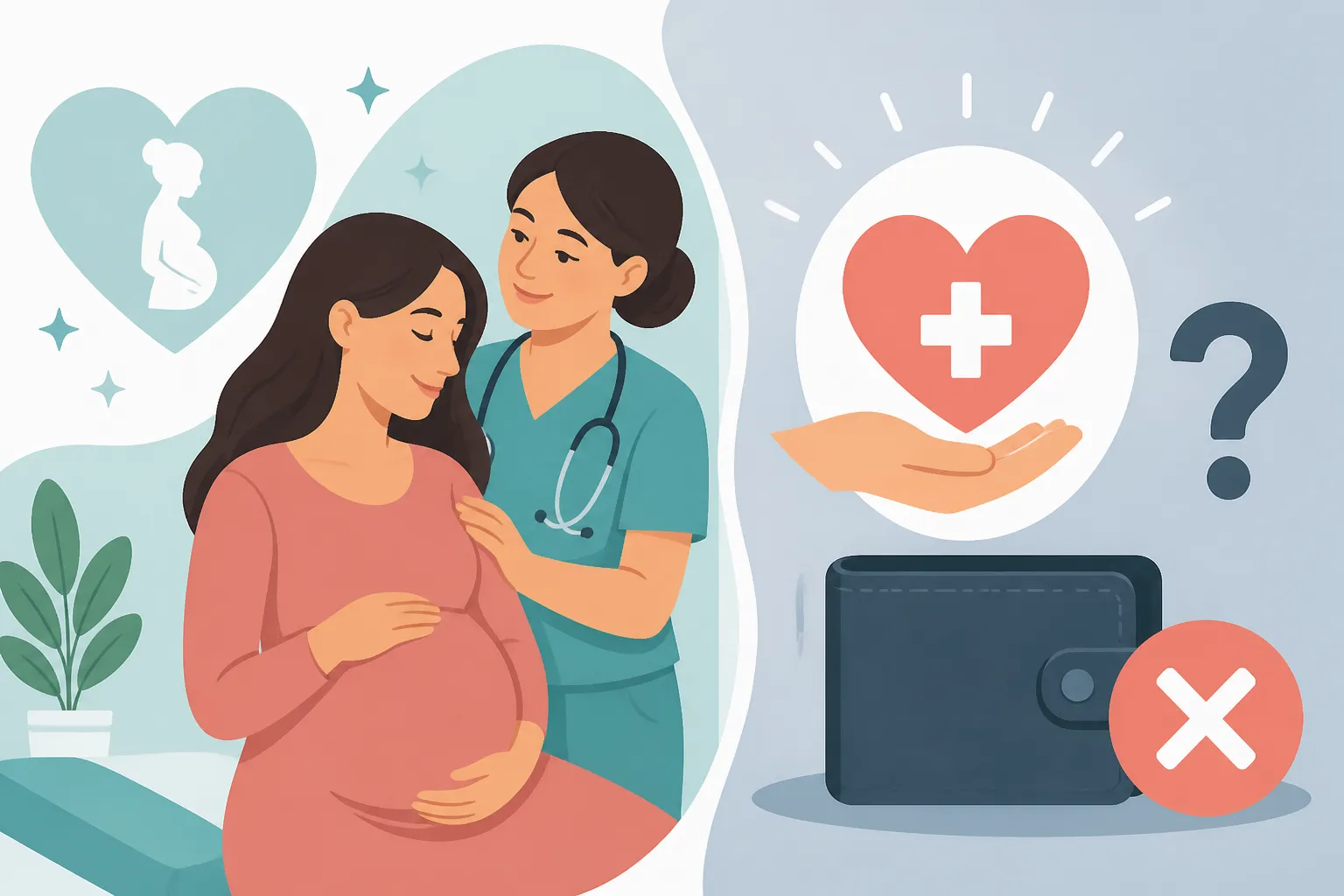
Navigating a pregnancy in a foreign country is naturally overwhelming, especially when you are staring at a stack of Maltese administrative forms and wondering if you'll be hit with a massive hospital bill. I remember the distinct panic when I first arrived in Sliema and couldn't figure out if my local Social Security payments actually covered my ultrasounds. This guide solves that mystery for you, detailing exactly who qualifies for free maternity care in Malta and what to expect if you go private.
The Reality of Public Maternity Care Entitlement in Malta
In Malta, the question of whether maternity care is "free" depends entirely on your residency status and your contribution to the local system. If you are an employee on a single permit or an EU citizen living here permanently, you are likely already paying into the Social Security system. These Social Security contributions are the golden ticket to accessing the public healthcare system at Mater Dei Hospital in Msida.
For those who are contributing, the public system is remarkably comprehensive. It covers everything from your very first consultant appointment to the final discharge from the postnatal ward. However, simply "living" in Malta does not grant you automatic access to free care. The system is contribution-based, meaning you must be paying Class 1 or Class 2 National Insurance (NI) to unlock these benefits.
If you are a Third Country National (TCN) working on a single permit, you are entitled to the same care as a local. But what happens if you haven't started working yet or are here on a different permit? This is where many newcomers face a financial shock. If you haven't yet registered for health entitlement, the hospital may bill you as a private patient, which can lead to significant out-of-pocket costs for emergency visits or early scans.
Who Qualifies for Free Public Care
Eligibility is generally split into three main categories. Understanding where you fall is the first step in avoiding unexpected invoices.
- EU/EEA and Swiss Nationals: If you are a citizen of an EU country, you can use your European Health Insurance Card (EHIC) for necessary care during a temporary stay. However, if you have moved to Malta permanently, you should Transferring EU Health Rights to Malta with an S1 Form or EHIC to ensure long-term coverage.
- Employed and Self-Employed Residents: If you are working and paying NI in Malta, you and your dependent family members are covered. This is the most common way expats access the system. It is vital to ensure your employer is actually making these payments, as a gap in your record can cause issues at the Entitlement Unit.
- Nomad Residence Permit Holders and Investors: This is a gray area for many. Generally, if you are not paying Maltese Social Security, you are not entitled to free public healthcare. You are legally required to hold private insurance. For digital nomads, a plan like SafetyWing Nomad Insurance Complete is often the best fit because it specifically includes maternity coverage, unlike their more basic travel-only plans.
For those navigating these permit types, knowing How Malta's Public Healthcare Works: Entitlement, Contributions, and Costs is essential before you even think about booking that first midwife appointment.
The Public Path: From GP to Mater Dei
The public maternity journey in Malta is quite structured. Once you suspect you are pregnant, your first stop should be a General Practitioner (GP). You can find a GP at your local Registering with a Health Centre and Choosing a GP in Malta. The GP will confirm the pregnancy and issue a referral letter to the Obstetrics and Gynaecology department at Mater Dei Hospital.
Once Mater Dei receives your referral, you will be assigned a consultant. Unlike some other countries where you might primarily see a midwife in a community setting, the Maltese system is very hospital-centric. Most of your antenatal check-ups, scans, and blood tests will take place at the Mater Dei Outpatients department.
The standard of care is high, and the medical staff are incredibly skilled. However, the "I've-been-there" reality is that public clinics can be busy. Expect long wait times in the outpatient waiting rooms—sometimes two to three hours past your scheduled slot. Bring a book, a snack, and plenty of patience. Despite the wait, the medical attention you receive is thorough, and the specialists are well-versed in handling complex cases. If you are worried about the language barrier, rest assured that almost all medical staff speak excellent English.
What is Included in the Public Package
If you are entitled, the following services are provided at zero cost at the point of use:
- Antenatal Consultations: Regular check-ups with your assigned consultant and their team.
- Ultrasounds: Usually, the system provides two to three routine scans (dating scan and anomaly scan).
- Blood Tests and Screenings: Routine checks for iron levels, gestational diabetes, and other standard markers.
- The Birth: All costs related to labor, delivery (including C-sections), and hospital stay.
- Postnatal Care: Midwife visits at home in the first few days and follow-ups at Family and Children's Healthcare in Malta: Maternity, Well-Baby, and Beyond.
| Service Component | Public System (Entitled) | Private System (Estimated) |
|---|---|---|
| Initial Consultant Visit | Free | €70 – €120 |
| Routine Ultrasound | Free | €100 – €150 |
| Natural Birth (Hospital Stay) | Free | €3,500 – €4,500 |
| C-Section (Hospital Stay) | Free | €5,000 – €6,500 |
| Epidural / Pain Relief | Free | Included in package |
| Postnatal Midwife Home Visit | Free | €30 – €50 per visit |
It is worth noting that while the medical side is free, some things are not. For instance, if you require specific medications during pregnancy, you might need to apply for a "Pink Card" or Schedule V entitlement to get them for free through The POYC Pharmacy of Your Choice Scheme: How to Collect Free Medicines.
Choosing the Private Route: Costs and Benefits
Many expats choose to go private for their maternity care in Malta, even if they are entitled to the public system. The primary reasons are choice and comfort. In the private system—at hospitals like St James in Sliema or DaVinci Health in Birkirkara—you can choose your specific obstetrician and see that same person for every single visit and the delivery itself.
Private maternity packages in Malta for 2026 generally hover around the €4,000 mark for a straightforward natural delivery. This usually includes a two-night stay in a private room, which is a major draw compared to the shared wards at Mater Dei. However, there is a catch: if complications arise during a private birth, the baby (and often the mother) will be transferred to Mater Dei anyway, as it is the only hospital on the island equipped with a Level 3 Neonatal Intensive Care Unit (NICU).
If you are considering this route, you must check your insurance policy. Standard travel insurance almost never covers pregnancy. However, SafetyWing Nomad Insurance Complete is designed for long-term expats and includes maternity benefits after a waiting period. This can be a lifesaver for those who want private room comfort without the full €5,000 sting to their savings account. For more on this, look into Private Healthcare and Insurance in Malta: When You Need Cover to see how to bridge the gap.
Maternity Benefits and Social Security
Beyond the medical care itself, there are financial benefits provided by the government. In Malta, the How Do I Claim the Maternity Benefit in Malta? process is handled through the Department of Social Security.
Eligible mothers are entitled to 18 weeks of maternity leave. The first 14 weeks are paid by your employer at your full salary. The remaining 4 weeks are paid by the government at a flat rate. Even if you are self-employed or not currently working, you may still be eligible for a basic "Maternity Benefit" or a "Maternity Leave Benefit" if you meet certain residency and contribution criteria.
Make sure you have your Getting Your Maltese ID Card Number: The Key to Accessing Healthcare sorted early. You cannot apply for these benefits, or even easily register for health entitlement, without your eResidence card. The bureaucracy can be slow, so start your residency applications as soon as you land.
Practical Tips for Expectant Expats
The transition into the Maltese health system can feel like a maze. Here are a few "pro-tips" from someone who has seen the inside of the Entitlement Unit more times than I'd like to admit:
- The Entitlement Unit is Key: Your NI contributions don't automatically "tell" the hospital you are covered. You often need to visit the Entitlement Unit at St Luke's Hospital grounds in Pieta to get a certificate of entitlement. Take your contract, your last three payslips, and your ID card.
- Safety Net with SafetyWing: If you are in the "waiting period" for your residency card, you are in a vulnerable spot. Using SafetyWing Nomad Insurance Complete ensures that you aren't stuck with a massive bill if an emergency happens before your Maltese entitlement is officially rubber-stamped.
- Dual Tracking: Many people "dual track" their care. They see a private gynecologist for the shorter wait times and the personal relationship but keep their appointments at Mater Dei just in case they decide to give birth there for the safety of the NICU.
- Community Support: Join local Facebook groups for "Mums in Malta." The expat community here is incredibly supportive and can recommend specific consultants who are known for their bedside manner.
For a deeper dive into the specific hospitals you might encounter, I highly recommend reading Mater Dei and Beyond: A Guide to Malta's Public Hospitals and Health Centres.
Healthcare in Gozo
If you have chosen the quieter life on Malta's sister island, your experience will be slightly different. Healthcare in Gozo: Gozo General Hospital and Inter-Island Transfers explains that while Gozo General Hospital has a maternity ward, high-risk cases or premature births are often transferred to Mater Dei via helicopter or ambulance ferry. It’s a small detail that matters a lot when you are planning your birth environment.
Ultimately, maternity care in Malta is excellent, provided you have your paperwork in order. Whether you choose the bustling but expert care at Mater Dei or the quiet privacy of a clinic in Sliema, you are in good hands. Just remember: the paperwork is the hardest part of the labor—the rest the doctors can handle.
Disclaimer
The information provided in this article is for informational purposes only and does not constitute legal, financial, or medical advice. Healthcare regulations, social security contribution rates, and insurance policies in Malta are subject to change. Always verify your specific entitlement with the Entitlement Unit of the Ministry for Health and consult with a qualified medical professional for pregnancy-related concerns.