How Do I Find a Dentist Accepting New Patients in Malta?
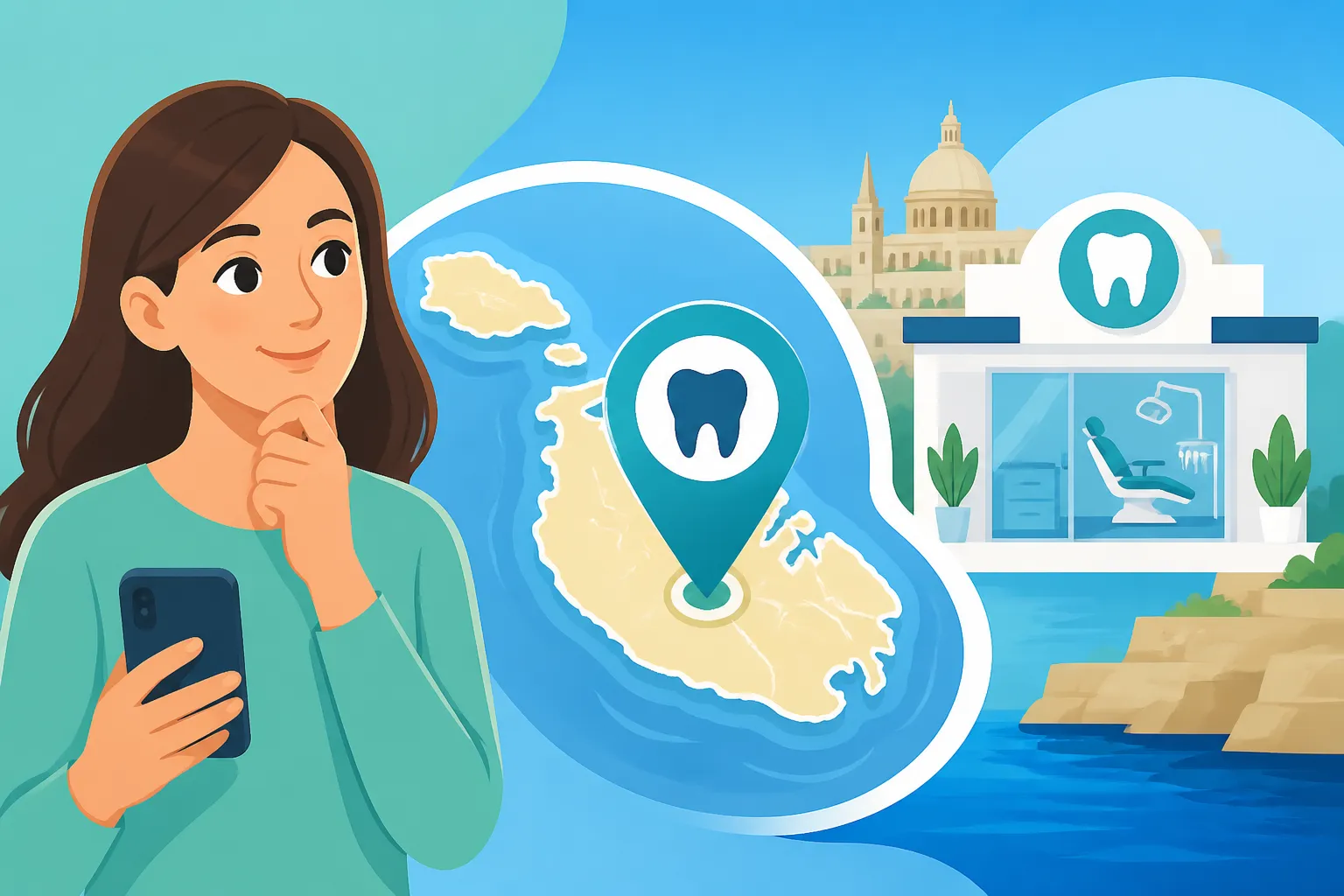
Finding a dentist accepting new patients in Malta can feel like a bit of a needle-in-a-haystack situation, especially when you're fresh off the boat or just realised your old filling decided to take a holiday. Believe me, I've been there, staring at Google Maps wondering if anyone would actually squeeze me in before my tooth started a full-blown rebellion. This guide is here to walk you through the ins and outs, making your search for quality dental care in Malta as painless as possible.
Navigating the Maltese Dental Landscape: Public vs. Private
One of the first things you'll notice about healthcare in Malta, and dental care is no exception, is the stark difference between the public and private sectors. For most foreign residents seeking routine or even urgent dental work, the private route quickly becomes the most practical, if not the only, option.
The Reality of Public Dental Care for Expats
Let's get this out of the way upfront: public dental care in Malta is quite limited. It's primarily focused on emergency interventions and essential treatments rather than comprehensive, preventative, or cosmetic services. If you have a severe infection, need an urgent extraction, or are experiencing intense pain, you can access the dental department at Mater Dei Hospital. However, even then, the service is often reactive, and follow-up care might point you towards the private sector. For instance, if you require a complex root canal, the public system might only offer extraction as the immediate solution, leaving you to pursue a more conservative treatment privately. It’s definitely not geared towards your annual check-up and cleaning, or getting that smile makeover you’ve been dreaming of. This often leads to frustration, particularly for those accustomed to more robust public dental provisions in their home countries. You'll quickly realise that while Malta has a public healthcare system, it operates differently from what you might expect for certain specialisations.
Why Private is the Go-To for Most Foreign Residents
For the vast majority of expats and tourists in Malta, private dental clinics are where it's at. This sector boasts a much wider array of services, from routine check-ups and hygienist appointments to advanced cosmetic dentistry, orthodontics, and specialised oral surgery. The benefits are numerous: shorter waiting times (often you can get an appointment within days, sometimes even hours for emergencies), access to modern equipment and technology, and the convenience of English-speaking staff. Given that English is an official language, you'll find most dentists and their teams are perfectly fluent, which is a huge relief when discussing complex procedures or simply trying to explain what's bothering you. You'll also encounter clinics that are much more aesthetically pleasing and offer a more comfortable patient experience, which, let's face it, helps when you're already nervous about a drill! Many clinics are situated in accessible areas, making them convenient to reach.
Your Step-by-Step Guide to Finding a Private Dentist in Malta
So, you've decided to go private. Excellent choice! Now, how do you actually find a good one that's currently accepting new patients? It might seem daunting at first, but with a bit of systematic searching, you’ll be flashing those pearly whites in no time.
Starting Your Search: Online Resources and Local Recommendations
The first port of call for many newcomers is, naturally, the internet. A quick Google search for "dentist Malta" or "dental clinic Sliema" (if you're in a popular expat area) will bring up a list of practices. However, don't stop there. Go beyond the first page and delve into reviews on Google, Facebook, and other local directories. Websites like Yellow Pages Malta can also be a good starting point, as they often list services by location.
Beyond the digital realm, local expat Facebook groups are invaluable. These communities are often brimming with recommendations, personal experiences, and candid advice. Ask for suggestions! People are usually more than happy to share their positive (or negative) experiences. You might get recommendations for specific clinics in popular areas like Sliema, St Julian's, or even quieter residential towns like Birkirkara or Mosta. Word-of-mouth is still king here, and a trusted recommendation from a fellow expat who has navigated the Maltese dental scene can save you a lot of time and potential headaches. Remember, what works for one person might not work for another, but it gives you a solid list to start calling.
What to Look For: English-Speaking Staff, Specialisations, and Clinic Modernity
When you're sifting through options or calling clinics, there are a few key things to consider to ensure you find a good fit. First and foremost, verify that the staff, particularly the dentist, speaks excellent English. While most will, it's always good to confirm, especially if you have complex dental needs or feel more comfortable communicating in your native tongue.
Secondly, think about your specific needs. Are you just looking for a general check-up and clean, or do you have a specific issue like wanting to explore orthodontics, cosmetic work, or need a wisdom tooth extracted? Some clinics specialise, or have dentists within their practice who do. For example, some clinics might have an in-house orthodontist, while others might refer you elsewhere. If you have children, inquire about family-friendly clinics or those with paediatric dentists.
Lastly, consider the clinic's modernity and hygiene standards. While you can often get a feel for this from online photos or virtual tours, a quick visit to the clinic for a consultation can also give you a better idea. Does it look clean and well-maintained? Do they use up-to-date technology? These factors contribute significantly to both the quality of care and your comfort level. Remember, you can always Can I See a Doctor in English in Malta?, and this extends to dentists too.
Making the Call: Essential Questions to Ask a New Clinic
Once you've shortlisted a few clinics, it's time to pick up the phone. Don't be shy about asking questions – you're looking for a service provider, and it's your health at stake!
Here’s a checklist of crucial questions to ask:
- Are you currently accepting new patients? This is your absolute first question. Many popular clinics can have full books.
- What is the typical wait time for a new patient appointment (e.g., for a check-up and clean)? This will give you an idea of their availability.
- What are your fees for a new patient consultation, a basic check-up, and a standard cleaning? Get clear pricing upfront to avoid surprises.
- Do you offer emergency appointments, and what is the procedure if I have an urgent issue? Knowing this in advance is a huge stress reliever.
- What payment methods do you accept? Do you offer any payment plans for more extensive work? Some clinics might have options for larger treatments.
- Is the clinic easily accessible by public transport, and do you have parking? Practical considerations for getting there.
- Do you have specialists (e.g., orthodontists, oral surgeons) on staff, or do you refer out for specialised procedures?
- Do you provide digital X-rays or other advanced diagnostic tools? This speaks to their modernity.
Be prepared to briefly explain your needs. For instance, if you’re trying to understand Dental Care in Malta: Public Provision, Private Dentists, and Costs, asking about specific procedure costs is key.
| Feature | Public Dental Care (Mater Dei Hospital) | Private Dental Clinics in Malta |
|---|---|---|
| Primary Focus | Emergency treatment, urgent extractions, basic pain relief | Comprehensive general dentistry, cosmetic, orthodontics, prevention, oral surgery |
| Accessibility | Walk-in emergency (often long waits), referral for limited non-urgent care | By appointment (quicker access), same-day/next-day often possible for emergencies |
| Services Offered | Basic extractions, temporary fillings for pain, limited conservative treatment | Check-ups, cleanings, fillings, root canals, crowns, bridges, implants, veneers, braces |
| Cost | Generally free at point of use for eligible residents | Paid service; prices vary by clinic and procedure |
| Waiting Times | Can be very long, especially for non-life-threatening issues | Generally short, often within a few days |
| Staff Language | Maltese and English-speaking staff | Predominantly English-speaking, often multilingual |
| Technology/Comfort | Functional, clinical environment | Modern equipment, comfortable settings, patient-focused amenities |
Understanding Costs and Insurance for Dental Work in Malta
Dental care, particularly in the private sector, is an out-of-pocket expense for most people in Malta. It's not typically covered by the public healthcare system unless it's a critical emergency, and even then, the scope is very narrow. This means budgeting for dental costs is a crucial part of your financial planning as an expat.
Typical Costs for Common Procedures
The cost of dental procedures in Malta can vary based on the clinic's location, the dentist's experience, and the complexity of the work. However, here’s a general idea of what you might expect for common procedures (these are estimates and can change, so always confirm directly with the clinic):
- Initial Consultation/Check-up: €30 – €60
- Routine Cleaning (Scale & Polish): €50 – €90
- Standard Filling (Composite): €60 – €150 (depending on size and location)
- Tooth Extraction (Simple): €70 – €150
- Root Canal Treatment: €250 – €500+ (varies greatly by tooth and complexity)
- Crown: €400 – €800+
- Dental Implant: €1,000 – €2,000+ (often excluding crown)
These figures give you a ballpark, but always ask for a detailed quote before committing to any major work. Some clinics might offer a package deal for a check-up and clean, so it’s worth inquiring. You'll find that for many residents, managing a chronic condition in Malta, dental-related or otherwise, requires careful financial planning.
Private Health Insurance and Dental Cover
When it comes to private health insurance, dental cover is often an add-on or a separate policy entirely, and it usually comes with limitations. Most standard private health insurance policies, whether local or international, will cover emergency dental treatment resulting from an accident, but not routine check-ups, cleanings, or elective procedures.
If you're considering private health insurance, such as options offered by providers like SafetyWing, you absolutely must read the policy documents carefully regarding dental benefits. Look for sections on "routine dental," "major dental," and "dental accident." Many policies will have waiting periods before you can claim for non-emergency dental work, and annual limits on how much they'll pay out. For example, a policy might cover 80% of routine dental costs up to €200 per year, or only cover extractions but not fillings. The Nomad Residence Permit holders, for example, typically need private insurance that covers all medical expenses, but dental is often a grey area unless specifically included. While many expats use their EHIC for care while settling into Malta, this rarely extends to comprehensive dental care either, so private cover is key.
Payment Plans and Avoiding Bill Shock
For more expensive treatments, don't be afraid to discuss payment plans with your chosen clinic. Some dentists understand that significant dental work can be a financial strain and might offer installment options. Always get a written treatment plan and a breakdown of costs before any major work begins. This transparency is crucial for avoiding any unwelcome "bill shock" later on. It's also a good idea to confirm with your insurance provider before treatment if you plan to claim, ensuring the procedure is covered and you understand any excess or co-payment required. Knowing what public healthcare costs in Malta, even if it's not directly applicable to your dental needs, can help contextualize private expenses.
Disclaimer
Please note that this guide provides general information and recommendations based on common expat experiences in Malta. Healthcare policies, prices, and availability can change. Always verify information directly with healthcare providers, insurance companies, and official government sources. This content is not a substitute for professional medical or financial advice.