How Do I Access Elderly Care for a Parent in Malta?
Bringing an aging parent to Malta, or finding yourself needing to arrange care for them here, can feel like navigating a dense, unfamiliar jungle. I’ve been there, watching friends grapple with the system while trying to balance their own lives, and it’s genuinely tough. This guide is here to walk you through the labyrinth of elderly care options in Malta, cutting through the confusion to help you understand what’s available for your loved ones, both publicly and privately.
Understanding Malta's Elderly Care Landscape
When it comes to caring for our elders, Malta offers a spectrum of services, ranging from robust community support aimed at keeping seniors in their homes to more intensive residential care facilities. For us expats, the primary challenge often lies not in the existence of these services, but in understanding who is eligible for what, and how to actually access them. It’s not always a straightforward path, especially when dealing with different residency statuses and social security contributions.
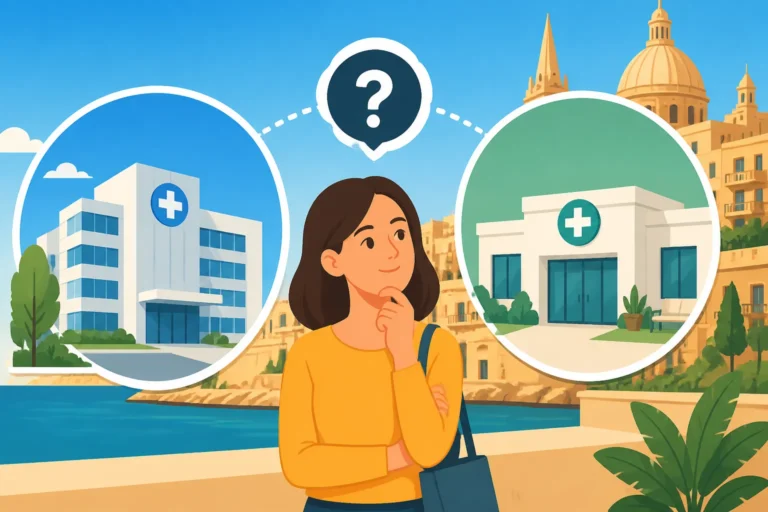
Public vs. Private Care: What's Available?
Malta's healthcare and social welfare system is largely government-funded, meaning there are significant public provisions for elderly care. These are managed by entities like Agenzija Sapport and the Department for the Elderly and Community Care. On the public side, you'll find everything from basic home help to fully-subsidised residential homes. The aim is often to provide integrated support, ensuring a continuum of care as needs change. However, these services naturally come with eligibility criteria and, often, waiting lists that can be daunting.
Then you have the private sector, which offers a more immediate, albeit costly, alternative. Private elderly care spans luxurious assisted living facilities, dedicated nursing homes, and even agencies providing home-based caregivers. These options generally provide more flexibility, faster access, and a higher staff-to-resident ratio, but the financial burden falls squarely on the individual or family. It's a trade-off many expat families consider, especially if their parent doesn't immediately qualify for public assistance.
Eligibility for Foreigners: The Big Question
This is often where the waters get murky for expat families. Access to Malta's public elderly care services is intrinsically linked to residency status and, crucially, social security contributions. For an elderly parent to be eligible for government-funded community or residential care, they typically need to be a long-term resident of Malta and have contributed to the Maltese social security system for a specified period.
For EU/EEA/Swiss citizens, the situation can be somewhat simpler if they have transferred their social security rights from another member state, often through an S1 form, but even then, it’s not always a direct path to immediate, full access. You can find more details on how to use your EU health rights in Malta by looking into Transferring EU Health Rights to Malta with an S1 Form or EHIC. For non-EU citizens, the requirements are generally stricter. Parents on a dependent visa, for example, might be entitled to emergency care through their sponsor's health entitlement, but long-term care is a different beast entirely. It’s not just about having a residence permit; it’s about demonstrating a sustained contribution to the Maltese welfare system, or proving means for private care. Many long-term care services are considered social benefits, which often require years of contributions. This means that if your parent has just moved to Malta, it's highly unlikely they will immediately qualify for extensive public support.
If your parent isn't actively working and contributing to social security in Malta, their eligibility will primarily depend on whether they are considered a "registered resident" and if their previous country of residence has a social security agreement with Malta that covers long-term care. Even then, there are complex rules around where care can be provided and who ultimately foots the bill. Understanding Healthcare on a Visa-Based Permit in Malta: Nomads, Retirees, and Investors can shed some light on the general framework, but specific long-term care entitlements for non-contributing elderly parents often default to private provision.
Navigating Public Elderly Care Services
For those who do qualify, or eventually will, Malta’s public system offers a variety of services designed to support the elderly, whether they wish to remain in their homes or require full-time residential care. It's a system built on the principle of supporting seniors within their community for as long as possible.
Community-Based Support: Staying at Home Longer
Malta is very keen on supporting its elderly population to live independently at home for as long as they safely can. The Department for the Elderly and Community Care provides several vital services aimed at achieving this:
- Home Help Service: This is a crucial service offering assistance with daily living activities like light housework, shopping, and personal care. It's designed for those who need a bit of extra help but aren't yet in need of full-time nursing care. To access this, you would typically apply through your local council or directly with Agenzija Sapport. There's usually an assessment process to determine the level of need and how many hours of support are required.
- Meals on Wheels: For seniors who struggle with cooking, this service delivers nutritious meals directly to their homes. It’s an invaluable service that ensures elderly individuals maintain a healthy diet without the daily burden of meal preparation.
- Telecare Service: This provides a direct link to a 24/7 call centre via a special alarm unit, allowing elderly individuals to call for help in an emergency, simply by pressing a button. It offers peace of mind for both the senior and their family.
- Day Centres: These centres offer a social environment for older persons during the day, providing activities, meals, and companionship. They are great for combating loneliness and keeping cognitive functions active.
- Respite Care: Short-term relief for primary caregivers, allowing them a break while their loved one is cared for in a residential setting or through enhanced home care.
Accessing these services usually begins with contacting Agenzija Sapport, which acts as a gateway to social welfare services. They will conduct an assessment to determine eligibility and the most appropriate type and level of support. Waiting lists can apply, especially for the more popular services in certain areas, so it's always best to inquire early.
Residential Care: When a Home is Needed
When living at home is no longer a safe or viable option, Malta’s public system also provides residential care homes. These are typically government-run or subsidised facilities offering round-the-clock care, including nursing, medical support, meals, and social activities.
- Government-Funded Residential Homes: These are largely available to Maltese citizens and long-term residents who have contributed to social security. The application process involves a medical and social assessment to determine the level of care needed. Once accepted, residents typically contribute a percentage of their pension or income towards their stay, with the government covering the rest. The challenge here is often the waiting list, which can be considerable due to high demand.
- Semi-Private Options: Some homes operate on a public-private partnership model, offering government-subsidised places alongside privately funded ones. These can sometimes offer a slightly faster route to admission, but still typically require a contribution based on means.
The process to apply for a public residential home involves engaging with the Department for the Elderly and Community Care. They will guide you through the necessary paperwork, assessments, and inform you about the current availability. Be prepared for a potentially lengthy process and gather all relevant medical and financial documentation upfront. It’s a thorough system to ensure resources are allocated where they are most needed.
Exploring Private Elderly Care Options
For many expat families, especially those whose parents haven’t met the stringent social security contribution requirements for public care, the private sector becomes the primary, or even sole, option. While more costly, private care offers a degree of flexibility and speed that the public system sometimes cannot match.
Private Nursing Homes and Assisted Living Facilities
Malta has a growing number of private nursing homes and assisted living facilities that cater to a range of needs, from independent living with support to full-time medical and nursing care. These facilities often boast modern amenities, private rooms, and a wide array of activities.
- Examples of Private Homes: Places like Casa Arkati, Roseville, or Simblija Care Home are well-known private options, offering different levels of care and environments. These facilities typically provide a comprehensive package that includes accommodation, meals, nursing care, medical supervision, therapy, and social programs.
- Costs and Amenities: The cost of private residential care varies significantly based on the facility’s location, the type of room (single, shared), and the level of care required. You can expect to pay anywhere from €1,500 to over €4,000 per month, sometimes more for highly specialised care. These facilities often include all utilities, laundry, and meals in their fees, but always clarify what is and isn't included. Many also offer additional services like hairdressing or specialised therapy at an extra charge.
- Advantages: The main advantages are usually shorter waiting lists, more personalised care plans, and sometimes more luxurious surroundings. It also means you can often secure a place for your parent much quicker, which can be critical in urgent situations.
- Recommendation: Always visit multiple facilities, ask detailed questions about staffing levels, medical support, activities, food, and emergency procedures. Speak to other residents and their families if possible. This isn't just a financial decision; it's about finding the right home and environment for your parent.
Private Home Care and Support Services
If your parent wishes to remain in their own home but requires more support than the public system can offer, or while waiting for public services to become available, private home care is an excellent solution. This allows for tailored care in familiar surroundings.
- Hiring Private Carers/Nurses: You can employ private carers or nurses to assist with personal care, medication management, meal preparation, companionship, and even light household tasks. Agencies in Malta specialise in providing trained caregivers, and you can often find individuals through word-of-mouth or online platforms. This can be a flexible arrangement, from a few hours a week to 24/7 live-in care.
- Supplementing Public Services: Private home care can perfectly complement public services. For instance, if your parent receives a few hours of public home help but needs more extensive support, private carers can fill the gaps.
- Cost of Private Home Care: The cost varies depending on the number of hours, the level of care (e.g., companionship vs. medical nursing), and whether you go through an agency or hire privately. Hourly rates can range from €10-€20, potentially more for specialised nursing care. Live-in care can be significantly more, often requiring a monthly salary and covering living expenses.
- Finding Reliable Support: When seeking private home care, look for reputable agencies that vet their staff, provide training, and have insurance. Always ask for references and check backgrounds. Building trust is paramount when inviting someone into your parent’s home.
Financial Considerations and Insurance for Elderly Care
Let's be realistic: elderly care, particularly private care, can be a significant financial undertaking. It’s essential to understand the costs involved and explore all possible avenues for funding and financial planning.
The Cost of Care in Malta
As mentioned, public residential care often requires a contribution based on the individual's income or pension, with the state covering the rest. This contribution can vary but aims to be affordable. For private options, however, the costs are much higher:
- Private Residential Homes: Expect to pay between €1,500 and €4,000+ per month. This can quickly add up over years.
- Private Home Care: Hourly rates of €10-€20, or a monthly salary for live-in carers, can still amount to thousands of euros per month depending on the intensity of care.
- Medical Costs: Even with private care, ongoing medical consultations, medications not covered by public schemes, and specialist visits will be additional expenses. While Malta has a good public healthcare system, access to specialists and certain tests can involve waiting times. Private Healthcare and Insurance in Malta: When You Need Cover can offer more insights into this aspect.
Insurance and Planning for Future Needs
This is a critical area for expats. Many standard expat health insurance policies, like those offered by providers such as SafetyWing, are designed for acute medical needs and travel emergencies. While they are excellent for covering unexpected illnesses or accidents while living abroad, they typically do not cover long-term care or chronic conditions that require ongoing assistance with daily living activities.
- Private Health Insurance: While essential for general healthcare access and skipping public waiting lists, most private health insurance plans in Malta will cover hospitalisation, specialist consultations, and certain treatments, but rarely long-term custodial care in a nursing home or extensive home help. It’s vital to check the specifics of any policy. For example, if your parent is on a Nomad Residence Permit, private health insurance is a requirement, but ensure you understand its limitations regarding elderly care.
- Long-Term Care Insurance: This is a specialised type of insurance designed specifically to cover the costs associated with long-term care. While more common in some countries, dedicated long-term care insurance products in Malta are less prevalent or might be offered as riders to comprehensive life or health policies. It's worth exploring if any local or international providers offer suitable options.
- Financial Planning: Given the potential costs, proactive financial planning is paramount. This might involve setting up a dedicated savings fund, exploring annuities, or consulting a financial advisor who understands Malta’s specific context for elderly care. Discussions about powers of attorney and advanced healthcare directives are also vital to ensure your parent's wishes are respected should they become unable to make decisions themselves. Don't forget to account for potential increases in care costs over time.
| Feature | Public Elderly Care | Private Elderly Care |
|---|---|---|
| Eligibility | Primarily long-term residents, social security contributors. EU citizens with S1 forms. | Open to all, provided finances are available. |
| Access Time | Often involves waiting lists for popular services/residential homes. | Generally quicker access, subject to availability and payment. |
| Cost | Contribution based on income/pension for eligible individuals; government subsidises remainder. | Full cost borne by individual/family; varies widely. |
| Services | Home Help, Meals on Wheels, Telecare, Day Centres, Residential Homes. | Private Carers, Nurses, Assisted Living, Private Nursing Homes. |
| Flexibility | Less flexible, standardised services and criteria. | High flexibility, tailored care plans, choice of facilities. |
| Insurance Cover | Not typically covered by standard private health insurance; specialised long-term care insurance might exist. | Not typically covered by standard private health insurance; specialised long-term care insurance might exist. |
| Key Entities | Department for the Elderly and Community Care, Agenzija Sapport. | Private agencies, nursing home operators. |
Disclaimer
The information provided in this guide is for general informational purposes only and does not constitute legal, financial, or medical advice. Regulations and available services in Malta can change, and individual circumstances vary greatly. It is always recommended to consult with relevant Maltese government departments, legal professionals, financial advisors, and healthcare providers for advice tailored to your specific situation.