Which Health Centre Do I Go to After Moving to Malta?
One of the most confusing moments for any new expat in Malta is waking up with a nagging sinus infection or a high fever and realizing you have no idea where the local doctor is located. When I first moved to a drafty apartment in Sliema, I spent a frantic hour on Google trying to figure out if I could just walk into any clinic I saw on the street. This guide clarifies the catchment area system so you can find your designated health centre and access the care you need without the bureaucratic headache.
Understanding the Catchment Area System in Malta
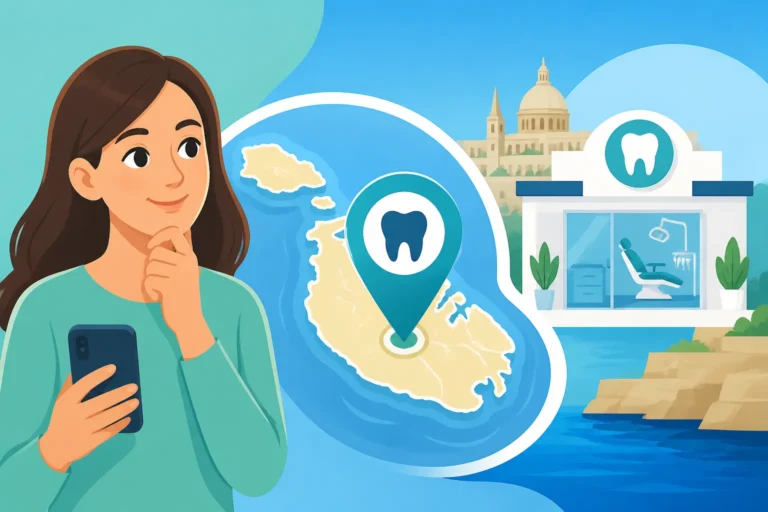
The Maltese public healthcare system is incredibly efficient once you are in the "loop," but it operates on a very strict geographical basis. Unlike some countries where you can register with any General Practitioner (GP) who has an open slot, the Primary HealthCare department in Malta assigns you to a specific health centre based on the town or village listed on your eResidence card. You cannot simply choose a health centre because it is near your office or because a friend recommended the staff there; your access is dictated by your home address.
This system ensures that the patient load is distributed evenly across the islands. There are currently nine primary health centres in Malta and one in Gozo, supplemented by several smaller community clinics (often called "Berga"). However, these community clinics have limited hours and services, meaning for most diagnostic tests, specialized nursing, or GP consultations, you will be heading to one of the main regional hubs.
If you are a new arrival and haven't yet received your local ID, navigating this can be tricky. Many nomads and digital professionals use SafetyWing to cover their medical needs during those first few months of "administrative limbo." Having private coverage allows you to visit private pharmacies or clinics like St. James Hospital while you wait for your official entitlement to the public system to be processed.
To understand the broader context of your rights, it is worth reading about How Malta's Public Healthcare Works: Entitlement, Contributions, and Costs to see how your social security payments eventually unlock these services.
Locating Your Designated Health Centre
The following breakdown identifies which health centre serves your specific locality. It is vital to verify your locality name as it appears on your lease agreement, as some neighborhoods can overlap boundaries.
The Northern Region: Mosta Health Centre
The Mosta Health Centre is one of the busiest on the island, serving a massive chunk of the northern territory. If you have moved to the expat-heavy hubs of St. Paul’s Bay or the quieter hills of Mellieha, this is your primary point of contact. Because this centre covers such a large population, including many tourists in the summer, the waiting times for walk-in GP services can be longer than in the south.
Localities served include: Mosta, Naxxar, Gharghur, St. Paul’s Bay, Mellieha, Mgarr, and Burmarrad. If you reside in any of these areas, you should head to the Mosta Health Centre located at Pjazza tar-Rotunda.
The Central and Harbour Regions: Gzira, Floriana, and Birkirkara
The "Harbour Area" is where most foreigners first land. If you are living in the trendy streets of Sliema or St. Julian's, you fall under the Gzira Health Centre. I lived in Gzira for two years, and the convenience of having the health centre within walking distance was a lifesaver, though parking in that area is notoriously difficult.
- Gzira Health Centre: Serves Gzira, Sliema, St. Julian's, Msida, Ta' Xbiex, Pembroke, San Gwann, and Kappara.
- Floriana Health Centre: Serves the capital, Valletta, as well as Floriana, Hamrun, Santa Venera, Marsa, and Pieta.
- Birkirkara Health Centre: Primarily serves Birkirkara, Iklin, Lija, Balzan, and Attard.
Before you head out, make sure you have sorted the basics of your residency. You can find out more about the first steps in Getting Your Maltese ID Card Number: The Key to Accessing Healthcare to ensure your records are up to date in the government database.
The Southern Region and Gozo
The south of Malta has seen significant investment in healthcare infrastructure recently. The Paola Health Centre (also known as the Southern Regional Health Hub) is a state-of-the-art facility that offers a wider range of specialist clinics than some of the older centres.
- Paola Health Centre: Serves Paola, Fgura, Tarxien, Santa Lucija, Zabbar, Xghajra, Marsaskala, Zejtun, Marsaxlokk, Gudja, and Ghaxaq.
- Kirkop Health Centre: Serves Kirkop, Zurrieq, Mqabba, Qrendi, Safi, and Hal Farrug.
- Qormi Health Centre: Serves Qormi, Zebbug, and Siggiewi.
- Victoria Health Centre (Gozo): This is the single hub for the entire island of Gozo. If you live in Xlendi, Victoria, or Nadur, you will visit the centre located within the Gozo General Hospital grounds.
| Health Centre | Main Localities Covered | Notable Nearby Landmark |
|---|---|---|
| Mosta | Mellieha, St. Paul's Bay, Naxxar | Mosta Rotunda Church |
| Gzira | Sliema, St. Julian's, Msida | Gzira Seafront |
| Floriana | Valletta, Hamrun, Pieta | St. Anne Street |
| Paola | Marsaskala, Zabbar, Zejtun | Paola Square (Pjazza) |
| Kirkop | Zurrieq, Safi, Mqabba | Near Malta International Airport |
| Victoria | All Gozo Localities | Gozo General Hospital |
What to Bring and How to Access Services
In Malta, you don't "register" with a specific doctor in the way you might in the UK or the US. Instead, you register with the health centre itself. Once registered, you can see whichever GP is on duty during walk-in hours, or you can book specific appointments for nursing services, blood tests, or specialized clinics (like diabetes or heart health).
The Essential Document Check
When you walk into the health centre for the first time, the reception desk will ask for your eResidence card. This card is your "passport" to the system. It proves you are a legal resident and allows the staff to verify that you are in the correct catchment area. If you are an EU citizen and haven't received your card yet, your EHIC (European Health Insurance Card) may be accepted for urgent care, but for routine check-ups, the eResidence card is the gold standard.
For those moving on a Nomad Residence Permit or a work visa that is still being processed, I highly recommend keeping a policy like SafetyWing active. It acts as a safety net if the health centre clerk informs you that your "entitlement" hasn't been updated in their system yet. This is a common hiccup for new residents, and having a private alternative prevents you from being stuck with a high bill at the public hospital for a non-emergency.
You can learn more about the specifics of this process in Registering with a Health Centre and Choosing a GP in Malta.
Walk-in vs. Appointment
Most GPs at health centres operate on a walk-in basis for acute illnesses (like the flu, rashes, or minor infections). You arrive, take a number, and wait. On a Monday morning, you might wait two hours; on a Wednesday afternoon, you might be seen in ten minutes.
However, for anything "planned"—such as blood draws, dressings, or chronic disease management—you must book an appointment. Many of these services can now be managed through the myHealth portal. I suggest checking out How Do I Register on the myHealth Portal in Malta? as soon as you have your ID card, as it allows you to see your lab results and medication history online.
Emergency Care at Health Centres
While Mater Dei and Beyond: A Guide to Malta's Public Hospitals and Health Centres is the place for life-threatening emergencies, the local health centres are equipped to handle minor emergencies like small cuts requiring stitches or minor burns. The Floriana, Mosta, and Paola centres are typically open 24/7 for GP services, but always check the current schedule on the Primary HealthCare website before heading out at 3:00 AM.
Navigating the Referral System
If your condition requires more than a standard GP can provide, the health centre acts as the "gatekeeper" to the rest of the medical system. You cannot simply book an appointment with a cardiologist at Mater Dei Hospital on your own. You must first see a GP at your designated health centre, who will then issue a referral.
This referral system is one of the main reasons why knowing your health centre is so important. If you try to visit a health centre outside your catchment area for a referral, they will likely redirect you back to your home district, which can be incredibly frustrating if you are feeling unwell.
During your consultation, the doctor will write a referral—sometimes on paper, but increasingly digital. If you find the waiting times for specialists in the public system too long, this is where your SafetyWing or other private insurance becomes invaluable. You can take that same concern to a private specialist and often be seen within 48 hours. For more details on how to bridge these two systems, read our guide on Finding a Doctor in Malta: GPs, Specialists, and the Referral System.
What Happens if You Move House?
Malta is small, but people move frequently, especially expats chasing better sea views or lower rent. If you move from Sliema to Mellieha, your designated health centre changes immediately. You don't need to fill out a complex transfer form, but you do need to update your address with Identità (the residency agency).
Once your new eResidence card is issued with your new address, the health centre's database will update automatically. If you need medical care before your new card arrives, bring a copy of your new, registered lease agreement to show the reception staff. This is a common point of confusion, so I’ve detailed the full steps in How Do I Switch Health Centre When I Move in Malta? to help you avoid any gaps in your care.
A Note on Private Options for New Arrivals
It is important to be realistic: the public system in Malta is robust but can be slow for non-urgent matters. Many expats, myself included, use a hybrid approach. We use the public health centre for blood tests and the Pharmacy of Your Choice (POYC) scheme for free chronic medications, but we keep a private insurance policy for fast access to specialists.
For those who are not yet paying social security contributions—such as retirees on certain visas or digital nomads—you might find that you are charged a fee at the public health centre. In these cases, it is often more cost-effective and faster to see a private GP at a local pharmacy. Most pharmacies in Malta have a doctor’s clinic in the back where you can see a GP for €15 to €25. This is a great "quick fix" while you are still figuring out Can I See a Doctor in Malta Before My Health Entitlement Is Approved?.
Final Tips for Your First Visit
- Go Early or Late: If you are using the walk-in service, try to avoid the 8:00 AM rush. Mid-afternoon (around 2:00 PM) is often the quietest time.
- Bring a Jacket: Maltese health centres are famously over-air-conditioned in the summer. You might be waiting in a very chilly room while it’s 35°C outside.
- Check the Pharmacy: Most health centres have a pharmacy nearby. If the doctor prescribes something that isn't on the "free" list, you can walk across the street and pick it up immediately.
- Be Patient: The staff at the desks deal with hundreds of people a day and a lot of complex paperwork. A friendly "Bonġu" (Good morning) goes a long way in making the process smoother.
Disclaimer
This article is intended for informational purposes only and does not constitute professional medical or legal advice. Healthcare regulations and catchment areas in Malta may change; always consult the official Primary HealthCare website or Identità for the most current requirements and entitlement rules.