Should I Keep a Bank Account in My Home Country After Moving to Malta?
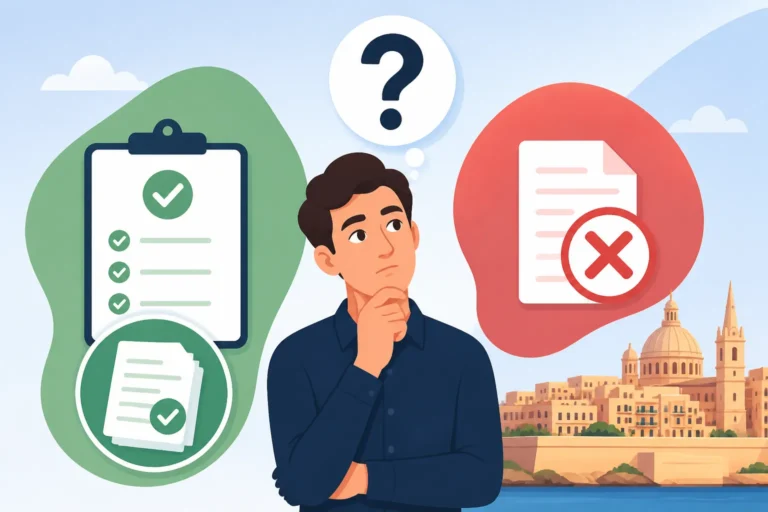
Moving to Malta, you’re often faced with a mountain of administrative tasks – setting up your residence, finding a place to live, getting your utilities sorted. Amidst all this, one question often quietly bubbles up: what should I do with my old bank account back home? Many of us instinctively cling to the familiar, unsure if closing that account is truly the best step. This comprehensive guide will walk you through the pros, cons, and crucial considerations of maintaining a bank account in your home country after settling into your new life in Malta, helping you make an informed decision that suits your unique financial situation.
The Initial Comfort of Familiar Banking
When you first land in Malta, everything is new, and frankly, a bit overwhelming. The thought of immediately grappling with another country’s banking system can feel like just another hurdle. That’s where your existing bank account back home often becomes a financial security blanket, offering a sense of continuity in a sea of change.
Bridging the Gap During Transition
For many expats, keeping that home country account open is a lifeline during the crucial first few months. Imagine arriving and needing to pay for your rental deposit, initial groceries, or even just a taxi from the airport. If your salary from your previous job is still being paid there, or if family members want to send you some support, having that account readily available makes things infinitely simpler. You can rely on your debit or credit cards linked to your home account for everyday purchases while you’re still getting your bearings.
It's also about managing those initial expenses without added stress. Perhaps your first Maltese paycheck isn't due for a few weeks, or you need to pay for something urgent that your new, un-established Maltese account might not yet support. Keeping the old account active ensures you have immediate access to funds, avoiding awkward situations or unnecessary delays. It’s a practical buffer that allows you to focus on the more pressing matters of settling in, rather than panicking about where your next euro will come from. For those with ongoing financial commitments back home, like subscriptions, loan repayments, or contributions to family, keeping the account ensures these aren't disrupted during your move.
Navigating the Maltese Banking Landscape and Its Quirks
Let's be honest, opening a bank account in Malta as a newcomer can be a bit of an adventure. It's not always as straightforward as walking into a branch and getting a card on the spot. Maltese banks, like Bank of Valletta (BOV), HSBC Malta, APS Bank, or Lombard Bank, are notoriously thorough, and their Know Your Customer (KYC) processes can feel incredibly stringent. You'll likely be asked for a myriad of documents: proof of address (which can be tricky when you've just moved), your Maltese ID card number, your employment contract, and often even your tax identification number (TIN). This can be a lengthy process, sometimes taking weeks, leaving you in a bit of a financial limbo.
Many expats find themselves frustrated by the level of documentation required and the time it takes to get fully set up. You might think, "I just need a basic account!" but the banks here are very cautious. It’s not uncommon to hear stories of applications being delayed or even refused because one piece of paperwork wasn't exactly to their liking. This is precisely why having a fallback account in your home country can be a godsend. It takes the immediate pressure off, allowing you to patiently gather all the necessary documents and navigate the local banking system at your own pace. While you can eventually get set up (and we cover how in detail in our guide on How to Open a Maltese Bank Account as a Newcomer), the initial period can be challenging. For more on this, you might also want to check out Why Maltese Banks Ask for So Much Documentation.
For a quick summary of the initial banking challenges:
| Aspect | Home Country Account Benefits | Maltese Bank Account Challenges (Initial) |
|---|---|---|
| Accessibility | Immediate funds for initial expenses, easy family support. | Lengthy setup time, complex documentation. |
| Payments | Seamless continuation of existing direct debits/standing orders. | New setup required, potential delays. |
| Familiarity | Known interface, trusted customer service. | New system, potentially different norms. |
| Credit/Debit Cards | Usable for purchases while waiting for local cards. | Might take weeks to receive and activate. |
The Advantages of Maintaining a Home Country Bank Account
Beyond the initial transitional comfort, there are solid, long-term reasons why many expats choose to keep a financial foothold back in their country of origin. It's not just about convenience; it can be a strategic financial move.
Managing International Financial Obligations
One of the biggest headaches when moving abroad is figuring out how to manage financial commitments you’ve left behind. Do you have a mortgage on a property in your home country? Student loans that need regular repayment? Perhaps an investment portfolio or a specific insurance policy that's deeply tied to your previous banking setup? Trying to reroute these payments through a new Maltese bank account can be an absolute nightmare of international transfers, differing payment systems, and potential late fees if something goes wrong.
By keeping your home country account active, you can seamlessly maintain these obligations. Your mortgage payments can continue as direct debits, your student loan repayments can be automatically processed, and your investment accounts can remain linked to a local bank. This not only saves you immense administrative hassle but also ensures you maintain a good credit history back home, which could be vital if you ever plan to return or engage in future financial activities there. Imagine trying to explain to a foreign bank why your credit score suddenly plummeted because you closed an account that was handling crucial payments! It’s simply easier to keep these specific, geographically tied financial threads neatly in their original basket.
Currency Hedging and Diverse Investment Opportunities
Malta uses the Euro. If your home country uses a different currency – say, the British Pound, US Dollar, or Swiss Franc – keeping an account there can act as a natural hedge against currency fluctuations. You might choose to hold a portion of your savings in your home currency, diversifying your financial risk. If the Euro strengthens, your foreign currency savings might be worth less when converted, but if it weakens, you're better off. It's like not putting all your eggs in one currency basket.
Furthermore, different countries offer different investment products and opportunities. Your home country might have specific tax-efficient savings accounts, local stock market access, or investment funds that aren't readily available or are structured differently in Malta. By maintaining a bank account there, you retain access to these options. This allows you to diversify your investments not just by asset class, but also by jurisdiction and currency, potentially maximizing returns or aligning with specific financial goals that are better served by your home market. For instance, if you have a loyalty to a particular fund manager or simply prefer the investment landscape you're familiar with, keeping that channel open through your home country bank is invaluable.
Emergency Funds and Future Repatriation
Life as an expat can be unpredictable. While we all hope for smooth sailing, there might come a time when you need quick access to an emergency fund, or perhaps even decide that expat life isn't for you and want to move back home. Having a substantial portion of your savings in a readily accessible account in your home country provides a vital safety net. It means if you suddenly need to fly home for a family emergency, or if your job situation in Malta changes unexpectedly, you have funds available without having to deal with international transfer delays or conversion fees at a stressful time.
Moreover, if you decide to repatriate, having an active bank account makes the process of moving your finances back significantly smoother. You won't have to go through the potentially arduous task of opening a new account from scratch in your home country while also dealing with all the logistics of moving back. Your existing account can serve as the primary destination for any funds you transfer out of Malta, and you’ll already have an established banking relationship for setting up new direct debits, salary payments, and so on. It preserves your financial continuity, offering peace of mind for an uncertain future.
The Pitfalls and Complications to Consider
While there are clear benefits to keeping your home country account, it's not a decision to take lightly. There are significant pitfalls, particularly around tax and compliance, that could turn a seemingly convenient choice into a costly mistake if not managed properly.
Tax Implications and Reporting Obligations
This is where things can get truly complex, and it’s arguably the most crucial aspect to understand. When you become a tax resident in Malta, your global income and assets become relevant to the Maltese tax authorities. Malta operates on a remittance basis of taxation for non-domiciled individuals, which means foreign income and capital gains are only taxed if they are remitted (i.e., brought or sent) into Malta. This sounds simple, but it has significant nuances.
If you keep an income-generating bank account in your home country (e.g., interest-bearing savings, rental income from a property, investment dividends), that income isn't taxed in Malta unless you transfer it here. However, any local income you earn in Malta will always be taxed here. The challenge comes with proving what funds you are remitting. If you have substantial funds abroad and frequently transfer money to your Maltese account, you need to be very careful to distinguish between capital (which is generally not taxed when remitted) and income (which is). Using a foreign debit or credit card in Malta can even be construed as an accidental remittance of funds, which could have tax implications. This is why understanding The Maltese Tax System Explained: Residence, Domicile, and Remittance is paramount.
It's not just about Maltese tax. Your home country might still consider you a tax resident for certain types of income, especially if you maintain strong ties, leading to potential double taxation if there isn't a double taxation treaty in place (though Malta has an extensive network of these, you still need to report correctly). Ignoring these rules can lead to hefty penalties from either jurisdiction. For detailed guidance, especially if your financial situation is complex, considering advice from specialists like Taxes for Expats can be invaluable. They deal with these intricacies daily and can help you navigate the Maltese tax landscape and ensure compliance. Dive deeper into these topics with our articles on Tax Residence vs Domicile in Malta: Why Both Matter and The Remittance Basis: Taxing Only What You Bring Into Malta, and definitely look into Avoiding Accidental Remittances on a Foreign Bank Card in Malta.
Practical Challenges and Hidden Costs
Beyond tax, there are practical issues. While many banks offer online banking, accessing certain services, especially if they require two-factor authentication via SMS to a foreign phone number, can be difficult once you've switched your SIM card to a Maltese one. Imagine needing to confirm a crucial payment but your old mobile number is no longer active! It happens, and it's incredibly frustrating.
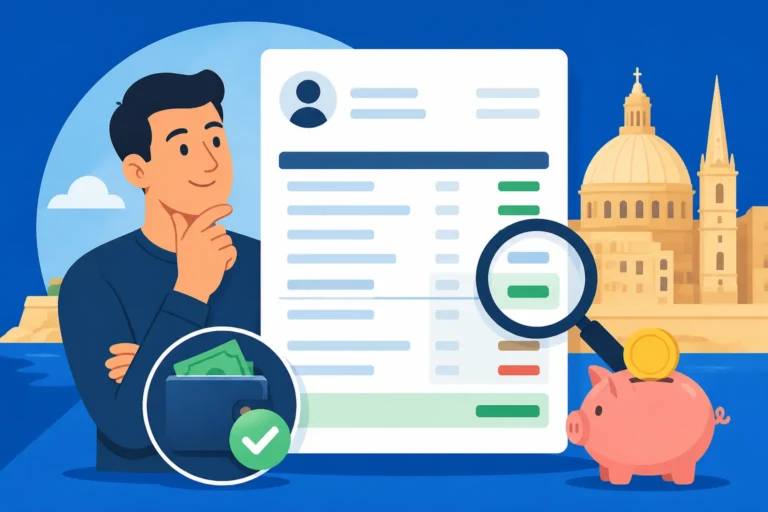
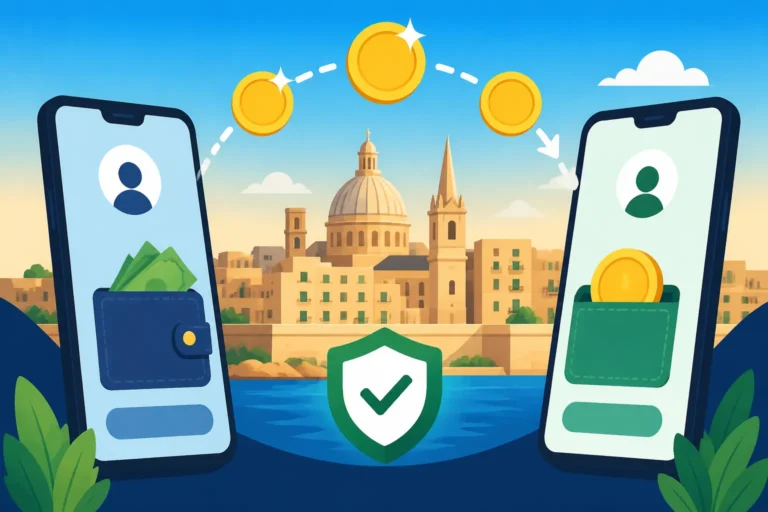
Then there are the costs. Transferring money between countries, even within the EU, can incur fees. While services like Wise (formerly TransferWise) have made international transfers much more affordable and transparent, traditional banks can still hit you with unfavorable exchange rates and hidden charges. If you're frequently moving money between your accounts, these small fees can add up significantly over time. Similarly, using your foreign debit card for everyday purchases in Malta will often involve foreign transaction fees and less favourable exchange rates applied by your home bank. Even withdrawing cash from ATMs can come with a double whammy of your home bank's foreign ATM fee and the Maltese bank's own charge. For solutions to this, our guide on Sending Money To and From Malta Without High Fees is a must-read.
Compliance and Banking Regulations
Banks globally are under increasing pressure to comply with anti-money laundering (AML) and know your customer (KYC) regulations. This means that if you're no longer a resident of your home country, your bank there might eventually decide to close your account. They may send you notices requesting updated proof of address or residency status, and if you can't provide it, they might deem you a non-compliant customer. This is particularly common if you move from an EU country to a non-EU country, or vice-versa, as data-sharing agreements and regulatory requirements differ.
Furthermore, international financial reporting standards like FATCA (for US citizens) and CRS (Common Reporting Standard) mean that your home country bank is very likely reporting your account details and balances to your home country's tax authorities, who, if you are a Maltese tax resident, might then share that with Malta. This underscores the need for absolute transparency and proper reporting to avoid any misunderstandings or allegations of non-compliance. You can't simply "hide" funds abroad; governments share information.
Making the Right Decision for Your Maltese Life
So, with all these factors at play, how do you decide what’s right for you? It's not a one-size-fits-all answer, and your personal circumstances will heavily influence the best approach.
Factors to Weigh Up
Your decision should be based on a careful assessment of several key factors:
- Length of Stay: Are you in Malta for a short stint, a few years, or do you envision it as your permanent home? If your stay is temporary, maintaining a strong financial link to your home country makes more sense. For long-term residents, fully integrating into the Maltese banking system and minimising foreign accounts might be more efficient.
- Income Source and Location: Where does your primary income come from? If it’s entirely from a Maltese employer, you’ll definitely need a local account. If you have significant income streams from abroad (e.g., rental properties, dividends from foreign investments), keeping an overseas account might be practical for direct deposits and managing those specific revenues.
- Financial Complexity: Do you have complex investment portfolios, multiple properties, or dependants in your home country? The more intricate your financial life abroad, the more beneficial it might be to retain a dedicated account to manage it.
- Residence Status (EU vs. Non-EU): For EU citizens, the administrative hurdles are often less significant due to harmonised banking regulations and easier cross-border services. Non-EU citizens might face more scrutiny from their home banks as their residency status changes, and might also encounter more restrictions when dealing with Maltese banks.
- Future Plans: Do you plan to retire in Malta, or move somewhere else entirely? Your long-term financial strategy should guide your short-term banking decisions.
Consider your personal comfort level with managing multiple currencies and navigating different banking systems. Some people find it simple, others find it a constant source of stress. It’s important to acknowledge your own preferences and capabilities.
Best Practices for Dual Banking
If you decide to keep your home country bank account, which many expats do, adopting certain best practices can help mitigate the risks and maximize the benefits:
- Segregate Your Funds: A clear distinction is key. Use your Maltese bank account for all local income (salary, local payments) and expenses (rent, utilities, groceries, local shopping). Use your home country account strictly for managing foreign income, investments, and any ongoing financial obligations you have back home (like a mortgage or pension contributions). This makes tracking remittances for tax purposes much simpler.
- Track All Transfers Meticulously: Keep detailed records of every transfer you make between your accounts. Note the date, amount, currencies involved, and the purpose of the transfer. This documentation is invaluable if the Maltese tax authorities ever query your remittances. It helps you clearly demonstrate what was capital and what was income, preventing headaches.
- Consult a Financial Advisor: Seriously, this isn't just a suggestion, it's a critical piece of advice. A financial advisor specialising in international taxation and expat finances in Malta can provide tailored guidance. They can help you understand the nuances of the remittance basis, advise on efficient ways to structure your finances, and ensure you comply with all Maltese tax laws, potentially saving you a lot of money and stress in the long run. They can also advise on How Foreign Income and Capital Gains Are Treated in Malta.
- Utilise Digital Banking and Transfer Services: For moving money between countries, embrace modern solutions. Services like Wise offer competitive exchange rates and transparent fees, often significantly cheaper and faster than traditional banks. Similarly, digital banks can provide multi-currency accounts that simplify international money management. This makes it easier to keep separate pots of money and transfer them when needed without excessive costs, helping you manage your Cost of Living in Malta: Budgeting for the Real Numbers.
- Be Aware of Reporting Requirements: Understand what your home country bank reports and to whom. If your home country and Malta have tax information exchange agreements (which is common), assume your financial activities abroad are visible to Maltese authorities. This should encourage full transparency in your tax declarations. If you need to officially register for tax in Malta, make sure you understand the process detailed in Registering for Tax When You Arrive in Malta.
By carefully weighing the conveniences against the potential complications, and by implementing sound financial practices, you can successfully navigate the world of dual banking while living in Malta. It's all about making informed choices that support your expat journey. For more on initial banking steps, you may also find our article on What Documents Do I Need to Open a Maltese Bank Account? helpful, or if you're exploring alternatives, Is Revolut a Good Option for New Arrivals in Malta?.
Disclaimer
Please note that I am a lifestyle blogger and not a financial advisor or tax expert. The information provided in this guide is for general informational purposes only and does not constitute financial, legal, or tax advice. Laws and regulations regarding banking and taxation for foreign residents in Malta can be complex and are subject to change. It is highly recommended that you consult with a qualified financial advisor and tax professional specialising in Maltese and international taxation to get advice tailored to your specific circumstances before making any financial decisions.