Can I Get a Family Doctor at a Maltese Health Centre?
One of the most immediate and often confusing tasks when you first land in Malta is figuring out how to access healthcare, especially when you need a regular family doctor. Believe me, I've been there, staring at various forms and wondering if I was in the right queue. This guide is here to demystify how you can get a family doctor through Malta's health centres, outlining the practical steps and what you can expect from the public system.
Understanding Malta's Public Healthcare System for General Practitioners
Malta boasts a robust public healthcare system, and at its heart for everyday ailments and general medical needs are the local Health Centres. For many expats, this system can feel quite different from what they're accustomed to, particularly regarding how you interact with a general practitioner (GP). It’s not always about having one named family doctor whom you see exclusively, especially in the public sphere, but rather about accessing a GP service.
The Role of Health Centres and GPs
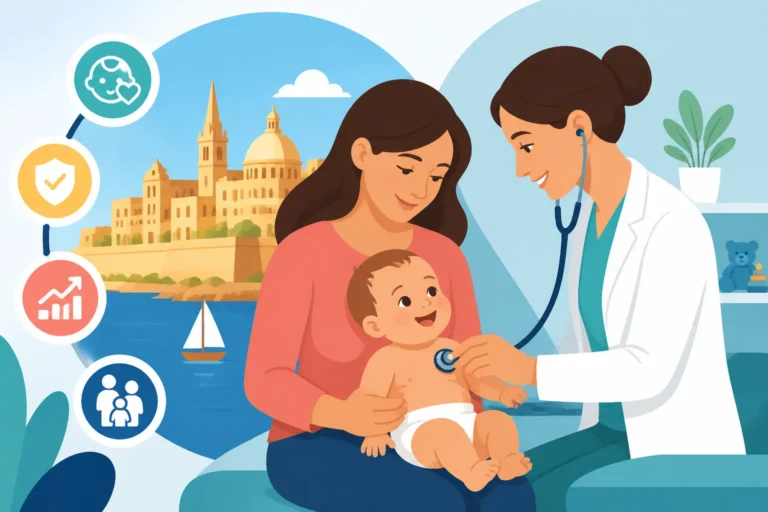
Malta’s Health Centres are strategically located across the islands, serving as the first point of contact for a vast array of medical services for residents entitled to public healthcare. Think of them as community clinics offering general practitioner services, basic nursing care, some specialised clinics (like immunisations or diabetic care), and even emergency services for minor incidents during specific hours. You'll find these dotted around various localities, such as Mosta, Paola, B’Kara, Floriana, Qormi, and Rabat (Gozo), among others.
A GP at a Health Centre is your gateway to the broader public health system. They handle routine check-ups, acute illnesses, manage chronic conditions, issue repeat prescriptions, and provide referrals to specialists at Mater Dei Hospital or other public health facilities when necessary. While you might not always see the exact same doctor every time you visit, the system is designed to provide continuous care. This approach can be a bit of a shift if you're used to a private, single-doctor practice, but it's an efficient way to manage a large patient population. The focus is on accessible, community-based care.
Entitlement to Public Healthcare and GP Services
Accessing the free or subsidised public healthcare services, including those provided by GPs at Health Centres, is primarily linked to your social security contributions. If you are legally employed or self-employed in Malta and making your national insurance contributions (Class 1 or Class 2), you are generally entitled to free public healthcare at the point of use. This means consultations with a Health Centre GP, as well as prescribed medicines under the Pharmacy Of Your Choice (POYC) scheme for certain chronic conditions, and specialist referrals are typically covered.
For EU/EEA/Swiss nationals, your entitlement often begins with transferring your healthcare rights via an S1 form from your home country, especially if you're a pensioner or posted worker. If you're a temporary visitor, your European Health Insurance Card (EHIC) can cover medically necessary treatment, but it’s not for permanent residency healthcare. Non-EU nationals usually gain entitlement through their work permits and social security contributions. It's vital to get your Maltese ID card number and register your status with the Entitlement Unit to formalise your access. Without proper entitlement, while emergency services are generally provided, routine GP visits at a Health Centre might incur a charge or require you to seek private care. Navigating these initial steps correctly is crucial, and it’s a topic covered in more detail in our guide on Healthcare in Malta for Foreign Residents: The Complete System Guide (2027).
How to Register with a Health Centre and Choose Your GP
So, you’re here, you’re paying your taxes, you’re contributing to social security, and you need a doctor. The next step is to formalise your relationship with the public health system. This isn't always as straightforward as walking in and declaring you need a doctor, but once you understand the process, it becomes manageable.
The Registration Process: Step-by-Step
Before you can register at a Health Centre, you absolutely need your Maltese eResidence Card, and more specifically, the ID card number printed on it. This unique identifier is the key that unlocks virtually all public services in Malta, including healthcare. If you haven't sorted this out yet, don't fret, but make it a priority. Our guide on Getting Your Maltese ID Card Number: The Key to Accessing Healthcare provides a comprehensive walkthrough.
Once you have your eResidence Card in hand, here’s a general step-by-step guide to registering with a Health Centre:
- Determine Your Catchment Area: Maltese Health Centres operate based on geographical catchment areas. This means you’ll typically register with the Health Centre nearest to your registered residential address in Malta. You can usually find this information on the Ministry for Health's website or by simply asking locals or other expats. For example, if you live in Sliema, you'd head to the Gzira Health Centre, while residents of Mosta would go to the Mosta Health Centre.
- Visit Your Designated Health Centre: Go to the reception or administration desk of your Health Centre during opening hours. It’s always best to go in the morning if you can, as they tend to be busier later in the day.
- Bring Necessary Documents: You'll need to present:
- Your Maltese eResidence Card.
- Proof of your Maltese address (a rental agreement registered with the Housing Authority, or a utility bill in your name usually suffices).
- Proof of social security contributions (a recent payslip showing deductions, or a statement from the Social Security Department).
- (If applicable) Your S1 form or other entitlement documents if you're an EU citizen or have special status.
- Complete Registration Forms: You’ll be asked to fill out some forms. These typically involve providing your personal details, contact information, and confirming your entitlement status. The staff there, usually, will be able to guide you through it in English.
- Confirmation of Registration: Once your details are processed, you'll be officially registered with that Health Centre. You might not receive a physical card specific to the Health Centre, as your eResidence Card essentially serves as your health entitlement document.
It's important to remember that this initial registration is crucial. Without it, even if you are contributing social security, you might face delays or administrative hurdles when trying to see a doctor or access other services. Some expats have reported needing to apply to the Entitlement Unit directly before being able to register at a Health Centre, especially if there are complexities with their social security history. This unit is specifically tasked with sorting out your right to treatment, as detailed in The Entitlement Unit: Sorting Out Your Right to Treatment in Malta.
Choosing Your Doctor and What to Expect
In the Maltese public health system, particularly at Health Centres, the concept of "choosing your specific family doctor" in the way you might in a private practice or other countries isn't quite the same. When you visit a Health Centre for a GP consultation, you'll generally be seen by whichever doctor is on duty. While you can sometimes request to see a particular doctor if they are available and you've built a rapport with them over time, it's not guaranteed. The system prioritises access to care over continuous care with a single, designated GP.
When you arrive for an appointment (which, for routine matters, you often don't book in advance but rather show up and wait – more on that later), you'll check in at reception, and then you'll wait to be called by the next available doctor. The doctors are generally highly qualified, often fluent in English, and experienced in managing a wide range of general health concerns. They are equipped to handle everything from common colds and flu to initial assessments of more serious conditions, and they're the ones who will write prescriptions and issue referrals to specialists if needed.
Waiting times at Health Centres can vary significantly depending on the time of day, day of the week, and the specific centre. Mornings can be particularly busy, and if you arrive just before closing, you might find yourself in a lengthy queue. It's part of the expat initiation rites, really – learning when to go! For more on specific costs and services, you might want to look into What Public Healthcare Costs in Malta: Free Services and Paid Extras.
Navigating Common Challenges and Alternatives
Moving to a new country always throws up a few curveballs, and healthcare is no exception. While Malta's public health system is excellent for those entitled to it, there are a few common frustrations expats face, prompting many to consider private alternatives.
Dealing with Language Barriers and Waiting Times
One of the biggest concerns for newcomers is the potential for a language barrier. The good news is that English is an official language in Malta, and virtually all doctors and healthcare professionals at Health Centres, Mater Dei Hospital, and private clinics are proficient in English. So, while Maltese is the national language, you should have no trouble communicating your symptoms and understanding medical advice. I’ve never personally encountered a public health doctor who couldn’t communicate effectively in English.
Waiting times, however, can be a different story. As mentioned, for non-emergency GP visits at a Health Centre, you often show up and wait your turn. This can mean sitting for an hour or more, especially during peak times or flu season. It's not ideal if you're feeling really unwell or have a tight schedule. While the system is efficient at handling a large volume of patients, it's a trade-off for free access. For specialist referrals, waiting lists can be even longer, sometimes stretching into months for non-urgent procedures or consultations. This is a common point of frustration for expats used to faster access.
When to Consider Private GPs and Insurance
Given the potential waiting times in the public system, especially for non-urgent matters or specialist appointments, many expats opt for private healthcare for certain services. The private sector in Malta offers a different experience: you can usually book appointments with a specific GP, often on the same day or within a few days, and waiting times at clinics are minimal. Private GPs also often have longer consultation times, allowing for a more in-depth discussion of your health concerns. You can find private clinics scattered across Malta, with many concentrated in areas like Sliema, St Julian's, and Ta' Xbiex. For a detailed exploration of this, check out Private Hospitals and Clinics in Malta: Faster Specialist Access.
This is where private health insurance becomes incredibly useful. Even if you're entitled to public healthcare, having a private policy can give you peace of mind and quicker access to services. Many expats choose to supplement their public entitlement with private insurance to bypass waiting lists, have a wider choice of doctors, and access private hospitals like St. James Hospital Group or DaVinci Hospital. For those on a Nomad Residence Permit or other specific visa types, private health insurance is often a mandatory requirement.
When looking at private health insurance, it’s worth exploring options like SafetyWing. They offer flexible and comprehensive travel medical insurance and global health insurance policies that can be particularly appealing to digital nomads and expats who value quick access to private medical care. SafetyWing policies are designed to cover unforeseen illnesses and accidents, offering a safety net for those who prefer to use private GPs or specialists without worrying about the full out-of-pocket costs. While not a substitute for national health entitlement for residents, a SafetyWing policy can be an excellent complement, providing access to a broader network of private practitioners and hospitals. It's about having options and peace of mind when you need it most.
Here’s a quick comparison of public vs. private GP access in Malta:
| Feature | Public Health Centre GP | Private GP |
|---|---|---|
| Cost | Free for entitled residents (via SS contributions) | Paid per consultation (approx. €15-€30) |
| Appointment Booking | Often walk-in (first-come, first-served) or limited booking | Usually by appointment, often same-day or next-day available |
| Choice of Doctor | Generally seen by the GP on duty | Can choose and consistently see a preferred doctor |
| Waiting Times | Can be significant, especially during peak hours | Minimal, usually on schedule |
| Location | Designated Health Centre based on residency | Wide range of clinics across the island |
| Referrals | To public specialists (may have waiting lists) | To private specialists (faster access), or public if desired |
| Language | Doctors generally speak English | Doctors generally speak English |
| Insurance Necessity | Not required for entitled residents | Covered by private health insurance (e.g., SafetyWing), or out-of-pocket |
Ultimately, whether you rely solely on the public Health Centre GPs or combine it with private options, Malta offers good quality medical care. It's about understanding the system, knowing your entitlement, and making choices that best suit your personal needs and preferences. While the public system is a fantastic resource, many expats find that a blend of both public and private, often supported by international health insurance like SafetyWing, provides the most comfortable and efficient healthcare experience in Malta.
Disclaimer
Please remember that this guide provides general information based on current regulations and common expat experiences in Malta. Healthcare rules and procedures can change, and individual circumstances vary. It is always advisable to consult official government sources, such as the Department of Social Security, the Ministry for Health, and Identità, or seek professional advice for your specific situation.