Can I See My Test Results Online in Malta?
Waiting weeks for medical test results while staring at a silent phone is a rite of passage for many expats in Malta. I remember pacing my apartment for ten days after a routine screening, convinced the lab had lost my samples in the depths of Mater Dei’s archives. This guide breaks down exactly how to bypass the waiting game by accessing your medical data online through the national myHealth portal.
The Digital Transformation of Maltese Healthcare
For decades, the Maltese health system relied heavily on physical paperwork and the "don't call us, we'll call you" approach to diagnostics. If you had blood work done at a local health centre, you were often told to wait for a phone call that only happened if something was significantly wrong. This lack of transparency was a major source of anxiety for those of us used to more integrated digital systems. Fortunately, the government has made massive strides in recent years to digitize records, though the transition hasn't been without its quirks.
The central pillar of this digital shift is the myHealth portal. This platform is designed to give patients and their chosen doctors direct access to records held within the public health system. It is important to understand that this system primarily covers services rendered through the state. If you are using Mater Dei and Beyond: A Guide to Malta's Public Hospitals and Health Centres for your care, your data is likely being fed into this central database. However, the system is not just a passive repository; it is an active tool that allows you to track your health journey in real-time, provided you have the right credentials to log in.
Validation is a key theme here. You cannot simply sign up with an email address. The system is inextricably linked to your physical residency and your national identity. This is where many newcomers hit their first hurdle. Until you have your residency sorted, you are often left in a digital limbo, relying on traditional methods of communication. For those still in the "settling in" phase without a local ID, having comprehensive coverage from a provider like SafetyWing is a lifesaver, as it allows you to utilize private clinics that often have much faster, albeit separate, digital reporting systems.
Getting Started with the myHealth Portal
To see your results online, the first thing you need is a Maltese eID. This is not just the physical card you carry in your wallet; it is a digital identity that you must activate through the Identità agency. Without a verified eID, the myHealth portal remains locked. Many expats assume that simply Getting Your Maltese ID Card Number: The Key to Accessing Healthcare is enough to grant them digital access, but there is a secondary step of activating your online account and setting up your password at an eID office or via their online portal.
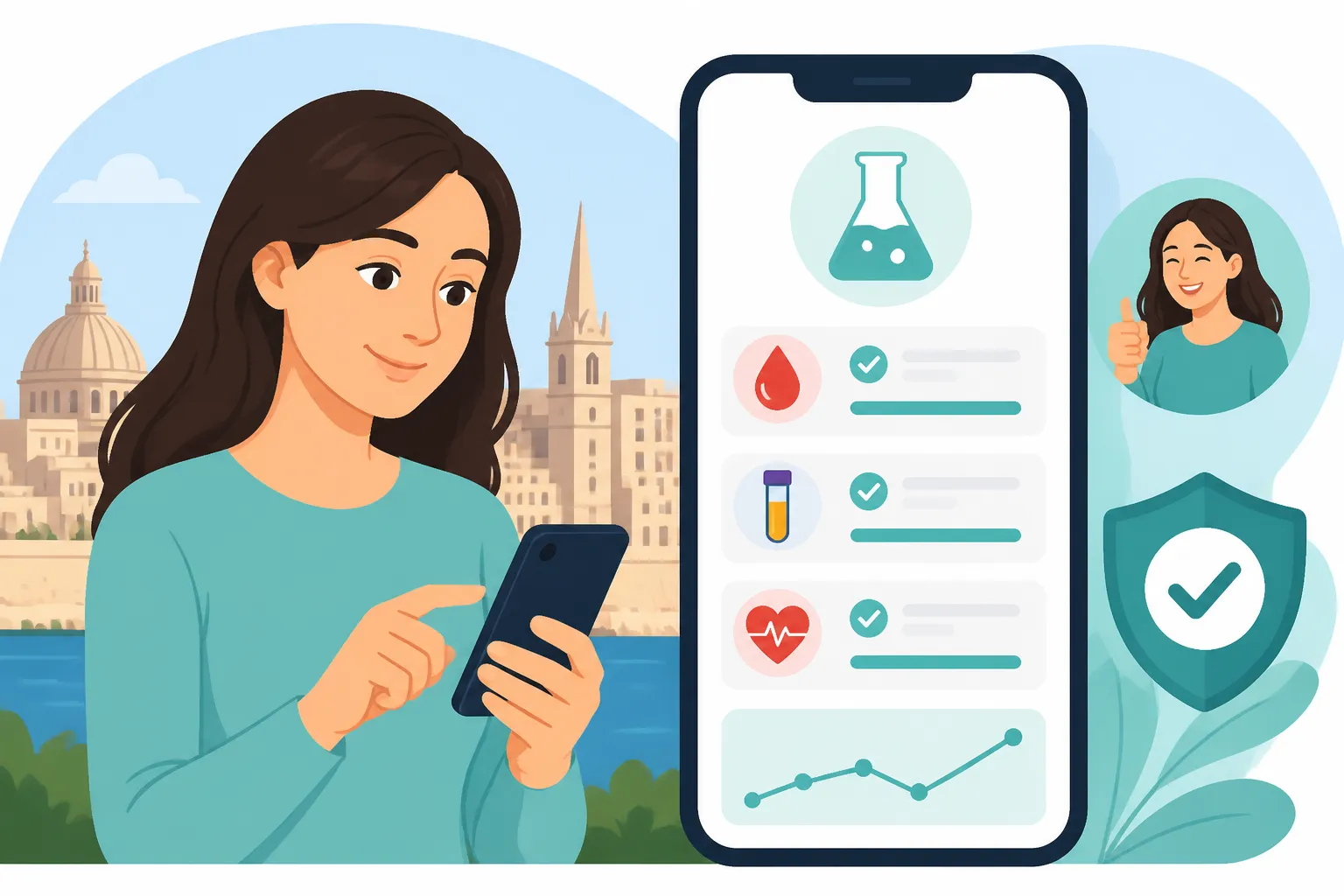
Once your eID is active, you can log into the myHealth website. The interface is relatively straightforward, but it can feel a bit clinical. The most important feature for most of us is the "My Results" tab. Here, the system aggregates data from various public laboratories across the islands. If you’ve visited a health centre for a check-up, this is where those results will eventually land. It is also the place where you can manage who sees your data. In Malta, the relationship between a patient and their GP is central, and the portal allows you to "link" with a specific doctor.
How Do I Register on the myHealth Portal in Malta? is a question I get asked frequently by new arrivals. The process involves logging in with your eID credentials and then choosing your preferred doctor from a searchable list of registered GPs. Linking with a doctor is highly recommended because it allows them to view your results as soon as they are released by the lab, often before you have even had a chance to check them yourself. This ensures that when you call for an explanation, they are already looking at the same data.
What Kind of Results Can You Actually See
It is a common misconception that every single medical interaction in Malta is recorded online. The myHealth portal is robust, but it has specific boundaries. Generally, you can view laboratory results, such as full blood counts, cholesterol levels, and glucose tests. These are typically uploaded in a standardized format that includes the reference ranges, which is incredibly helpful for those of us who like to do a bit of our own research before the follow-up appointment.
Beyond basic blood work, the system also handles medical imaging reports. While you might not be able to view the actual X-ray or MRI images (which usually require specialized software), you can read the radiologist’s formal report. This is a huge win for patients. In the past, getting a copy of a report from Mater Dei involved a trek to the medical records department and a fair bit of paperwork. Now, it is often available within a few days of the scan being completed.
However, there is a catch regarding the timeline. Results do not appear the second the lab technician finishes their analysis. There is a "validation" period where a consultant or a senior lab officer must sign off on the findings. Furthermore, for some sensitive tests, there may be a built-in delay to ensure that your doctor has the opportunity to speak with you before you see potentially distressing information on a screen. This is why Booking Appointments and Using myHealth Online in Malta remains a critical part of the process; the portal is a tool for information, but it doesn't replace the need for professional medical consultation.
Navigating the Public and Private Divide
One of the most confusing aspects of the Maltese system is the separation between public and private data. If you go to a private hospital like St. James or a clinic like DaVinci, those results will almost never appear on the government’s myHealth portal. Private entities maintain their own internal systems. Most of the major private providers in Malta now have their own patient portals or will email you a secure PDF of your results.
This fragmentation means that as an expat, you might end up with medical data scattered across three or four different platforms. If you are using Private Healthcare and Insurance in Malta: When You Need Cover, you are likely enjoying shorter wait times, but you need to be proactive about collecting those records if you ever intend to present them to a public consultant at Mater Dei. It helps to keep a digital folder on your own computer where you save every PDF result you receive.
For those who are not yet entitled to free public care, using private services is the standard route. Digital nomads or those on a temporary visa often rely on SafetyWing to cover these private visits. In these cases, you won't be looking at myHealth at all. Instead, you'll be interacting directly with the private lab's digital interface. It is always worth asking the receptionist at a private clinic, "Do you have an online portal for results?" most of the time, they will give you a login or tell you to expect an automated email within 48 hours.
Troubleshooting Common Issues with Online Results
Even with a perfect eID and a linked GP, things can go wrong. The most frequent complaint I hear from fellow expats is that their results are simply missing. Sometimes this is a clerical error where your ID number was entered incorrectly at the point of testing. If your ID number on the lab request doesn't perfectly match your eID, the system won't know to link the result to your account. If you find yourself in this situation, you usually have to contact the laboratory at Mater Dei or the health centre where the test was performed to have the record manually corrected.
Another issue is the "pending" status. Some tests take much longer than others. While a basic blood count might be ready in 24 hours, specialized biopsies or hormonal panels can take weeks. It is easy to get frustrated, but remember that the Maltese system is often dealing with a high volume of patients. If a result is taking longer than three weeks, it is time to be the "squeaky wheel." You can call the myHealth helpdesk or visit the Registering with a Health Centre and Choosing a GP in Malta office to ask for a status update.
Privacy is another concern for many. Some people are uncomfortable with their GP having total access to their medical history. Within the myHealth settings, you can actually control the level of access your doctor has. You can choose to allow them to see everything, or you can restrict them to only seeing results for a specific period. While the desire for privacy is understandable, being too restrictive is usually not advisable. If you end up in an emergency situation, having a doctor who can quickly pull up your last five years of blood work can be life-saving.
Comparing Access Options in Malta
| Feature | myHealth Portal (Public) | Private Clinic Portals | Traditional Method |
|---|---|---|---|
| Requirement | Maltese eID & Residency | Clinic Registration | ID Card/Passport |
| Cost | Free for entitled residents | Included in consultation fee | Free |
| Speed | 2-7 days (usually) | 24-48 hours | 7-14 days via post/phone |
| Data Scope | Public hospitals & health centres | Only tests done at that clinic | Varies by department |
| Doctor Access | Linked GP can view instantly | You must share the PDF | Physical copies only |
| Imaging | Reports only | Often includes image links | Physical CD-ROM |
Maximizing the Use of Your Digital Records
Once you have access to your results, the real work begins. Being an informed patient in Malta is essential. The doctors here are excellent, but the system is busy. If you go into a consultation already knowing that your iron levels are low because you checked the portal that morning, you can have a much more productive conversation. You can ask "Why is this low?" rather than spending the first ten minutes of your appointment waiting for the doctor to find the results in the system.
I also recommend using the myHealth portal to keep track of your prescriptions. The portal has a section for your current medications, which is tied to the Pharmacies and the POYC Scheme: Getting Medicines in Malta. This is incredibly useful if you have a chronic condition and need to remember the exact dosage or name of a specialist medication. It also helps avoid dangerous drug interactions if you happen to see a different doctor than usual.
For those who travel frequently, having your Maltese medical history accessible on your phone via the myHealth website is a massive advantage. If you fall ill while abroad, you can log in and show a foreign doctor your recent test results or your history of surgeries. For nomads who might be moving between countries, SafetyWing provides the necessary medical safety net, but your myHealth data remains your permanent record of your time in Malta. It is your data; make sure you know how to use it.
The Role of the GP in the Digital Age
While the portal gives you the numbers, it doesn't give you the context. I once saw a result on myHealth that was marked in red as being "out of range" and spent an entire weekend googling terrifying diagnoses, only to have my GP explain on Monday that the result was perfectly normal for someone of my age and fitness level. This is why the "Link your Doctor" feature is the most important part of the entire system.
Your GP acts as the interpreter. When you are Finding a Doctor in Malta: GPs, Specialists, and the Referral System, ask them if they are active users of the myHealth system. Most younger doctors are, but some of the older generation still prefer the paper-based system. Having a doctor who embraces the digital portal will make your life significantly easier. They can receive alerts when your results are in, and some can even send you a quick secure message through the system to let you know everything is fine, saving you a trip to the clinic.
Finally, remember that the digital system is still evolving. There are plans to integrate even more services, such as vaccination records and even dental records, into the central portal. By getting comfortable with it now, you are setting yourself up for a much smoother experience as the island continues its digital journey. It may take a bit of effort to get that initial eID and link your account, but the peace of mind that comes from having your medical data at your fingertips is worth every minute of bureaucratic hassle.
Disclaimer
This guide is for informational purposes only and does not constitute professional medical or legal advice. While we strive to keep the information up to date, digital systems and government regulations in Malta are subject to change. Always consult with a qualified healthcare professional or the relevant Maltese authorities regarding your personal health and residency status.