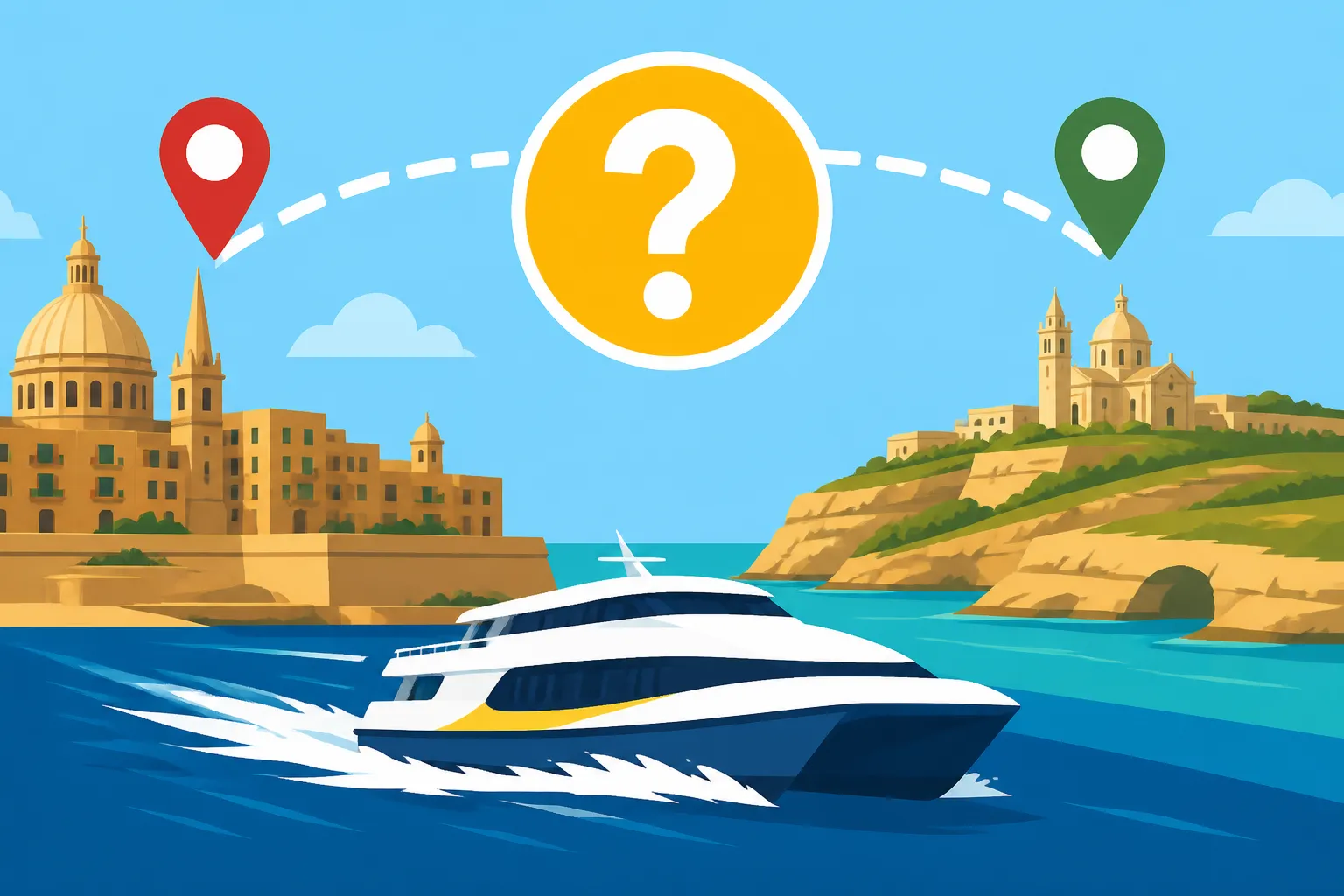
Is There a Fast Ferry Between Valletta and Gozo?
Oh, the perennial question for anyone living in or visiting Malta: "How do I get to Gozo without dedicating half my day to the journey?" For years, the answer was always the same: a bus ride from wherever you were, often through traffic, all the way up to Cirkewwa at the very northern tip of Malta, followed by the traditional car ferry. It was a pilgrimage, not a quick hop. But let me tell you, my fellow expats and intrepid tourists, the landscape has changed dramatically for the better! Yes, a fast ferry service directly between Valletta and Gozo is not just a dream anymore; it’s a vibrant, daily reality that has genuinely transformed how we access Malta's enchanting sister island. This guide will walk you through everything you need to know about these speedy services, helping you plan your next stress-free trip.
The Rise of the Fast Ferry: A Game Changer for Commuters and Tourists
For so long, the journey to Gozo felt like an event in itself. You had to plan around bus schedules that crisscrossed Malta, culminating in a potentially long wait at the Cirkewwa ferry terminal, especially during peak seasons or public holidays. Then came the serene, but undeniably slow, chug across the Comino Channel on the traditional Gozo Channel ferry. Don't get me wrong, that journey has its own charm, offering a moment to unwind and enjoy the sea breeze. But for those of us who live and work here, or visitors simply wanting to maximize their time exploring, it wasn't always practical.
A Brief History: Why Fast Ferries Were Needed
Before the advent of the fast ferry, if you wanted to get to Gozo, your options were pretty limited. You either drove your car to Cirkewwa, adding significant wear-and-tear and fuel costs, or you embarked on a lengthy public transport odyssey. Imagine starting your day in Sliema or St Julian's, catching a bus that might take an hour or more just to reach Cirkewwa, then waiting for the ferry, enjoying the 25-minute crossing, and then having to catch another bus from Mġarr Harbour to get to your final destination in Gozo. It wasn't uncommon for a simple day trip to eat up a good two to three hours of travel each way. This really limited spontaneity and made daily commuting between the islands a logistical headache for many.
The demand for a direct, fast, and pedestrian-friendly link, especially from the capital city of Valletta, grew louder with each passing year. People yearned for convenience, for a way to simply walk down to the Grand Harbour and be whisked away to Gozo in under an hour. This wasn't just about tourists; it was about Gozitans working in Malta, Maltese working in Gozo, students, and families. The fast ferry wasn't just a luxury; it was a much-needed infrastructure improvement that genuinely addressed a long-standing frustration. It’s made the idea of a quick, spontaneous visit to Gozo for dinner or a short hike a real possibility, rather than a full-day expedition.
The Companies Leading the Charge
Recognising this significant gap in inter-island transport, two main operators stepped up to the plate, bringing modern, high-speed catamaran services to Malta's shores. Their introduction was met with widespread enthusiasm, particularly from the expat community who often value efficient travel.
Firstly, there’s Virtu Ferries Gozo, operating under the brand name Gozo Highspeed. Virtu Ferries is a well-established name in Maltese maritime travel, primarily known for its fast ferry services between Malta and Sicily. Their vessels are designed for speed and comfort, offering a smooth journey even when the seas are a little choppy. They boast a modern fleet, with vessels like the SES San Gwann, which has been serving the Malta-Sicily route for years, adapted for the shorter inter-island run. Their experience in high-speed passenger transport gave many confidence from the outset.
Then we have Gozo Fast Ferry, which is part of the larger Ponte Ferries group. This operator introduced its own fleet of catamarans, specifically catering to the Valletta-Gozo route. Their entry created a healthy sense of competition, which, as often happens, ultimately benefits us, the consumers. More competition generally means better services, more competitive pricing, and a greater frequency of trips. Both companies primarily operate from the same convenient terminal in Valletta, making it easy to choose based on schedule or personal preference. The presence of these two reliable services means that getting to Gozo no longer feels like such an insurmountable task; it’s now genuinely part of the regular Getting Around Malta: Buses, Ferries, Driving, and the Gozo Connection.
Navigating the Fast Ferry: Routes, Schedules, and Terminals
Understanding how to use the fast ferry efficiently is key to making your Gozo trip as smooth as possible. It’s not just about getting on a boat; it’s about knowing where to go, when to go, and what to expect.
Valletta to Gozo Mġarr Routes Explained
The fast ferry routes are delightfully straightforward, which is a blessing when you're dealing with new public transport systems. Both operators depart from and arrive at very specific, easy-to-find locations:
- Departure Point in Valletta: Both Gozo Highspeed and Gozo Fast Ferry depart from the Lascaris Wharf area in Valletta. This is incredibly convenient because it's right in the heart of Malta's capital. If you're exploring the historic streets of Valletta, you can simply walk down to the harbour. For an even easier approach, especially if you're laden with bags or just tired from sightseeing, the Barrakka Lift provides a direct, scenic, and quick descent from the Upper Barrakka Gardens right down to the waterfront promenade, practically opposite the ferry terminal. There's a small fee for the lift, but it’s absolutely worth it for the convenience and the breathtaking views.
- Arrival Point in Gozo: In Gozo, the ferries arrive at Mġarr Harbour. This is the main port of entry for Gozo and is well-connected to the rest of the island. As soon as you disembark, you'll find buses waiting to take passengers to Victoria (Rabat), Gozo's capital, and other major towns and villages. Taxis are also readily available, though often a pricier option. Mġarr itself is a charming village with a few restaurants and cafes, perfect for a quick bite before you head off to explore.
The best part? The journey itself. In roughly 45 minutes, you’ll be transported from the bustling Grand Harbour of Valletta to the tranquil shores of Gozo. It's a genuinely enjoyable ride, offering stunning panoramic views of the Maltese coastline, the tiny island of Comino with its famous Blue Lagoon, and then the dramatic cliffs and serene inlets of Gozo. You often feel a sense of anticipation building as Gozo grows larger on the horizon.
Understanding the Timetables and Booking Options
When it comes to inter-island travel, schedules are everything, and the fast ferry operators understand this. They aim to provide frequent services, especially during the busier times of the day and throughout the peak summer season.
- Frequency: Both companies typically offer multiple daily crossings, with services starting early in the morning and running until late evening. During the summer months, or for special events, additional trips are often added to accommodate higher demand. However, it's crucial to remember that this isn't a 24/7 service like the traditional Gozo Channel ferry (which you can learn more about in How Often Does the Gozo Ferry Run?).
- How to Check Schedules: The most reliable way to stay informed is by checking the official websites or mobile apps of Virtu Ferries Gozo (Gozo Highspeed) and Gozo Fast Ferry. These platforms provide real-time updates, which are absolutely essential. Weather conditions can sometimes affect sailings (more on that later), so always, always check for potential delays or cancellations before you head to the terminal. It is wise to download both apps, as sometimes one company might cancel while the other still operates. For seamless access to these apps and real-time updates, especially while you're out and about, ensuring you have a good data plan is a must. Options like Airalo eSIMs can be incredibly handy for keeping you connected without worrying about roaming charges or swapping physical SIM cards.
- Booking: While walk-up tickets are often available, especially during off-peak times, I highly recommend booking your tickets in advance online, particularly if you're travelling during weekends, public holidays, or the peak summer season. This guarantees your spot and saves you from potentially long queues or disappointment if a sailing is full. Both operators have user-friendly online booking systems. You'll typically receive an e-ticket on your phone, which you can simply show before boarding. If you’re coordinating a larger trip, this pre-booking definitely eases the pressure.
Practicalities and Planning Your Journey
Embarking on a fast ferry journey to Gozo requires a bit of practical planning, especially concerning tickets, costs, and what facilities you can expect onboard. Being prepared will make a world of difference to your experience.
Ticket Types, Prices, and Concessions
One of the great aspects of the fast ferry service is the range of ticket options available, designed to cater to different types of passengers. However, it's crucial to understand the pricing structure, especially the benefits for residents.
- Standard Fares: For general adult passengers, both one-way and return tickets are available. Return tickets almost always offer a small saving compared to buying two one-way tickets. Children (usually aged 4-12) and infants (under 4) typically have reduced or free fares.
- Resident Discounts: This is where it gets interesting and highly beneficial for expats living in Malta. Holders of a Maltese eResidence Card are entitled to significantly discounted fares. This is a massive perk, reducing the cost of travel to Gozo substantially. To avail yourself of this, you'll need to present your valid eResidence card when purchasing tickets (online or at the terminal) and possibly when boarding. If you're still waiting for yours, you might find useful tips in Getting Your Maltese eResidence Card and ID Number.
- Student and Senior Rates: Students enrolled in Maltese educational institutions and senior citizens (usually 60+) often qualify for further reduced rates. Again, valid identification (student card, ID card) will be required.
- Group Bookings: If you're travelling with a larger group, it's worth checking if the operators offer any specific group rates or packages, though individual resident discounts usually make that less necessary for smaller groups.
Here’s a general idea of the price ranges. Please note that these are approximate figures and can fluctuate based on season, operator, and any special offers. Always check the current prices directly on the operators' websites.
| Ticket Type | Virtu Ferries Gozo (Approx. €) | Gozo Fast Ferry (Approx. €) | Resident Fare (Approx. €) |
|---|---|---|---|
| Adult One-Way | 10 – 12 | 10 – 12 | 5 – 6 |
| Adult Return | 18 – 22 | 18 – 22 | 8 – 10 |
| Child One-Way (4-12) | 5 – 6 | 5 – 6 | 3 – 4 |
| Child Return | 8 – 10 | 8 – 10 | 5 – 6 |
| Infant (0-3) | Free | Free | Free |
These resident fares are truly a game-changer, making frequent trips to Gozo much more affordable. It really makes What Is It Like to Live in Gozo as a Foreigner? a more viable option for many.
What to Expect Onboard: Comfort and Amenities
You might imagine a fast ferry to be a no-frills, utilitarian vessel, but that's generally not the case with these services. Both operators strive to provide a comfortable experience for their passengers.
- Seating: The catamarans are equipped with comfortable, airline-style seating, usually in air-conditioned lounges. This is particularly welcome during Malta's hot summer months. You'll find plenty of space to relax, read, or simply enjoy the view through large windows.
- Facilities: All vessels have onboard toilet facilities. Some services may offer a small snack bar or vending machines where you can grab a coffee, soft drink, or a light bite for your short journey. Don't expect a full meal service, but it's enough to keep you comfortable.
- Accessibility: Both operators aim to be accessible. If you have specific mobility needs, it’s always a good idea to contact the ferry company in advance to confirm arrangements and ensure a smooth boarding process.
- Luggage: While you can't bring your car, there's typically a generous allowance for personal luggage. Standard suitcases, backpacks, and even larger items like bicycles (often with a small extra fee or specific booking) can usually be accommodated. If you're planning a full move, however, you'll need to consider other options, maybe checking out moving services and advice from companies like Sirelo. The fast ferry is designed for passenger convenience, not heavy cargo.
- The Scenic Route: One of the often-underestimated perks of the fast ferry is the unique perspective it offers. Cruising out of Valletta’s Grand Harbour, passing by the historic fortifications, is a truly magnificent sight. The journey then takes you past the rugged coastline of Malta, the crystal-clear waters around Comino, before approaching Gozo. It's a fantastic photo opportunity and a beautiful way to appreciate the islands from a different vantage point.
Tips for a Smooth Fast Ferry Experience
Even with the ease and convenience of the fast ferry, a few insider tips can make your journey even smoother and help you avoid any potential hiccups.
Connecting to and from the Terminals
Getting to and from the ferry terminals in both Valletta and Mġarr is usually quite straightforward, thanks to Malta's relatively robust public transport network.
- Valletta Terminal (Lascaris Wharf):
- Walking: If you're already in Valletta city centre, the terminal is a pleasant downhill walk, though it can be steep in parts. The Barrakka Lift, as mentioned, is your best friend for effortless descent or ascent.
- Public Transport: Valletta is the main hub for Malta's bus network. Numerous bus routes terminate at the Valletta bus terminus, which is just a short walk (or a lift ride) from the ferry terminal. If you have a Tallinja Card, your bus travel within Malta is essentially free, making this a very economical option. More details can be found in Public Transport in Malta: Free Bus Travel and the Tallinja Card.
- Taxis/Ride-sharing: White taxis and popular ride-sharing apps like Bolt are readily available in Valletta, offering a direct, albeit more expensive, option.
- Parking: Parking in Valletta is notoriously difficult and expensive, especially near the Grand Harbour. It's generally advised to use public transport or park at the Floriana Park & Ride and take a shuttle into Valletta, rather than attempting to drive directly to the terminal.
- Mġarr Terminal (Gozo):
- Public Transport: Upon arrival in Mġarr, you'll see a small bus terminus right outside the port. Buses connect to Victoria (Rabat) and other towns across Gozo. The frequency of buses in Gozo is generally less than in Malta, so it's a good idea to check the schedule or have a plan for your onward journey.
- Taxis: Taxis are usually waiting at the port, ready to take you to your destination. Prices are fixed for popular routes, but it’s always wise to confirm the fare before you start your journey.
- Car Rental: If you plan to explore Gozo by car, you can pre-book a rental car to be picked up directly at Mġarr Harbour. This gives you maximum flexibility for your Gozitan adventures.
Weather Considerations and Potential Delays
Malta enjoys beautiful Mediterranean weather for most of the year, but like any island nation, it's susceptible to the elements. The sea conditions, particularly strong winds, can occasionally affect fast ferry sailings.
- The Med Can Get Choppy: The stretch of sea between Malta and Gozo, especially around Comino, can get quite rough when there are strong winds. Northerly or North-Easterly winds, locally known as 'Grigal', are particularly notorious for causing choppy waters and can sometimes lead to cancellations. While the catamarans are designed for stability, passenger comfort and safety are paramount.
- How to Check for Updates: This is where those mobile apps and websites I mentioned earlier become your lifeline. Always, always check the live status updates from your chosen operator before you leave for the terminal. Don't rely solely on the printed schedule you saw a week ago. Both Gozo Highspeed and Gozo Fast Ferry are diligent about posting announcements regarding delays or cancellations due to weather or technical issues. Check their social media pages too, as updates often appear there first.
- Alternative Plans: What happens if your fast ferry is cancelled? You'll need to make your way to Cirkewwa on the northern tip of Malta and take the traditional Gozo Channel ferry. This involves a bus ride (potentially a long one, depending on where you are in Malta) and then the car ferry crossing. This can be a major inconvenience, especially if you have a tight schedule, an important appointment, or a flight to catch. Therefore, always have a mental backup plan, especially during winter months or periods of unsettled weather. Having a flexible attitude is part of living in Malta, and certainly part of Getting to Gozo: The Ferry, Fast Ferry, and Inter-Island Travel.
Fast Ferry vs. Gozo Channel: Which One to Choose?
This is the million-dollar question for many expats and visitors. Both ferry services serve the purpose of getting you to Gozo, but they cater to very different needs and offer distinct experiences. Understanding these differences will help you make the best choice for your particular trip.
Speed vs. Flexibility: When Each Option Shines
The primary difference, as the name suggests, is speed and directness, but the implications go deeper.
-
Fast Ferry Advantages:
- Speed: A 45-minute crossing from Valletta to Mġarr is unbeatable. When you factor in the time saved by departing directly from the capital, it's a huge time-saver compared to the Gozo Channel's 25-minute crossing plus the hour-long journey to Cirkewwa.
- Direct Valletta Access: For those staying in or near Valletta, or for commuters working in the capital, this is a non-negotiable benefit. No additional long bus rides across Malta just to reach the ferry.
- Pedestrian-Focused: It's designed for foot passengers, which makes it ideal for day-trippers, backpackers, cyclists (check bike policies), and anyone who plans to use public transport or taxis once in Gozo.
- Comfort: Modern catamarans usually offer comfortable, air-conditioned seating, which is a blessing in summer.
-
Gozo Channel Advantages:
- Car Transport: This is the only option if you need to take your car (or other vehicles like motorbikes, vans) to Gozo. For longer stays, or if you have specific gear, or simply prefer the flexibility of your own car, this is essential.
- Frequency (Night-time): The Gozo Channel runs 24/7, providing peace of mind for very late or very early crossings when fast ferries might not be operating.
- Weather Resilience: Being larger, traditional ferries are generally more robust in rougher seas, meaning fewer cancellations due to adverse weather. This is a crucial factor for business commuters or those with inflexible schedules.
- Space: The larger vessels have more deck space, cafeterias, and amenities, offering a different, more relaxed ferry experience.
Let's consider a few scenarios:
- Scenario 1: A spontaneous day trip from Valletta with no car. Fast ferry, hands down. You can be enjoying lunch in Victoria within an hour of leaving Valletta.
- Scenario 2: Moving some belongings for a longer stay in Gozo, or travelling with heavy luggage. The Gozo Channel with a car (or a taxi to Cirkewwa and then a taxi on Gozo) would be the pragmatic choice. Companies like Sirelo often suggest careful planning for such transfers.
- Scenario 3: You live in Gozo but work in Valletta. The fast ferry is a lifesaver, cutting down commute times dramatically and making daily inter-island travel feasible.
- Scenario 4: You’re an expat exploring the nuances of Housing and Living in Malta: The Complete Newcomer's Guide (2027) and want to see if Gozo is a place for you. The fast ferry makes a quick scouting trip possible.
Considerations for Car Owners and Large Groups
This is really the decisive factor for many.
- No Cars on Fast Ferry: This cannot be stressed enough – fast ferries are strictly for foot passengers (and potentially bicycles with prior arrangement). If you need your vehicle in Gozo, your only option is the Gozo Channel ferry from Cirkewwa. This is a critical point when planning your trip, and it impacts everything from luggage to your mobility once on Gozo. If you're coming for a longer stay or plan to reside in Gozo, understanding this is key to Choosing Where to Live: Sliema, St Julian's, and the Inner Harbour or elsewhere.
- Large Groups: For large groups travelling together, if everyone is a foot passenger, the fast ferry offers a convenient, shared experience. However, if your group plans on extensive exploration across Gozo, renting a car (either in Malta to take on the Gozo Channel or picked up directly in Mġarr) will offer far more flexibility. Sometimes, a one-day car rental in Gozo can be more cost-effective than taking your own car on the traditional ferry, especially if you're only going for a short visit.
- Cost Comparison (with car): Factor in the cost of fuel to Cirkewwa, the Gozo Channel car and passenger fare, versus the fast ferry tickets and a potential car rental cost in Gozo. For short, focused visits, renting a car in Gozo might actually be cheaper and less hassle than bringing your own car over. But if you're staying for several days and plan extensive driving, bringing your car might make more sense. Each trip truly requires a quick calculation.
In essence, the fast ferry is a marvel of modern convenience, a true blessing for those of us who value speed and direct access, particularly to and from Valletta. It's transformed Gozo from a distant excursion into an easily accessible extension of the Maltese experience. However, the venerable Gozo Channel ferry still holds its vital place for car owners and those who prioritise maximum flexibility or require a more resilient service during adverse weather. Now you have all the information to choose wisely for your next Gozitan adventure!
Disclaimer
Please note that while every effort has been made to provide accurate and up-to-date information, ferry schedules, prices, and regulations in Malta can change. It is always advisable to check the official websites of Virtu Ferries Gozo (Gozo Highspeed) and Gozo Fast Ferry for the most current information before planning your journey. This guide is for informational purposes only and does not constitute official advice.