Do I Need to Return My eResidence Card If My Status Changes in Malta?
Ah, the beloved eResidence card – that little piece of plastic that holds so much of your legal life in Malta. It’s far more than just an ID; it’s the physical manifestation of your right to be here, to work, to access services. So, when your circumstances shift, it's completely understandable to feel a pang of confusion about what to do with that card. The quick answer is: yes, generally, any significant change in your status in Malta will require action regarding your eResidence card, often meaning it needs to be returned and a new one issued or updated. Let's delve into the nitty-gritty, because, as we all know, nothing in Maltese admin is ever truly straightforward!
Understanding Your eResidence Card: More Than Just a Plastic ID
That glossy eResidence card in your wallet isn't just a pretty picture of you (or a slightly bewildered version of you, thanks to the Identità office's camera flash). It's a critical document, a direct reflection of your official status and entitlement to live and access certain rights within Malta. Think of it as a living document, intimately tied to the specific reasons you were granted residence in the first place.
The Fundamental Link Between Your Card and Your Status
Every detail on your eResidence card, from your personal data to your permit type (e.g., single permit, student permit, family member permit), your address, and its expiry date, is directly linked to the information held by Identità, Malta's agency responsible for identity management. This means that if any of that underlying information changes, the card must reflect it. It's not just a suggestion; it's a legal requirement.
For example, if you initially moved to Malta on a student permit, your card explicitly states "Student." If you then land a job and apply for a Single Permit, your right to reside and work changes fundamentally. Your old student card no longer accurately represents your legal status. The system is designed to ensure that the document you carry always aligns with your legal standing in the country, which in turn impacts everything from your ability to open a bank account to accessing public services.
When Your Status in Malta Is No Longer Current
Life in Malta, like anywhere else, isn't static. People change jobs, move homes, get married, have children, or sometimes, sadly, leave the island for good. Each of these significant life events can, and often does, constitute a "change of status" in the eyes of Identità. It’s not just about what's printed on the card itself, but what entitlements and conditions that permit type carries. Neglecting to update your details or address could lead to official communications going astray, missed deadlines for renewals, or even more serious legal implications for your residence status.
Common Status Changes Requiring Action for Your eResidence Card
The spectrum of "status changes" is quite broad, and it's essential to know which ones trigger an administrative process with Identità. Let's break down the most frequent scenarios that expats encounter.
Changing Your Residential Address
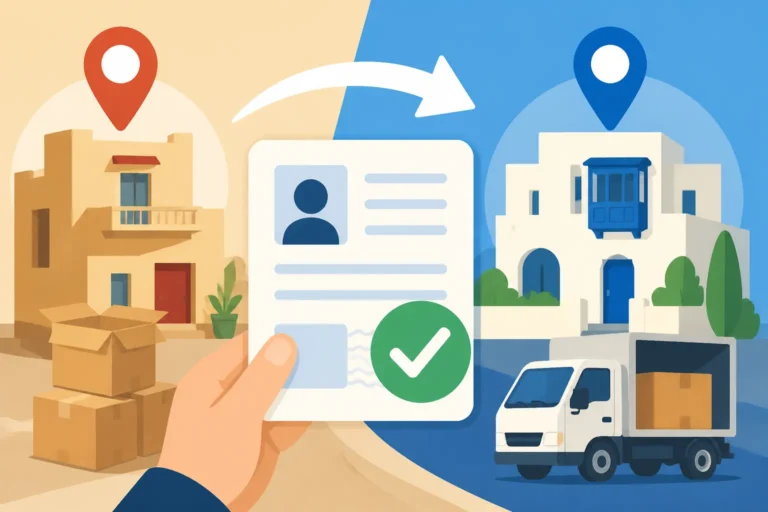
This is perhaps one of the most common changes, and it's crucial. When you pack up your belongings and move from, say, a flat in Sliema to a house in Mellieħa, your registered address with Identità needs to be updated. While your eResidence card itself might not explicitly state your full address (though some older versions or permit types might), the address is on file, and it’s where official correspondence will be sent.
The Process: You are legally obliged to inform Identità of your new address within a specific timeframe (usually a matter of days or weeks, refer to the official Identità guidelines or your permit conditions). This typically involves filling out a form, providing proof of your new address (like a rental agreement or utility bill in your name), and submitting it to Identità. They might issue a sticker to update your existing card, or in some cases, a new card might be issued if the underlying permit document also needs an update. Remember, an updated address is vital for everything from your postal service to ensuring your correct utility tariffs with ARMS. For more detailed steps, check out our guide on Updating Your Address and Status with Identità in Malta.
Why it matters: Imagine if Identità sends you a crucial notice about your permit renewal to your old address, and you never receive it. This could lead to your permit expiring without you even knowing, putting your legal residency at risk. It also affects your eligibility for certain services; for example, your designated Health Centre is often tied to your residential address.
Changes in Employment Status
For many non-EU/EEA nationals, their right to reside in Malta is inextricably linked to their employment. The Single Permit is precisely that: a single document allowing you both to reside and work, tied to a specific employer and role.
Losing a Job: This is a big one. If you are made redundant or resign from the job that secured your Single Permit, your residence status is immediately impacted. You typically have a grace period (often 10 days, but always confirm the current regulations) to inform Identità and explore options to find new employment. Failure to do so can lead to your permit being revoked. Your existing card, tied to your previous employment, would no longer be valid. Our article on What Happens to Your Permit If You Lose Your Job in Malta offers more insights into this stressful situation.
Starting a New Job: If you secure new employment, even if it's within the same sector, you generally cannot just start working. You will need to apply for a new Single Permit, linked to your new employer. This is essentially a new application process, and once approved, you’ll be issued a new eResidence card. The old card, tied to your previous employer, would need to be returned upon collection of your new one. This ensures that the documentation always matches your legal right to work. For clarity on this, refer to Does Changing Jobs Require a New Permit in Malta?.
Switching from Employed to Self-Employed: This is another significant shift. If you've been working for an employer on a Single Permit and decide to go freelance or start your own business, you'll need to apply for a self-employment permit. This involves a different set of criteria and documentation. Again, your old eResidence card becomes obsolete, and a new one reflecting your self-employed status will be issued. We cover this extensively in How Do I Move from Employment to Self-Employment in Malta?.
Shifting Residence Permit Categories
Sometimes, your entire reason for being in Malta can change, leading to a shift in your permit category.
Example Scenarios:
- Student to Worker: You arrive as an international student, graduate, and then find a job. You can’t just continue on your student permit; you’ll need to apply for a Single Permit.
- Work to Family Reunification: Perhaps you came to Malta for work, and then your spouse joins you under family reunification. Your spouse's permit category will be "Family Member," and if your own circumstances change later (e.g., your spouse gets a job and becomes the primary permit holder), your permit might shift.
- Work to Retiree: If you've worked in Malta for many years and then transition to retirement, you might need to apply for a different type of residence permit, such as one under a retirement programme, if you don't already have long-term status.
In all these cases, the underlying legal basis for your residence changes. This necessitates a fresh application for the relevant permit type. Once the new permit is approved, you will be required to return your previous eResidence card, and a new one reflecting your current status will be issued. It’s a complete switch, not just a minor amendment. Our guide on Switching Residence Permit Types While Living in Malta provides more in-depth information.
Significant Personal or Family Status Changes
Life happens, and these changes often have a ripple effect on your immigration status, especially if you're here as a family.
Marriage or Divorce: If you entered Malta as a dependent spouse, your permit is tied to your partner's. Marriage to a Maltese national, or divorce from a partner whose permit you were dependent on, are major life events that require notification to Identità. A new permit reflecting your altered relationship status (or perhaps an application for a different permit type if you become independent) will be necessary.
Birth of a Child: When you welcome a new addition to your family in Malta, registering their birth is just the first step. You'll also need to apply for their residence permit, linking them to your own or your partner's permit. While it won't affect your eResidence card directly in terms of needing to return it, it's a critical family status change that involves Identità. Find out more about this process in How Do I Register a Newborn for Healthcare in Malta?.
Death: While a somber topic, the death of a permit holder or a dependent family member also constitutes a change of status that requires notification to Identità for administrative purposes. The deceased person’s eResidence card would need to be formally returned as part of closing out their administrative presence in Malta.
The Process of Returning or Updating Your eResidence Card
So, you've identified that your status has changed. What now? The practical steps involved can sometimes feel like navigating a labyrinth, but understanding the general process helps immensely.
Notifying Identità: The First Crucial Step
The moment your status changes, whether it’s a new job offer, a move to a different address, or a significant life event, your primary responsibility is to inform Identità. This isn't just a polite gesture; it’s often a legal obligation tied to the conditions of your permit.
How to Notify:
- Online Portal: For certain updates, especially address changes or renewals, Identità's online portal (identita.gov.mt) is often the starting point. You might be able to initiate the process or download necessary forms there.
- Email: For general queries or initial notifications, sending an email to their official contact address can be useful, but always follow up with official submissions.
- In Person: Many changes, especially those requiring new biometric data or the submission of original documents, will necessitate an appointment at the Identità offices in Marsa (for non-EU/EEA) or Ħal Lija (for EU/EEA and certain other categories). Booking these appointments can sometimes be a test of patience, so plan ahead!
- Through Your Employer: If your permit is employment-based, your employer (or their HR department/relocation agent) will often handle the submission of your new permit application to Identità. However, always ensure you're aware of the process and track its progress.
What Documents Are Typically Needed: This varies wildly depending on the specific change. Be prepared with:
- Your current eResidence card and passport.
- New employment contract (if changing jobs).
- Proof of new address (rental agreement, utility bill).
- Marriage certificate, birth certificate, divorce decree (for family status changes).
- Police conduct certificate (often required for new permit applications or renewals).
- Proof of sufficient funds (for self-sufficiency permits).
- Relevant application forms, duly filled out.
Always, and I mean always, check the most up-to-date requirements on the Identità website or by contacting them directly. What was required last year might have changed today.
The Physical Return of the Old Card (or Amendment)
This is where the "returning" aspect of your query comes in.
When You Physically Hand It Back:
For significant changes, such as moving from a student permit to a work permit, or getting a new Single Permit after changing employers, you will almost certainly be required to physically return your old eResidence card when you go to collect your new one. They won't issue the new card until the old one is surrendered. This is a standard procedure to ensure that only one valid residence document is in circulation for you at any given time.
When It's Simply Updated:
For less drastic changes, like an address update, Identità might simply issue a sticker to be placed on your existing card, or update the electronic chip without issuing a completely new card. However, this is becoming less common as Identità aims for higher security and accuracy with each permit type.
What to Expect During the New Application/Renewal Process:
Expect waiting times. The processing of new permit applications and renewals can take weeks, sometimes months. During this period, you might be issued a provisional document or a letter confirming your application is in process. It’s vital to keep this document safe, especially if you need to travel outside Malta. Our guide on Renewing Your Maltese Residence Permit Before It Expires can help you prepare.
Consequences of Non-Compliance
Ignoring these administrative requirements can have serious repercussions. This isn't just about a slap on the wrist; it can affect your entire legal standing in Malta.
- Legal Risks: An invalid or outdated eResidence card means you are effectively residing or working in Malta without the correct legal basis. This can lead to fines, deportation, or difficulty with future permit applications.
- Access to Services: Your eResidence card is your key to accessing many essential services. Without an up-to-date card, you might face issues with:
- Banking: Banks require valid ID and proof of address. If your card doesn't reflect your current status or address, they might freeze your account or refuse transactions.
- Healthcare: Public healthcare access is tied to your residence status and social security contributions. If your permit status is unclear or expired, you might lose your entitlement to public healthcare. In such cases, having private health insurance, like that offered by Cigna Global, becomes not just recommended, but absolutely critical as a fallback to ensure you can still access medical care.
- Driving Licence: Renewing or exchanging your driving licence requires valid residence proof.
- Travel: While awaiting a new card, travelling can be risky. Although Identità might issue a temporary document, some airlines or border control officers might not be familiar with it, potentially causing delays or preventing re-entry.
- Practical Difficulties: Imagine trying to sign a new rental agreement, register your child for school, or even get a new phone contract without a valid and current eResidence card. It will be a constant headache.
Leaving Malta Permanently: The Final Goodbye to Your Card
Even if you’re making the big move and leaving Malta for good, there are still administrative steps regarding your eResidence card. This ensures a clean break and avoids any lingering administrative issues.
Informing Authorities Before You Depart
When you decide to leave Malta permanently, it's not just about packing your bags. You need to officially inform several key authorities of your departure. This is crucial for closing out your administrative footprint in the country.
- Identità: You should officially notify Identità of your departure. This allows them to update their records, indicating that you are no longer a resident.
- Jobsplus: If you were employed, you and your employer should ensure your employment termination is correctly registered with Jobsplus.
- Commissioner for Revenue (CFR): You'll need to sort out your final tax obligations. This might involve filing a final tax return and ensuring there are no outstanding payments or refunds.
- ARMS (Utilities): Don't forget to close your utility accounts for electricity and water. This often requires providing your final meter readings and ensuring the final bill is paid.
- Banks: Close your Maltese bank accounts or convert them to non-resident accounts if you wish to keep them open for specific reasons.
This comprehensive notification helps prevent issues like unexpected bills, tax demands, or even the perception of illegal overstaying in the future. For expats planning a big move, a professional moving service like Sirelo can help with the logistics of international relocation, but the administrative "break-up" with Malta is squarely on your shoulders.
The Final Return of the eResidence Card
When you leave Malta for good, your eResidence card needs to be returned to Identità. This is a common requirement in many countries and serves to formally conclude your residence status.
How to Do It:
Ideally, you should arrange to return the card to the Identità offices before your final departure. If that's not possible, you might be able to send it back via registered mail from abroad, though it's always best to get confirmation from Identità on the acceptable method. Some people simply surrender it at the airport when they leave, but confirming this directly with Identità is paramount to avoid issues.
Why It Matters:
Returning the card officially signals your cessation of residency. It ensures that your record is updated as "departed" and prevents any potential misuse of the card or issues arising from an "active" permit for someone no longer in the country. It’s part of a clean exit strategy, which, trust me, makes future interactions (like if you ever decide to visit or return) much smoother.
Key Actions for Common Status Changes
| Status Change | Primary Authority to Notify | Typical Action Regarding eResidence Card | Proof/Documents Often Required | Potential Consequences of Non-Compliance |
|---|---|---|---|---|
| Change of Address | Identità | Update existing card / new card issued | New rental agreement, utility bill | Unreceived official mail, issues with utility tariffs, health centre |
| New Employment (Single Permit) | Identità (via employer) | Old card returned, new card issued | New employment contract, police conduct | Illegal employment, permit revocation, fines |
| Loss of Employment | Identità | Permit revocation, grace period, new application | Termination letter | Overstaying, deportation, loss of public services |
| Student to Worker Permit | Identità | Old card returned, new card issued | Job offer, qualifications, police conduct | Illegal employment, permit revocation |
| Family Reunification (as dependent) | Identità | New permit application, new card issued | Marriage/birth certificate, sponsor's permit, proof of funds | Illegal residency for family member |
| Leaving Malta Permanently | Identità, CFR, ARMS, Banks | Return old card | Travel tickets (optional but helpful), final utility readings | Unpaid bills, tax issues, perceived overstaying |
| Marriage/Divorce | Identità | New permit application/status update | Marriage/divorce certificate | Issues with dependent permits, legal standing |
| Birth of Child | Identità | New permit application for child | Birth certificate, parents' permits | Child lacking legal residence |
Disclaimer
The information provided in this guide is for general informational purposes only and does not constitute legal or immigration advice. While we strive to offer realistic and up-to-date insights based on our expat experience and public information, regulations in Malta can change frequently. Always consult with Identità (the official Maltese identity agency) directly or seek professional legal counsel for advice specific to your individual circumstances. We cannot be held responsible for any decisions made based on this information.