Do I Need a D-Visa to Enter Malta Before My Permit?
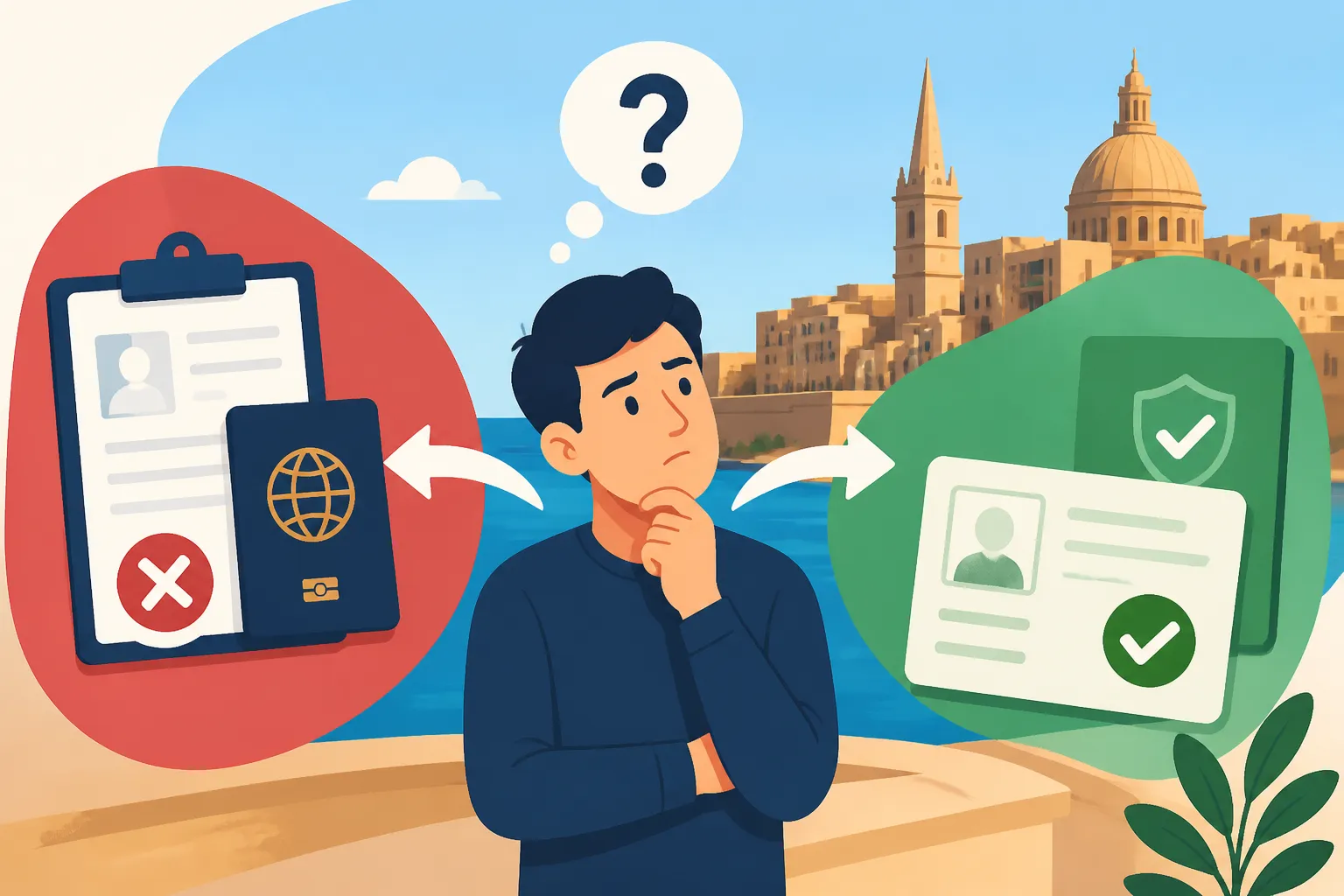
One of the most head-scratching moments for many non-EU/EEA nationals planning a move to Malta is figuring out the difference between a visa and a residence permit, and whether you need both. It's a common point of confusion, leading to anxiety about arrival logistics and making sure you're legally squared away from day one. This guide will cut through the administrative fog to clarify exactly when a D-visa is necessary for entering Malta before your long-term permit is issued, helping you navigate the journey with confidence.
Understanding the D-Visa and Its Purpose in Malta
Let's be honest, the world of visas and permits can feel like a labyrinth, especially when you're trying to move to a new country like Malta. Many people conflate a "visa" with a "residence permit," but they serve distinct purposes. A D-visa, also known as a national long-stay visa, is a crucial piece of the puzzle for many, but not all, prospective residents. It's designed to bridge the gap between your intention to live long-term in Malta and the actual issuance of your residence permit.
What Exactly is a D-Visa?
At its core, a D-visa is a national long-stay visa issued by a Schengen Area member state, in this case, Malta. Unlike a short-stay Schengen visa, which typically allows you to stay for up to 90 days within any 180-day period across the entire Schengen zone, a D-visa is specifically for those who intend to stay in a single Schengen country for longer than 90 days. It grants you the initial legal entry and stay in Malta for a specific purpose, usually while your long-term residence permit application is being processed or finalised. Think of it as your temporary green light to get through the Maltese airport and start the next phase of your administrative journey without overstaying your welcome under the stricter Schengen rules. Without it, you could find yourself in a rather sticky situation, facing potential deportation or future entry bans, which is the last thing anyone wants when starting a new life.
Who Needs a D-Visa to Enter Malta?
So, who exactly falls into this category? Generally, if you're a non-EU/EEA national and you require a visa to enter the Schengen Area for a short stay, you'll also need a D-visa if you're coming to Malta with the intention of applying for or activating a long-term residence permit after your arrival. This is particularly relevant if your residence permit has been granted an "Approval in Principle" but not yet fully issued. Many people seeking a The Single Permit as a Combined Work and Residence Permit in Malta will find themselves in this situation.
For instance, imagine you've landed a fantastic job offer in Malta, your employer has submitted the necessary paperwork, and Identità (Malta's agency for identity, citizenship, and permits) has issued an "Approval in Principle" for your Single Permit. This means they've provisionally agreed to your permit, but you still need to physically come to Malta to provide your biometrics and collect your eResidence card. If your nationality typically requires a visa to enter the Schengen zone, you cannot simply arrive on a tourist visa and expect to switch it to a long-stay permit. The D-visa is precisely for this scenario – it acknowledges your long-term intent and provides the legal framework for your entry and interim stay. This is also true for other types of long-term stays, such as those granted under special residence programmes or for certain student permits.
When a D-Visa is NOT Required
Now, for some good news for a good chunk of you! Not everyone needs a D-visa. Let's break down the main exceptions:
- EU/EEA and Swiss Nationals: If you hold a passport from an EU/EEA member state or Switzerland, congratulations! You have the right to live and work in Malta without needing any kind of visa or prior permit. You'll still need to register your residence with Identità after you arrive to get your Maltese eResidence Card, but the entry process is much simpler.
- Visa-Exempt Nationals for Short Stays: Certain non-EU/EEA nationals are visa-exempt for short stays in the Schengen Area (e.g., citizens of the USA, Canada, Australia, UK, etc.). If you are one of these nationals and you plan to travel to Malta, apply for your residence permit while in Malta, and leave before your 90-day visa-free period expires if your permit isn't issued, then you might not need a D-visa. This is a risky strategy, however, and generally not recommended for long-term relocation. The D-visa offers a far more secure and less stressful transition.
- Those Entering AFTER Their Residence Permit is Issued and Collected Abroad: This is rare, but theoretically, if your actual eResidence card (not just an "Approval in Principle") could be fully issued and collected outside Malta, you would then enter on your new permit, bypassing the D-visa. However, due to the mandatory biometrics requirement for the eResidence card, this almost never happens. You must be physically present in Malta to provide your fingerprints and photo, making the "Approval in Principle" followed by a D-visa the most common route for non-EU/EEA nationals.
The distinction is critical because attempting to enter on the wrong type of document can lead to severe complications. It’s always best to err on the side of caution and ensure you have the correct documentation for your specific situation.
The Interplay Between Your D-Visa and Your Residence Permit Application
This is where the nuances really start to matter. The D-visa isn't an end in itself; it's a vital stepping stone. It allows you to legally enter Malta and begin the final stages of acquiring your long-term residence permit, without which your stay would be temporary and illegal after a certain period. Understanding how these two processes interact is key to a smooth transition.
The "Approval in Principle" Stage
For many non-EU/EEA citizens, particularly those applying for a work permit (officially known as a Single Permit), the journey often begins with an "Approval in Principle." What does this mean? Essentially, Identità has reviewed your application and the supporting documents (like your job contract, police conduct certificate, accommodation details) and has provisionally agreed to grant you a residence permit, subject to you completing the final steps in Malta.
This "Approval in Principle and the D-Visa: Entering Malta to Start Work" is the trigger point for your D-visa application. At this stage, your employer will typically receive a letter from Identità confirming the approval. You then take this letter, along with your passport and other required documents, to the Maltese embassy or consulate in your home country (or the one responsible for your region) to apply for your D-visa. Without this "Approval in Principle," you generally cannot apply for a D-visa for work or long-term stay purposes, as you wouldn't have demonstrated the underlying reason for your extended stay. It's a critical pre-requisite, acting as official proof that Malta is indeed expecting you for a legitimate, long-term purpose. This helps ensure that the D-visa is granted for genuine relocation rather than merely extending a tourist stay.
The Catch-22: Why You Can't Get a Permit Before You Arrive
Here's the frustrating bit, but it's important to understand why it works this way. Malta, like many countries, requires you to physically be present within its borders to finalise your residence permit. The primary reason for this is biometrics. When you apply for your residence permit, you'll need to attend an appointment at Identità to have your fingerprints and a digital photograph taken. These biometrics are then embedded into your actual eResidence card – your official Maltese ID card.
This means you literally cannot receive your final eResidence card before you've set foot on the island. This creates a kind of "catch-22": you need a permit to stay long-term, but you need to be in Malta to get the permit. The D-visa is the elegant, if sometimes convoluted, solution to this dilemma. It allows you to enter legally, fulfil the biometric requirements, and then transition seamlessly into your full residence status. Trying to bypass this by arriving on a tourist visa if you're from a country that needs a Schengen visa, or by hoping to get your permit within a short visa-free period, is a gamble that rarely pays off and can lead to significant stress and legal complications. Remember, the goal is a smooth move, not a stressful sprint against immigration deadlines.
Navigating Entry: D-Visa for Stays Beyond 90 Days
For non-EU/EEA citizens, the Schengen Area has a strict 90/180-day rule. This means you can only stay for a maximum of 90 days within any 180-day period across all Schengen countries combined. If your nationality requires a visa for short stays, this rule applies to your tourist visa. If you're from a visa-exempt country, it applies to your visa-free entry.
A D-visa fundamentally overrides this short-stay limitation for Malta. It grants you the right to stay in Malta for the duration specified on the visa, typically 6-12 months, specifically to enable you to complete your long-term residence process. This is incredibly important because applying for and receiving your full residence permit can take time. Waiting times for Identità appointments, processing durations, and the actual production of your eResidence card can easily extend beyond the 90-day Schengen limit. Having a D-visa means you won't fall afoul of immigration rules while patiently waiting for your official ID card. It provides legal peace of mind, allowing you to focus on other important aspects of settling in, like Setting Up Your Home in Malta: Utilities, Internet, and Insurance or Getting Your Maltese eResidence Card and ID Number. Without the D-visa, any delay in your permit issuance could mean you'd have to leave the Schengen Area (and Malta) and re-enter, which is highly impractical and disruptive.
Applying for Your D-Visa: The Practicalities and Pitfalls
Once you’ve got your head around why you need a D-visa, the next step is the how. This part requires meticulous attention to detail and a good dose of patience. Applying for a visa in a foreign country can be intimidating, but breaking it down into manageable steps makes it less daunting.
Where and How to Apply
The application process for a Maltese D-visa typically happens in your country of origin or legal residence. You'll need to apply at the Maltese embassy or consulate that has jurisdiction over your area. In many countries, Malta outsources visa application services to external providers like VFS Global. So, your first port of call should be to check the official website of the Maltese Ministry for Foreign and European Affairs, or the Maltese embassy/consulate nearest to you, to find out the exact application centre and procedure.
Generally, the process involves:
- Online Application Form: Filling out a detailed D-visa application form, usually accessible online. Be incredibly thorough and truthful.
- Document Gathering: This is where the real work begins. You'll need your passport (with sufficient validity, usually at least 6 months beyond your intended D-visa expiry), passport-sized photos, a copy of your "Approval in Principle" letter from Identità, proof of accommodation in Malta (a rental agreement or preliminary booking), proof of sufficient financial means to support yourself, and travel health insurance that covers you for the initial period of your stay (something robust like a policy from Cigna Global is often required). You may also need a police conduct certificate, flight reservations, and sometimes even a detailed itinerary.
- Appointment Booking: Once your documents are ready, you'll need to book an appointment at the embassy, consulate, or VFS Global centre. These appointments can sometimes be scarce, so plan ahead.
- Submission and Biometrics: At your appointment, you'll submit your application, pay the visa fee, and provide your biometrics (fingerprints and photo) for the D-visa itself.
- Interview (Optional): You might be called for a short interview to clarify details of your application and intentions.
Always double-check the specific requirements for your nationality and purpose of stay on the official Maltese government websites, as these can change.
Common Challenges and Tips for a Smooth Application
Applying for a D-visa isn't always a walk in the park. There are common challenges that many expats face, but with a bit of foresight, you can navigate them.
- Processing Times: Visa processing times can vary wildly. While some might get their D-visa in a couple of weeks, others can wait a month or more. Never leave it to the last minute. Give yourself ample time, especially if you have an "Approval in Principle" with an expiry date. Understanding Identità Processing Times and Delays can give you a hint of the general administrative pace in Malta.
- Document Specificity: Maltese authorities are sticklers for detail. If a document is requested, make sure it's exactly what they ask for. This includes official translations if your documents aren't in English or Maltese. A missing signature, an expired passport, or insufficient proof of funds can lead to delays or outright refusal. For accommodation, a signed rental contract is always stronger than a hotel booking, even if temporary. This ties into The Lease Agreement Attestation Requirement for Non-EU Tenants in Malta which you'll need for your full residence permit later.
- Proof of Funds: You need to demonstrate that you can support yourself without becoming a burden on the Maltese state. This usually means bank statements showing a certain amount per month of stay. If you're coming on a work permit, your job contract with the salary specified will help immensely.
- Travel Insurance: As mentioned, robust travel insurance is essential. Ensure it covers medical emergencies, repatriation, and the entire duration of your D-visa. Always read the fine print to ensure it meets Schengen requirements.
- Genuine Intent: Visa officers are looking for genuine applicants. Be clear and consistent about your purpose for moving to Malta. Any ambiguity can raise red flags.
My advice? Create a checklist from the official requirements and tick off each item. Scan everything, make multiple copies, and keep them organised. It saves so much stress in the long run.
What Happens After You Enter Malta with a D-Visa
Congratulations, you've landed in Malta with your D-visa in hand! This isn't the finish line, though; it's the beginning of the final sprint. Your D-visa is your ticket in, but your ultimate goal is to obtain your eResidence card.
The very first thing you need to do, usually within a few days of arrival (or as soon as possible), is to book an appointment with Identità to submit your full residence permit application and provide your biometrics. This is a critical step, as your D-visa has a finite validity, and you don't want to find yourself in a situation where it expires before your permit is issued. You'll likely be heading to their offices in Marsa.
At this Identità appointment, you'll resubmit many of the documents you used for your "Approval in Principle" and D-visa, alongside new ones like your actual Maltese address (with a registered lease, essential for Renting a Home in Malta: Contracts, Deposits, and Tenant Rights), and proof of your local health insurance if applicable. Once your biometrics are captured and your application is formally submitted, you'll receive a receipt. This receipt is hugely important: it serves as temporary proof of your legal stay in Malta while you await your eResidence card. This means you can continue living, working (if applicable), and even travel within the Schengen area while your card is being produced. After some weeks or months, you'll be notified to collect your shiny new eResidence card – your official proof of residence in Malta, as detailed in The eResidence Card: What It Shows and How to Read It.
Beyond the D-Visa: Settling In and Next Steps
The D-visa is a bridge, not a destination. Your actual goal is to secure your long-term residence permit and then truly settle into your new life in Malta. This transition period, while administrative, also marks the start of your everyday life here.
The Race Against Time: From D-Visa to Residence Permit
It's tempting to relax once you have that D-visa sticker in your passport, but resist the urge to procrastinate! The clock starts ticking the moment you enter Malta. Your D-visa has a limited validity, and you absolutely must ensure your full residence permit application is submitted and your biometrics taken well before that expiry date.
Why the urgency? Because administrative processes in Malta, while continually improving, can still take time. If you delay your Identità appointment, you risk your D-visa expiring before your application is formally lodged. While Identità usually provides a receipt that allows you to stay while your application is pending, getting to that stage promptly is crucial. Losing your job can also affect your status, as explained in What Happens to Your Permit If You Lose Your Job in Malta, so it's always best to be proactive and get your documents in order. The quicker you submit, the quicker you transition from relying on the D-visa to holding your permanent eResidence card. It's not just about legality; it's about peace of mind and enabling you to access services like banking and healthcare without unnecessary hassle.
Planning Your Move: Logistics and Support
Moving countries is more than just visas and permits; it’s about packing up your life and transplanting it. With your D-visa secured, you can now focus on the practicalities of moving.
This is where companies like Sirelo can be incredibly helpful. They specialise in international removals and can guide you through the logistics of shipping your belongings to Malta, ensuring everything arrives safely and passes through customs smoothly. Trying to manage international shipping on your own can be a huge headache, so leveraging their expertise can save you a lot of stress.
Beyond your physical possessions, you'll want to sort out your new home. Whether you've secured permanent accommodation or just temporary housing, make sure you have everything you need. Think about setting up your utilities, getting connected to the internet, and making sure you have local transport options. For those coming to work, understanding How the Single Permit Application Works Between You and Your Employer will give you insight into your employment situation once you arrive. Having a clear plan for these initial weeks in Malta will make the transition much smoother and less overwhelming.
Legal Advice and Contingency Planning
While this guide aims to be comprehensive, every individual's situation is unique. Immigration laws can be complex and are subject to change. If your situation is particularly complicated, or if you encounter any unexpected roadblocks during your D-visa or residence permit application, it's always wise to seek professional legal advice. An immigration lawyer in Malta can provide tailored guidance, represent you if necessary, and help navigate any unforeseen challenges.
Contingency planning is also a good idea. What if your D-visa is delayed? What if your permit application takes longer than expected? Knowing your options, understanding potential appeals processes, and having a buffer financially can make a huge difference. While the aim is always for a smooth process, preparing for potential bumps in the road is simply good practice when making such a significant move.
Moving to Malta is an exciting adventure, and understanding the D-visa process is a critical first step for many non-EU/EEA nationals. By being well-informed and meticulously prepared, you can significantly reduce stress and ensure your relocation is as smooth as possible.
Disclaimer
Please note that immigration laws and procedures are subject to change. The information provided in this guide is for general informational purposes only and does not constitute legal advice. While we strive to keep the content up-to-date, it is essential to consult official Maltese government sources, such as Identità (formerly Identity Malta Agency) and the Ministry for Foreign and European Affairs, or seek professional legal counsel for the most current and specific advice pertaining to your individual circumstances.