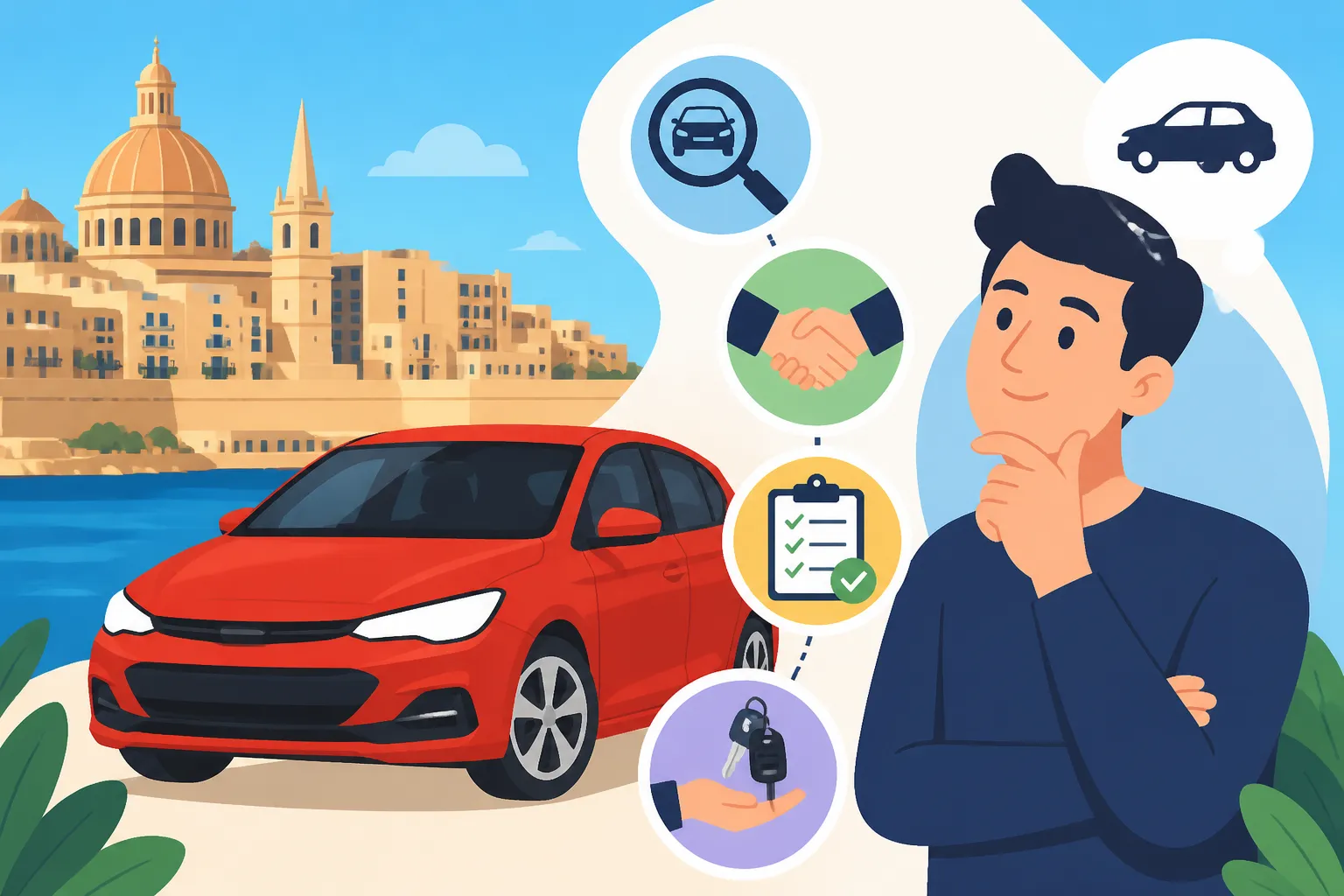
How Do I Buy a Car in Malta?
So, you’ve just landed in Malta, maybe you’ve navigated the whirlwind of getting your eResidence Card and ID Number and you’re starting to feel the itch. The buses are… an experience, let’s say, and those gorgeous hidden coves aren't exactly on the main route. You're thinking, "It's time to get my own wheels." And you'd be right to feel that way; having a car here can genuinely transform your experience. But buying one in Malta as a newcomer can feel like trying to untangle a particularly stubborn knot of bureaucracy and local quirks. Don't worry, I've been there, and I’m here to walk you through the ins and outs, so you can avoid the common pitfalls and cruise along confidently.
Navigating the Maltese Car Market: New vs. Used
One of the first big decisions you’ll face when looking into buying a car in Malta is whether to go for a shiny new vehicle or a pre-loved one. Both have their merits and their own unique set of challenges, especially on an island where roads are often narrow, and parking can be a competitive sport.
The Allure of a New Car in Malta
There’s something undeniably appealing about a brand-new car, isn't there? That fresh car smell, the latest tech, a full warranty, and the peace of mind knowing no one else has thrashed it around Malta’s sometimes challenging roads. For many expats, this is the ideal. Major brands like Toyota, Volkswagen, Hyundai, Kia, and even luxury marques have official dealerships across Malta. You can visit showrooms in areas like Mosta, Birkirkara, or Qormi, sit down with a salesperson, and spec out your dream car.
The process for buying a new car is generally more straightforward. You choose your model, pay a deposit, and the dealership handles most of the registration and initial paperwork with Transport Malta. They’ll usually help you sort out your first year of road tax and insurance too, making the initial phase quite smooth. However, new cars in Malta can be pricier than in some other European countries due to import duties and local taxes. Delivery times can also vary, especially for specific models or colours, so don't expect to drive it off the lot tomorrow. The advantage, of course, is that you get a reliable vehicle right from the start, often with breakdown assistance and full dealer support. This can be a huge comfort when you’re still getting used to island life and don't want to add car troubles to your list of "new country challenges."
The Practicalities of Buying a Used Car
For most expats, especially those planning to stay for a few years rather than a lifetime, buying a used car in Malta is often the more pragmatic choice. The used car market here is bustling, reflecting both the island's small size and the practical need for affordable transport. You’ll find a huge range of vehicles, from tiny city cars perfect for navigating Valletta’s tight streets to more robust family vehicles. The key is knowing where to look and what to look for.
Private sales are incredibly common, with platforms like Facebook Marketplace, Maltapark, and local expat groups being goldmines for listings. There are also numerous smaller, independent used car dealers scattered across the island, particularly in areas like Msida, Attard, and Qormi. Be prepared for a varied quality of vehicles. Some are meticulously maintained, others might have seen better days – or many, many better days. This is where your vigilance comes in. Always insist on a test drive, and if you’re not mechanically inclined (or even if you are, sometimes an extra pair of eyes helps!), seriously consider getting a pre-purchase inspection from an independent mechanic. This small investment can save you a fortune down the line, revealing hidden issues like rust from salty sea air, accident damage, or neglected maintenance.
The paperwork for a used car, while not overly complex, does require your attention. You’ll need to ensure the seller is the registered owner, that all outstanding fines are settled, and that the car has a valid VRT (Vehicle Roadworthiness Test) certificate. We'll dive into these specifics shortly, but just know that patience and thoroughness are your best friends here. You’ll find a lot of people go for smaller engine cars because road tax is often linked to engine size and emissions – a vital factor in the Cost of Living in Malta that many overlook.
The Nitty-Gritty of the Purchase Process
Alright, you’ve found the car you want. Now comes the exciting (and slightly bureaucratic) part: making it officially yours. This is where having your ducks in a row with documentation really pays off.
Paperwork, Transfers, and Registration
The core of buying a car in Malta, whether new or used, revolves around the transfer of ownership at Transport Malta. If you’re buying from a dealership, they’ll typically handle the initial registration for a new car. For a used car purchased privately, you and the seller will need to complete a Vehicle Transfer of Ownership form. This form is widely available online from Transport Malta's website or at their offices.
Here’s a simplified breakdown:
- Agreement: You and the seller agree on a price. It's a good idea to write a simple sales agreement outlining the car details, price, and date of sale, signed by both parties.
- VRT Certificate: Ensure the vehicle has a valid VRT certificate. This is Malta’s equivalent of an MOT or annual inspection. Without it, you cannot legally drive the car or transfer ownership. If it's expired, the seller should renew it, or you'll need to factor this cost into your negotiations.
- Insurance: Before the transfer, you need to have insurance in place in your name. You can get quotes from various local providers like Atlas Insurance, GasanMamo, or MAPFRE Middlesea. This can often be done online or over the phone. Remember, third-party liability is the minimum legal requirement, but you might want comprehensive cover depending on the car’s value and your driving comfort.
- Transfer of Ownership:
- Online: Many transfers can now be done online via the Transport Malta portal, which is a blessing after years of needing to physically go to their offices. You’ll need your Maltese ID card or eResidence card details and the seller’s information.
- In Person: Alternatively, you and the seller can go to a Transport Malta office (the main one is in Paola). Bring the filled-out transfer form, the vehicle’s logbook (registration certificate), your ID card, and proof of insurance. You’ll pay a transfer fee, which varies based on engine size and age. Once processed, you’ll receive a new logbook in your name a few weeks later. Make sure you keep the receipt of transfer as proof of ownership in the interim.
- Road Tax: This is usually paid annually. If you're buying a car mid-year, the seller should have a valid licence disc. When it's due for renewal, you'll receive a notice. You can pay road tax online or at a local post office.
It sounds like a lot, but take it step by step. Having your Maltese ID Card Number and active internet connection (perhaps through a local SIM or even a temporary eSIM from a provider like Airalo if you’re fresh off the plane) will be essential for online applications and communication.
Understanding Maltese Car Insurance
Car insurance in Malta is mandatory, just like almost everywhere else. But for new expats, navigating the local options can be a bit bewildering. The good news is that most major insurance providers offer policies in English, and many have online quote systems that are relatively easy to use.
Here’s what you need to know:
- Third-Party Only: This is the bare minimum required by law. It covers damage to other vehicles and property, and injuries to other people, but not damage to your own car. It’s the cheapest option.
- Third-Party, Fire, and Theft (TPFT): This adds protection for your vehicle against fire and theft, on top of the third-party cover. A popular choice for slightly older or less valuable cars.
- Comprehensive: This is the most extensive cover, including damage to your own car even if you’re at fault, as well as third-party, fire, and theft. If you’re buying a newer or more expensive car, this is highly recommended.
Factors influencing your premium include the make, model, and engine size of the car, your age, driving experience, and any no-claims bonus you might be able to transfer from a previous country (always ask if this is possible!). Some insurers might be hesitant to fully recognise foreign no-claims bonuses without solid documentation. It's crucial to shop around. Get quotes from at least three different providers. Don't just go for the cheapest; make sure you understand what's covered and what isn't. Remember that in Malta, many policies automatically include roadside assistance, which is a lifesaver on an island where getting stranded can mean a long wait for help.
Costs Beyond the Sticker Price
Buying a car in Malta isn't just about the purchase price. There are several ongoing costs that, if not budgeted for, can sneak up on you and make owning a car feel more expensive than you anticipated. Being aware of these from the get-go helps you plan your finances realistically.
Road Tax, Licences, and Inspections
- Annual Road Tax: This is a recurring expense based on several factors: engine capacity (cc), CO2 emissions, and the age of the vehicle. Generally, older cars with larger engines and higher emissions will incur higher road tax. Smaller, newer, and more environmentally friendly cars typically have lower rates. You’ll receive a renewal notice by post or email, and payment is usually due annually. It’s simple enough to pay online through Transport Malta’s website or at your local post office. Don't let it lapse, as fines can be hefty.
- Vehicle Roadworthiness Test (VRT): As mentioned, this is an annual or biennial inspection (depending on the vehicle's age) to ensure your car is safe and roadworthy. It checks everything from brakes and lights to emissions and tyre condition. There are numerous authorised VRT stations across Malta. You book an appointment, drop off your car, and typically within an hour, you'll know if it passed. If it fails, you'll get a list of defects that need to be fixed, and then you'll need to return for a re-test. The cost is usually around €30-€40 for the test itself. Always ensure your car has a current VRT certificate.
- Driving Licence: While not directly a car cost, keeping your driving licence valid is crucial. If you're from an EU/EEA country, your licence is generally valid indefinitely. Non-EU citizens often need to exchange their foreign licence for a Maltese one after a certain period of residence. You can find more details on Importing or Exchanging Your Driving Licence in Malta.
Fuel, Parking, and Maintenance Realities
- Fuel Costs: Malta imports all its fuel, so prices tend to be on the higher side compared to some countries, though they fluctuate in line with global oil prices. Petrol stations are abundant, but many are self-service outside of regular working hours. Be prepared for prices to be similar to, or slightly higher than, other Western European nations. If you’re living in Gozo, fuel prices are usually the same as on the main island, but the distances are shorter, so you might use less!
- Parking: This is perhaps one of the biggest headaches of car ownership in Malta. In popular towns like Sliema, St. Julian's, Gzira, and even residential areas, parking can be a nightmare. Street parking is often scarce, especially in the evenings, and many areas have residential parking zones or paid parking. Public car parks exist, but they can be expensive or fill up quickly. Many expats specifically look for rental properties that include a garage or parking space, and if you’re considering buying property, a garage is a huge selling point. The struggle for a parking spot is a real, daily frustration for many residents.
- Maintenance and Repairs: Just like anywhere else, cars need regular servicing and occasional repairs. Given Malta's sometimes rough roads and the stop-start nature of driving in congested areas, wear and tear can be significant. There are many independent garages across the island, and prices for labour can be reasonable, but parts might need to be imported, adding to cost and wait times. Building a relationship with a trustworthy mechanic is invaluable. Expect to pay typical European rates for parts and labour, and factor in routine servicing costs into your annual budget.
Key Considerations for Foreigners
As an expat, you'll encounter a few specific points that might differ from what you're used to back home. These are worth understanding thoroughly to avoid any surprises down the line.
Driving Licence Exchange and Validity
This is a big one for new arrivals. If you're an EU/EEA citizen with a valid driving licence, you can typically use it in Malta until it expires, though it's often advisable to exchange it for a Maltese one if you plan to stay long-term. This makes administrative processes easier. However, if you're from a non-EU/EEA country, the rules are stricter. You can usually drive on your foreign licence for a grace period (often up to 12 months, but always check the latest regulations with Transport Malta). After this period, you must exchange it for a Maltese licence.
The process of exchanging can vary depending on your country of origin. Some countries have reciprocal agreements with Malta, making the exchange relatively straightforward. Others might require you to take a Maltese driving test (both theory and practical). Do not delay this! Driving without a valid Maltese licence when required can lead to hefty fines and insurance complications. It's one of those administrative tasks that feels tedious but is absolutely critical for your legal and insurance standing. For full details on this, I’ve written extensively on Can I Drive in Malta on My Foreign Licence?.
Selling Your Car When You Leave
One day, you might decide it’s time to move on from Malta. When that happens, you’ll need to consider selling your car. The used car market in Malta is quite active, so selling usually isn't too difficult, but it's important to be realistic about pricing and timing.
- Timing: Selling before peak tourist season (summer) or before student intakes (autumn) can sometimes yield better results, as demand might be higher. However, demand for small, efficient city cars is generally constant.
- Condition: A well-maintained car with a fresh VRT certificate and a clean history will sell much faster and for a better price. Get any minor repairs done and give it a thorough clean and polish.
- Documentation: Ensure all your paperwork is in order – the logbook in your name, valid VRT, and no outstanding fines. A clear history makes a sale much smoother.
- Pricing: Research comparable cars online on platforms like Maltapark to get a realistic idea of current market values. Be prepared to negotiate, as this is a common practice in Malta.
- Process: The selling process mirrors the buying process in reverse. You and the buyer will complete a transfer of ownership form, and they will need to arrange their insurance. Once the transfer is done and payment is received, the car is no longer your responsibility.
If you’re planning a big move, perhaps with the help of international movers like Sirelo, selling your car locally makes a lot more sense than trying to export it. The costs and bureaucracy of exporting a vehicle from Malta usually outweigh the benefits, especially for a standard used car. It’s generally a much smoother transition to sell it and then sort out your onward transport.
Here’s a quick overview to help you compare the options:
| Feature | Buying a New Car in Malta | Buying a Used Car in Malta |
|---|---|---|
| Initial Cost | Significantly higher | Generally much lower |
| Availability | Order from dealership, potential wait times | Wide variety of options, immediate availability |
| Warranty/Reliability | Full manufacturer warranty, high reliability | Varies greatly, often limited or no warranty, potential issues |
| Paperwork | Mostly handled by dealership, simpler initial registration | Requires active participation in transfer, VRT, insurance |
| Depreciation | High initial depreciation | Slower depreciation, already absorbed by previous owner |
| Maintenance | Covered by warranty initially, scheduled servicing | Immediate potential for maintenance costs, VRT checks |
| Insurance | Generally higher for comprehensive policies on newer cars | Can be lower for third-party policies on older cars |
| Road Tax Impact | Often lower due to newer engine/emissions | Can be higher for older, larger engine vehicles |
| Peace of Mind | High | Varies, dependent on inspection and seller trust |
Remember, getting a car in Malta is a big step towards independence and really exploring what this beautiful island has to offer, from the bustling Three Cities to the tranquil beaches of the north, and of course, those unforgettable drives in Gozo. Take your time, do your research, and don’t be afraid to ask questions.
Disclaimer
Please note that while I strive to provide accurate and up-to-date information based on my experiences and available public knowledge, regulations and procedures in Malta can change. It is always advisable to consult official government sources, such as Transport Malta or Identità, or seek professional advice for the most current and personalised guidance. This content is intended for informational purposes only and does not constitute legal or financial advice.