Which Side of the Road Does Malta Drive On?
So, you're either contemplating taking the plunge behind the wheel in Malta, or perhaps you're just mapping out your travel plans and wondering about the basic rules of the road. One of the most common questions that pops up for anyone coming from outside the UK, Ireland, or a handful of other nations is the rather fundamental one: "Which side of the road does Malta drive on?" Let me tell you, it's a point of anxiety for many, and rightly so! Getting this wrong can lead to a heap of trouble. This guide explains exactly what to expect and how to handle the unique quirks of Maltese driving.
A Straightforward Answer for the Driving Side in Malta
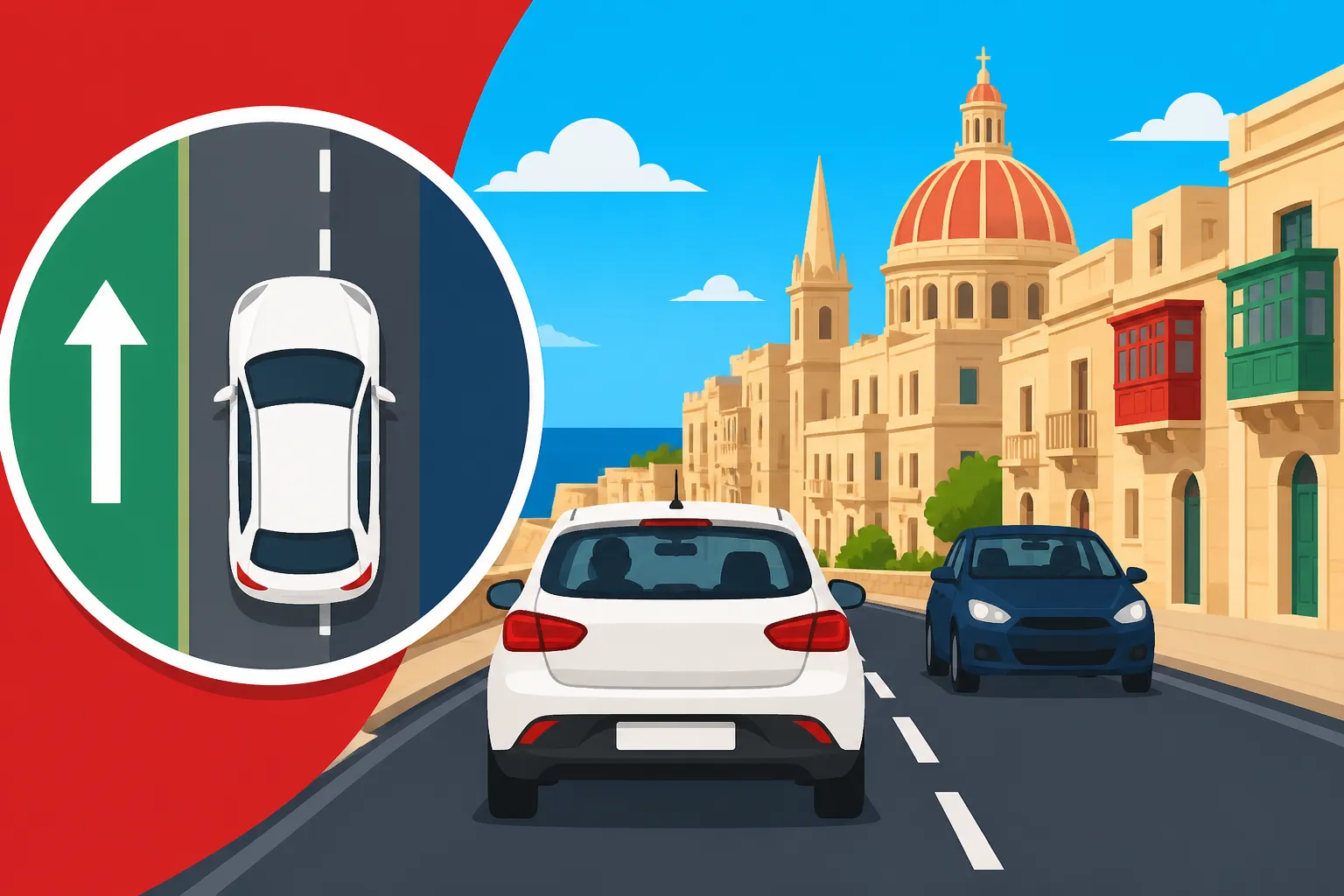
Let’s cut straight to the chase because this is important for your safety and sanity: Malta drives on the left-hand side of the road. Yes, just like the UK, Australia, New Zealand, India, and a few other places. If you're coming from mainland Europe, North America, or most of the rest of the world, this is going to be a significant adjustment.
Driving Left, Steering Right: The British Legacy
Malta’s road rules are a direct inheritance from its long history as a British colony. For over 160 years, from 1800 to 1964, the British presence shaped much of Malta's infrastructure and legal framework, including its driving regulations. When cars first started appearing on the islands, it was natural to adopt the British system, and it has remained that way ever since. So, when you're looking at cars for sale or rent, you’ll notice that the steering wheel is on the right side of the vehicle, and you'll be driving on the left lane. This isn't just a quaint historical fact; it profoundly impacts everything from how roundabouts are navigated to the design of road signs and even pedestrian crossings. This legacy can be a blessing for some and a bit of a challenge for others, but it’s a non-negotiable aspect of driving here.
What This Means for New Drivers and Visitors
For those accustomed to right-hand driving, switching to the left side can feel incredibly disorienting at first. Your brain has years, if not decades, of muscle memory ingrained to keep left when turning right, or to check the right mirror more instinctively. Here in Malta, all that flips.
- Initial Confusion: The first few drives can feel very alien. You'll constantly be reminding yourself to stay left. Turns, especially right turns, can feel awkward as you try to position the car correctly. Many newcomers find themselves drifting towards the centre of the road or, conversely, hugging the curb too closely.
- Roundabouts: These are particularly tricky. In Malta, you enter a roundabout by going clockwise (to the left), yielding to traffic already in the roundabout coming from your right. This is the opposite of many countries, so pay extra attention.
- Overtaking: Overtaking is done on the right-hand side, just as it is in right-hand drive countries. This can feel counterintuitive initially.
- Passenger Side: The passenger seat will be on your left, giving your co-pilot an interesting perspective and, perhaps, the occasional opportunity to gasp at how close you are to oncoming traffic (which, rest assured, you’re not, it just feels that way!).
- Shifting Gears: If you're driving a manual car, the gear stick will still be in the centre, but you'll be shifting with your left hand, which can feel incredibly clumsy if you're used to your right hand. Many expats opt for automatic cars initially to reduce the mental load.
Don't underestimate the mental fatigue this can cause. Your brain is working overtime to override established habits, so plan shorter drives at first and avoid peak traffic times if possible. Give yourself grace and be patient; it does eventually become second nature, but it takes conscious effort.
Navigating Maltese Roads: Practicalities Beyond the Driving Side
Once you’ve got the 'left-hand drive' rule etched into your brain, there are a few other aspects of Maltese roads that you should be aware of. It's not just about which side you drive on; it's about how driving happens here.
Roundabouts and Overtaking: Rules of the Road
Beyond the fundamental driving side, Malta has its own flavour of traffic rules and conventions. Roundabouts are everywhere, especially in busier areas, and they demand your full attention. The rule is to give way to traffic already circulating from your right. This is standard for left-hand drive countries but can be a point of confusion for those from right-hand drive nations. Always use your indicators – signalling correctly is crucial for showing other drivers your intentions.
When it comes to overtaking, while it’s done on the right, you'll often find that cars zip in and out with very little warning. Road discipline isn't always as rigid as in some other European countries. Always assume the unexpected. Lanes might appear to be suggestions rather than strict divisions, especially when traffic builds up. You might encounter situations where drivers create their own "lanes" or cut across multiple lanes to get to an exit. It pays to be vigilant and not take anything for granted.
The Local Driving Style: A Cultural Observation
Ah, the Maltese driving style. This is where the rubber truly meets the road, quite literally! You might find it… spirited, let's say. It’s assertive, often fast, and patience can sometimes be in short supply. Honking, which might be a sign of aggression elsewhere, is often just a quick "hello," a "watch out," or an "I'm coming through!" here. It's rarely malicious, just part of the communication.
- Assertiveness is Key: Hesitation can sometimes be seen as a weakness. If you're waiting politely at a junction for a long gap, you might find a local driver simply nudging out, forcing their way into the flow. It’s not necessarily rude; it's just how things often get done. You’ll quickly learn that a confident, yet cautious, approach is best.
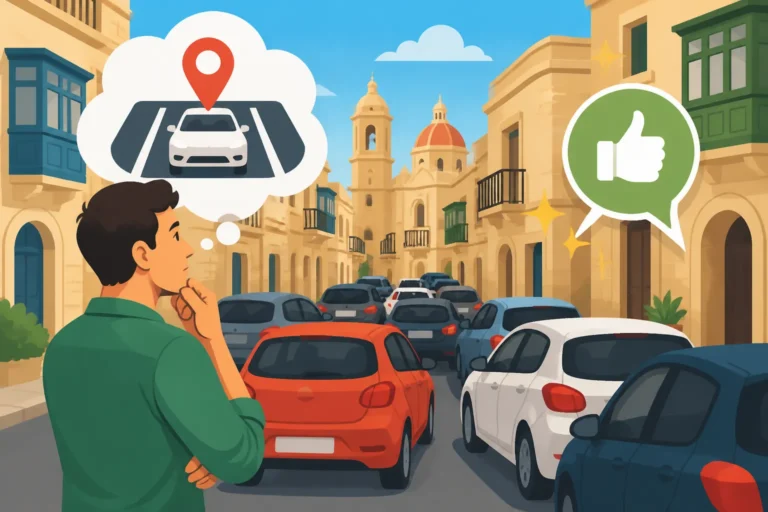
- Parking "Anywhere": You'll see cars parked in what seems like impossible spots, sometimes blocking pavements or half in the road. This is a common sight due to the sheer lack of parking, particularly in popular areas. When you're driving, always be prepared for sudden stops or swerves by other drivers trying to snag a parking spot.
- Road Rage (Mostly Avoidable): While it can feel chaotic, genuine road rage is relatively rare. Most drivers are just trying to get from A to B as efficiently as possible. A calm temperament and a willingness to go with the flow (while staying safe) will serve you well.
Speed Limits and Signage: What to Watch For
Malta uses the metric system, so speed limits are in kilometres per hour (km/h), not miles per hour. Generally, the speed limits are:
- Urban Areas: Typically 50 km/h (about 31 mph)
- Rural Roads: Can vary, but often 70-80 km/h (43-50 mph)
- Motorways/Dual Carriageways: There aren't really "motorways" in the traditional sense, but some main arterial roads might allow up to 80 km/h.
Speed cameras are present, so pay attention to signage. Road signs largely follow European standards, using pictograms that should be familiar if you’ve driven in Europe. However, they can sometimes be faded, obscured, or appear quite suddenly. Keep your eyes peeled, and if you’re using a navigation app, ensure your data connection is reliable – Airalo is a great option for eSIMs to ensure you're always connected without hassle, especially if you’re relying on GPS for directions through unfamiliar territory.
Essential Considerations for Foreign Drivers in Malta
Before you even think about getting into a car in Malta, there are a few bureaucratic and practical hurdles to understand. Don't let the relaxed island vibe fool you; the administrative side of things can be quite stringent.
Driving Licences: Exchange, International Permits, and Validity
This is a big one. Your foreign driving licence isn't automatically valid indefinitely.
- EU/EEA Citizens: If you hold a valid driving licence from an EU/EEA country, you can generally use it in Malta until it expires. However, it’s advisable to exchange your driving licence in Malta if you become a long-term resident. You can find more information about this process through Transport Malta.
- Non-EU/EEA Citizens: This is where it gets a bit more complex. Typically, you can use your foreign driving licence for up to 12 months from the date of your last entry into Malta. After this period, you will usually need to exchange it for a Maltese licence or, in some cases, take a Maltese driving test. It is highly recommended to obtain an International Driving Permit (IDP) before you arrive, as it translates your home country’s licence into multiple languages and is often required by rental companies and for clarity with authorities. Even with an IDP, the 12-month rule still applies. For full details on driving in Malta: licences, roads, and buying a car, make sure to consult the official guidelines as rules can change. Remember, getting your Maltese ID card number is often a prerequisite for many administrative tasks, including those related to driving.
Failing to adhere to the licence exchange rules can lead to fines, invalid insurance, and serious legal issues if you're involved in an accident. Always verify the latest requirements based on your specific nationality and residence status.
Vehicle Rental and Insurance: What You Need to Know
Most visitors and short-term residents opt to rent a car, and thankfully, there are many rental agencies available, including well-known international brands and local operators.
- Age Requirements: Most rental companies require drivers to be at least 21 or 23, and some may have an upper age limit or charge a surcharge for drivers under 25.
- Driving Licence: As mentioned, your licence needs to be valid, and an IDP is often requested, especially for non-EU licences.
- Insurance: Rental cars come with basic third-party insurance, but consider upgrading to a comprehensive package with zero excess. The narrow streets, sometimes aggressive driving, and frequent minor bumps mean that even a small scratch can become an expensive issue if you’re not fully covered. Read the rental agreement very carefully, scrutinising the insurance clauses, fuel policies, and any potential hidden fees. Taking photos of the car before and after your rental can save you a lot of grief.
- Moving Your Own Vehicle: If you're planning a longer stay and considering shipping your own car, companies like Sirelo can help with the logistics of international removals, but be prepared for the process of importing and registering a vehicle in Malta, which can be time-consuming and costly.
Parking and Road Conditions: Challenges and Tips
Driving in Malta can be an adventure, but finding a parking spot? That's the real quest!
- Parking Scarcity: In popular areas like Sliema, St Julian's, and Valletta, parking is notoriously difficult to find and often comes with a charge. Look out for blue boxes (paid parking zones), white boxes (resident parking – avoid unless you have a permit!), and yellow lines (no parking). Green boxes are usually for short-term loading/unloading. Don't just park anywhere, even if you see others doing it; parking enforcement can be swift.
- Road Quality: While major roads are generally well-maintained, you’ll frequently encounter potholes, uneven surfaces, and narrow, winding streets in older towns and villages. Speed bumps (often unmarked or poorly marked) are also a common feature. Drive cautiously, especially in unfamiliar areas or at night.
- Pedestrians and Scooters: Always be aware of pedestrians, who may step out unexpectedly, and scooters or motorbikes, which often weave through traffic.
Making Your Driving Experience Smoother
Adjusting to driving in a new country, especially one with a different driving side and a distinct driving culture, takes time. But with a bit of preparation and the right mindset, you can navigate Malta's roads confidently.
Getting Used to It: Practice and Patience
My biggest piece of advice for newcomers is to practice, practice, practice, and for goodness sake, be patient with yourself!
- Start Slow: If you can, begin your Maltese driving journey in quieter areas or during off-peak hours. Get a feel for the car and the left-hand rule without the added pressure of heavy traffic. Maybe take a few laps around a large, empty car park (if you can find one!).
- Mental Checklist: For the first few days, run a mental checklist every time you set off: "Stay left. Check right first at roundabouts. Gear stick with my left hand." Eventually, it will become automatic.
- Use Your Co-Pilot: If you have a passenger, ask them to be your extra set of eyes, especially for right turns and roundabouts. A friendly reminder of "stay left, stay left!" can be surprisingly helpful in the beginning.
- Navigation is Your Friend: Rely on GPS. It’s not just for directions; it helps you anticipate turns and prepares you for the next manoeuvre, reducing stress. Make sure you have a good data plan, as mentioned with services like Airalo, so your navigation doesn't cut out when you need it most.
- Deep Breaths: When things get a bit hectic (and they will!), take a deep breath. Honks are often just expressions, not personal attacks. Stay calm, stay focused, and drive defensively. Remember that everyone on the road is just trying to get somewhere, often impatiently.
Public Transport and Alternatives: When Not to Drive
Honestly, sometimes the best solution is to simply not drive, especially in congested areas or if you're feeling overwhelmed. Malta has a decent and increasingly efficient public transport system that can save you a lot of headaches.
- Buses: The public bus network is extensive and covers most of the island, including routes to Gozo via the ferry. Since 2022, public transport in Malta: free bus travel and the Tallinja Card means that with a personalised Tallinja Card, travel is effectively free for residents. For visitors, a top-up card is quite affordable. They can be slow, especially in traffic, but they get you where you need to go without the stress of driving and parking.
- Ferries: For trips across the harbours (e.g., Valletta to Sliema or Three Cities), or to getting to Gozo: the ferry, fast ferry, and inter-island travel, the ferries are a scenic and often quicker alternative to driving, especially avoiding the congested roads around the Grand Harbour.
- Ride-Sharing: Apps like Bolt and Uber are widely available and can be a convenient option for short trips, evenings out, or when you just don't want to deal with parking.
Considering the cost of living in Malta: budgeting for the real numbers, public transport is a very economical choice compared to the costs associated with car rental, fuel, and parking.
| Driving Aspect | Malta (Left-Hand Drive) | Mainland Europe/USA (Right-Hand Drive) |
|---|---|---|
| Side of Road | Left | Right |
| Steering Wheel | Right side of the vehicle | Left side of the vehicle |
| Overtaking | On the right-hand side of the vehicle | On the left-hand side of the vehicle |
| Roundabouts | Clockwise; give way to traffic from the right | Anti-clockwise; give way to traffic from the left |
| Indicators | Usually on the right stalk | Usually on the left stalk |
| Gear Stick | Operated with left hand (manual) | Operated with right hand (manual) |
| Headlight Dipping | Aimed left | Aimed right |
| Speed Units | Kilometres per hour (km/h) | Kilometres per hour (km/h) or Miles per hour (mph) |
Learning to drive in Malta or adapting to its rules is definitely a journey. It starts with knowing which side of the road to be on, but it quickly expands to understanding the rhythm of the island’s traffic and its unique driving culture. Be patient, be observant, and don't be afraid to take a bus if the roads are feeling too much!
Disclaimer
The information provided in this guide is for general informational purposes only and does not constitute legal or professional advice. Driving regulations, licence requirements, and local customs can change, and it is always recommended to verify the most current information with official Maltese authorities such as Transport Malta or Identità before making any decisions. We are not responsible for any actions taken based on the information in this article.