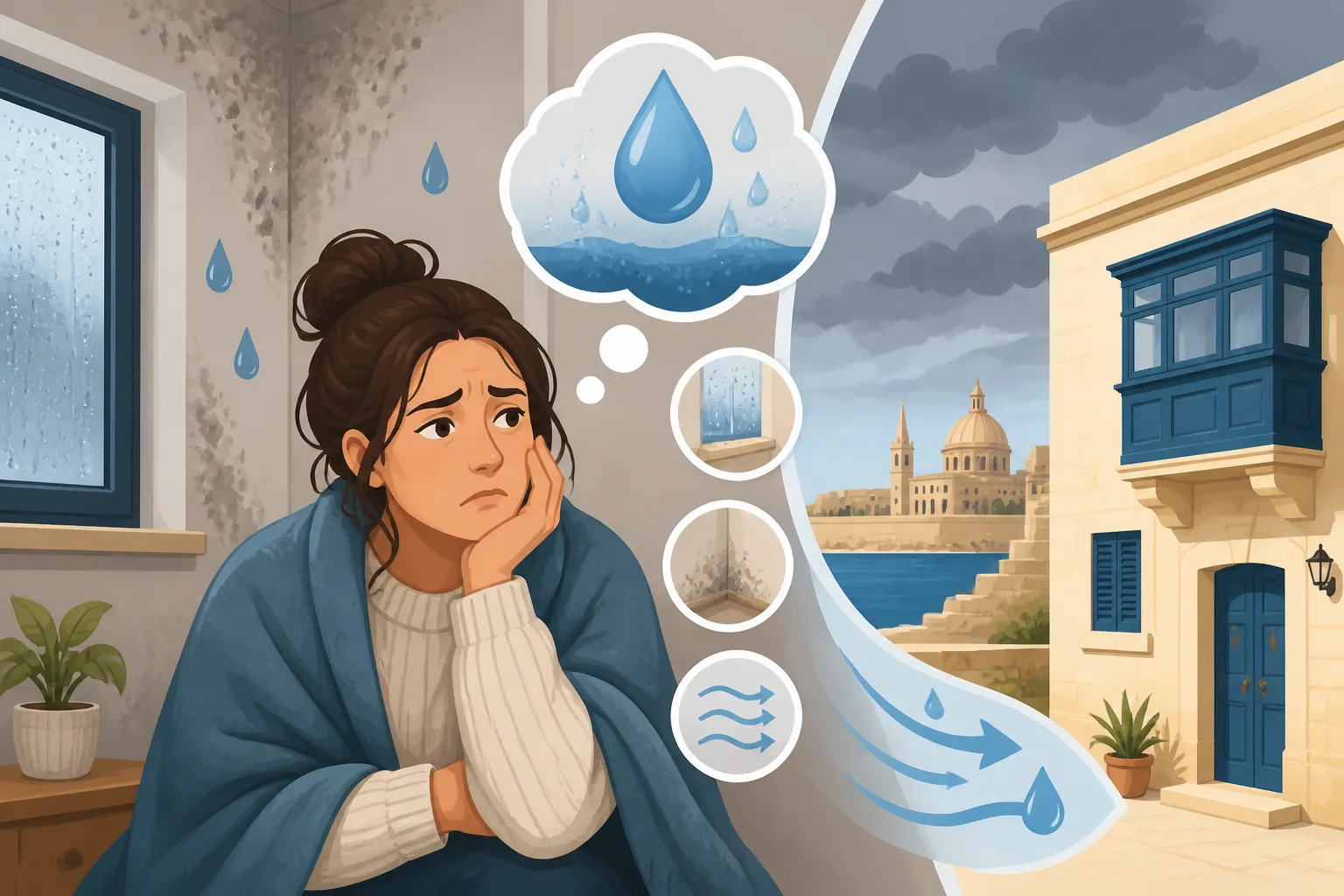
Why Do Maltese Homes Feel Damp in Winter?
You've just settled into your charming Maltese apartment, perhaps after an exciting move, or maybe you've been here a while, enjoying the sunshine. But then winter rolls around, the temperatures drop a bit, and suddenly, you notice it: that persistent chill, the musty smell, and worst of all, the dreaded damp. It's a common complaint amongst expats and locals alike, and let me tell you, you are far from alone in feeling frustrated by this. This guide is here to shed some light on why Maltese homes often feel damp in winter and, more importantly, what practical steps you can take to reclaim your home from the clutches of humidity and its unwelcome consequences.
The Unique Maltese Climate: A Recipe for Dampness
Malta is renowned for its glorious sunshine and warm summers, but its winter climate often brings a different reality: high humidity. This isn't just a slight inconvenience; it's the fundamental reason why so many homes here struggle with dampness. Unlike colder climates where dry cold is the norm, Maltese winters are often mild but incredibly humid, and that moisture finds its way into everything.
High Humidity and Older Building Materials
The Mediterranean Sea, while beautiful, is a constant source of moisture in the air. This high ambient humidity means that even when it's not raining, your home is constantly battling to stay dry. Most traditional Maltese homes, built with limestone and often without modern damp-proof courses or sophisticated ventilation systems, are inherently porous. Imagine the walls of an old house literally breathing in the moisture from the air. They absorb it like a sponge, especially when the indoor temperature drops below the dew point, leading to condensation. This isn't just about water seeping in; it's about the air itself depositing moisture onto cooler surfaces.
Consider a typical scenario: you wake up on a chilly January morning, and the windows are dripping with condensation. That's the warm, moist air inside your home meeting the cold glass. The same process happens, often unseen, on external walls, inside cupboards, and behind furniture. Older properties, particularly those with thick, solid stone walls, take a long time to heat up and even longer to dry out once they've absorbed moisture. The charm of those traditional features can sometimes be a double-edged sword when it comes to battling the damp. Even newer builds, if not properly constructed with contemporary insulation and ventilation in mind, can suffer from similar issues due to the pervasive humidity. It’s a constant battle against nature, really.
Lack of Modern Insulation Practices
One of the biggest culprits contributing to dampness in Maltese homes is the general lack of modern insulation. In many countries with colder climates, homes are built with multiple layers of insulation in walls, roofs, and floors to retain heat and prevent moisture ingress. Here in Malta, historically, the focus was on keeping heat out during the scorching summers, not retaining it during the relatively mild winters. This means many older buildings, and even some newer ones, simply don't have the thermal barrier needed to create a stable indoor environment.
Without proper insulation, external walls become cold surfaces, acting as magnets for condensation. When the warmer, humid air inside your home comes into contact with these cold walls, the moisture in the air condenses into liquid water. This isn't a leak; it's condensation, but it creates the same problem: wet surfaces. Over time, these constantly damp surfaces become breeding grounds for mould and mildew. Furthermore, poor insulation means that any heating you do use quickly escapes, making your efforts to warm up and dry out your home incredibly inefficient and expensive. It’s a vicious cycle: you try to heat your home, the heat escapes, the walls stay cold, and the damp persists. It’s a common frustration that many of us face, trying to keep our homes comfortable while also managing the utility bills, which as many know, can be quite unpredictable in Malta. If you're looking into understanding more about your bills, check out Why Are Electricity Bills Unpredictable in Malta?.
The Unwanted Guests: Mould and Mildew
When dampness sets in, it rarely comes alone. It invites unwelcome guests: mould and mildew. These fungi thrive in moist, dark environments and can quickly take over parts of your home, leaving unsightly stains and a tell-tale musty odour. Dealing with them isn't just about aesthetics; it has serious implications for your health and your belongings.
Health Implications of a Damp Environment
Living in a persistently damp home with mould isn't just unpleasant; it can be genuinely detrimental to your health. Mould spores are microscopic and become airborne, where they can be inhaled. For many people, this exposure can trigger or worsen respiratory issues. Common symptoms include a persistent cough, wheezing, nasal congestion, and throat irritation. If you or your family members have allergies or asthma, mould can be a major trigger, leading to more frequent and severe attacks. Children, the elderly, and individuals with compromised immune systems are particularly vulnerable.
Beyond respiratory problems, some people report skin rashes, eye irritation, and even headaches or fatigue when exposed to mould for extended periods. The general feeling of living in a damp, musty environment can also contribute to a sense of malaise and discomfort. It's not just "in your head"; that dampness is literally making your living space unhealthy. If you're experiencing any of these symptoms and suspect mould is the cause, it's crucial to address the dampness and eradicate the mould as soon as possible. Your health truly is more important than putting off that cleaning or investment in a dehumidifier. When considering your overall well-being in Malta, remember that Healthcare in Malta for Foreign Residents: The Complete System Guide (2027) can help you understand your options for medical care if symptoms persist.
Protecting Your Belongings and Your Home
Mould and mildew don't discriminate; they'll happily make a home on your clothes, shoes, books, furniture, and even electronics. We've all been there – opening a wardrobe after a few weeks to find a fine layer of green or black fuzz on a leather jacket or a pair of forgotten shoes. Fabric items are particularly susceptible, absorbing moisture from the air and providing an ideal surface for mould to grow. Books can become warped and mouldy, and wooden furniture can swell, crack, and discolour. Even the precious items you brought with you, maybe after a big move with a company like Sirelo, can be at risk. It’s heartbreaking to see personal items damaged.
Beyond your personal possessions, mould can cause significant damage to the structure of your home itself. It can discolour walls, ceilings, and grout, and if left unchecked, can even compromise materials like plasterboard. This is especially critical if you are renting, as property damage due to mould can become a contentious issue when it comes time to move out and retrieve your deposit. Many landlords will argue it’s a tenant's responsibility if they haven't adequately ventilated, but it's a fine line. It's always a good idea to know your Tenant Rights in Malta: The Private Residential Leases Act to avoid disputes. You want to protect your investment, whether you're a tenant safeguarding your deposit or a homeowner preserving your property's value. Proactive measures are key to avoiding costly repairs and replacements down the line.
Practical Solutions: Battling the Damp Blues
The good news is that you're not helpless against the damp. While Malta's climate presents challenges, there are many practical steps you can take to mitigate the effects of humidity in your home. It requires a bit of effort and sometimes an initial investment, but the comfort and health benefits are well worth it.
Ventilation is Your First Line of Defence
This might sound counter-intuitive when it's chilly outside, but ventilation is absolutely critical, even in winter. Stale, moist air trapped inside your home is a primary cause of condensation and mould. You need to get that damp air out and let fresh, drier air in.
- Daily Airing: Make it a habit to open windows and doors for at least 10-15 minutes, once or twice a day, even if it's cold. This creates a cross-breeze that flushes out humid air. Do this particularly after showering, cooking, or doing laundry indoors – these activities pump a huge amount of moisture into the air. While it might feel like you're letting the cold in, you're actually creating a healthier, drier environment that will be easier to heat up afterwards.
- Keep Internal Doors Open: If you have an extractor fan in your bathroom or kitchen, keeping internal doors open while these are running will help draw air through the house, rather than just recirculating it in one room. This improves overall air circulation.
- Don't Block Airflow: Avoid pushing furniture tightly against external walls, especially in bedrooms and living areas. Leave a small gap (at least 5-10 cm) to allow air to circulate behind wardrobes, beds, and sofas. This prevents cold spots where condensation can form and mould can silently grow unseen. Similarly, don't overfill cupboards or drawers; aim for a bit of space to let air move.
- Utilise Extractor Fans: If your bathroom or kitchen has an extractor fan, use it! Run it during and for at least 20-30 minutes after showering or cooking. These are designed to pull moisture-laden air directly out of your home.
- Drying Laundry: One of the biggest moisture generators is drying clothes indoors. If you absolutely must, try to do it in a well-ventilated room with a window open or a dehumidifier running. Avoid drying clothes over radiators, as this just pushes the moisture into the air. A clothes dryer is a luxury for some, but a godsend for others in battling humidity.
Remember, a little cold air now is far better than persistent damp and mould later. This simple, consistent action can make a world of difference in reducing the overall humidity levels in your Maltese home.
Dehumidifiers and Heating: Your Winter Allies
While ventilation is foundational, sometimes it's not enough, especially during prolonged periods of high humidity or if your home is particularly prone to damp. This is where a good dehumidifier and sensible heating come into play as your most effective allies.
- The Dehumidifier: This is arguably the most essential appliance for a Maltese winter home. A dehumidifier actively extracts moisture from the air, collecting it in a water tank that you then empty. You'll be amazed (and probably a little disgusted) by how much water these machines can pull out of the air in just a few hours. Aim for a good quality model with a decent capacity, suitable for the size of your space. Run it consistently in the most affected rooms, or move it around the house. Many models have a humidistat, allowing you to set a target humidity level (e.g., 50-60%), and it will switch off automatically once that's achieved. Running a dehumidifier, especially overnight or when you're out, can dramatically reduce indoor humidity, prevent condensation, and stop mould in its tracks. Yes, it uses electricity, but the health benefits and protection of your belongings far outweigh the cost for many. When budgeting for your new life, consider this a crucial investment in your Cost of Living in Malta: Budgeting for the Real Numbers.
- Strategic Heating: While central heating isn't common in Malta, portable heaters can be very useful when combined with ventilation and dehumidifiers.
- Warmth Dries Air: Warmer air can hold more moisture. If you warm up a room, the relative humidity might drop, and a dehumidifier can then more effectively remove the moisture.
- Consistent, Low Heat: Rather than blasting heat for short periods, try to maintain a more consistent, lower temperature in your home, especially in rooms prone to damp. This prevents surfaces from becoming excessively cold and attracting condensation.
- Air Conditioning Units: Many modern air conditioning units in Malta, which you might already have for summer, come with a "dry" or "dehumidify" mode. This setting can be surprisingly effective during the winter to reduce humidity without significantly cooling the room. If you’re wondering if Do Maltese Apartments Have Air Conditioning?, the answer is increasingly yes, and these dual-purpose units are a great benefit.
- Avoid Kerosene/Gas Heaters: While they provide instant heat, many portable gas or kerosene heaters release moisture and fumes into the air, counteracting your efforts to dehumidify. Electric heaters are generally a better choice.
A combination of daily ventilation, a powerful dehumidifier, and strategic heating will create a much drier, healthier, and more comfortable environment for you and your family during the Maltese winter.
Smart Habits and Maintenance Checks
Beyond the bigger investments, many small habits and regular checks can significantly contribute to keeping dampness at bay. These might seem minor, but they add up to a big difference.
- Wipe Down Condensation: Don't let condensation sit on windowsills or tiled surfaces. Wipe it up daily to remove that moisture before it can cause problems. A simple cloth or squeegee can prevent mould from taking hold.
- Keep Shower Curtains/Doors Open: After showering, leave the shower curtain spread out or the shower door ajar to allow it to air dry properly. If you close it up, moisture gets trapped, and mould will appear surprisingly fast.
- Check for Leaks: While most dampness is due to humidity and condensation, it's always wise to rule out actual leaks. Regularly check under sinks, around toilets, and in areas where pipes run for any signs of water damage or drips. Even a small, persistent leak can cause significant damp issues.
- Clean Mould Immediately: If you spot any mould, tackle it straight away. Don't let it spread. A solution of bleach and water (1 part bleach to 4 parts water), or a specific mould remover, can be effective on hard, non-porous surfaces like tiles or windowsills. For porous surfaces like walls, professional cleaning or even repainting with anti-mould paint might be necessary if the problem is extensive. Always wear gloves and ventilate the area well when cleaning mould.
- Use Moisture Absorbers: For smaller, enclosed spaces like wardrobes, shoe cupboards, or utility cabinets, small moisture-absorbing sachets or boxes (often silica gel or calcium chloride based) can be helpful. They won't solve a major damp problem, but they can supplement your main efforts.
- Store Items Properly: If you have items in storage, especially clothes or documents, consider storing them in plastic airtight containers rather than cardboard boxes, which can absorb moisture. Elevate items slightly off the floor if possible, especially in ground-floor apartments.
These small, consistent efforts become second nature after a while and are crucial in maintaining a dry and healthy home in Malta.
Long-Term Considerations for Renters and Buyers
For those new to the island, or perhaps considering a more permanent move, understanding the dampness issue early can save you a lot of headaches (and money) down the line. It's about being informed and proactive when choosing your home.
What to Look for When Renting or Buying
When you're out viewing properties, especially if you're house-hunting during the warmer months, it can be easy to overlook potential damp issues. However, if you know what to look for, you can make a much more informed decision. Being thorough during your viewing and knowing What to Check Before Signing a Rental Contract in Malta is essential.
- Smell: Trust your nose. Does the property have a distinct musty, earthy smell, particularly in certain rooms or cupboards? This is a huge red flag for dampness and mould, even if you can't see it.
- Visible Mould or Discolouration: Look for black, green, or grey spots on walls, ceilings, around windows, in corners, and especially inside wardrobes or under sinks. Pay attention to peeling paint or wallpaper, bubbling plaster, or water stains on ceilings, which could indicate a leak or serious condensation issue.
- Condensation on Windows: If you're viewing in winter, check for condensation. If it's a dry day, a lot of condensation could point to poor ventilation.
- Building Type and Age: Newer, well-constructed apartments might have better insulation and ventilation, but it's not guaranteed. Older, traditional stone houses are charming but often more prone to damp if not properly maintained. Ground-floor apartments or those with basements can also be more susceptible to rising damp.
- Heating and Ventilation Systems: Does the property have air conditioning units with a "dry" mode? Are there extractor fans in bathrooms and kitchens? These are good signs.
- Orientation: South-facing properties often get more sun, which can naturally help to dry out walls, though this isn't a guaranteed solution against humidity.
- Location: Properties right by the sea can sometimes feel even more humid, but this isn't a hard and fast rule. Choosing Where to Live in Malta: Towns, Regions, and Gozo can help you understand the nuances of different areas.
Don't be afraid to ask direct questions about dampness, previous issues, and how the current residents manage it. A good landlord or agent should be transparent.
Discussing Dampness with Landlords or Agents
If you identify potential damp issues in a property you're interested in, or if you're already living in a rental and dampness becomes a problem, it's crucial to communicate effectively with your landlord or agent. Understanding your rights and responsibilities, as outlined in guides like Renting a Home in Malta: Contracts, Deposits, and Tenant Rights, is key.
- Before Signing: If you spot signs of damp before signing a lease, raise your concerns. Ask what measures the landlord takes to prevent or treat dampness. You could even request that they address specific issues (e.g., install an extractor fan, clean mould professionally) before you move in. Get any agreements in writing.
- During Your Tenancy: If dampness develops or worsens after you move in, document everything. Take photos of any mould growth, peeling paint, or excessive condensation. Note the dates.
- Communicate in Writing: Always communicate your concerns to your landlord or agent in writing (email is usually best) so you have a clear record. Explain the problem, its impact, and what you've observed.
- Distinguish Between Condensation and Structural Damp: While you might not be an expert, try to gauge if the issue is primarily condensation (which tenants are generally expected to manage through ventilation) or a structural issue like a leak, rising damp, or faulty waterproofing (which is typically the landlord's responsibility). If you suspect a structural issue, request an inspection by a professional.
- Propose Solutions: Be proactive. While it's the landlord's duty to provide a habitable home, you can suggest solutions like improving ventilation, providing a dehumidifier (if not already present), or addressing specific structural repairs.
- Deposit Implications: Be mindful that if mould or damp damage is deemed to be a result of your negligence (e.g., poor ventilation, not cleaning mould), it could impact the return of your security deposit. However, if it's a structural issue the landlord failed to address, they cannot withhold your deposit for that reason. Knowing How Do I Get My Deposit Back in Malta? can give you peace of mind.
Open and honest communication, backed by documentation, is your best approach when dealing with dampness issues in a rental property in Malta. It's about finding a collaborative solution to ensure your home is healthy and comfortable.
Disclaimer
The information provided in this guide is intended for general informational purposes only and does not constitute professional advice. While we strive to offer accurate and up-to-date insights based on common experiences in Malta, individual situations may vary. It is always recommended to consult with appropriate professionals, such as real estate agents, legal advisors, medical practitioners, or building surveyors, for advice tailored to your specific circumstances. We do not assume any liability for decisions made based on the information contained herein.