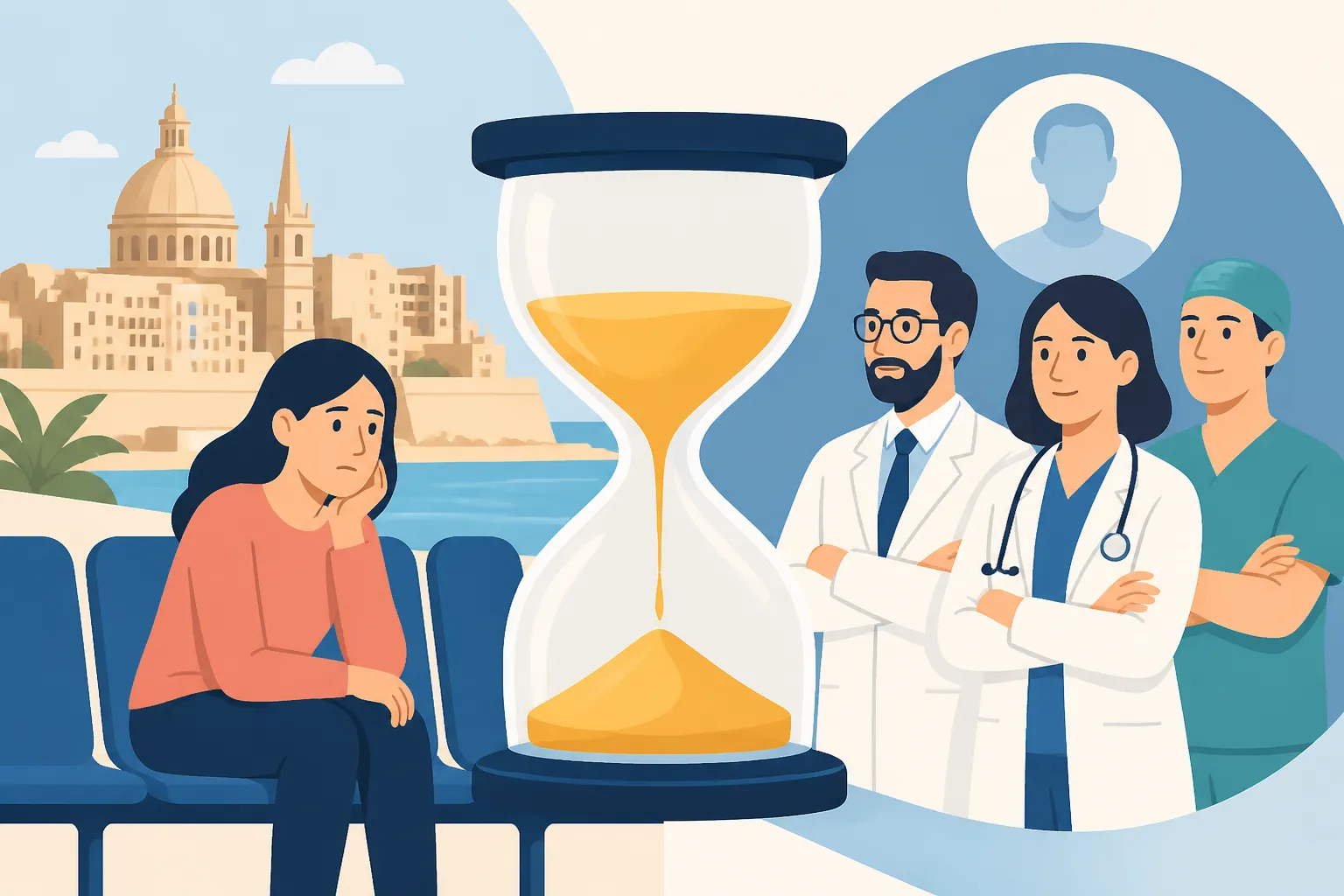
How Long Are Waiting Times for Specialists in Malta?
One of the most jarring experiences for a newcomer in Malta is the sudden realization that "free healthcare" often comes with a side of significant patience. I remember sitting in my local health centre, clutching a referral for a specialist consult, only to be told the next available slot at Mater Dei was fourteen months away. This guide untangles the reality of waiting times for specialists in Malta and provides actionable strategies to ensure you aren't left in a bureaucratic limbo when you need medical attention.
The Public Specialist Pathway and the GP Gatekeeper
In Malta, you cannot simply call up a state hospital and book an appointment with a cardiologist or a neurologist because you have a nagging concern. The system is strictly tiered, and it all begins with your General Practitioner (GP). Whether you visit a local health centre or a private family doctor, that initial consultation is the key that unlocks the door to specialized care.
When a GP determines that you need further investigation, they will issue a referral through the national system. For those navigating this for the first time, Finding a Doctor in Malta: GPs, Specialists, and the Referral System is the essential first step to understand how to get that initial piece of paper. Once the referral is logged into the system at Mater Dei, the central hospital, it is triaged by the department. This is where the "waiting game" truly begins.
The triage process determines your priority level: urgent, semi-urgent, or routine. If your case is deemed routine—meaning it isn't life-threatening but is certainly impacting your quality of life—you are added to the general pool. Because Malta has a centralized healthcare system, almost every public referral in the country flows toward the same departments, creating significant bottlenecks in popular specialties like orthopaedics, dermatology, and ophthalmology. Understanding How the Specialist Referral System Works in Malta's Public Hospitals can help you manage your expectations regarding how these decisions are made behind the scenes.
Real-World Wait Times in the Public Sector
The public sector, centered around Mater Dei and Beyond: A Guide to Malta's Public Hospitals and Health Centres, offers world-class care, but the demand frequently outstrips the supply of specialist hours. While emergency cases are seen immediately, the "elective" or "routine" waiting list is a different story.
For a routine orthopedic consultation—perhaps for a chronic knee issue or a hip problem—it is not uncommon to wait between nine and eighteen months. Similarly, dermatology appointments for non-cancerous skin checks can often stretch beyond the one-year mark. Cardiology and neurology typically move a bit faster due to the nature of the risks involved, but even then, a routine follow-up might take three to six months.
The frustration often stems from the lack of communication. Once your referral is submitted, you may not hear anything for weeks or even months until a letter arrives in your postbox with an appointment date that is still half a year away. This is why many expats find that Booking Appointments and Using myHealth Online in Malta is a lifesaver, as it allows you to track your referrals and see if an appointment has been scheduled before the physical letter reaches your door.
| Specialty | Public System Wait (Routine) | Private System Wait |
|---|---|---|
| Orthopaedics | 9 – 18 Months | 2 – 7 Days |
| Dermatology | 12 – 15 Months | 3 – 10 Days |
| Cardiology | 3 – 6 Months | 1 – 5 Days |
| Ophthalmology | 6 – 12 Months | 2 – 7 Days |
| MRI / CT Scans | 4 – 8 Months | 1 – 3 Days |
| Physiotherapy | 3 – 5 Months | 1 – 4 Days |
Private Healthcare: The Strategic Shortcut
When the public waiting list feels insurmountable, most expats and many locals turn to the private sector. The contrast is stark; while you might wait a year for a public consult, you can often see the exact same specialist in a private clinic within forty-eight hours. Many of the top consultants at Mater Dei also operate private practices in the evenings at clinics like St. James Hospital, DaVinci Health, or various local pharmacies.
The primary barrier to the private route is, of course, the cost. A specialist consultation privately usually ranges from €60 to €150, depending on the seniority of the doctor and the complexity of the visit. If you require diagnostic imaging like an MRI, the price can jump to several hundred euros. This is why having comprehensive coverage is so important. Private Healthcare and Insurance in Malta: When You Need Cover explains how these two systems interact.
For those who are in Malta as digital nomads or on temporary permits, options like SafetyWing can be incredibly useful. SafetyWing provides the flexibility that matches the expat lifestyle, ensuring that if you do encounter a long wait in the public system, you have the financial backing to simply walk into a private clinic and get seen immediately. Using a provider like SafetyWing allows you to bypass the year-long queues for diagnostic tests, which is often the most stressful part of any medical journey.
Why are the Wait Times So Long?
It is helpful to understand the "why" behind the delays so you don't take the bureaucracy personally. Malta’s population has grown rapidly over the last decade, but the physical infrastructure of the public health system has struggled to keep pace. Mater Dei is the only major acute general hospital on the island, meaning it handles everything from car accidents to routine ear infections.
Staffing is another critical factor. While Maltese medical professionals are highly trained, many specialists divide their time between the public hospital, teaching at the University of Malta, and their private clinics. This "split-interest" model means that the number of hours dedicated to public outpatient clinics is limited. When you are sitting in the waiting room, What to Expect as a Patient at Mater Dei Hospital will give you a sense of the sheer volume of people the staff are trying to manage on a daily basis.
Furthermore, the referral pool is massive. Because public healthcare is essentially free at the point of use for those who qualify, there is a high volume of referrals for minor issues that might be managed by a GP in other countries. This "clogging" of the system means that even if you have a legitimate, painful condition, you are stuck in line behind hundreds of others with similar priority levels.
Navigating the System for Faster Results
If you find yourself staring at a twelve-month wait time, don't lose hope. There are several ways to advocate for yourself. First, you can ask your GP to write a "case for urgency" if your symptoms worsen. A GP can re-submit a referral with updated clinical notes, which may trigger a re-triage of your case.
Second, many people use the "hybrid" approach. You can pay for a private consultation with a specialist to get an initial diagnosis and then have that specialist "internalize" your case into the public system if you need expensive surgery or long-term treatment. You should read more on this in Can I Use a Private Doctor in Malta to Skip the Maltese Waiting List? to understand the ethical and procedural boundaries of this tactic.
Another tip is to be flexible with locations. While Mater Dei is the hub, some specialist services are offered at regional health centres. If you are willing to travel to a different part of the island or even to Gozo, you might find a shorter queue. However, for most, the simplest solution remains having a solid insurance plan. Mentioning SafetyWing again is relevant here because their nomadic-friendly policies often cover the very things that cause the most delay—specialist visits and urgent diagnostics—giving you the peace of mind to skip the public queue entirely when time is of the essence.
The Financial Reality of Skipping the Queue
If you decide to go private, you need to be prepared for the out-of-pocket expenses if you don't have insurance. Diagnostic tests are where the costs truly escalate. A private blood test might be €50, but an ultrasound can be €150, and an MRI can easily exceed €350. How Much Does a Private Specialist Consultation Cost in Malta? provides a more detailed breakdown of these fees.
For many expats, the calculation is simple: is my health and time worth the €100 for a private visit? Often, the answer is a resounding yes. If you are working or running a business, the cost of being "out of commission" for months while waiting for a public appointment far outweighs the cost of private care. This is where services like SafetyWing provide a safety net, allowing you to focus on recovery rather than the balance of your bank account.
Keep in mind that even if you go private for the specialist, you might still want to use the public system for your medications. Malta has a unique system where certain chronic medications are provided for free, provided you have the right documentation from a specialist. Knowing how to transition between the two can save you thousands of euros over the long term.
Specialist Care on Gozo
For those living on or visiting the sister island, the situation is slightly different. Gozo General Hospital serves the smaller population, and in some cases, waiting times for certain specialists can actually be shorter than at Mater Dei. However, for highly specialized care, Gozitans are often referred back to the main island.
The commute for a ten-minute specialist appointment can be a grueling four-hour round trip involving the ferry. If you are based in Gozo, it is worth checking if your specialist holds a private clinic in Victoria (Rabat), which can save you the trip to Malta. Private clinics on Gozo are generally a bit cheaper than those in the Sliema or St. Julian's areas, though the choice of specialists is naturally more limited.
Choosing a Private Health Insurer in Malta
If you have decided that the public waiting lists are not for you, the next step is securing coverage that works. When Choosing a Private Health Insurer in Malta: Cover, Costs, and Claims, you need to look specifically at "Outpatient" cover. Many basic plans only cover hospital stays (inpatient), leaving you to pay for those expensive specialist consultations yourself.
International plans like SafetyWing are often preferred by the expat community because they are designed for people who move around. They understand the need for quick access to specialists without the "local" bureaucratic hurdles sometimes found with traditional island-based insurers. Whether you are here for a six-month contract or a permanent move, having that bridge to private care is the most effective way to manage the reality of Maltese medical waiting times.
Ultimately, the Maltese healthcare system is a bit of a "choose your own adventure." You can opt for the public route, which offers excellent care at no cost but requires significant time, or you can opt for the private route, which offers immediate access at a price. Most successful expats find a balance between the two, using the public system for emergencies and long-term care, while relying on private specialists and insurance like SafetyWing to handle the routine hurdles and diagnostics that would otherwise keep them waiting for a year.
Disclaimer
This guide is intended for informational purposes only and is based on personal experiences and general research into the Maltese healthcare system as of 2026. Medical waiting times and policies are subject to change by the Ministry for Health and Identità. Always consult with a qualified medical professional or your insurance provider regarding your specific health needs and coverage. This content does not constitute legal or medical advice.