What to Expect as a Patient at Mater Dei Hospital
Navigating the maze of Mater Dei for the first time can feel like trying to solve a Rubik's cube while blindfolded. I remember my first visit—wandering through those massive, sterile corridors feeling completely overwhelmed by the sheer scale of the place. This guide clears the fog, explaining exactly what happens from the moment you walk through those sliding doors.
Arriving at Mater Dei: The Logistics and First Impressions
The first thing you’ll notice about Mater Dei is its size. Located in Msida, right next to the University of Malta, it is the primary acute general hospital for the entire country. For a newcomer, the initial experience is often one of sensory overload. The main entrance is a bustling hub where patients, staff, and visitors converge, often accompanied by the distinct aroma of the ground-floor cafeteria.
Finding Your Way to Msida and Parking
Getting to Mater Dei is generally straightforward via public transport, as it is one of the most well-connected spots on the island. Multiple bus routes from every corner of Malta stop right at the hospital gates. However, if you choose to drive, prepare yourself for a battle. The underground car park often reaches capacity by 9:00 AM, leading to long queues of cars idling outside. I’ve personally spent forty minutes circling just to find a spot. If you have an appointment, I highly recommend arriving at least an hour early if you are driving, or better yet, using a taxi or the bus to avoid the stress of parking.
The Triage Process in the Emergency Department
If you are arriving at the Accident and Emergency (A&E) department, your first stop is the triage desk. This is where a nurse will assess the urgency of your condition. It is important to understand that Emergency Medical Care in Malta: 112, A&E, and Urgent Help operates on a priority basis, not a "first come, first served" basis. If you arrive with a minor injury, you might see people who arrived after you being called in first because their condition is life-threatening. The waiting area can be crowded, and during peak flu season or summer heatwaves, wait times for non-urgent cases can stretch into several hours. Be patient, bring a book, and ensure your phone is charged.
Navigating the Color-Coded Blocks
Inside, the hospital is divided into color-coded blocks: Blue, Orange, Brown, and Yellow. Each block houses specific wards and outpatient clinics. For example, the Blue block often handles surgical cases, while the Yellow block is frequently associated with oncology and specialized care. There are digital kiosks scattered around the main foyer to help you find your destination, but don't be afraid to ask the receptionists or the security guards—they are used to lost expats and are generally very helpful. Knowing your ward or clinic name beforehand is essential, as the internal signage can sometimes be a bit cryptic for the uninitiated.
Navigating the Outpatient Experience: Referrals and Appointments
For many of us, our encounter with Mater Dei isn't an emergency but an appointment with a specialist. This process is highly structured and relies heavily on the "gatekeeper" system common in European healthcare. You rarely just walk into Mater Dei and ask to see a cardiologist; there is a specific path you must follow.
The Specialist Referral System Explained
Your journey to an outpatient clinic almost always begins with a GP. Whether you visit a private family doctor or a doctor at a local health centre, they must issue a referral note. This note is sent to the hospital, where it is vetted by the relevant department. They then decide on the urgency of your case. You will eventually receive an appointment letter by post or a notification via the Booking Appointments and Using myHealth Online in Malta portal. It’s worth noting that for non-urgent matters, the waiting list can be several months long. This is one of the primary reasons many expats choose to maintain private coverage through providers like SafetyWing to bypass these queues for initial specialist consultations.
What to Bring to Your First Appointment
When you finally head to your outpatient appointment, preparation is key. You must bring your Maltese ID card (eResidence card) and your appointment letter. If you are a third-country national, having your passport and proof of health insurance is also wise. I always tell people to bring a summary of their medical history and any medications they are currently taking. The doctors at Mater Dei are highly skilled, but they are also very busy. Having your information organized helps them help you more efficiently. If you have had tests done privately, bring those results with you, as the public system might not automatically have access to private lab databases.
Managing Long Waiting Times in Clinics
Even with a set appointment time, be prepared to wait. It is not uncommon for clinics to run behind schedule. You might be told your appointment is at 10:00 AM, but you might not see the consultant until 11:30 AM. This is a common frustration, but it’s part of the "island time" reality of the public health system. The waiting rooms are usually equipped with basic seating and occasionally a television, but rarely Wi-Fi. It’s a good idea to have some data on your phone or a physical book to pass the time. If you feel like you've been forgotten, a polite check-in with the clinic clerk is perfectly acceptable.
Life on the Ward: Staying as an Inpatient
If you are admitted to Mater Dei as an inpatient, the experience shifts from the frantic pace of the outpatient clinics to the structured routine of ward life. Being a patient in a foreign country can be lonely, but the staff at Mater Dei are generally very communicative and empathetic.
Ward Life and Hospital Food
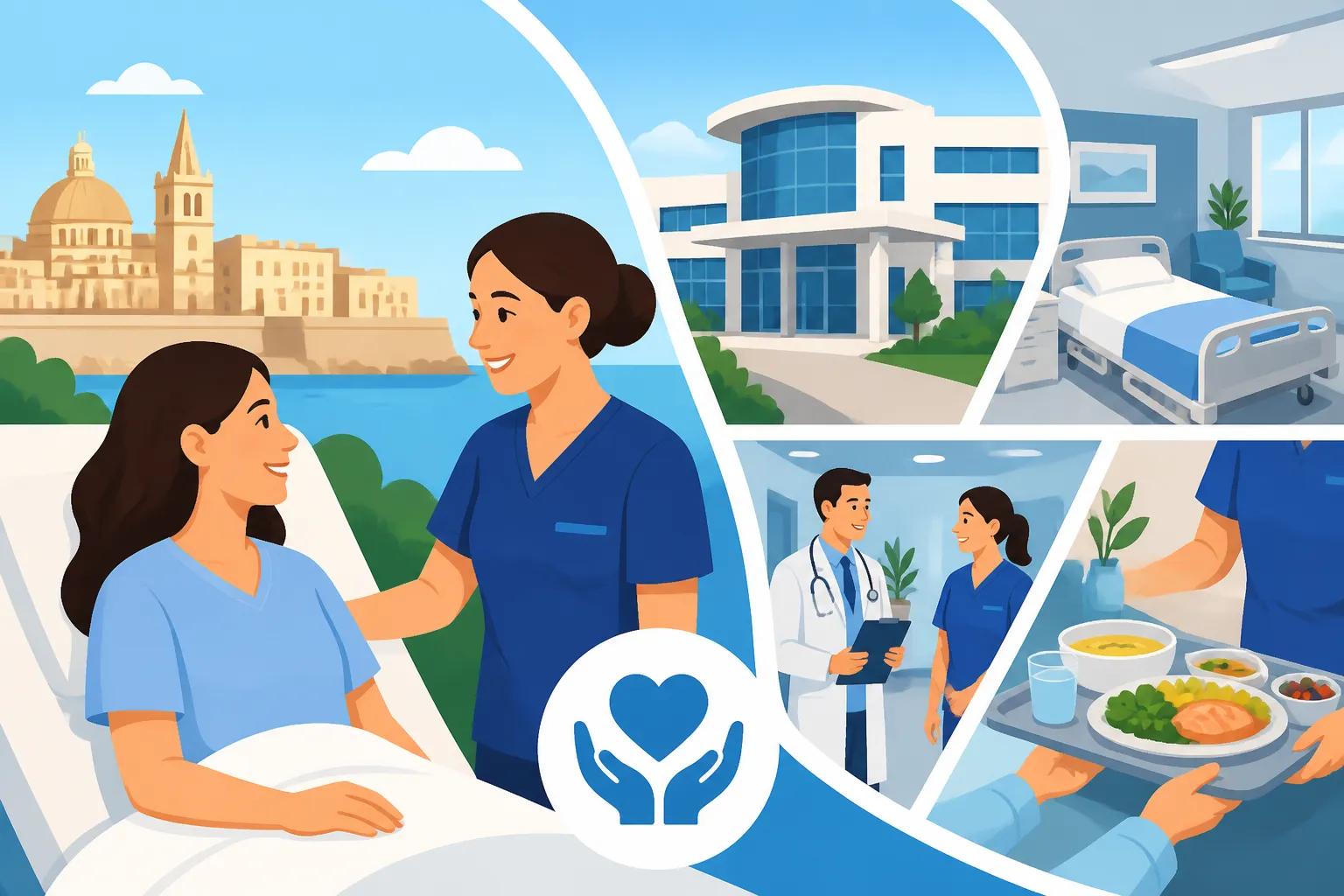
Wards at Mater Dei are typically organized into bays of four to six beds. While the hospital is modern, don't expect the luxury of a private room unless your medical condition specifically requires isolation. You will have a small bedside locker and a curtain for privacy. The daily routine starts early, with observations (blood pressure, temperature) often beginning around 6:00 AM. As for the food, it is functional. You’ll typically get a choice of Maltese-style dishes, which often include soups, pasta, and stews. It’s not five-star dining, but it’s nutritious. Many local families bring in extra snacks or specific foods for their loved ones, which is a very common sight in the corridors.
Visiting Hours and Family Support
Family is the heartbeat of Maltese society, and this is reflected in how hospital visits work. Official visiting hours are usually in the afternoon and early evening, but they are strictly enforced to ensure doctors can do their rounds and patients can rest. However, if a patient is very ill or has special needs, the ward sister may allow a "carer's pass," letting one family member stay outside of regular hours. For expats who may not have a local support network, this can be a tough time. This is why it’s important to understand How to Get Care If I Don't Speak Maltese, though almost every staff member speaks excellent English.
Communication with Doctors and Nurses
The medical teams at Mater Dei work in "firms," meaning you will be under the care of a specific consultant who leads a team of registrars and house officers. You might not see the "Big Boss" every day, but the junior doctors will visit during morning and evening rounds. Don't be afraid to ask questions. I've found that if you are proactive and ask, "What is the plan for today?" or "When are my test results expected?" the staff are more than happy to explain. The nurses are the ones you'll see the most; they are the backbone of the hospital and are usually your best point of contact for day-to-day needs.
Costs and Entitlements for Foreign Residents
The question of "who pays?" is often the most stressful part of the experience for foreigners. Malta’s healthcare system is based on social security contributions, but your specific residency status determines your right to free care.
Who Gets Free Care?
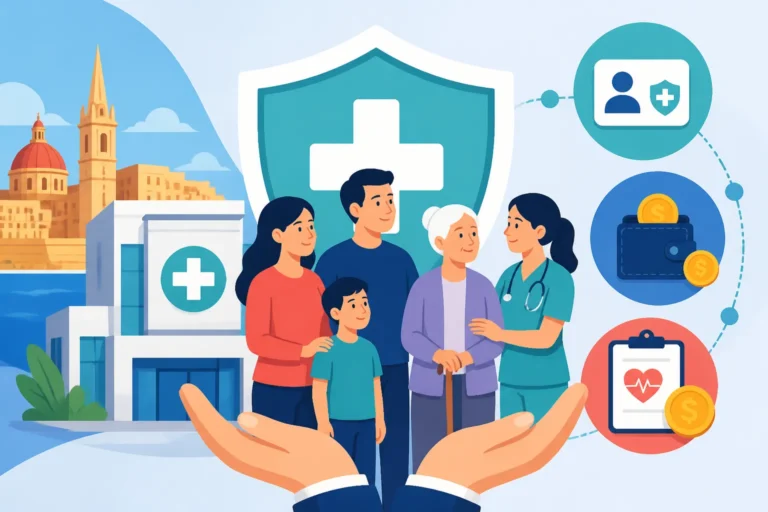
If you are an EU citizen and have been working in Malta and paying social security, or if you have transferred your rights via an S1 form, you are generally entitled to free care at Mater Dei. The same applies to many third-country nationals who are on a Single Permit and are contributing to the system. You will need to show your ID card, and the hospital staff will check your status through the Entitlement Unit. It is essential to understand How Social Security Contributions Unlock Free Care to avoid unexpected bills at the end of your stay.
Billing for Non-Entitled Patients
If you are not yet paying social security—perhaps you are a digital nomad on a fresh permit or a tourist—you will be treated as a private patient. Mater Dei will not refuse emergency care, but they will send you a bill afterwards. These costs can be substantial. For instance, a night in an acute ward or a session in the operating theater can run into thousands of euros. This is why having robust insurance is non-negotiable. Many expats use SafetyWing to cover this gap, especially during their first few months on the island before their official state entitlement is processed.
The Role of Private Insurance
Even if you are entitled to free public care, many expats choose to use private insurance to supplement their experience. While Mater Dei is excellent for emergencies and complex surgeries, private insurance allows you to access specialists much faster and often in a more "hotel-like" environment at private hospitals. Having a policy from a provider like SafetyWing can provide peace of mind, knowing that if you prefer to skip the long waiting lists for a non-urgent diagnostic test, you have the financial means to do so.
| Feature | Public (Mater Dei) | Private (e.g., St. James/DaVinci) |
|---|---|---|
| Emergency Care | Excellent, World-Class | Limited, mostly minor emergencies |
| Waiting Times | Can be long for non-urgent | Very short, often same-week |
| Cost | Free (if entitled) | Out-of-pocket or Insurance |
| Room Type | Shared Wards | Private/Semi-private Rooms |
| Specialist Access | Requires GP Referral | Direct booking often possible |
Comparing Public vs. Private Care in Malta
One of the most common questions I get from newcomers is whether they should stick to Mater Dei or go private. The answer usually depends on the severity of the situation.
Mater Dei vs. Private Clinics
For anything life-threatening—a car accident, a heart attack, or major trauma—Mater Dei is the only place you want to be. They have the most advanced equipment and the largest teams of specialists on the island. Private hospitals in Malta are fantastic for elective surgeries (like hip replacements or minor procedures), diagnostic imaging (MRIs, CT scans), and maternity care. However, they are not equipped to handle the level of intensive care that Mater Dei provides. If you go to a private clinic with a major emergency, they will likely stabilize you and then transfer you to Mater Dei by ambulance.
When to Opt for Private Services
It is usually sensible to use private services for the "in-between" stuff. If you have a nagging pain in your knee and the public system says it’s a six-month wait to see an orthopedic surgeon, go private. You can usually get an appointment within days. This is where Private Healthcare and Insurance in Malta: When You Need Cover becomes a vital part of your expat strategy. Many residents find a "hybrid" approach works best: use the public system for chronic management and emergencies, and use private insurance like SafetyWing for quick specialist access and elective diagnostics.
Discharge and Post-Hospital Care
Leaving the hospital is often a relief, but the process at Mater Dei is quite formal to ensure you aren't just "thrown out" without a plan.
The Discharge Letter and Follow-up
Before you leave, the doctors will provide you with a discharge letter. This is a crucial document. It summarizes what happened during your stay, what treatments you received, and what your follow-up plan is. One copy is for you, and one is for your GP. Make sure you keep this safe. If you need follow-up appointments, the ward clerk will usually organize the first one for you before you leave, or they will tell you to wait for a letter in the mail. If you are a foreign resident, ensure they have your correct address on file, as many expats move house frequently and miss their follow-up letters.
Pharmacy and POYC Integration
If you need medication after your stay, the hospital doctor will give you a prescription. If you are entitled to free medication under the Pharmacies and the POYC Scheme: Getting Medicines in Malta, you will need to register this at your local health centre. For immediate needs, you can take your prescription to any retail pharmacy. Most pharmacies in Malta are very helpful and can provide advice on how to take your new medication. Remember that not all medicines are free, even if you are entitled to healthcare; only those on the government's "formulary" list are covered.
Recovering at Home
Malta’s climate can be your best friend or your worst enemy during recovery. The humidity in winter can make joints ache, while the summer heat can be exhausting if you are recovering from surgery. Make sure your home environment is set up for your return. If you need home nursing or physiotherapy, these can sometimes be arranged through the public system via the Physiotherapy and Rehabilitation in Malta: Public and Private Routes, but many expats find it easier and faster to hire private home care for the first few weeks of recovery.
Patient Rights and Advocacy
Every patient at Mater Dei has rights, and it is important to know how to use them if things don't go according to plan.
Accessing Your Medical Records
Under Maltese law and GDPR, you have the right to access your medical records. You can do this through the "Medical Records" department at the hospital. There is a small fee and a form to fill out, but they will provide you with copies of your files. This is particularly useful if you are planning to move to another country and want to Transfer Your Medical Records to Malta from Abroad or take them with you when you leave.
Dealing with Complaints or Concerns
If you aren't happy with your care, you can contact the Customer Care department located near the main entrance. They act as a liaison between patients and the administration. In my experience, they are quite effective at resolving misunderstandings or administrative hiccups. If the issue is more serious, you have the right to file a formal complaint. The Maltese people are very vocal about their healthcare, and the hospital takes feedback seriously as part of its quality control measures.
Health Entitlement in Malta: How Social Security Contributions Unlock Free Care
This section is vital for anyone who is working. In Malta, healthcare isn't funded through general taxation alone, but through a specific social security contribution (NI). When you see "NI" deducted from your payslip, that is your ticket to Mater Dei. However, the link isn't automatic in the computer system for foreigners. You must proactively register with the Entitlement Unit. This often involves taking your employment contract, your last three payslips, and your ID card to their office (now conveniently located within the hospital complex itself or online). Once they "unlock" your status, your ID card becomes your health card. Without this step, even if you are paying into the system, the hospital's billing department might still see you as a "private" patient. Always double-check this before you need the hospital, as doing it while you're ill is the last thing you want to worry about.
Why Do Nomad Residence Permit Holders Need Private Insurance in Malta?
Digital Nomads are a special case in the Maltese system. Because they are technically employed by a company outside of Malta (or are self-employed elsewhere), they do not pay Maltese social security. This means they are not entitled to the "free" care at Mater Dei that a local employee enjoys. As part of the Nomad Residence Permit application, the government requires proof of health insurance. A policy from SafetyWing is a popular choice because it meets these specific visa requirements while providing the kind of international coverage nomads need. Without this insurance, a single trip to Mater Dei for a broken leg or a severe infection could cost more than a year's worth of rent in Sliema. It’s the safety net that allows you to enjoy the Mediterranean lifestyle without the looming threat of medical debt.
Essential Disclaimer
The information provided in this guide is for general informational purposes only and does not constitute legal or medical advice. Healthcare regulations and entitlement criteria in Malta are subject to change. Always consult with the official health authorities or the Entitlement Unit at Mater Dei Hospital to verify your specific situation.