When Will I Be Invited for a Mammogram in Malta?
Navigating the administrative maze of a new healthcare system is one of the most daunting tasks for any expat settling into life on the islands. I remember sitting in my first Maltese apartment, staring at a stack of forms and wondering if I would ever actually be "in the system" enough to receive routine check-ups. This guide solves the confusion surrounding the national breast screening program, detailing exactly when you should expect your invitation and what to do if the letter never arrives.
Understanding the National Breast Screening Programme in Malta
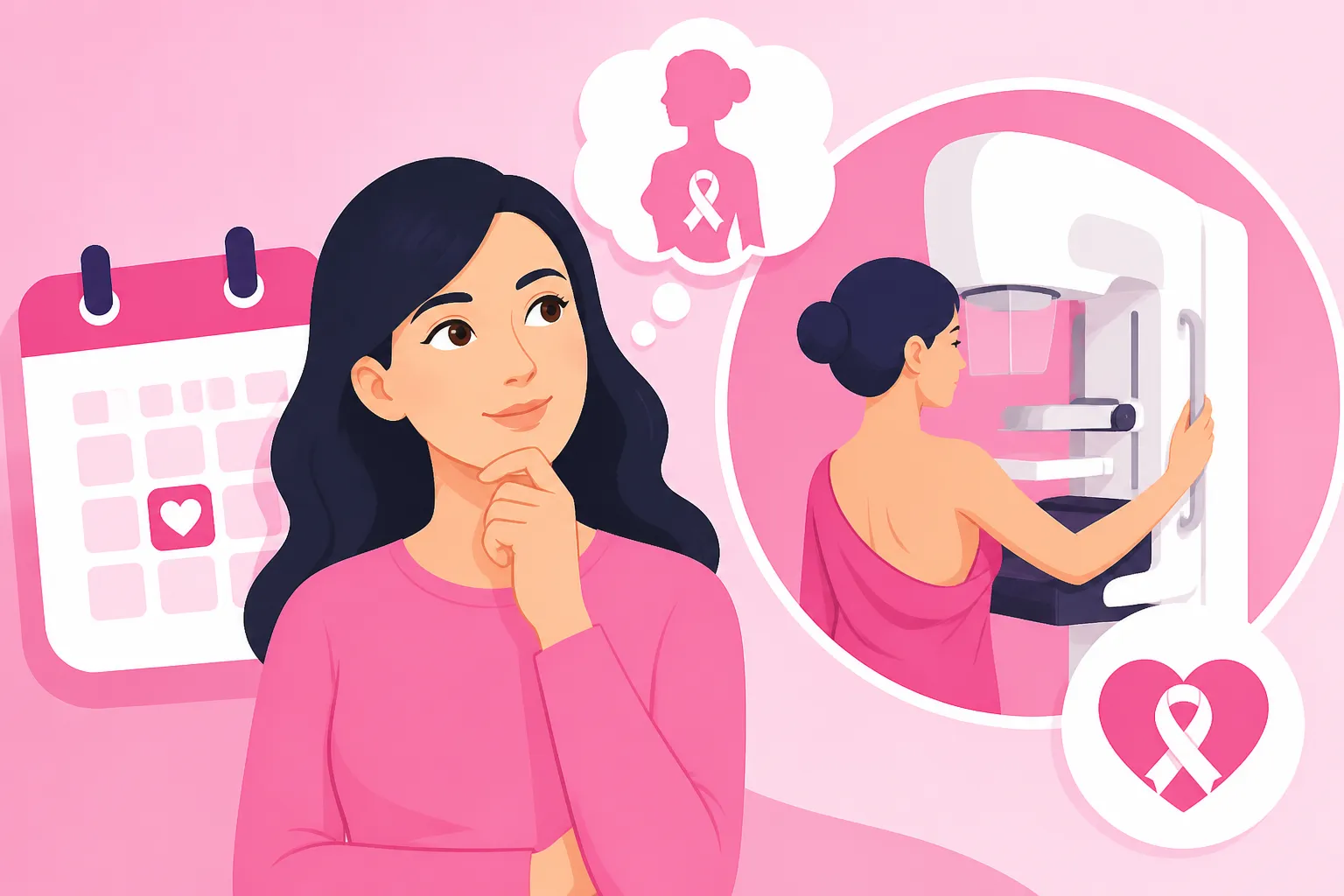
The Maltese health authorities take preventive care quite seriously, but the system operates on a very specific, centralized model that can feel opaque if you are used to a more decentralized approach. In many countries, you might simply call your GP when you reach a certain age to schedule a mammogram. In Malta, the process is predominantly proactive on the part of the National Screening Centre. They manage a rotating cycle of invitations based on birth years and residency data. This means that for the most part, you don’t find the screening; the screening finds you.
However, the "finding you" part relies entirely on the accuracy of your government records. If you are a resident and have been paying your social security contributions, you are technically eligible, but the invitation is triggered by the database held by the health department. Understanding that this is a population-based program rather than an on-demand service is the first hurdle. It is designed for women who do not have any existing symptoms. If you have noticed a change or a lump, the advice is completely different: you must skip the screening queue and see a doctor immediately.
The programme is free of charge for those who qualify under the national health scheme. For many of us who moved here for work, this is one of the tangible benefits of seeing those social security deductions on our payslips every month. It is a well-oiled machine once you are actually inside the building at Lascaris Wharf, but getting that first piece of paper in your letterbox is the part that requires the most patience and local "know-how."
Age Eligibility and the Invitation Cycle
In Malta, the national breast screening program generally targets women between the ages of 50 and 69. This age bracket is chosen based on international clinical guidelines that suggest this is the window where routine screening provides the most significant benefit for early detection. If you are younger than 50, you generally will not receive an invitation unless you have a specific family history that has been flagged by a specialist at Mater Dei Hospital.
The invitations are sent out roughly every three years. This means if you have just turned 50, you might not get a letter on your birthday. You are added to the list for your specific birth cohort, and when that cohort is "up" in the cycle, the invitations are dispatched. I have known expats who waited until they were 52 before their first letter arrived, simply because of where their birth year fell in the national rotation. It can be a bit nerve-wracking to wait, but as long as you have confirmed that you are correctly registered, the system should eventually catch up with you.
For those who are over the age of 69, the automatic invitations typically stop. However, the health authorities often encourage women to remain vigilant. While you might no longer be part of the "active" call-recall list, you can still discuss screening options with your GP. Staying informed through resources like Preventive Health and Screening Programmes for Adults in Malta is essential for managing your long-term health strategy while living on the island.
The Role of the National Screening Centre
The National Screening Centre is the heart of this operation. Located in Valletta, specifically at Lascaris Wharf (near the base of the Upper Barrakka Gardens), it is the primary site for these screenings. Unlike other medical appointments that might happen at local health centres or Mater Dei, the mammography equipment and specialized staff for the national program are concentrated here. This centralization ensures that the radiologists and technicians are experts who see a high volume of cases, which generally leads to better accuracy in readings.
When you arrive at the centre, you’ll notice it’s a dedicated space designed specifically for screening. It doesn’t have the chaotic feel of a general hospital. The staff are accustomed to dealing with foreigners and almost everyone speaks excellent English. They understand that for many of us, this is our first time interacting with the Maltese public health system in a non-emergency capacity.
The centre also handles the coordination of the results. They don't just take the images; they manage the entire "pathway" of care. If an abnormality is found, the centre is responsible for the initial follow-up. This streamlined approach is great, but it does mean that if you prefer to have your screening done at a private clinic, you will be operating outside this specific national pathway. Many expats choose to supplement their public coverage with private options, especially when they are first arriving. Services like SafetyWing can be a lifesaver during those first few months when you are still waiting for your ID card and formal health entitlement to be processed.
How the Invitation Process Works
The invitation process is almost entirely dependent on the mail. In an era of digital everything, Malta still heavily relies on physical letters sent to your registered address. This is where many foreigners run into trouble. If you have moved house since you first arrived and haven't updated your address with Identità (formerly Identity Malta), your invitation letter will likely end up in the hands of your former landlord or a new tenant.
The letter you receive will include a pre-set date and time for your appointment at the Valletta centre. It usually gives you a few weeks' notice. I’ve found that the system is relatively flexible if the date doesn’t work for you. There is a phone number on the letter that you can call to reschedule. When you call, have your ID card number ready, as this is the primary way they track your file. If you haven't received your card yet, you might find the process significantly more difficult, which is why Getting Your Maltese ID Card Number: The Key to Accessing Healthcare should be one of your top priorities after landing.
Once you have the letter, it acts as your "ticket" for the service. You are expected to bring it with you, along with your Maltese ID card. Without the ID card, the staff at the screening centre may struggle to verify your entitlement to the free service, and you could be asked to pay or be turned away. It’s a very "by the book" procedure, so having your documentation in order is non-negotiable.
Receiving the Letter and the Importance of the eResidence Card
Your eResidence card is more than just a permit to stay; it is your digital key to the Maltese state. The National Screening Centre pulls its mailing list from the central database managed by Identità. When you apply for or renew your residency, the address you provide becomes your official point of contact for all government health services. If you are an EU citizen or a third-country national working here, your registration triggers your inclusion in these public health databases.
I cannot emphasize enough how important it is to keep this address current. I spent my first two years in Malta moving between short-term rentals in Sliema and St. Julian's. Every time I moved, I had to file an "Address Change" form with the residency office. It’s a tedious chore, but it ensures that important medical invitations—like your mammogram—don't get lost. If you are unsure which address the government has on file, it’s worth checking your status or visiting an Identità office to confirm.
For those who are digital nomads or on a temporary stay, you might not be automatically captured by the screening cycle. If you are in Malta on a nomad permit, you likely don't pay local social security, which means you aren't automatically entitled to free public screenings. In these cases, having a robust health plan is essential. Brands like SafetyWing offer coverage that can help you access private screening facilities without having to wait for the three-year public cycle or a formal invitation letter.
What Happens If You Miss the Letter or Move House
If you suspect you were due for a screening but never received a letter, don't just wait indefinitely. The "I've-been-there" reality is that letters do get lost in the post, or they get sent to that apartment you left eighteen months ago. If you are over 50 and have lived in Malta for more than three years without receiving an invitation, you should take proactive steps.
The first step is to call the National Screening Centre directly. You can find their contact details on the official Health.gov.mt website. When you call, explain that you are a resident and would like to check if you are on the list. They can look up your ID card number and tell you when you were last invited or when your next invitation is scheduled to be sent. This is often the quickest way to resolve "missing" invitations.
If they don't have you in the system at all, they will usually direct you to the Entitlement Unit. This is the department that confirms whether you have the right to free healthcare based on your work status or EU rights. You may need to provide copies of your payslips or an S1 form. Dealing with the Entitlement Unit: Sorting Out Your Right to Treatment in Malta can be a bit of a bureaucratic hurdle, but it is the only way to ensure you are correctly integrated into the public screening pathway for the long term.
Navigating the Appointment and Results
When the day of your appointment arrives, heading into Valletta can be a pleasant experience if you plan it right. The National Screening Centre is a short walk from the main bus terminus or the Upper Barrakka lift. Once you check in at the reception, the process is usually quite fast. You will be asked a few basic health questions, and then you’ll be called in for the mammogram itself.
The procedure is standard—two images are taken of each breast. The technicians are generally very professional and used to the anxieties that come with this type of screening. One thing that surprised me when I first navigated the system was the speed of the actual clinical interaction. It is a high-volume centre, so they move people through efficiently. Don't expect a long consultation with a doctor at this stage; the goal is simply to get high-quality images for the radiologists to review later.
After the screening, you are free to go. You won't get your results on the spot. This is a common point of confusion for newcomers who might expect a quick "all clear." In the Maltese public system, the images are read by two different radiologists independently to ensure accuracy. If they both agree the results are normal, you will receive a letter in the mail within a few weeks. If there is a discrepancy or if they see something that requires a closer look, you will be contacted for a follow-up.
Receiving Results and Follow-Up Procedures
The "no news is good news" mantra doesn't quite apply here—you should always expect a formal letter. If three or four weeks pass and you haven't heard anything, it is perfectly acceptable to call the centre and ask for an update. Most results are sent out via post, and as we've discussed, the Maltese postal system can sometimes be a bit leisurely.
If the results indicate that further investigation is needed, don't panic. A "recall" happens in a significant percentage of screenings and often turns out to be nothing serious, such as a cyst or dense breast tissue that was hard to read on the initial film. If you are recalled, you will usually be asked to go back to the centre or to Mater Dei Hospital for a more detailed ultrasound or a follow-up mammogram.
The beauty of the public system is that once you are in this "follow-up" loop, the coordination is handled for you. You don't have to worry about How the Specialist Referral System Works in Malta's Public Hospitals because the screening centre will book the necessary appointments for you. This integrated care is one of the strengths of the Maltese health service; they don't just leave you with a scary result and tell you to find a specialist on your own.
The Screening Experience at the National Screening Centre
The atmosphere at the Lascaris Wharf centre is purposefully calm. They provide changing areas and lockers for your belongings. It is best to wear a two-piece outfit (like a top and trousers) because you will only need to undress from the waist up. Also, avoid using deodorants, powders, or lotions on your underarms or breasts on the day of the appointment, as these can sometimes show up as white spots on the X-ray and lead to unnecessary recalls.
The staff will often ask if you have previous mammograms from your home country. If you have moved to Malta recently, it is incredibly helpful to have your medical records or digital copies of previous scans available. While they might not be able to "upload" them into the Maltese system immediately, having them for a radiologist to compare can be vital in determining if a finding is "new" or something that has been stable for years. If you're wondering how to get these organized, look into How Do I Transfer My Medical Records to Malta from Abroad for tips on digital portability.
| Feature | Public Screening (National Programme) | Private Screening (Clinics/Hospitals) |
|---|---|---|
| Cost | Free (for eligible residents) | €80 – €150 (approx.) |
| Invitation | Required (via post) | On-demand (no invitation needed) |
| Location | National Screening Centre, Valletta | Various (Sliema, Birkirkara, etc.) |
| Frequency | Every 3 years | As requested by you/your doctor |
| Follow-up | Integrated into public hospital system | Usually requires a separate private referral |
| Results | Sent via post (2-4 weeks) | Often available faster (1-7 days) |
For Expats: Ensuring You Are in the System
If you are a new arrival, you shouldn't assume the system knows you exist. The link between your residence permit and the health database isn't always instantaneous. For the first few months, you are essentially "invisible" to the screening program. This is why it is so important to register with your local health centre as soon as you have your ID card. By Registering with a Health Centre and Choosing a GP in Malta, you are creating a paper trail that links you to the wider public health infrastructure.
Another factor for expats to consider is the "3-year rule." If you had a mammogram just before moving to Malta, you might not be eligible for another one here until three years have passed. The Maltese system generally won't "double up" on screenings if you've already had one recently elsewhere. They may ask for the date of your last screening during your registration or when you call to inquire about an invitation.
If you are someone who prefers more frequent check-ups, or if you simply don't want to wait for the bureaucratic wheels to turn, the private sector in Malta is very robust. Many private hospitals like St. James or DaVinci offer mammography services on an on-demand basis. If you have insurance through SafetyWing, check your policy details; while basic nomad insurance focuses on emergencies, many expats choose to upgrade to comprehensive local or international private plans to cover preventive screenings while they are still navigating the public system.
Private Alternatives and Insurance Considerations
While the public screening is excellent, it has its limitations—mainly the rigid three-year schedule and the age cut-offs. If you are under 50 but have concerns, or if you are over 50 and want a check-up every year instead of every three, the private route is your best bet. You can usually book a private mammogram within a week. You will need a referral from a GP (even a private one), but the process is very straightforward.
The cost of a private mammogram in Malta is relatively affordable compared to Northern Europe or North America, usually ranging from €80 to €150. If you are using Private Healthcare and Insurance in Malta: When You Need Cover, you may find that your policy covers these costs if they are recommended by a doctor. Even if you are paying out of pocket, many expats find the peace of mind worth the expense, especially if they are still waiting for their official Maltese health entitlement to be approved.
SafetyWing is a popular choice for those in the transitional phase of their move. While you are waiting for your eResidence card or for the Entitlement Unit to process your paperwork, having a reliable insurance buffer ensures that you aren't left without options if a health concern arises. Once you are fully settled and paying into the Maltese system, the public screening program becomes a fantastic "safety net," but having private options allows you to take control of your health on your own timeline.
Registration and Social Security Requirements
To be eligible for the free national screening, you generally must be a "covered" person. This means you are either:
- An employee paying Class 1 social security contributions in Malta.
- A self-employed person paying Class 2 contributions.
- A pensioner from an EU country with a registered S1 form.
- A dependent of someone who fits the above categories.
If you aren't sure if you're paying enough to qualify, you can check How Maltese Health Entitlement Fits with Social Security Contributions. The screening centre doesn't check your payslips at the door, but their database is updated based on your status. If you lose your job or stop paying contributions, your name may eventually be moved to an "inactive" list. Keeping your employment status and residency status clear is the best way to ensure your health invitations continue to arrive like clockwork every three years.
Important Disclaimer
The information provided in this guide is for educational and informational purposes only and is based on the Maltese healthcare system. This content is not intended to be a substitute for professional medical advice, diagnosis, or treatment. Always seek the advice of your physician or other qualified health provider with any questions you may have regarding a medical condition. If you notice any changes in your breast health, such as a lump, pain, or skin changes, do not wait for a screening invitation; contact a healthcare professional immediately. The national screening program is designed for asymptomatic individuals and is not an emergency service. Reliance on any information provided in this article is solely at your own risk.