What Exactly Does Maltese Public Healthcare Cover?
Most newcomers arrive in Malta thinking public healthcare means everything is free for everyone, only to be hit with a surprise bill at Mater Dei because their paperwork isn't sorted. I spent my first six months here terrified of getting sick because I couldn't get a straight answer on what my taxes actually paid for. This guide breaks down exactly what the Maltese public system covers, from emergency surgery to your local health centre visits.
Understanding the Foundation of Public Coverage in Malta
The Maltese healthcare system is often ranked among the best in the world, but it operates on a very specific logic of entitlement. For expats, the first thing to understand is that "public" does not automatically mean "universal" for every person standing on the island. Coverage is primarily linked to your Social Security contributions. If you are employed or self-employed and paying your Class 1 or Class 2 contributions, you are generally entitled to the full suite of public services.
However, the transition period can be tricky. When I first moved to the Sliema area, I assumed my work contract was enough to walk into a clinic. In reality, you need your Maltese ID card and a confirmed record of contributions before the system recognizes you as a "free" patient. Until that administrative loop is closed, you might find yourself in a grey area where you are expected to pay for services out of pocket. This is why many expats rely on flexible options like SafetyWing to cover them during those initial months of bureaucratic limbo. It provides a safety net while you wait for the Entitlement Unit to process your right to care.
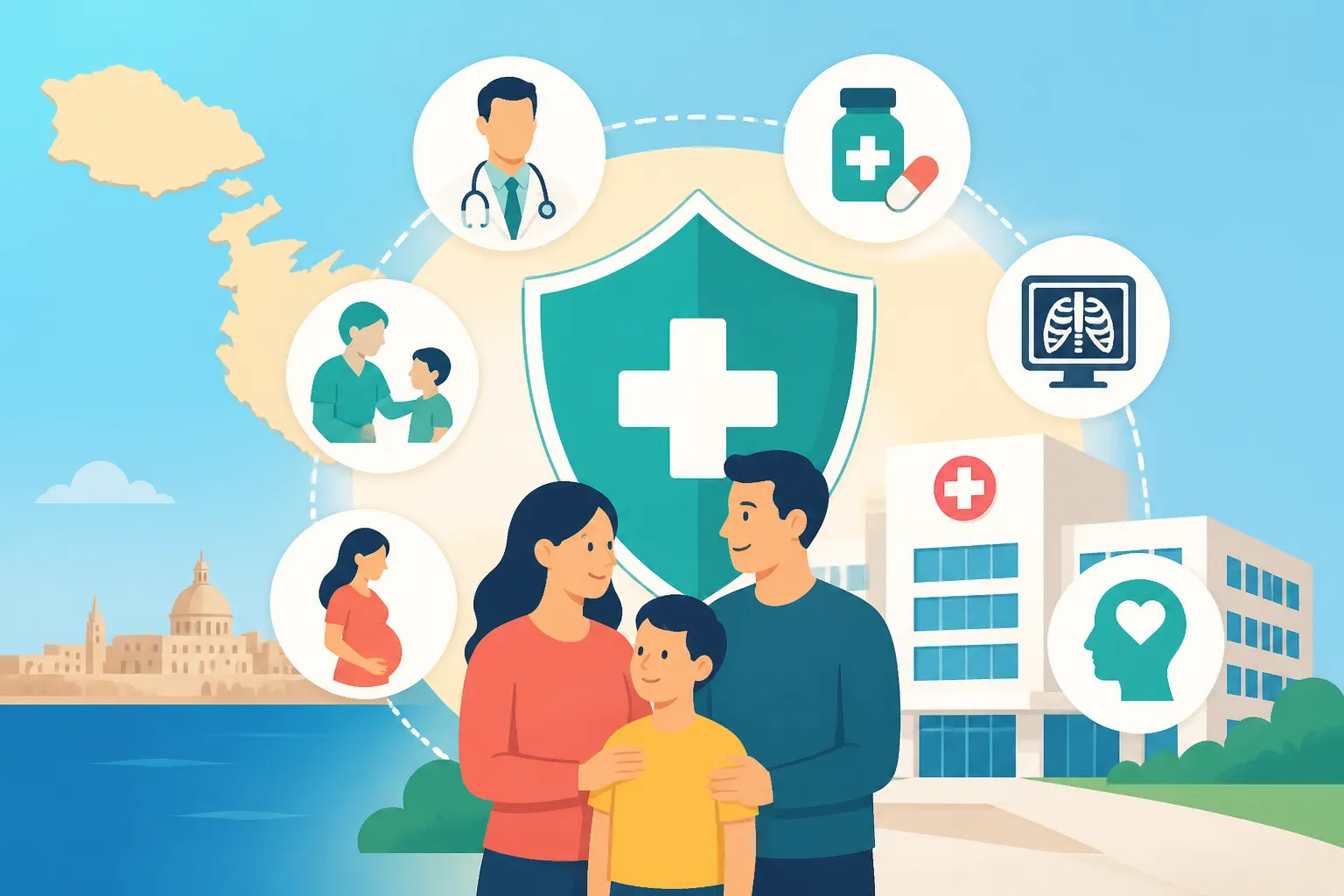
Public coverage in Malta is "comprehensive," meaning it covers most things you would find in a high-end European hospital. This includes everything from initial consultations at a health centre to complex neurosurgery at Mater Dei. The philosophy is built around the idea that no one should be denied life-saving or essential medical treatment due to a lack of funds. However, the "extras"—like a private room in the hospital or specific brands of medication—are usually outside the scope of what the government provides.
The Role of Social Security in Coverage
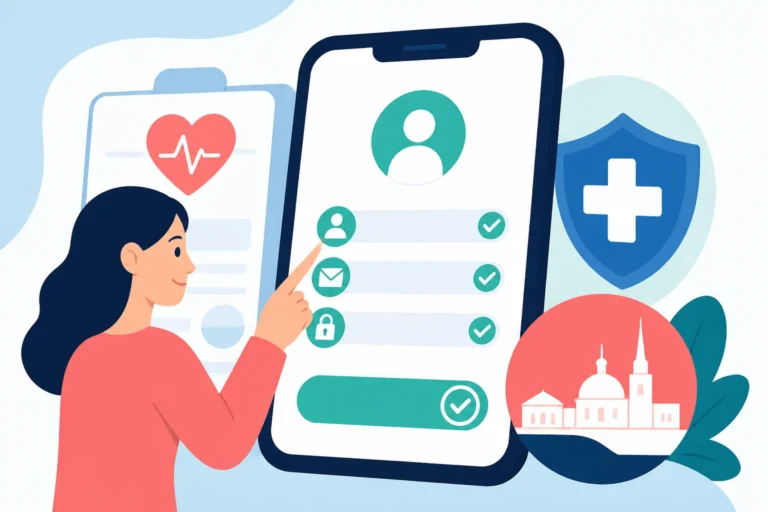
Your right to access the public system is verified through your ID card number. When you visit a public hospital or health centre, the first thing the receptionist does is check your status in the national database. If you are an EU citizen, your EHIC might cover temporary needs, but for long-term residence, the system looks for those monthly contributions. You can learn more about this in our guide on How Malta's Public Healthcare Works: Entitlement, Contributions, and Costs.
For non-EU residents, the rules are stricter. You generally need to be a taxpayer to access the system for free. If you are here on a Nomad Residence Permit, for example, you are often required to have your own private coverage because you aren't paying into the Maltese social security pot. In these scenarios, having a reliable provider like SafetyWing is not just a luxury but a requirement for your permit.
What Public Means for the Patient
Once you are "in" the system, public healthcare is free at the point of use. This means you don't receive a bill for the doctor's time, the X-ray, or the hospital bed. This is a massive relief for those coming from countries with high insurance premiums or co-pays. The trade-off, as any veteran expat will tell you, is the waiting list. While the coverage is broad, the time it takes to access non-urgent care can be significant.
Hospital Services and Inpatient Care Coverage
If you need to be hospitalized, the public system in Malta is incredibly robust. Mater Dei Hospital, the primary acute care facility, is where the bulk of inpatient services happen. If you are admitted, the public coverage includes the cost of the bed, all nursing care, surgical procedures, anesthesia, and any diagnostic tests like MRIs or CT scans required during your stay.
I have known several expats who had to undergo emergency surgeries here, and the feedback is almost always the same: the clinical care is top-notch, even if the wards are a bit crowded. You won't be charged for the food provided, although most locals will tell you to have a friend bring in some extra snacks. The coverage also extends to the medications administered while you are an inpatient. For a deeper look at the facilities, check out our article on Mater Dei and Beyond: A Guide to Malta's Public Hospitals and Health Centres.
Emergency and Acute Care
Emergency care is arguably the strongest suit of the Maltese public system. If you dial 112 or show up at the Accident & Emergency (A&E) department, the focus is on stabilizing you first and asking about your ID card later. This "life-and-limb" coverage is essential. For more details on what to do in a crisis, see Emergency Medical Care in Malta: 112, A&E, and Urgent Help.
Even if you aren't yet fully registered for entitlement, the A&E will treat you. However, you might receive a bill later for the services rendered if you cannot prove your entitlement. This is another area where having an international plan like SafetyWing can be a lifesaver, as they can handle the reimbursement for these unexpected hospital bills.
Outpatient Consultations and Specialist Referrals
The public system also covers specialist consultations, but you cannot simply walk into Mater Dei and ask to see a cardiologist. You must be referred by a General Practitioner (GP), either from a public health centre or a private clinic. Once referred, the consultation with the specialist is free under the public umbrella.
The catch is the waiting time. For a non-urgent specialist appointment, you could be waiting months. This is why many residents choose a "hybrid" approach, using the public system for major issues but paying for private consultations to get a faster diagnosis. You can read about how to navigate this in Finding a Doctor in Malta: GPs, Specialists, and the Referral System.
Primary Care through Health Centres
The frontline of Maltese healthcare is the network of regional Health Centres. These are the community hubs where you go for anything that isn't an emergency. The public coverage here is extensive and includes GP services, nursing services (like wound dressing or blood sugar monitoring), and even some specialized clinics for things like diabetes or podiatry.
When I first visited the Floriana Health Centre, I was surprised to find that I didn't even need an appointment for the GP. You just show up, take a number, and wait. This walk-in service is free for entitled residents. The doctors there can prescribe medication, order blood tests, and issue the necessary referrals for hospital-based care.
Nursing and Diagnostic Services
Beyond just seeing a doctor, the health centres provide essential nursing care. If you need a blood test, you can usually get it done at your local centre on specific mornings. The public system covers the lab work and the results are often uploaded directly to your online portal. This saves you the cost of visiting a private lab, which can easily run into the hundreds of euros for a full panel.
However, the health centres can be busy, especially in the mornings. I’ve spent many hours in plastic chairs waiting for a three-minute blood draw. It is part of the "Malta experience." If you want to know which centre serves your town, refer to What Public Healthcare Costs in Malta: Free Services and Paid Extras for a breakdown of regional coverage.
Specialized Community Clinics
Some health centres offer "Specialist" days where a consultant from Mater Dei visits the clinic. This is a great way to receive specialist care closer to home. Services like physiotherapy, speech therapy, and mental health screenings are also available at certain hubs, all covered under the public health mandate.
Dental, Vision, and Mental Health: The Limits of Coverage
This is where the "free for everyone" dream usually hits a wall. Public healthcare in Malta is comprehensive for physical illnesses, but it is much more restrictive when it comes to teeth, eyes, and mental health.
Dental Care Coverage
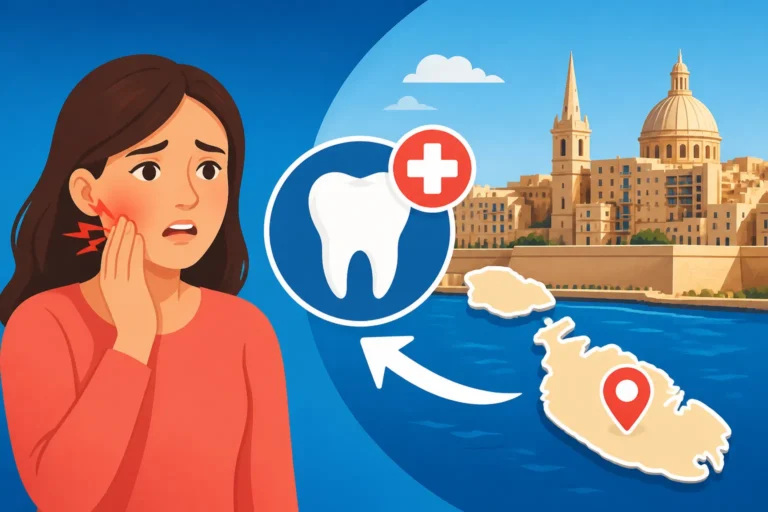
In the public system, dental care is generally limited to emergency interventions. This means extractions, acute infection control, or emergency fillings. If you want a routine check-up, a cleaning, or a crown, you are expected to go to a private dentist and pay the full market rate. Most expats quickly realize that dental hygiene is an out-of-pocket expense here. For a detailed look at what you can expect to pay, see Dental Care in Malta: Public Provision, Private Dentists, and Costs.
Vision and Optical Services
Similarly, the public system does not provide free glasses or routine eye exams for the general adult population. While you can see an ophthalmologist for a medical condition like glaucoma or cataracts at Mater Dei, the cost of your frames and lenses is your responsibility. There are limited subsidies for those on very low incomes, but for the average worker, vision care is private.
Mental Health Services
Mental health support is available through the public system, including outpatient clinics and the main psychiatric facility, Mount Carmel Hospital. While the care is free, the system is under heavy pressure. Accessing a psychologist or psychiatrist through the public route can involve long wait times. Many expats find that for ongoing therapy, the private sector is more responsive. If you are struggling, you can find resources in Mental Health Support in Malta: Services, Therapy, and Mount Carmel Hospital.
Given these gaps in dental and mental health, many expats choose to supplement their public entitlement. SafetyWing, for instance, is popular because it offers a broader safety net that can be useful if you find the local public specialist waitlists too daunting.
Prescriptions and the Pharmacy of Your Choice (POYC) Scheme
One of the most unique aspects of Maltese healthcare is how it handles medication. Unlike some countries where all prescriptions are subsidized, Malta uses a "disease-specific" model. If you have an acute illness (like a chest infection) and the doctor gives you a one-week course of antibiotics, you usually have to pay full price for that medication at a private pharmacy.
However, if you have a chronic condition—like asthma, diabetes, or hypertension—you may be entitled to free medication under the "Schedule V" scheme, often called the "Yellow Card."
How the POYC Scheme Works
Once a specialist confirms you have a chronic condition that qualifies, you are registered with the Pharmacy of Your Choice (POYC) scheme. You choose a local pharmacy near your home, and every month or two, you can collect your required medications for free. This is a massive benefit for those managing long-term health issues. To understand the registration process, see The POYC Pharmacy of Your Choice Scheme: How to Collect Free Medicines.
Income-Based Medication (The Pink Card)
For those on very low incomes, a "Pink Card" system exists. This provides a broader range of free medications and even some basic dental supplies. Most working expats will not qualify for this, but it is a vital part of the Maltese social safety net for the vulnerable.
Outpatient Medication Costs
For everything else—painkillers, birth control, or skin creams—you will be paying the retail price at the pharmacy. Luckily, medication prices in Malta are regulated and generally lower than in the US, though they can be higher than in some other EU countries. It is always a good idea to keep some "buffer" money for these prescriptions.
Comparison of Public vs. Private Coverage Gaps
To help you visualize where the public system ends and your wallet begins, I’ve put together this table based on the standard experience for a working expat in Malta.
| Service Type | Public System Coverage | Out-of-Pocket / Private Need |
|---|---|---|
| Emergency Surgery | 100% Covered | N/A |
| GP Visits (Health Centre) | 100% Covered | N/A |
| Specialist Consultant | Covered (with referral) | Private is much faster |
| Dental Cleaning | Not Covered | ~€50 – €80 |
| Emergency Extraction | Covered | N/A |
| Eyeglasses/Frames | Not Covered | ~€150+ |
| Chronic Meds (Asthma/Diabetes) | 100% Covered (Schedule V) | N/A |
| Acute Meds (Antibiotics) | Not Covered | ~€10 – €30 |
| Pregnancy & Birth | 100% Covered | Private rooms/doctors extra |
Maternity and Child Healthcare
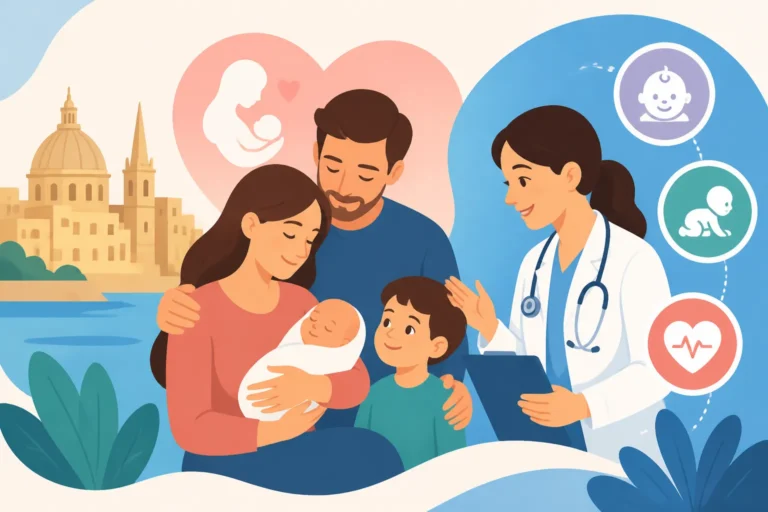
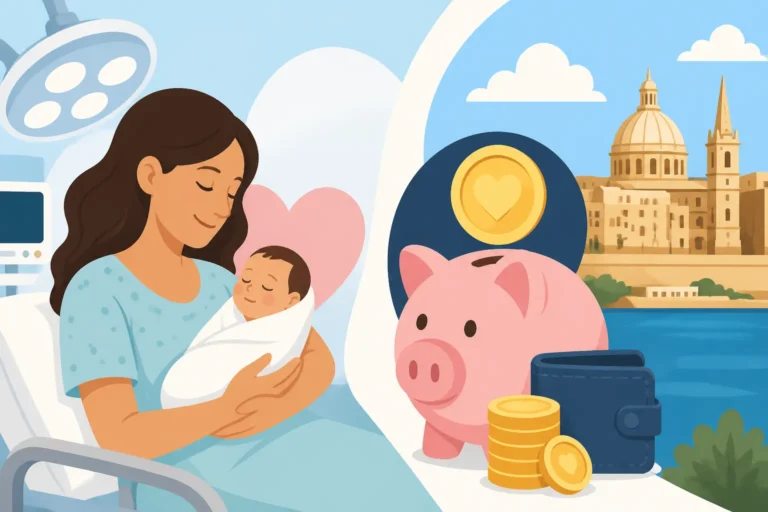
Malta is a very family-oriented culture, and this is reflected in the healthcare coverage for mothers and children. If you are entitled to public care, pregnancy and childbirth are entirely free. This includes all your antenatal appointments, scans at Mater Dei, the birth itself, and postnatal care.
The standard of care is high, though the experience is very "clinical." You will likely see different midwives and doctors throughout the process rather than a single dedicated person. For those who want more continuity, private maternity care is a popular, albeit expensive, alternative.
Well-Baby Clinics and Vaccinations
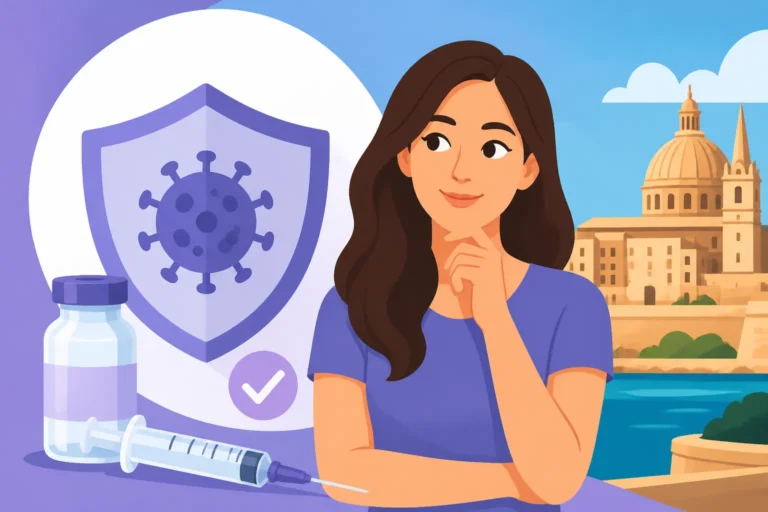
After the baby is born, the public system continues to provide support through well-baby clinics. These clinics monitor the child's growth and development. Most importantly, the national immunization schedule is provided free of charge. This covers all the essential childhood vaccines. Many expat parents breathe a sigh of relief when they realize they don't have to pay for these expensive vaccine courses.
Paediatric Care
Children also have access to free GP services and specialist paediatric care at Mater Dei. While the waiting lists for specialists can still be an issue, urgent paediatric cases are usually fast-tracked. The sense of security knowing your child is covered for any major illness is one of the best parts of living in Malta.
Final Considerations for Newcomers
Navigating the Maltese public healthcare system is a bit like learning to drive here—it’s chaotic at first, but once you know the "unwritten rules," it works surprisingly well. The key is to get your administrative ducks in a row as soon as possible. Get your ID card, ensure your employer is paying your social security, and register with your local health centre.
While the public coverage is extensive, it isn't a silver bullet. The gaps in dental care, the long waiting lists for specialists, and the lack of coverage for acute medications mean that you should still be prepared for some medical expenses. For many of us, a combination of public entitlement and a flexible international plan like SafetyWing offers the best of both worlds. It covers the gaps and gives you the freedom to seek private care when the public waiting lists are just too long. Malta will take care of you in a crisis, but for the day-to-day maintenance of your health, a little extra preparation goes a long way.
Medical Disclaimer
The information provided in this article is for general informational purposes only and does not constitute professional medical or legal advice. Healthcare regulations and entitlement criteria in Malta are subject to change. Always consult with the Maltese Ministry for Health, the Entitlement Unit, or a qualified medical professional regarding your specific health needs and eligibility for public services.