Can I Get Breastfeeding Support Through Maltese Healthcare?
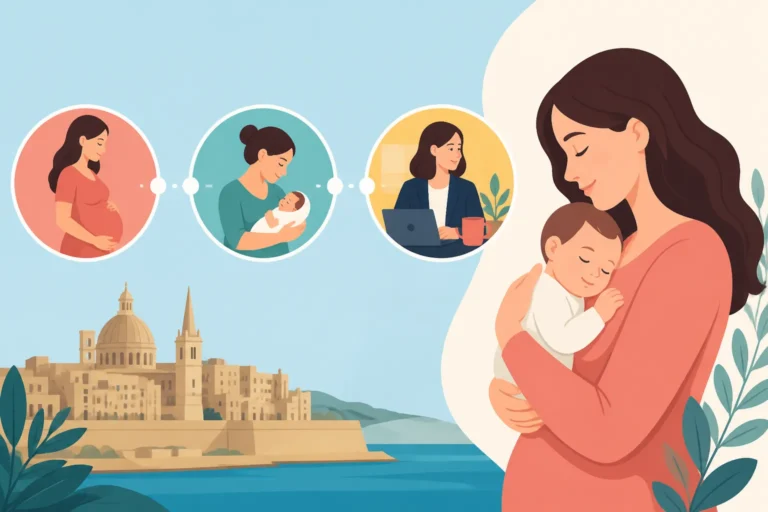
Bringing a new baby into the world is an incredible journey, but for expat parents in Malta, the initial weeks and months can feel particularly isolating when you're trying to figure out something as fundamental as breastfeeding. I remember feeling completely overwhelmed with my first, thousands of miles from my usual support network, and just wishing I knew where to turn for help. This guide will walk you through the various avenues for breastfeeding support available through Maltese healthcare, both public and private, to help you feel more confident and connected.
Navigating Initial Breastfeeding Support in Malta's Public System
The Maltese public healthcare system does offer foundational support for new mothers, starting even before your baby arrives. It’s designed to provide a baseline of care, though sometimes you might need to actively seek out specific resources.
Antenatal Preparation and Early Postnatal Care
During your pregnancy, you'll be attending antenatal clinics, usually at your local Health Centre or Mater Dei Hospital, depending on your care pathway. This is your first opportunity to inquire about breastfeeding preparation. Midwives and doctors often cover basic breastfeeding information in antenatal classes, which are usually free or very low-cost if offered through the public system. These classes typically cover the benefits of breastfeeding, latching techniques, and common challenges. It’s a great starting point, though sometimes the information can feel a bit general.
Once your baby is born, if you deliver at Mater Dei Hospital, the midwives on the maternity ward are generally very proactive in assisting new mothers with breastfeeding in those crucial first hours and days. They are trained to help with initial latch, positioning, and addressing any immediate concerns like engorgement or pain. They’ll usually encourage skin-to-skin contact right after birth, which is fantastic for initiating breastfeeding. Post-discharge, you'll typically have follow-up visits with community midwives who can offer further support at home. These visits are vital for checking on both mother and baby, and for continuing to address any breastfeeding issues. This ongoing support at home can be incredibly reassuring when you're navigating those first few weeks. For a more comprehensive look at the journey, you might want to read our guide on Maternity Care in Malta: Antenatal Visits, Birth, and the Maternity Benefit.
The Role of Midwives and Nurses in Public Healthcare
Midwives are truly at the forefront of breastfeeding support within the public system. From the moment you step into the antenatal clinic to your postnatal home visits, they are your primary point of contact. They can offer practical advice, demonstrate techniques, and assess your baby's latch. While they are incredibly knowledgeable and experienced, their time can sometimes be stretched thin, especially in busy clinics or hospital wards. Don't be afraid to ask questions, even if you feel like you're asking the same thing repeatedly; it's their job to support you.
Health centre nurses, particularly those involved with well-baby clinics, also play a supportive role. They monitor your baby's weight and development and can offer basic breastfeeding advice. If they identify more complex issues, they might refer you for further assistance, though specialist lactation consultant referrals within the public system can sometimes be harder to come by or involve longer waiting lists. The continuity of care you receive from your local health centre and its staff is a cornerstone of the Maltese public health approach, so building a good rapport with them can be very beneficial.
Ongoing Community-Based Breastfeeding Support
Beyond the initial hospital and home visits, Malta offers several avenues for continued breastfeeding support, both through the public health system and via dedicated community initiatives. These can be lifesavers when you're settling into a routine and new questions inevitably arise.
Health Centres and Well-Baby Clinics
Your local Health Centre is your hub for ongoing support for your baby's first year and beyond. This is where you'll attend Well-Baby Clinics in Malta, which are crucial for monitoring your baby’s growth, vaccinations, and general health. During these visits, nurses are available to weigh your baby, check milestones, and also discuss feeding. They can offer advice on maintaining milk supply, dealing with minor latch issues, and understanding your baby’s feeding cues.
These clinics are excellent resources for general paediatric care and preventive health. While the nurses may not be specialised lactation consultants, they have a wealth of experience with common breastfeeding challenges and can provide reassurance and practical tips. They are also adept at identifying when a problem might be beyond their scope and could suggest seeking more specialised help. For a broader understanding of how these services fit into your child's overall health journey, our guide on Children's Health in Malta: Well-Baby Clinics, Vaccinations, and School Health offers more details. It’s important to remember that consistency is key; regular visits help build a relationship with the healthcare professionals, making it easier to discuss any concerns you might have.
Lactation Consultants and Support Groups Public/NGO
Finding a dedicated, publicly funded International Board Certified Lactation Consultant (IBCLC) in Malta can sometimes feel like searching for a needle in a haystack. While some midwives and nurses have advanced training, full-time IBCLCs are more commonly found in the private sector or through non-governmental organisations (NGOs). However, there are some invaluable resources available that bridge this gap.
One of the most prominent organisations offering free or low-cost breastfeeding support is the Breastfeeding Support Group Malta. This fantastic NGO provides invaluable peer support, helplines, and regular meetings where you can connect with other mothers and experienced volunteers. They often have trained peer counsellors who can offer practical advice and emotional support, which, let's be honest, is just as important as technical advice when you're feeling sleep-deprived and overwhelmed. They are a true godsend for expat mothers, as they often have English-speaking volunteers and provide a welcoming, non-judgmental space to share experiences. While they might not be able to diagnose complex medical issues, they can certainly help with common breastfeeding hurdles and provide a sense of community. Checking their social media pages or website for meeting times and contact details is highly recommended. These groups can be a lifeline, providing a sense of solidarity and practical tips from others who have truly "been there."
When Private Options Come into Play: Lactation Consultants and Beyond
While the public system provides essential care, many expats find themselves turning to private options for more specialised, immediate, or intensive breastfeeding support. This is often due to the perceived longer waiting times in the public sector or the desire for more personalised, in-depth consultations.
The Private Route for Specialist Help
Malta has a growing number of private International Board Certified Lactation Consultants (IBCLCs) and other healthcare professionals who offer dedicated breastfeeding support. These professionals can provide one-on-one consultations, either at their clinics or, very conveniently, in the comfort of your own home. This can be particularly beneficial for new mothers who are struggling with mobility, or who simply prefer the privacy and ease of a home visit with a newborn.
A private lactation consultant can spend extended time with you, observing feeds, addressing complex latch issues, helping with milk supply problems, managing pain, and providing tailored feeding plans. They are highly trained and specialise exclusively in lactation. While there is a cost involved, many mothers find the investment worthwhile for the peace of mind and effective solutions they receive. Fees for private lactation consultations can vary, but generally, you can expect to pay anywhere from €50 to €150 per session, sometimes more for home visits or extensive follow-up. Websites and expat forums are good places to find recommendations for English-speaking private consultants. When you're searching, always look for an IBCLC qualification, as this signifies the highest standard of professional lactation care.
Considering Private Health Insurance for Maternity and Lactation
For expats, especially those from outside the EU/EEA, having private health insurance is often a requirement for their residence permit. But even if it's not mandatory, it can be a real asset, especially around maternity and postnatal care. While basic maternity hospital care is often covered by most comprehensive plans, the coverage for specific lactation consultation services can vary greatly.
Some premium private health insurance policies might include benefits for specialist consultations, which could extend to private lactation consultant fees. However, this is not a given, and it's crucial to check the specifics of your policy before you need the service. Don't assume anything! Contact your insurance provider directly and ask very clear questions about what is covered under "maternity care," "postnatal care," and "specialist consultations" concerning lactation support. Providers like SafetyWing, which cater specifically to digital nomads and expats, often have flexible plans, but even with them, you'll need to carefully review the terms regarding maternity benefits and specialist care. Our article on Choosing a Private Health Insurer in Malta: Cover, Costs, and Claims offers more details on what to look for in a policy. Remember, investing in a robust private health insurance plan can potentially give you quicker access to specialists and a wider range of services, making your expat journey smoother, especially during such a critical time. For more general information about private options, check out Private Healthcare and Insurance in Malta: When You Need Cover.
Practical Tips and Resources for Breastfeeding Expats
Navigating breastfeeding in a new country can throw up unexpected challenges, from language barriers to cultural differences in feeding practices. Having some practical strategies and knowing where to find your tribe can make all the difference.
Finding English-Speaking Support and Community
One of the most significant hurdles for expats, even in an English-speaking country like Malta, is finding support in their native language or a language they are most comfortable with. Thankfully, English is widely spoken in Malta, especially in the medical community. Most healthcare professionals, from midwives to private lactation consultants, will be able to communicate effectively in English.
However, the emotional nuances of breastfeeding challenges often benefit from support that transcends mere communication. This is where expat groups and online communities become invaluable. Facebook groups like "Malta Mums" or specific breastfeeding groups for expats are fantastic resources. They offer a platform to ask questions, share experiences, and receive peer advice from others who understand your unique situation as a foreigner. These groups often compile lists of recommended English-speaking lactation consultants, paediatricians, and other baby-related services. Beyond online, attending any local breastfeeding support group meetings (even if organised by NGOs like the Breastfeeding Support Group Malta) can connect you with other English-speaking mothers, creating a vital real-world support network. Building a community around you can significantly ease the feeling of isolation that often accompanies early parenthood abroad.
Common Challenges and How to Address Them
Breastfeeding, while natural, isn't always easy, and expats can face additional challenges. Here are some common ones and how to approach them in Malta:
- Latching Difficulties: This is perhaps the most common initial hurdle. If you're struggling, don't delay seeking help. In the hospital, insist on midwife assistance with every feed if needed. Post-discharge, contact your community midwife or a private IBCLC immediately. Early intervention is key to preventing pain and ensuring adequate milk transfer.
- Perceived Low Milk Supply: Many mothers worry about not having enough milk. Focus on frequent feeding (8-12 times in 24 hours), ensuring good latch, and looking for signs of adequate intake (wet nappies, weight gain). Your health centre nurse or lactation consultant can assess this properly. Avoid supplementing with formula unless medically necessary, as this can inadvertently decrease your supply.
- Painful Feeding/Nipple Damage: This is almost always a sign of a poor latch. It is NOT normal for breastfeeding to hurt beyond some initial tenderness. Seek help from a midwife or IBCLC to correct the latch. Nipple creams can provide temporary relief, but fixing the underlying issue is paramount.
- Engorgement: Common in the first few days post-birth as your milk comes in. Frequent feeding, warm compresses before feeding, and gentle massage can help. If severe, a lactation consultant can guide you on hand expression techniques.
- Returning to Work: Malta has provisions for maternity leave and parental leave, but when you return to work, maintaining breastfeeding might require pumping. Plan ahead and discuss options with your employer. Public health nurses can offer advice on storage and maintaining supply.
- Feeling Isolated: This is where community groups, both online and in person, become your best friend. Don't be afraid to reach out. Sharing your struggles with other mothers can be incredibly validating and lead to practical solutions and friendships. Even if you're not looking for a "therapist," finding someone you can talk to in English about these deeply personal experiences is paramount. While this isn't a guide about mental health specifically, you might find our article How Do I Find an English-Speaking Therapist in Malta? useful for understanding how to access English-speaking professionals generally.
Remember, breastfeeding is a journey, and every mother and baby pair is unique. Be patient with yourself, celebrate the small victories, and don't hesitate to seek support when you need it. There are resources available in Malta designed to help you succeed.
Public vs. Private Breastfeeding Support in Malta
Here's a quick overview comparing the public and private options for breastfeeding support in Malta:
| Feature | Public Healthcare System | Private Healthcare / IBCLCs |
|---|---|---|
| Availability | Antenatal classes, hospital midwives, community midwives, Health Centre nurses, Well-Baby Clinics. | Individual IBCLC consultants, private clinics. |
| Cost | Generally free at the point of use (covered by social security/entitlement). | Fees per consultation (e.g., €50-€150+ per session). |
| Specialisation | General breastfeeding advice, initial latch support, basic problem-solving. | Highly specialised, in-depth latch assessment, complex problem-solving, feeding plans. |
| Waiting Times | Generally immediate in hospital, possible waits for specific follow-ups or referrals. | Often quicker appointments, more flexible scheduling. |
| Personalisation | Group classes, general guidance. | One-on-one, tailored support, home visits often available. |
| Coverage by Insurance | Covered if entitled to public healthcare. | May be covered by some comprehensive private health insurance plans (check your policy, e.g., SafetyWing). |
| Language | Most staff speak English. | Usually fluent in English, often with expat-friendly approach. |
| Community Support | Less formalised within the public system, but NGOs like Breastfeeding Support Group Malta fill this gap. | Often associated with expat networks or private referral systems. |
Disclaimer
Please remember that the information provided in this guide is for general informational purposes only and does not constitute medical advice. While we strive to provide accurate and up-to-date information, healthcare guidelines and services can change. Always consult with a qualified healthcare professional, such as your doctor, midwife, or a certified lactation consultant, for any health concerns or before making any decisions related to your health or the health of your baby.