Is Healthcare Really Free at the Point of Use in Malta?
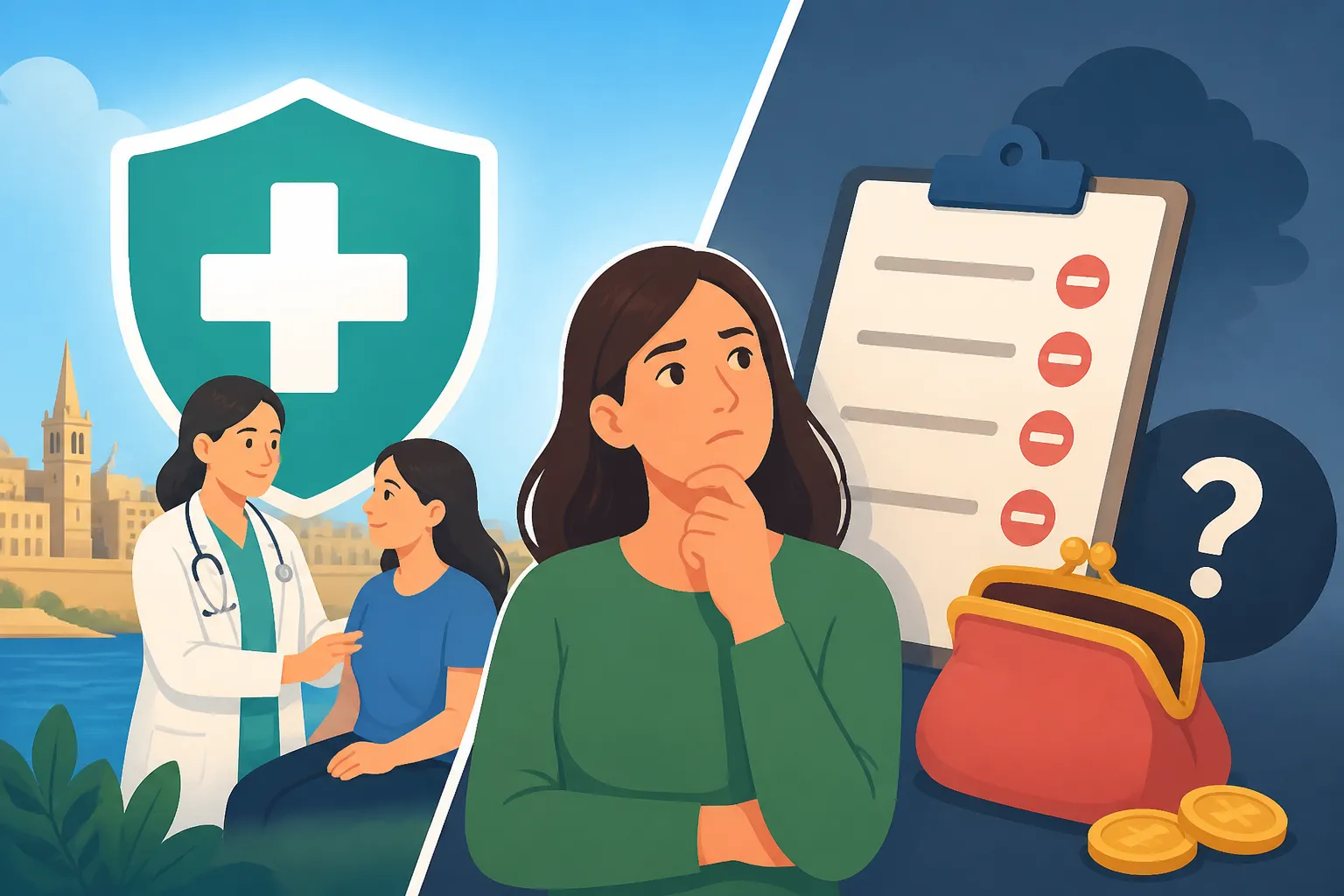
One of the biggest misconceptions newcomers have when landing at Luqa airport is that they can simply walk into any medical building and receive care without opening their wallet. I remember my first month in Sliema, clutching a sore throat and a box of tissues, only to be baffled when the pharmacy doctor asked for twenty euros upfront. This guide clarifies exactly when "free" applies and where you will be expected to pay in the Maltese medical landscape.
Understanding the Foundation of Public Health Entitlement
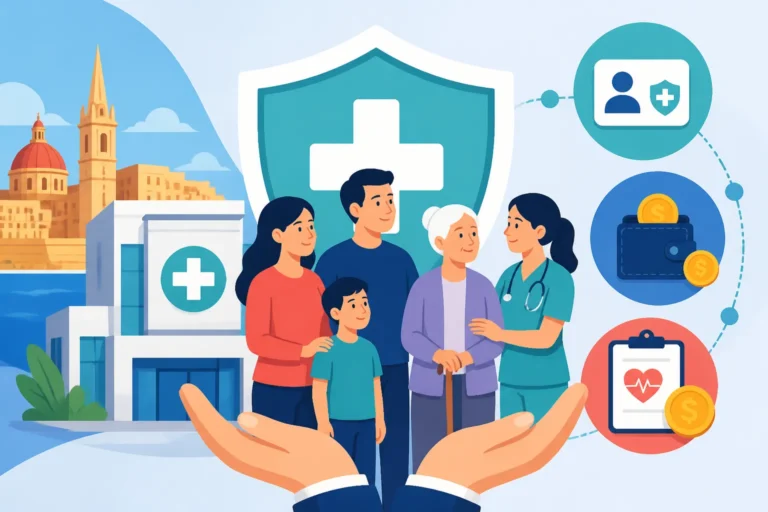
The short answer to the question of whether healthcare is free in Malta is: yes, but only if you are "entitled" and only within the public system. Unlike some systems where residency alone grants you access, Malta ties its public healthcare benefits directly to your social security contributions. If you are employed or self-employed and paying your Class 1 or Class 2 contributions, you have essentially paid your "entry fee" into the system. However, the paperwork doesn't happen automatically. You have to prove this status to the authorities before you can access care without a bill.
For many of us moving here, the first hurdle is The Entitlement Unit: Sorting Out Your Right to Treatment in Malta. Until you have your eResidence card and have registered with this unit, you are technically in a gray area. If you show up at a public health centre without your ID card or a certificate of entitlement, the staff may be required to bill you as a "non-resident," which can lead to a stressful exchange at the reception desk. This is why many expats choose to carry a bridge policy like SafetyWing during their first few months, ensuring that any sudden illness doesn't result in a massive out-of-pocket expense while waiting for the Maltese bureaucracy to process their papers.
It is also vital to distinguish between public and private facilities. In Malta, the line is very sharp. If you go to a public Health Centre (Berġa) or the main hospital, Mater Dei, the service is free at the point of use for entitled residents. If you go to a private clinic, a private hospital like St. James, or even the small clinic in the back of your local pharmacy, you are using the private system. In the private sector, nothing is free. You will pay for the consultation, any tests, and any follow-up appointments out of your own pocket or through your insurance provider.
What is Truly Free in the Public System
If you are a registered resident paying social security, or if you are an EU national with a valid S1 form, the public system offers a wide range of services that cost nothing at the moment you receive them. The "Hero" of this system is Mater Dei Hospital. From specialist surgeries to oncology and emergency trauma care, the level of care is world-class and, for entitled patients, completely free of charge. You won't see a bill for your bed, your meals, your nursing care, or the high-tech scans required for your diagnosis.
In addition to hospital care, the network of regional health centres provides free primary care. You can find more details in the guide to Registering with a Health Centre and Choosing a GP in Malta. These centres are open 24/7 in some locations and offer everything from GP consultations and blood tests to wound dressing and immunizations. When you visit a public health centre, you simply present your ID card, wait your turn, and walk out after your consultation without visiting a cashier.
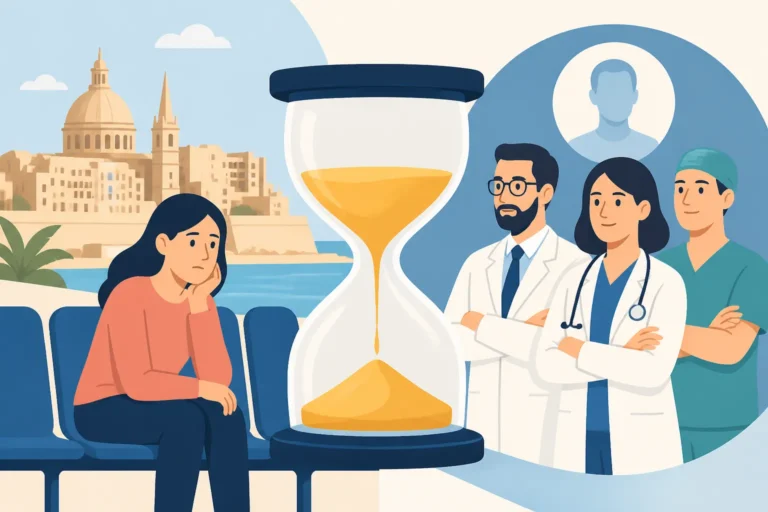
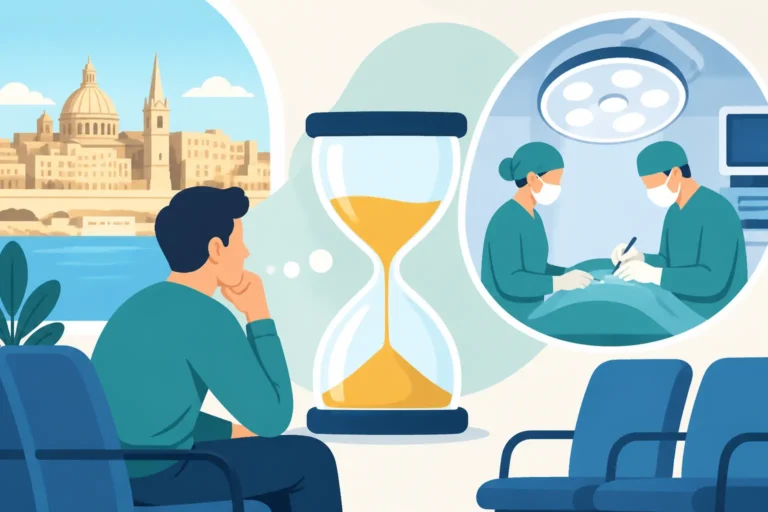
However, the "free" aspect often comes with a different kind of cost: time. Because the public system is free, it is also very busy. For non-urgent issues, you might find yourself waiting several hours in a health centre waiting room or several months for a specialist appointment. This is the reality of the system that every expat eventually learns. While Emergency Medical Care in Malta: 112, A&E, and Urgent Help is prioritized and fast, a routine specialist referral can be a test of patience. For those who can't afford to wait, private insurance like SafetyWing or local Maltese plans often provide a faster alternative by allowing access to private specialists who can see you within days.
The Costs That Most People Forget to Budget For
Even if you are fully entitled to the public system, there are several areas where healthcare is definitely not free. The most prominent of these is dental care. For the vast majority of adults in Malta, dental work is a private expense. While there is a public dental clinic at Mater Dei, its remit is generally limited to emergencies, extractions, or care for specific vulnerable groups. If you need a filling, a crown, or a routine cleaning, you will be heading to a private dentist and paying the market rate.
Prescription medication is another area where the "free" rule has many layers. Malta operates a system where certain chronic medications are free for everyone, regardless of income, under what is known as "Schedule V" or the "Yellow Card" system. However, for acute illnesses—like a one-off course of antibiotics for a chest infection or painkillers for a back strain—you will usually have to pay the full price at the pharmacy. Even if a public doctor writes the prescription, you take that slip to a private pharmacy and pay for the meds.
| Service Category | Public System (Entitled) | Private System |
|---|---|---|
| Emergency A&E | Free | Not Applicable (Major trauma goes to Public) |
| GP Consultation | Free (at Health Centres) | €15 – €35 (at Pharmacy/Private Clinic) |
| Specialist Consultation | Free (with long wait) | €60 – €150 |
| Major Surgery | Free | €3,000 – €15,000+ |
| Dental Cleaning | Limited/Not Available | €40 – €70 |
| Routine Blood Tests | Free | €30 – €100 |
| Prescription (Acute) | Pay at Pharmacy | Pay at Pharmacy |
| Prescription (Chronic) | Free (via POYC) | Pay at Pharmacy (unless using POYC) |
For those managing long-term conditions, it is worth researching The POYC Pharmacy of Your Choice Scheme: How to Collect Free Medicines. This scheme allows you to collect your government-funded chronic medications from your local village pharmacy rather than trekking to a central hospital depot. But remember, to get on this scheme, you need a consultant from the public system to sign off on your condition, which brings us back to the waiting list issue.
Why Expats Often Choose to Pay Anyway
After living in Malta for a while, you will notice a strange phenomenon: even though the public GPs are free, almost everyone—Maltese and expats alike—will occasionally pay €20 to see a doctor in the back of a pharmacy. Why? Because the public health centres operate on a "walk-in" basis for GPs, which can mean sitting in a plastic chair for three hours next to a coughing toddler. In contrast, you can usually call your local pharmacy, book a slot for 5:00 PM, and be seen within ten minutes.
This "pay-for-convenience" model is a staple of Maltese life. If you have a minor ailment and need a sick note for work, the pharmacy doctor is the standard route. You can learn more about this in our article on How to Get a Sick Certificate from a Doctor in Malta. While it isn't "free," the cost is low enough that most working professionals consider it a worthwhile trade-off for their time.
For more significant issues, the choice becomes more complex. If you are told you need an MRI and the public waiting list is four months, but you are in pain now, you might choose to pay €200 to have it done privately the next day. This is where having a reliable international insurance provider like SafetyWing becomes a massive advantage. It gives you the financial freedom to opt-out of the public waiting line when your health or comfort is at stake. Many nomads and remote workers find that SafetyWing provides the perfect middle ground—covering the big emergencies and allowing for private care when the public system is too slow, without the heavy price tag of a full-blown local private plan.
Eligibility Nuances for Non-EU Residents
If you are moving to Malta from outside the European Union, the "free" question has a much stricter answer during your initial period. Most non-EU residents are required to have private health insurance as a condition of their visa or residence permit. You can find the specifics in our guide on Private Health Insurance Requirements for Non-EU Permit Holders in Malta. For these individuals, healthcare is only "free" once their Single Permit is issued and they have started paying social security.
Even then, some permit types—like the Nomad Residence Permit in Malta—specifically exclude holders from the public health system. If you are here on a Nomad visa, you are expected to be self-sufficient and rely entirely on private healthcare. In this scenario, nothing is free at the point of use unless your insurance covers it directly. This is a critical point that many people miss in the fine print of their application. Using a flexible provider like SafetyWing is often the most cost-effective way for nomads to meet the government's insurance requirements while still having real-world protection.
Finally, it is worth noting that for anyone, regardless of status, Emergency Treatment at Mater Dei Free for Everyone in Malta is a general rule of thumb for life-threatening situations. The hospital will stabilize you first and ask questions about payment later. However, if you are not entitled to free care, you will eventually receive a bill in the mail for those emergency services. It is never a "free pass" just because it was an emergency; it is simply a delay in the billing process to ensure life is preserved first.
Summary of the Reality Check
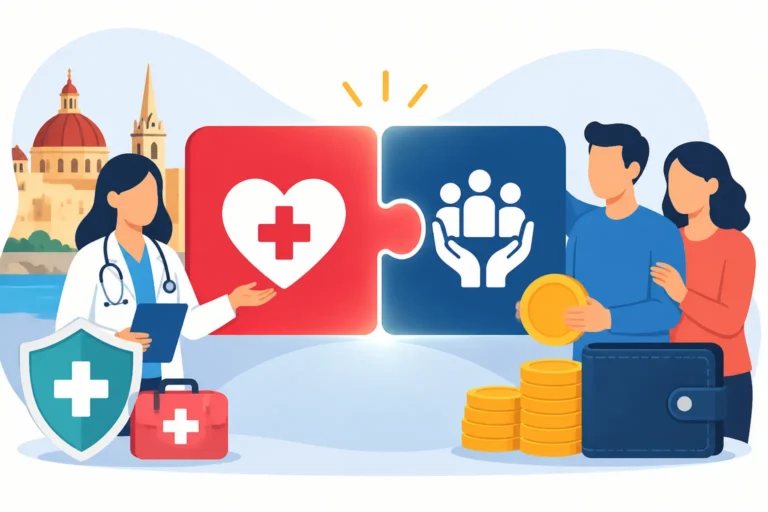
To navigate Malta's healthcare without financial surprises, you have to accept that it is a hybrid experience. You will use the free public system for the "big things"—major surgeries, emergency room visits, and chronic disease management. You will likely use the "paid" private system for the "small things"—quick GP visits, dental checkups, and fast-tracked specialist consultations.
By understanding What Public Healthcare Costs in Malta: Free Services and Paid Extras, you can budget effectively. Don't assume that just because you have a job and an ID card, every medical need is covered. Keep some cash aside for pharmacy visits, be prepared to pay for your own dental care, and consider a policy like SafetyWing to cover the gaps, especially during your first year on the islands. The system is generous, but it is not all-encompassing, and being prepared is the best way to enjoy your new life in the Mediterranean without the stress of unexpected medical debt.
Disclaimer
The information provided in this article is for educational and informational purposes only and does not constitute legal or medical advice. Healthcare regulations and entitlement criteria in Malta are subject to change. Always consult with the Entitlement Unit, Identità, or a qualified legal professional to confirm your specific status and rights. The author is an expat sharing personal experiences and research, not a government official.