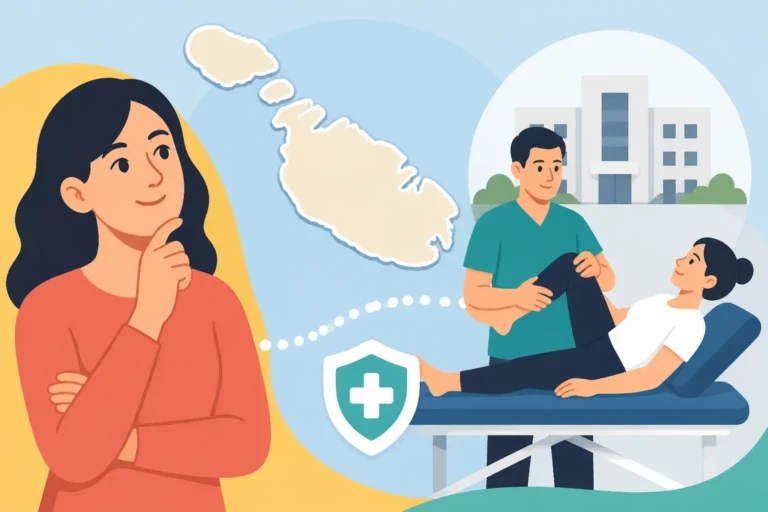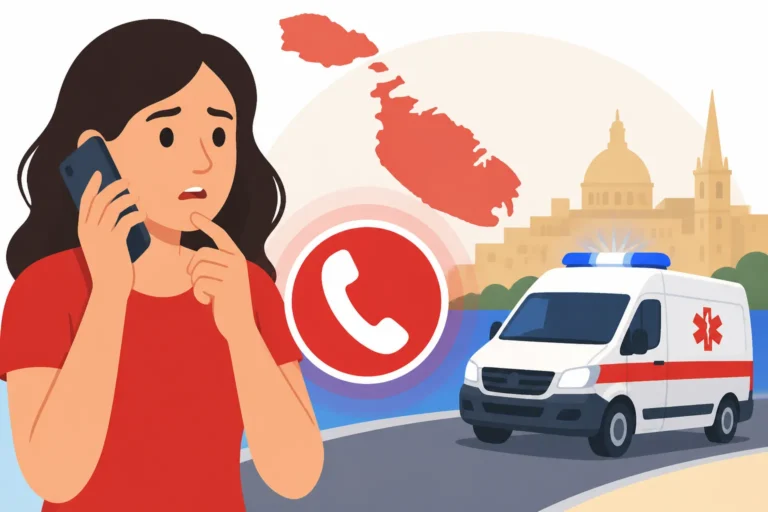
Mental Health Support in Malta: Services, Therapy, and Mount Carmel Hospital
Navigating the mental health system in a new country can feel like wandering through a maze without a map, especially when you are already struggling. I remember the overwhelming anxiety of my first year in Malta, staring at a confusing list of clinics while trying to find someone who truly understood the expat experience. This guide solves that confusion by providing a clear, realistic roadmap to mental health services, therapy options, and the reality of hospital care in Malta.
Understanding the Public Mental Health Framework in Malta
Malta’s public mental health system is integrated into the broader national healthcare framework, meaning it is largely funded through social security contributions. For many expats, this is a relief, but the entry points can be subtle. The system is designed around the concept of "community care," which aims to keep patients supported in their local environment rather than in a hospital setting. However, understanding how to tap into this requires knowing the hierarchy of care.
The Role of Health Centres and GPs
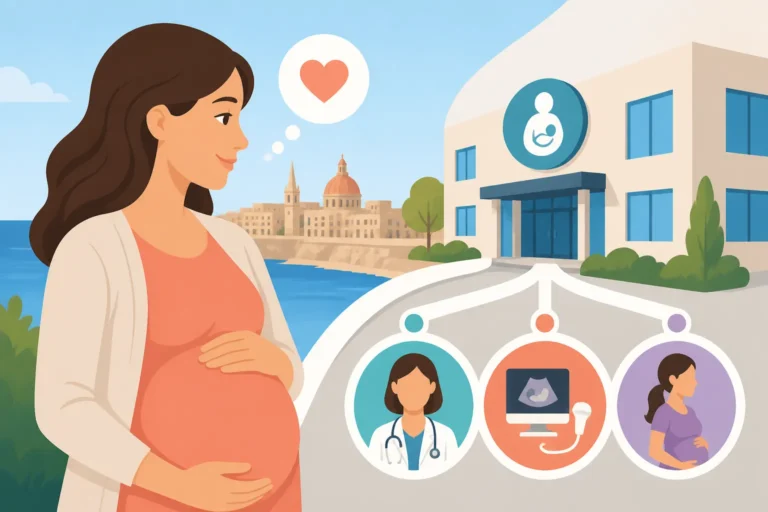
Your first port of call in the public system is almost always a General Practitioner (GP) at one of the local health centres. If you have already gone through the process of Getting Your Maltese ID Card Number: The Key to Accessing Healthcare, you are eligible to visit these centres. You cannot simply walk into a psychiatric clinic; you need a referral. When you sit down with a GP at a centre like the one in Floriana or Mosta, be prepared to be very direct about your mental health needs.
In my experience, the wait times at health centres can be long, and the environment can feel a bit clinical and rushed. However, the GP is the gatekeeper. They will assess whether your needs are "primary" (manageable with basic counseling or medication) or "secondary" (requiring a psychiatrist or specialized mental health nurse). If you are struggling with the transition to island life, don't minimize it. Be honest about your symptoms so they can correctly categorize your urgency. This is a critical step in Finding a Doctor in Malta: GPs, Specialists, and the Referral System who can get you into the specialized psychiatric network.
Specialized Clinics and the Referral Pathway
Once a GP issues a referral, you will likely be directed to a District Mental Health Clinic. These are often tucked away in community settings rather than big hospitals. For instance, the Mrieħel clinic or the various community mental health centres (CMHCs) scattered across the islands provide localized support. Here, you will find multidisciplinary teams including psychiatrists, social workers, and mental health nurses.
The transition from a GP referral to an actual appointment at a community clinic can take several weeks, or even months, depending on the severity of your case. This is a common frustration for expats used to faster private systems. During this waiting period, it is essential to have a backup plan. If your situation is not yet a crisis but requires regular talk therapy, you might find that the public system's focus is more on psychiatric (medication-based) management than long-form psychotherapy. This is one of the many reasons why many residents eventually explore Private Healthcare and Insurance in Malta: When You Need Cover to supplement public offerings.
Psychiatric Outpatient Departments
For more complex cases, the Outpatient Department at Mater Dei Hospital or the specialized outpatient clinics at Mount Carmel Hospital serve as the next level of care. These departments handle everything from bipolar disorder and schizophrenia to severe clinical depression. The specialists here are highly trained, but the volume of patients they see is massive. You may find that your appointments are spaced months apart.
If you are a digital nomad or a frequent traveler, having a flexible plan like SafetyWing can be a lifesaver here, as it allows you to seek private consultations when the public outpatient wait times become untenable. Many expats find that they use the public system for their heavy-duty prescriptions (which can be free under certain schemes) but pay out-of-pocket for a private psychiatrist to ensure continuity of care and more frequent sessions.
Acute and Inpatient Care: Mount Carmel Hospital and Mater Dei
There is a lot of local chatter about Mount Carmel Hospital, and as an expat, it can be scary to hear. It is the national psychiatric hospital, and while the building itself is historic (and, frankly, in need of the ongoing renovations it is receiving), the staff are some of the most dedicated professionals on the island. Understanding when and why you might end up there is vital for peace of mind.
Navigating Mount Carmel Hospital
Mount Carmel Hospital (MCH) in Attard is the primary facility for inpatient psychiatric care. It is divided into various wards based on age, gender, and the nature of the condition. There are acute wards for short-term stabilization and long-term wards for those requiring extended rehabilitation. If you are admitted, the goal is usually stabilization.
For an expat, the environment at MCH can be a culture shock. The facility is old, and the atmosphere is very different from a modern private clinic. However, they have specialized teams for different needs, including substance abuse and geriatric care. One thing to note is that MCH also runs "halfway houses" and community residential homes. If you are recovering from a major episode, the system aims to transition you into these supervised living environments rather than keeping you in the main hospital indefinitely. Understanding How Malta's Public Healthcare Works: Entitlement, Contributions, and Costs is essential here, as long-term inpatient care is covered for those who are fully entitled to the system.
Psychiatric Services at Mater Dei
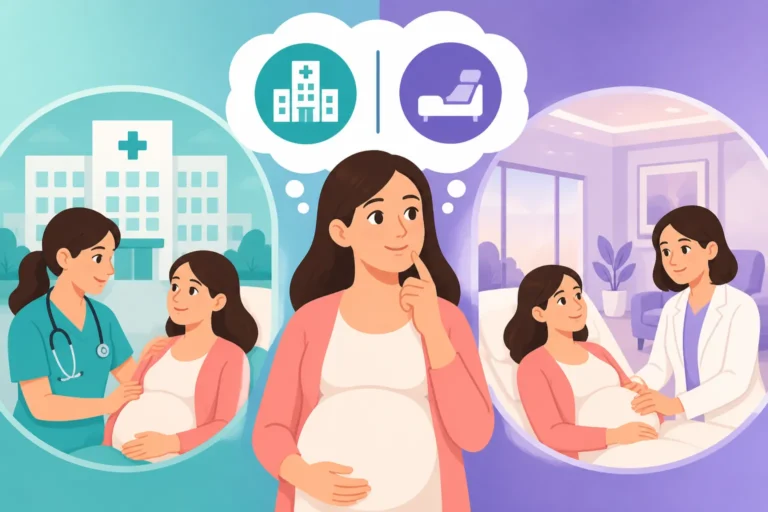
Not all acute mental health care happens at Mount Carmel. Mater Dei Hospital has a dedicated Psychiatric Unit (Ward NP2) which is generally used for patients who have both medical and psychiatric needs, or for those whose stay is expected to be very brief. The environment at Mater Dei is much more like a standard modern hospital.
In a crisis, you would likely be taken to the Accident and Emergency (A&E) department at Mater Dei first. There, a psychiatric liaison nurse or a resident psychiatrist will assess you. Depending on the assessment, you might be admitted to Mater Dei for a few days or transferred to Mount Carmel for longer-term care. This process is often a "I've-been-there" moment of high stress for many, but the medical staff are used to dealing with foreigners and almost always speak excellent English. For more details on the physical layout and what to expect at the main hospital, see our guide on Mater Dei and Beyond: A Guide to Malta's Public Hospitals and Health Centres.
The Reality of Inpatient Stays
Being an inpatient in a Maltese psychiatric ward means adapting to a strict routine. Visiting hours are regulated, and your access to personal items (like phones or laptops) may be restricted initially for safety reasons. It can feel isolating, especially if your family is back in your home country.
This is where having a support network on the island becomes invaluable. If you are here on a specific visa, such as the Nomad Residence Permit, ensure you know the terms of your Healthcare on a Visa-Based Permit in Malta: Nomads, Retirees, and Investors status. Some private international plans, like SafetyWing, offer coverage that might include private room upgrades or even medical evacuation in extreme cases, though public hospital care is the standard for emergencies.
Private Therapy and Counseling Options
Because of the wait times in the public sector, the majority of expats in Malta eventually turn to private therapy. The private sector is vibrant, with many therapists specializing in "Expat Syndrome"—the specific set of mental health challenges that come with moving to a new culture.
Finding an English-Speaking Therapist
One of the best things about Malta is that nearly all mental health professionals are fluent in English. You won't have to worry about a language barrier when discussing your deepest feelings. However, "finding a fit" is still a personal journey. Many therapists work out of private clinics in Sliema, St. Julian's, or Naxxar.
When searching, look for practitioners registered with the Malta Psychology Profession Board (MPPB) or the Malta Association for the Counselling Profession (MACP). There are several large private multi-disciplinary clinics, such as those in Ta' Xbiex, where you can find psychologists, psychotherapists, and psychiatrists under one roof. If you are wondering How Do I Find an English-Speaking Therapist in Malta? or similar logistical questions, start by checking online directories like the Yellow Pages Malta or expat-focused Facebook groups, which often have "tried and tested" recommendations.
Costs and Private Insurance Considerations
Private therapy in Malta is generally more affordable than in the UK or the US, but it is not "cheap." A standard session with a psychotherapist usually ranges from €40 to €70. If you require a private psychiatrist (who can prescribe medication), the initial consultation can be anywhere from €80 to €150, with follow-ups being slightly less.
This is where your insurance choices matter. Standard local private insurance often has very limited mental health coverage—sometimes only covering a few sessions or only inpatient care. However, international providers like SafetyWing are becoming increasingly popular among the expat community because they often provide more robust options for outpatient mental health support. If you are moving here for the long term, it is worth asking: Is Therapy Covered by Maltese Public Healthcare? The answer is yes, but the wait and the lack of "choice" in your therapist often drive people to the private sector.
Comparison of Mental Health Service Routes
| Feature | Public System (Health Centres/MCH) | Private Sector (Clinics/Individual) | NGO Sector (Richmond/Victim Support) |
|---|---|---|---|
| Cost | Free (if entitled) | €40 – €150 per session | Free or Donation-based |
| Access Speed | Slow (Weeks to Months) | Fast (Days to a Week) | Moderate |
| Referral Needed? | Yes, from a GP | No, can self-refer | Usually no |
| Continuity | May see different doctors | High continuity with one therapist | High, but often time-limited |
| Medication | Prescribed and often free | Prescribed (pay full price) | Cannot prescribe |
Crisis Intervention and Immediate Support
If you or someone you know is in immediate danger, Malta has several "fast-track" options. You do not need to wait for a GP appointment if you are in a crisis.
The 1579 National Helpline
In recent years, Malta launched the 1579 helpline, which is a 24/7 national service dedicated to mental health. It is staffed by professionals who can provide immediate psychological support and guide you to the right emergency services. This is a vital resource for expats who may feel alone in the middle of the night. The service is free and available in both Maltese and English.
Another excellent resource is the 179 helpline, which is a more general support line for people in distress, including victims of domestic violence or those struggling with loneliness. For younger expats or students, "Kellimni.com" offers a chat-based service that is very effective for those who find it difficult to speak over the phone.
Emergency Psychiatric Services (A&E)
If the situation is life-threatening, the only real option is the A&E at Mater Dei. When you arrive, you should tell the triage nurse immediately that it is a "psychiatric emergency." They have a specialized area to keep patients safe while they wait for the psychiatric team on duty.
It is worth noting that if you are a digital nomad or an expat on a temporary stay, your international insurance, such as SafetyWing, will typically cover the costs of emergency stabilization at a hospital. While public emergency care is theoretically free for everyone at the point of use in Malta, having your insurance details ready can help with the administrative side of things later on. For more on emergency logistics, read our guide on Emergency Medical Care in Malta: 112, A&E, and Urgent Help.
Community-Based Support and NGOs
Malta has a very strong NGO sector that fills the gaps between public and private care. These organizations often provide the most "human" side of mental health support on the island.
Richmond Foundation
The Richmond Foundation is the "gold standard" for mental health NGOs in Malta. They offer a staggering array of services, from assisted living to employment support for those with mental health conditions. One of their most famous initiatives is the "Gift of Therapy," which provides free or low-cost counseling sessions to those who cannot afford private care.
They also run "Villa 85," a residential facility for people with mental health challenges, and various community outreach programs. If you are feeling isolated, their support groups can be a great way to meet others who understand the struggle. They are a massive part of why the question How the Specialist Referral System Works in Malta's Public Hospitals sometimes has a "third way" via NGO support.
Victim Support Malta and Specialized Care
If your mental health struggles are the result of a specific trauma, such as a crime or domestic abuse, Victim Support Malta (VSM) is an incredible resource. They provide specialized, free therapy and legal guidance. Similarly, organizations like "Fondazzjoni OASI" in Gozo and "Caritas" in Malta provide excellent support for those struggling with addiction-related mental health issues.
For those living on the sister island, the experience can be slightly different. You will want to check out Healthcare in Gozo: Gozo General Hospital and Inter-Island Transfers to see how mental health services are bridged between the two islands. Often, specialized psychiatric care still requires a trip to the main island.
Navigating the Administrative Side of Care
Mental health isn't just about therapy; it's also about the logistics of medication and long-term management. Malta has specific administrative hurdles that can be confusing for newcomers.
Prescriptions and Chronic Condition Benefits (Schedule V)
If you have a chronic mental health condition—such as depression that requires long-term medication, bipolar disorder, or ADHD—you may be eligible for the "Yellow Card" (Schedule V). This entitles you to free medication through The POYC Pharmacy of Your Choice Scheme: How to Collect Free Medicines system.
To get this, a consultant psychiatrist (usually from the public sector) must fill out a specific application. Once approved, you are issued a card, and you can collect your monthly meds at a local pharmacy of your choice. This can save you hundreds of euros a year. Even if you see a private psychiatrist, you can often take their recommendation to a public health centre GP to start the process of How to Register for Health Entitlement with the Entitlement Unit in Malta to get your Yellow Card.
Online Tools and myHealth Access
The Maltese government has moved many health services online via the "myHealth" portal. Once you have your eID, you can log in to see your lab results, your upcoming appointments, and even link your private doctor to your public records. This is incredibly helpful for maintaining a coherent "medical story" if you are moving between private therapists and public psychiatrists.
Using these tools is part of the broader process of Booking Appointments and Using myHealth Online in Malta. It helps take the "mystery" out of the system. Instead of waiting for a letter in the mail that might get lost in a Maltese apartment block's common area, you can see your status online.
Summary Checklist for New Arrivals
Navigating this can be a lot. Here is a quick checklist of what I wish I had known in my first month:
- Register for your ID card: You can't access much without it.
- Locate your local Health Centre: Know where to go for that initial GP referral.
- Keep your "Home" records: If you have a history of mental health care, bring translated copies of your records to give to your new doctor.
- Check your insurance: Does your current plan, like SafetyWing, cover a private psychiatrist if the public wait is too long?
- Save the emergency numbers: 1579 and 112 should be in your phone.
Living in Malta is a dream for many, but the sun and sea don't cure clinical mental health issues. Being proactive and understanding the system—both its strengths and its bureaucracy—is the best way to ensure your time on the island is as healthy as it is beautiful.
Disclaimer
The information provided in this article is for educational and informational purposes only and does not constitute professional medical or legal advice. While we strive to keep the information up to date, healthcare policies and services in Malta can change. Always consult with a qualified healthcare professional or the relevant Maltese authorities regarding your specific medical needs or legal entitlement to care.