How Do I Get a Parking Spot in Crowded Maltese Towns?
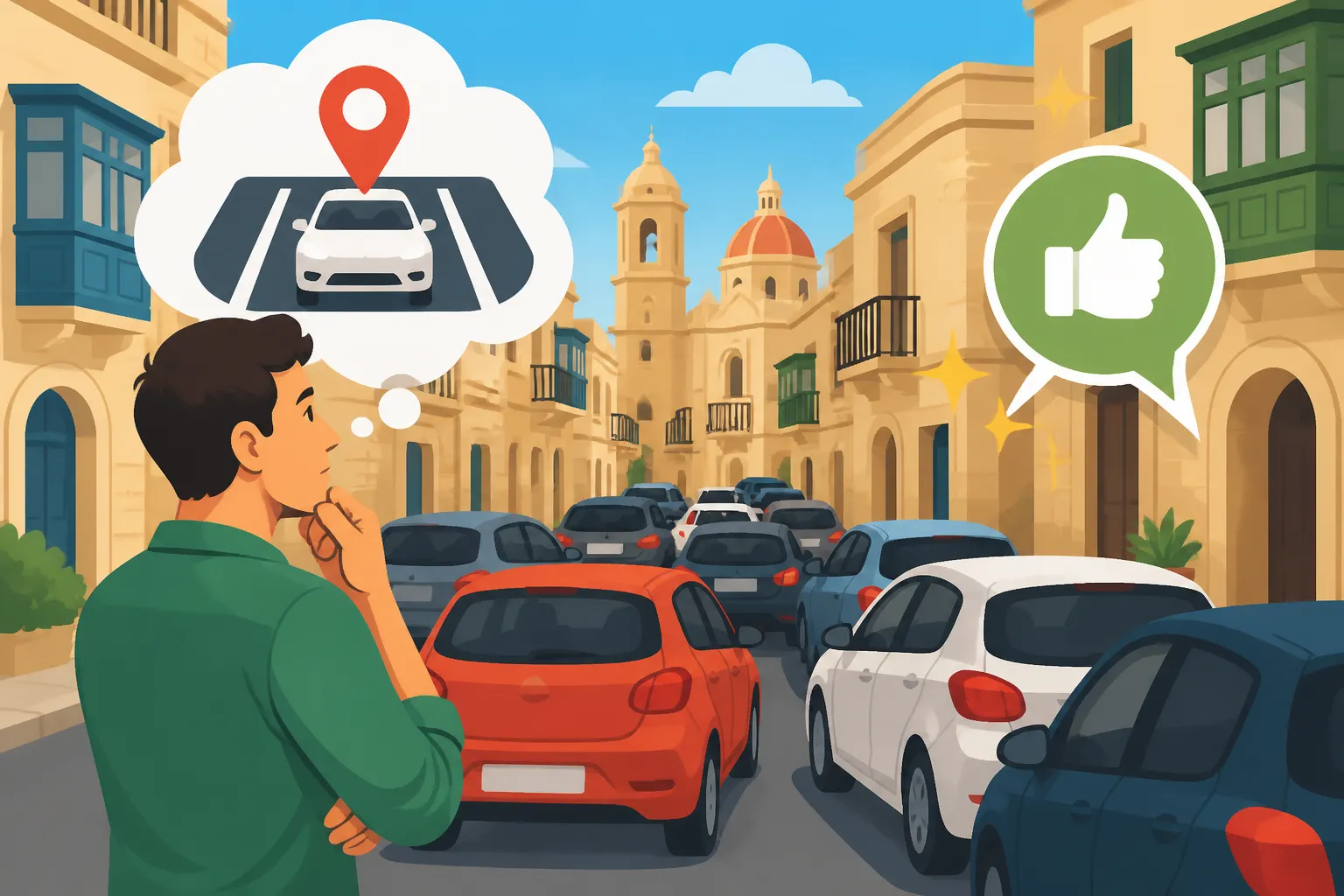
Ah, the eternal Maltese parking predicament! If you’ve spent more than five minutes behind the wheel in any of Malta’s bustling towns, you’ll know that finding a spot can feel like winning the lottery – a rare, exhilarating, and often frustrating experience. This guide is for every expat, tourist, and even long-term resident who has cursed under their breath while circling the block for the fifth time, offering realistic advice and strategies to navigate the tight, car-choked streets of our beautiful island.
Understanding the Maltese Parking Landscape
Let's be brutally honest: Malta wasn't designed for the sheer volume of cars it now has. Our charming, ancient streets, built long before the internal combustion engine was even a twinkle in Henry Ford's eye, simply cannot cope. This historical reality, combined with modern urbanisation, creates a unique and often exasperating parking challenge.
The Sheer Density of Vehicles and Limited Space
Malta holds the unenviable title of having one of the highest car ownership rates in the EU, and when you couple that with its status as one of the most densely populated countries in the world, you start to grasp the scale of the problem. Imagine trying to fit ten elephants into a phone booth – that’s often what it feels like trying to park your average family car in a Sliema side street. Every inch of curb space is precious, every gap is eyed with a predator's intensity. The streets are narrow, residential areas are packed, and the concept of a sprawling car park is often a distant dream outside of major commercial hubs. This isn't just a minor inconvenience; it's a daily grind that can add significant stress and time to even the shortest journey. You might have planned to nip to the shop for milk, but what starts as a five-minute drive can easily turn into a 20-minute parking odyssey.
Parking Zones and Colour Codes
Malta tries to manage its limited parking through a system of colour-coded lines painted on the kerbs. Understanding these is absolutely crucial, because a wrong guess can lead to a hefty fine, or worse, your car being towed. It’s not just about finding a space, it’s about finding a legal space.
Here’s a breakdown of what those colours mean:
| Colour Code | Meaning | Restrictions |
|---|---|---|
| White Line | Unrestricted Parking | Generally free, but often the most difficult to find in busy areas. Check signage for specific time limits, especially in commercial zones. |
| Yellow Line | No Parking / Loading & Unloading Zone | Absolutely no parking allowed. These areas are usually reserved for bus stops, taxi stands, or goods vehicles for short periods. Don't risk it. |
| Double Yellow | No Parking Anytime | Same as single yellow, but usually in more critical areas or intersections. |
| Green Line | Resident Parking Only (Specific Areas) | Reserved for residents with a valid permit. You'll often see specific signs indicating the hours of operation for these zones. Parking here without a permit will result in a fine. |
| Blue Line | Time-Limited Parking (Disc Required) | These are typically found in commercial or central areas. You need a parking disc (usually available from local kiosks or stationary shops) to display your arrival time. Limits vary, often 1-2 hours. |
| Red Line | Controlled Vehicular Access (CVA) Area (Valletta only) | Not a parking line, but important to know. Controls entry to central Valletta during certain hours, charging a fee. Parking inside is usually paid or for residents. |
It’s easy to get these mixed up, especially when you’re driving in a new area. Always look for accompanying signs, as these will often specify hours of operation for resident zones or time limits for blue zones. And trust me, the local wardens are not shy about issuing tickets, so a moment of carelessness can turn into an expensive lesson. This system, while necessary, certainly adds another layer of complexity to the already challenging task of finding a spot.
The Scarcity of Dedicated Parking Facilities
Unlike many larger European cities, Malta doesn't have a huge number of multi-storey car parks or vast underground parking complexes in every town. They exist, yes, primarily in key commercial and tourist areas like Sliema, St. Julian's, and the periphery of Valletta, but they are not as ubiquitous as one might hope. This scarcity means that street parking bears the brunt of the demand, leading to the frantic circling we all know and love.
Even when paid car parks are available, they might be smaller than you’re used to, and filling up quickly is par for the course. For example, in Sliema, while there are a few options like The Point Shopping Mall car park or the one beneath the Fortina Spa Resort, they can get incredibly busy, especially on weekends or during peak shopping hours. If you’re heading to Mater Dei Hospital, they do have a multi-storey car park, but even that can reach capacity, particularly during visiting hours. It often means a mental calculation: how much is my time worth versus the cost of a private car park, versus the risk of a ticket or endless searching?
Strategies for Finding a Parking Spot in Busy Areas
So, how do we conquer this beast? It's not always about brute force; it's often about strategy, a bit of luck, and a willingness to adapt.
Timing is Everything
This is probably the golden rule of parking in Malta. If you try to find a spot in Sliema at 6 PM on a Friday, you’re essentially asking for trouble.
- Early Bird Catches the Worm (and the Parking Spot): If you absolutely must drive to a busy area, aim for early mornings. Before 8 AM in commercial areas, or before 9 AM in residential spots, you’ll have a significantly better chance. Evenings after 8 PM can also open up spaces as people return home, though weekend evenings often remain a challenge due to social activities.
- Avoiding Peak Hours: Forget lunchtime rushes (12 PM – 2 PM) and the after-work scramble (4 PM – 7 PM). These are the absolute worst times. Try to schedule errands outside of these windows.
- Weekends and Public Holidays: These are a double-edged sword. While some business districts might be quieter, tourist areas and coastal promenades become incredibly busy. Consider places further afield on these days if you’re planning a leisure trip. For instance, if you're exploring the charming streets and local customs on a public holiday, arriving early will save you a lot of grief.
Embracing Public Transport and Ride-Sharing
Honestly, for many crowded towns, ditching the car altogether is often the sanest approach. The public transport system in Malta has undergone significant improvements.
- The Tallinja Card: If you’re a resident, getting a Tallinja Card makes bus travel incredibly affordable, and for under-25s, it’s often free! Imagine hopping on a bus, enjoying the view, and being dropped off right where you need to be, without the parking stress. It’s a game-changer for getting around places like Valletta, Sliema, and St. Julian's. You can read more about how to make the most of it in our guide to Public Transport in Malta: Free Bus Travel and the Tallinja Card.
- Ride-Sharing Apps: Services like Bolt and eCabs are widely available and can be a lifesaver, especially for evening outings or when you just can't face the parking battle. They offer convenience, especially if you’re heading out for dinner and don't want to worry about driving after a glass of wine.
- Ferries: Don’t forget the ferry services! The ferry between Sliema and Valletta, or from Cospicua (one of the Three Cities) to Valletta, is not only scenic but can also be a fantastic way to bypass traffic and parking woes. If you're pondering Getting Around Malta: Buses, Ferries, Driving, and the Gozo Connection, the ferry options are definitely worth exploring.
Utilising Paid Car Parks and Garages
When all else fails, or if you simply value your time and sanity, paid parking is your best friend.
- Strategic Locations: In Valletta, there are several large car parks just outside the city gates, like MCP Car Park or Floriana Park & Ride. From there, you can easily walk into the city or take a shuttle bus. In Sliema, you'll find car parks beneath shopping centres like The Point, or dedicated underground garages in Qui-Si-Sana. St. Julian's also has various private car parks, though they can be pricey.
- Cost vs. Convenience: Yes, it costs money, but the peace of mind and time saved can be invaluable. Hourly rates vary, but expect to pay anything from €1 to €3 per hour, with daily caps sometimes available. Consider it an investment in your mental well-being!
- Pre-booking: Some private car parks, particularly in major tourist spots or for events, might offer pre-booking online. It's always worth checking ahead, especially if you have a specific destination in mind.
The Art of the 'Cruising' Search and Local Knowledge
Let's face it, sometimes you just have to cruise. It's an inevitable part of the Maltese driving experience, particularly in towns like Msida, Birkirkara, or Mosta.
- The Patience Game: This involves slowly driving up and down streets, eyes peeled for a reversing light, a car pulling out, or that tiny gap that just might fit your Fiat. It requires immense patience and a thick skin for the inevitable glares from drivers behind you.
- Venture Slightly Further: Don't limit your search to the immediate vicinity of your destination. Sometimes, parking two or three streets away, and walking a few extra minutes, is far less stressful than endless circling right outside the place. A little extra exercise never hurt anyone, right?
- Ask a Local (Carefully): While not always practical, if you’re truly stuck and see a friendly face, a polite "Fejn nista' nipparkja?" (Where can I park?) might yield a nugget of local wisdom. Just be prepared for a response in rapid Maltese!
Navigating Specific Crowded Towns
Some towns are simply notorious for their parking challenges. Let’s dive into a few of the biggest headaches.
Valletta: A Unique Challenge
Malta's capital city is a UNESCO World Heritage site, a bastion of baroque architecture, and utterly stunning. It's also a nightmare to drive and park in.
- Controlled Vehicular Access (CVA): Valletta operates a CVA system. This means that during certain hours (typically Monday to Friday, 8 AM to 6 PM), entering the main city area incurs a charge. You're automatically billed based on your licence plate. While the first 30 minutes are free, and evenings/weekends are free of charge, it's something to be aware of. The idea is to reduce traffic, but it doesn't make finding a spot any easier once you're inside.
- Parking Inside Valletta: There are limited street parking spaces, mostly reserved for residents (green zones). You'll find a few paid parking facilities, but they fill up rapidly. Trying to park within the city walls during peak hours is generally a fool's errand.
- The Park & Ride Option: Your best bet for Valletta is to park outside the city walls. The Floriana Park & Ride is a fantastic solution. You park your car for a reasonable fee and then hop on a free shuttle bus that takes you right into the heart of Valletta. It’s convenient, stress-free, and probably the quickest way to get into the capital without the hassle. It's also worth noting that if you've recently moved to Malta and are still getting your bearings, or perhaps waiting for your Getting Your Maltese eResidence Card and ID Number to arrive, relying on these established park-and-ride schemes can ease a lot of initial administrative burden too.
Sliema and St. Julian's: The Perennial Headache
These two towns, often blending into one long stretch of promenade, are Malta’s commercial and entertainment hubs. As such, they attract huge numbers of people, and their parking situations are notoriously bad.
- High Demand, Limited Supply: Every square inch of kerb is usually taken. Residential streets are often reserved for residents, marked with green lines, making it incredibly difficult for visitors.
- Private Car Parks are Your Friends: As mentioned before, embrace the paid options. The Point Shopping Mall, Portomaso, Bay Street, and various hotels offer underground parking. It will cost you, but it’s often the only viable solution, especially on evenings and weekends when people flock to the restaurants, bars, and shops.
- The "Cruising" Zone: You'll see countless cars circling, drivers desperately hoping for a space to open up. If you insist on street parking, be prepared for a long search and be aware of the blue zones that require a parking disc. When you’re looking into Choosing Where to Live: Sliema, St Julian's, and the Inner Harbour, the parking situation is definitely a factor that might sway your decision!
Three Cities and Coastal Villages: Smaller, but Equally Tricky
Even smaller, charming towns like Birgu (Vittoriosa), Senglea, Cospicua, or popular coastal villages like Marsaxlokk or Mellieħa, face similar issues due to their narrow streets and influx of tourists.
- Historical Layouts: The Three Cities, with their fortified walls and ancient alleys, are beautiful but fundamentally unsuited for modern traffic. Parking here is almost entirely reserved for residents, or you’ll find small, often full, public car parks on the periphery.
- Tourist Hotspots: On a Sunday morning in Marsaxlokk for the fish market, or during a festa (village feast) in any village, parking becomes a competitive sport. These are the times when you'll truly appreciate the convenience of public transport or a taxi, even if you typically prefer to drive. To really get a feel for Everyday Living in Malta: Shopping, Climate, and Local Customs, attending a village festa is a must, but plan your transport carefully!
- Gozo: While generally a bit more relaxed than Malta, even Gozo’s main towns like Victoria (Rabat) or popular beaches can have challenging parking, especially during summer or peak season. If you're exploring What Is It Like to Live in Gozo as a Foreigner?, you'll find that while the pace of life is slower, parking still requires a bit of foresight.
Practical Tips and Tech Solutions for Expats
Living in Malta means adapting, and parking is no exception. Here are a few more tips to help you keep your sanity.
Patience and Planning: The Expat Mantra
This really boils down to having realistic expectations. If you know you’re going to a busy area, factor in an extra 15-30 minutes just for parking. If you’re rushing, you’ll only get more frustrated. This island teaches you patience in many ways, and parking is certainly one of its greatest lessons. Think ahead: where are you going? What time of day? Are there public transport alternatives? Is there a paid car park nearby? This simple planning can save you a world of stress.
If you’re still getting used to Driving in Malta: Licences, Roads, and Buying a Car, the parking situation can add another layer of challenge. Take your time, don't rush, and always be aware of your surroundings – especially those impatient drivers behind you!
Using Navigation Apps with Parking Features
Modern technology can be a huge help. Apps like Google Maps often show parking facilities, and sometimes even indicate real-time availability in larger car parks (though this feature isn't always fully reliable in Malta). It's worth checking them before you set off.
Make sure you have a decent data plan on your phone, perhaps even an eSIM from a provider like Airalo, to keep those maps loading smoothly when you're on the hunt. There's nothing worse than your navigation cutting out just as you think you've spotted a space! Some local parking apps or payment services might also integrate parking availability, so keep an eye out for those once you're more settled.
The Role of Residential Parking Schemes
Many of the more crowded towns, desperate to give their residents a fighting chance at parking near their homes, have implemented residential parking schemes (the green zones).
- How They Work: Residents in these areas can apply for a special permit (often linked to their eResidence card and car registration) that allows them to park in designated green zones during specific hours. These permits are usually issued by the local council.
- The Double-Edged Sword: While a boon for residents, these schemes significantly reduce the available street parking for non-residents, making the problem even worse for visitors. This is why you'll find yourself circling for ages in places like Sliema or Gżira – much of the prime real estate is off-limits.
- Visitor Impact: As a visitor to a residential area, you must respect these zones. Parking in a green zone without a valid permit during the restricted hours will almost certainly lead to a fine. Always double-check the signs for specific timings, as they can vary even within the same town.
If you're still in the planning stages of your move to Malta and considering bringing a car, or just wondering about the logistics of relocating everything, platforms like Sirelo can be a useful starting point for understanding shipping costs and overall moving complexities. Understanding the parking situation might even influence your decision to bring a car at all, or perhaps opt for a smaller vehicle if you do!
Disclaimer
The information provided in this guide is for general informational purposes only and is based on typical experiences in Malta. Parking regulations, road rules, and public transport schedules can change. While every effort has been made to ensure accuracy, readers are advised to check official government sources, local council information, and real-time navigation apps for the most up-to-date and precise details. Parking is often at the driver's risk, and adherence to local laws and signage is paramount.