Private Hospitals and Clinics in Malta: Faster Specialist Access
Navigating the healthcare system in Malta often involves a trade-off between the excellent, free public care at Mater Dei and the agonizingly long waiting lists for non-urgent specialist consultations. I remember waiting nearly seven months just for a routine specialist follow-up when I first moved here. This guide explains how private hospitals and clinics offer a faster, more streamlined path to recovery.
The Landscape of Private Healthcare in Malta
The private healthcare sector in Malta is robust, modern, and increasingly essential for expats who value their time and comfort. While the public system is the backbone of the country’s health services, the private sector acts as a vital pressure valve, offering everything from primary care in local pharmacies to major surgical procedures in state-of-the-art hospitals. When you first arrive, you’ll notice that almost every village has a pharmacy with a resident GP, but for more complex issues, the private hospitals in the central regions are where you’ll head.
Why Expats Choose the Private Sector
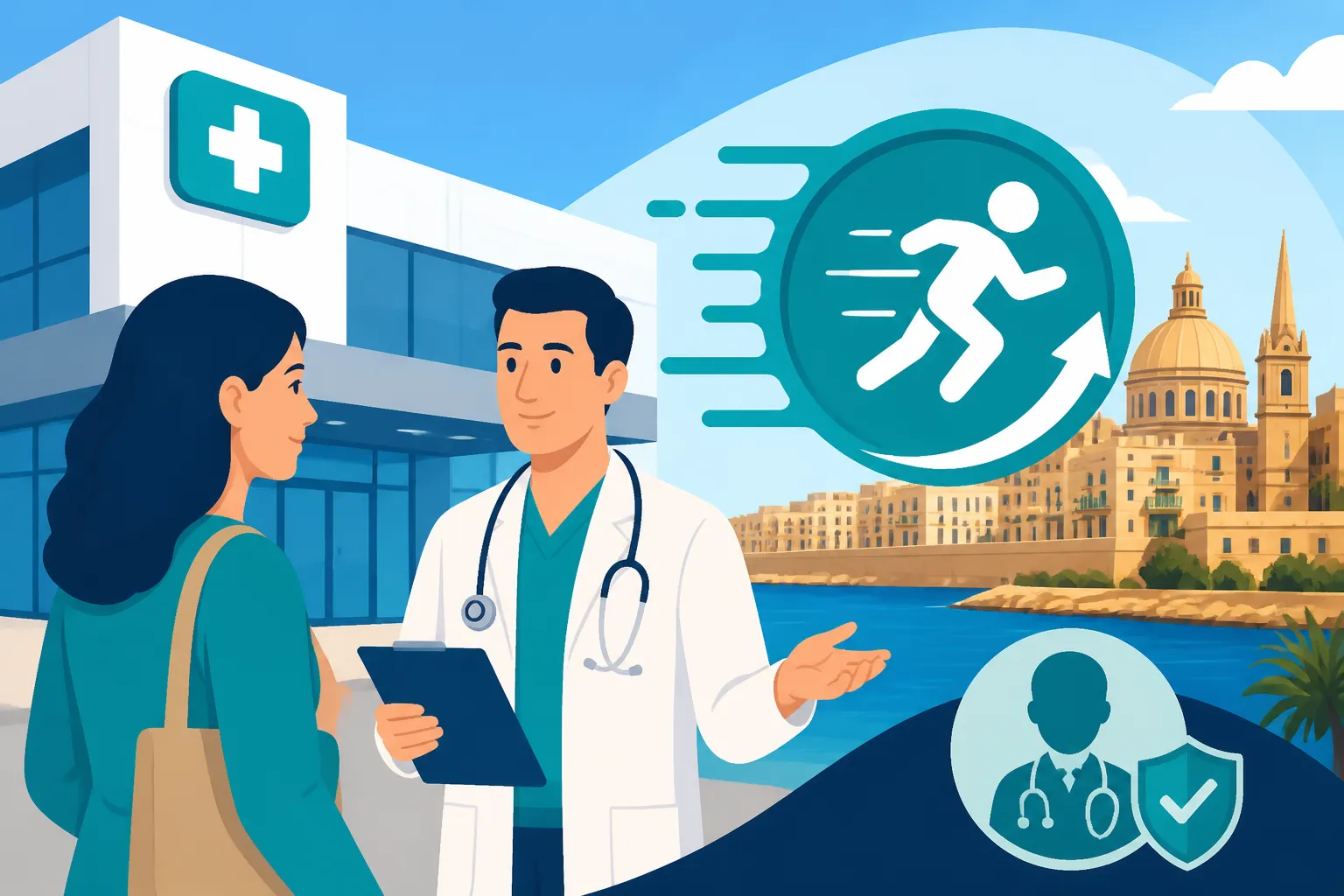
Most of us move to Malta for the lifestyle, but nothing ruins a Mediterranean sunset like a nagging health issue that you can’t get seen for. The primary driver for choosing private care is undoubtedly the speed of access. In the public system, unless your condition is life-threatening, you might find yourself on a waiting list for months. For many foreigners, particularly those used to more immediate care, this can be a significant culture shock. Private care allows you to bypass these delays, often securing an appointment with a top-tier consultant within a matter of days.
Beyond speed, there is the element of continuity. In the public sector, you may see a different doctor every time you visit a health centre or hospital. In the private sector, you can choose your specialist and build a long-term relationship with them. This is particularly important for managing chronic conditions or navigating pregnancy. For a deeper look at how this fits into the broader picture, you should read our Healthcare in Malta for Foreign Residents: The Complete System Guide (2027). The private sector also tends to offer a higher level of "hotel" comfort—private rooms, better food, and more flexible visiting hours—which can make a difficult time much more bearable.
Key Players: St. James, DaVinci, and More
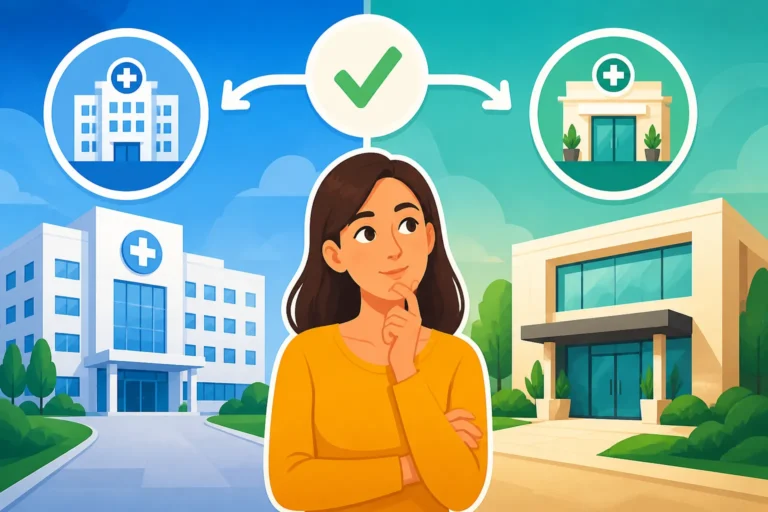
When people talk about private hospitals in Malta, St. James Hospital is usually the first name mentioned. They have a long-standing reputation and multiple locations, including a major hospital in Sliema and another in Zejtun. The Sliema branch is particularly popular with the expat community due to its central location and wide range of English-speaking specialists. It feels more like a boutique hotel than a medical facility, which goes a long way in reducing the stress of a hospital visit.
DaVinci Health in Birkirkara is another heavy hitter, known for its excellent imaging department and specialized clinics. It’s centrally located and often has a slightly more "local" feel while maintaining world-class standards. Then there’s Saint Thomas Hospital in Qormi, which has invested heavily in the latest surgical technology and diagnostic equipment. Each of these facilities operates independently of the public system, though many of the consultants who work there also hold senior positions at Mater Dei. Understanding these differences is key, especially when comparing them to the services detailed in our Mater Dei and Beyond: A Guide to Malta's Public Hospitals and Health Centres.
Speed of Access: Specialists and Diagnostics
The real "magic" of the private sector in Malta is how quickly things move. In the public system, getting a specialist referral often involves a visit to a health centre, a long wait for a letter, and then a further wait for the appointment itself. Privately, you can often book directly with a consultant's secretary without any referral at all. This "fast-track" approach is a godsend when you are dealing with pain or uncertainty.
Skipping the Mater Dei Waiting List
Let's talk numbers. For a non-urgent MRI in the public sector, the wait can sometimes stretch into several months. Privately, you can often get an MRI scan within 48 to 72 hours. The same applies to consultations with dermatologists, orthopedists, and cardiologists. I’ve personally experienced the frustration of being told a public appointment was six months away, only to call a private clinic and get seen the following Tuesday. It’s a stark difference that makes the out-of-pocket cost feel entirely justified.
This speed isn't just about convenience; it's about peace of mind. If you’re worried about a suspicious mole or a strange heart palpitation, waiting half a year for an answer is mentally exhausting. By using private clinics, you take control of your health timeline. If you’re currently trying to navigate the public route, it’s worth checking How the Specialist Referral System Works in Malta's Public Hospitals to see just how much time you might save by going private. Often, people use private consultations for the initial diagnosis and then switch back to the public system if the required treatment is long-term and expensive.
Advanced Imaging and Lab Tests
Diagnostic speed is where facilities like DaVinci Health and St. James really shine. They house their own labs and imaging suites, meaning your blood work is often processed on-site and results are delivered to your doctor electronically within hours. In a country where administrative delays can sometimes be a hurdle, this level of integration is incredibly refreshing. You aren't just paying for the doctor's time; you're paying for a system that actually talks to itself.
Furthermore, many private clinics offer specialized screening packages that aren't readily available or encouraged in the public sector unless you show symptoms. These "well-man" or "well-woman" checks can include comprehensive blood panels, ECGs, and ultrasounds all in one morning. If you are on a specific type of residency permit, you might want to look into Private Healthcare and Insurance in Malta: When You Need Cover to see how these diagnostic costs can be managed through your policy.
Costs and Payment Structures
One of the most common questions I get from newcomers is, "How much does it actually cost?" While Malta is generally more affordable than the US or the UK for private care, it isn't "cheap." You need to be prepared for the financial reality of skipping the queue. Most private hospitals and clinics operate on a fee-for-service basis, and while they do accept insurance, many people choose to pay out-of-pocket for smaller consultations.
Out-of-Pocket Consultations vs. Insurance
A standard consultation with a specialist in a private hospital usually costs between €60 and €100. This is the price for the expertise and the immediate slot. Follow-up appointments are sometimes slightly cheaper, but not always. If you need blood tests or X-rays, those are added on top. It’s quite easy to walk out of a clinic having spent €200 after a single visit. For many expats, this is where a solid insurance plan becomes invaluable.
If you are a digital nomad or someone who travels frequently, a flexible provider like SafetyWing can be a life-saver. Their coverage is designed for the modern expat, allowing you to access these private facilities without the constant fear of a massive bill. Whether you are paying out-of-pocket or through a plan like SafetyWing, always ask for an itemized receipt. You’ll need this if you plan to claim the costs back later or if you need to show your expenses for tax purposes. You can find more detail on these nuances in our guide on What Public Healthcare Costs in Malta: Free Services and Paid Extras.
Comparing Private Facilities in Malta
To help you visualize the landscape, here is a comparison of some of the major private healthcare providers you’ll encounter on the island.
| Facility Name | Primary Location | Known Specializations | Emergency Services |
|---|---|---|---|
| St. James Hospital | Sliema / Zejtun | Surgery, Maternity, Diagnostics | Yes (24/7) |
| DaVinci Health | Birkirkara | Radiology, Orthopaedics, Cardiology | No (Extended Hours) |
| Saint Thomas Hospital | Qormi | Advanced Surgery, Health Screening | No (Appt. Only) |
| Persona Care | Ta' Xbiex | Dermatology, Plastic Surgery, ENT | No (Specialized) |
| Brown's Pharma Clinics | Island-wide | Family Medicine, Minor Procedures | No (GP Hours) |
Private Maternity and Specialized Care
For many expat families, the decision to go private is most relevant during major life events, such as having a child. While Mater Dei provides exceptional maternity care, it is a very busy public hospital. The private alternative offers a more personalized, serene experience that many find worth the investment.
The Private Birthing Experience
Choosing to give birth at a private hospital like St. James means you’ll have a dedicated obstetrician of your choice throughout the entire pregnancy and delivery. You’ll also be guaranteed a private room, which is a major draw for partners who want to stay overnight—something that isn't always possible in the public wards. The environment is quieter, and the ratio of midwives to patients is generally lower, allowing for more one-on-one support with breastfeeding and newborn care.
However, it is important to note that if a birth becomes extremely high-risk or the baby requires neonatal intensive care (NICU), the private hospital will often transfer the patient to Mater Dei, as the public hospital has the most advanced life-support equipment on the island. Many parents find a middle ground by doing their antenatal check-ups privately but delivering at Mater Dei. For more on this, read Maternity Care in Malta: Antenatal Visits, Birth, and the Maternity Benefit. It’s all about finding the balance of safety and comfort that works for you.
Physiotherapy and Mental Health
Specialized care extends beyond the hospital walls. Malta has a vibrant scene of private physiotherapists, osteopaths, and mental health professionals. Because public mental health services are often overstretched, many expats turn to private therapists for quicker access and a wider choice of practitioners who speak their native language. Clinics like Persona or various independent practitioners in Sliema and St. Julian’s offer excellent support.
Physiotherapy is another area where private care excels. If you have a sports injury or chronic back pain, waiting weeks for a public appointment can lead to further injury. Private clinics often have specialized equipment, like shockwave therapy or advanced rehab gyms, that aren't as common in the public sector. You can explore the different routes to recovery in our article on Physiotherapy and Rehabilitation in Malta: Public and Private Routes.
Navigating Private Health Insurance
If you plan to use private hospitals regularly, having insurance isn't just a luxury; it’s a logistical necessity. The paperwork involved in private care can be daunting, and having a provider that understands the local landscape makes a world of difference.
Local vs. International Coverage
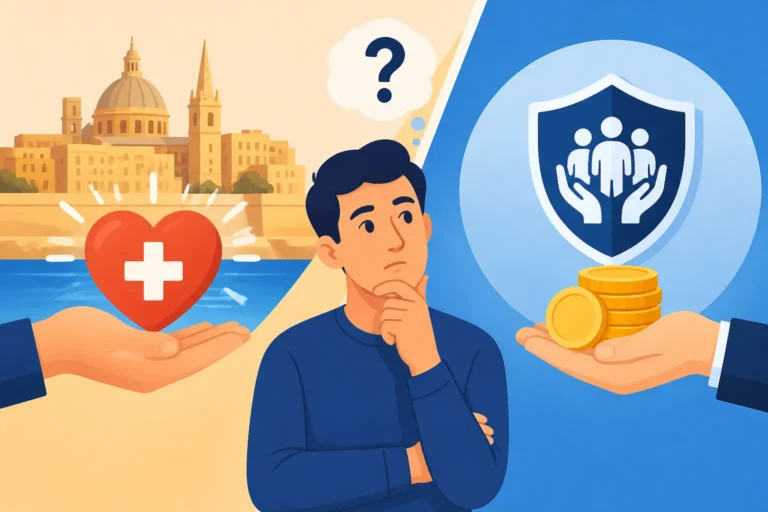
There are two main routes you can take: local Maltese insurance (like GasanMamo or Atlas) or international expat insurance. Local plans are often cheaper but have lower limits and might not cover you when you travel outside of Malta. International plans are more expensive but offer higher coverage limits and global portability. For those who live a more transient lifestyle, SafetyWing is often the preferred choice because it offers the flexibility that traditional insurers sometimes lack.
When you use your insurance at a private hospital, you need to know if they have a "direct billing" agreement. If they do, the hospital bills the insurer directly, and you only pay your excess (deductible). If they don’t, you’ll need to pay upfront and then submit a claim for reimbursement. Providers like SafetyWing are well-versed in the "pay and claim" model, which is common in many of Malta’s smaller specialized clinics. For those on specific visas, remember that insurance is often a legal requirement, as explained in Private Health Insurance Requirements for Non-EU Permit Holders in Malta.
Managing Claims and Pre-Authorizations
One mistake I see many newcomers make is assuming that every procedure will be automatically covered. Most private insurers require "pre-authorization" for anything beyond a simple consultation. This means if your specialist recommends surgery or an expensive MRI, you must contact your insurance provider—whether that’s SafetyWing or a local firm—before the procedure takes place.
Failing to get pre-authorization can result in a claim being denied, leaving you with a bill for thousands of euros. Always keep your doctor’s referral letter and any diagnostic reports, as these are the primary documents your insurer will ask for. This administrative dance can be annoying, but it’s the price we pay for the high-quality care found in the private sector. If you’re still getting your paperwork in order, make sure you understand the importance of Getting Your Maltese ID Card Number: The Key to Accessing Healthcare, as this number is often used to track your medical records across systems.
How to Book and Prepare for Your Visit
Booking a private appointment in Malta is surprisingly straightforward, but there are a few local quirks you should be aware of to ensure your visit goes smoothly.
Finding the Right Specialist
Word of mouth is huge in Malta. Good first steps include asking in local expat groups or checking pharmacy clinics first. Many top specialists hold "clinic hours" in local pharmacies in towns like Swieqi, Mosta, or Naxxar once or twice a week. This is often more convenient than driving to a major hospital. You can usually find the specialist's schedule posted on the pharmacy door or their Facebook page.
When you call to book, be clear about whether you are a new patient. Some popular specialists have long lead times even in the private sector, but most can see you within a week. If you’re unsure who to see, a private GP can provide a referral and point you toward the most reputable consultant for your specific issue. Our guide on Finding a Doctor in Malta: GPs, Specialists, and the Referral System provides a step-by-step approach to this process.
What to Bring to Your Appointment
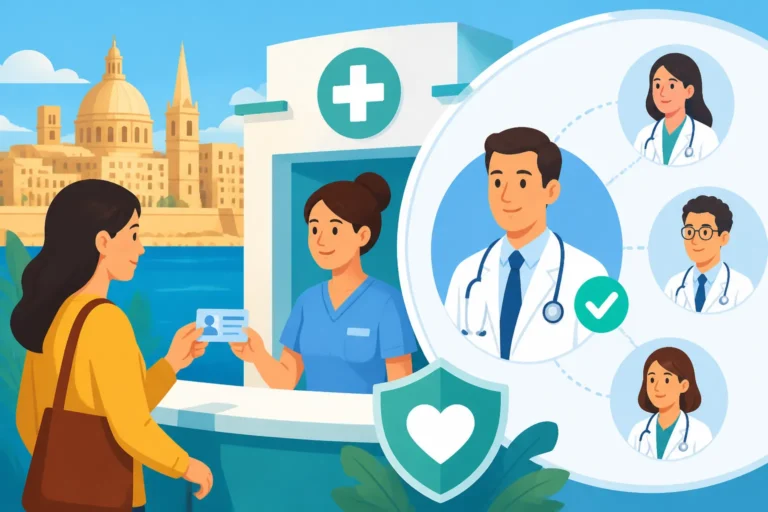
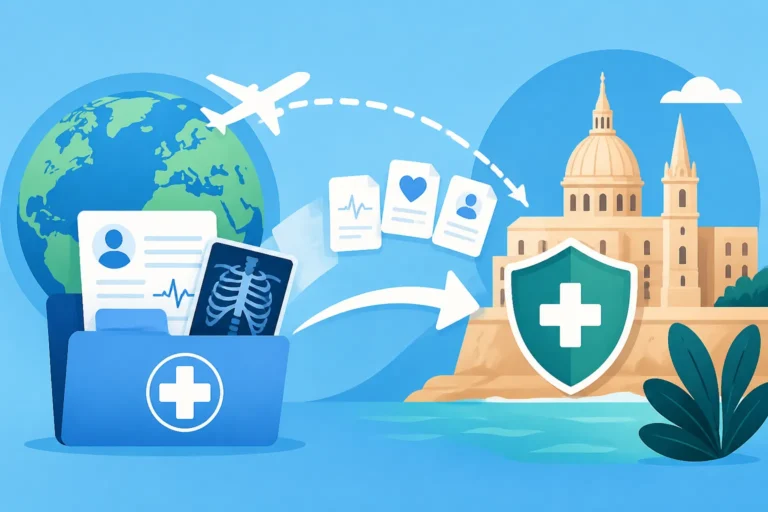
When you show up for your appointment, bring your Maltese ID card (eResidence card) if you have one. If you are still waiting for your residence card, a passport will suffice. You should also bring any previous medical records, scans (even if they are on a CD), and a list of medications you are currently taking. In Malta, the private sector is very efficient, but they don't always have access to your public records at Mater Dei, so you act as the bridge between the two systems.
It’s also wise to have your insurance details ready, even if you plan to pay cash and claim later. If you’re using an international plan like SafetyWing, having a digital copy of your policy and their claims process on your phone can save a lot of stress at the reception desk. Lastly, remember that while English is the standard for medical care in Malta, having a clear summary of your symptoms written down can help you make the most of your consultation time.
Disclaimer
The information provided in this article is for general informational purposes only and does not constitute professional medical advice, diagnosis, or treatment. Always seek the advice of your physician or other qualified health provider with any questions you may have regarding a medical condition. While we strive to keep information up to date, healthcare regulations and facility details in Malta can change frequently.