Can I Choose Between Public and Private Maternity Care in Malta?
You are staring at a positive pregnancy test in your Sliema apartment, and suddenly, the Mediterranean sun feels a lot more intense. I remember that exact moment of panic, wondering if I had to fly back home or if I could navigate the maze of the Maltese medical system without losing my mind or my savings. This guide breaks down exactly how to choose between public and private maternity care in Malta so you can focus on your growing family instead of the paperwork.
Understanding the Dual Healthcare Landscape in Malta
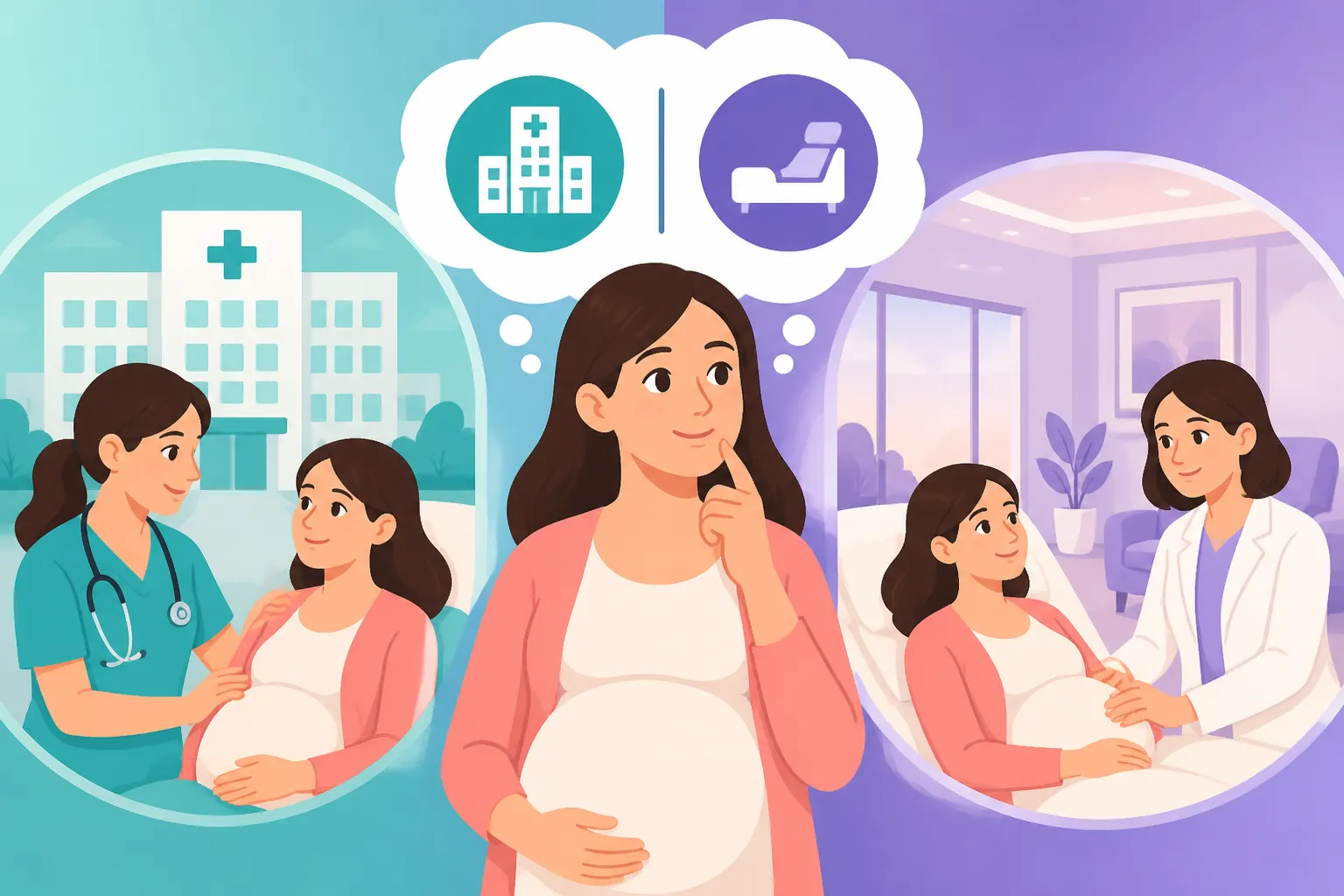
Malta operates on a two-tier system that can be both a blessing and a source of confusion for newcomers. On one hand, you have the public system, centered around the massive, state-of-the-art Mater Dei Hospital. On the other, you have a thriving private sector with hospitals like St. James. The first thing you need to realize is that you aren't strictly "locked" into one or the other from day one, but your residence status and social security contributions will dictate who picks up the bill.
If you are working here and paying your "bolla" (social security), you are generally entitled to the public system. For a deep dive into these mechanics, it is worth checking out How Malta's Public Healthcare Works: Entitlement, Contributions, and Costs. Most expats find that the public system is medically excellent but can feel like a bit of a "conveyor belt" due to the high volume of patients. Private care, conversely, offers the intimacy and "hotel-like" experience many are used to in Northern Europe or North America, but it comes with a price tag that can vary wildly depending on your needs.
The Public Route: Maternity Care at Mater Dei
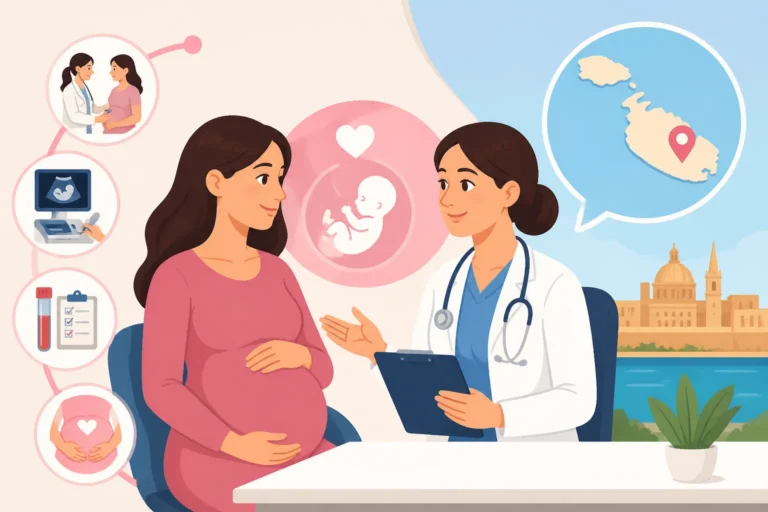
When you go public, your journey usually begins at your local Health Centre. You won’t just walk into Mater Dei; you’ll be referred there. The public system is highly structured. You will likely see different midwives and doctors at each visit, which can be a bit jarring if you were hoping for a single "point person" throughout your pregnancy. However, the medical standard at Mater Dei is world-class, especially if things get complicated.
One of the most important things you’ll need to secure early on is your entitlement. This is the official recognition that you don't have to pay out of pocket for your visits, scans, or the birth itself. Many expats get caught out by assuming their work contract is enough proof. You actually need to ensure your social security is being processed correctly. You can learn more about this in Health Entitlement in Malta: How Social Security Contributions Unlock Free Care. Once entitled, almost everything—from your blood tests to the actual delivery and the three-day hospital stay—is free at the point of use.
The reality of the public wards is that they are functional but crowded. You will likely be in a shared room with two or three other new mothers. While the midwives are incredible, the lack of privacy is the number one reason expats start looking toward the private sector. If you are here on a temporary basis or as a digital nomad, you might find that you don't yet qualify for this "free" care. In these cases, having a plan with SafetyWing can be a lifesaver, providing coverage while you navigate the local bureaucracy.
The Private Route: Personalized Care and Choice
Choosing private maternity care in Malta is primarily about two things: continuity of care and comfort. When you go private, you choose your consultant (OBGYN) from the start. This person will see you at every check-up, perform your scans in their private clinic, and—crucially—be the one who delivers your baby at a private hospital.
The private experience in Malta is centered around facilities like St. James Hospital in Sliema or Zejtun. Here, you get a private room, your partner can usually stay overnight (for an extra fee), and the atmosphere is significantly quieter. For many, this peace of mind is worth the investment. If you are a digital nomad or an investor just settling in, you might still be waiting for your local ID card. During this transition, services like SafetyWing are excellent for ensuring you have a safety net before your Maltese residence is fully finalized.
It’s important to note that even if you choose private care, if a major emergency occurs during birth that requires neonatal intensive care (NICU), the private hospital will almost certainly transfer the baby to Mater Dei. Mater Dei has the only specialized NICU on the island. This is why some people choose a "hybrid" approach, which we will discuss later. To understand when you might specifically need extra coverage, see Private Healthcare and Insurance in Malta: When You Need Cover.
Comparing Costs and Services
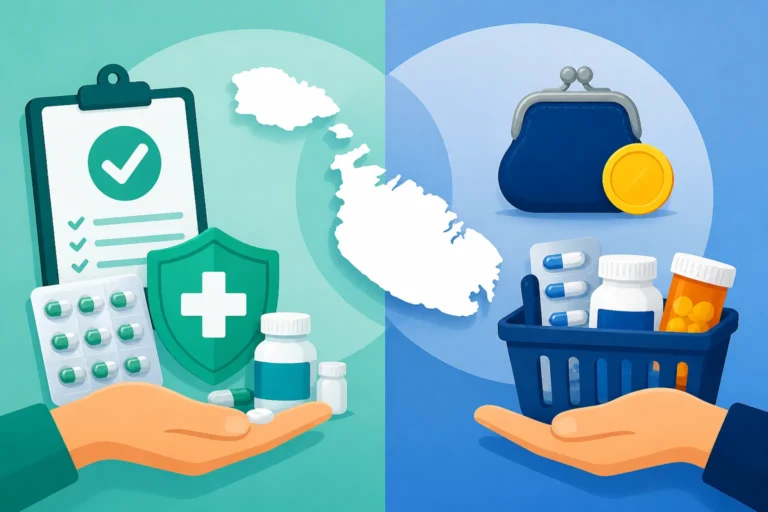
The cost difference between public and private can be staggering if you aren't covered by insurance. For those with entitlement, the public system cost is essentially zero. For those without, or those choosing the private path, you need to budget carefully.
| Feature | Public Maternity (Mater Dei) | Private Maternity (e.g., St. James) |
|---|---|---|
| Cost (with Entitlement) | Free | €3,500 – €6,000+ |
| Cost (without Entitlement) | High (per day/service) | €3,500 – €6,000+ |
| Doctor | Rotating team of consultants | Your chosen private OBGYN |
| Room Type | Shared ward (2-4 beds) | Private room |
| Partner Stay | Limited visiting hours | Often allowed (overnight fee) |
| Midwifery | Mater Dei midwife team | Private hospital midwife team |
| NICU Access | On-site | Transfer to Mater Dei required |
For those moving to Malta for the short term or under specific permits, it's vital to check your insurance requirements. Many find that Healthcare on a Visa-Based Permit in Malta: Nomads, Retirees, and Investors provides the necessary clarity on what is mandatory versus what is optional. If you are a nomad, SafetyWing offers flexible options that fit the lifestyle of someone who isn't sure if they'll be in Malta for the full nine months of pregnancy.
The Hybrid Approach: The Best of Both Worlds?
Many veteran expats in Malta opt for a "hybrid" maternity path. This involves seeing a private OBGYN for all your monthly check-ups and scans (which usually costs between €70 and €100 per visit) but choosing to deliver the baby at Mater Dei.
Why do people do this? It gives you the continuity of care during the pregnancy—you get to build a relationship with one doctor who knows your history—but you have the peace of mind of being in the big hospital with all the specialized equipment for the actual delivery. Plus, if you have health entitlement, the delivery remains free.
If you go this route, your private doctor will provide you with all the necessary documentation to take with you to Mater Dei when you go into labor. You can find more details on how the schedule of visits works in Maternity Care in Malta: Antenatal Visits, Birth, and the Maternity Benefit. This hybrid model is particularly popular because it balances the desire for personal attention with the medical security of the national hospital.
Navigating the Paperwork and Registration
Regardless of which path you choose, the administrative side of having a baby in Malta can feel like a full-time job. You will need to interact with the Entitlement Unit, the Housing Authority (for your lease), and eventually the Public Registry.
One of the first hurdles is ensuring you are registered with a local health centre even if you plan to go private. This ensures you are "in the system" for things like the national immunisation schedule later on. You can read more about this in How Do I Register with a Health Centre in Malta?.
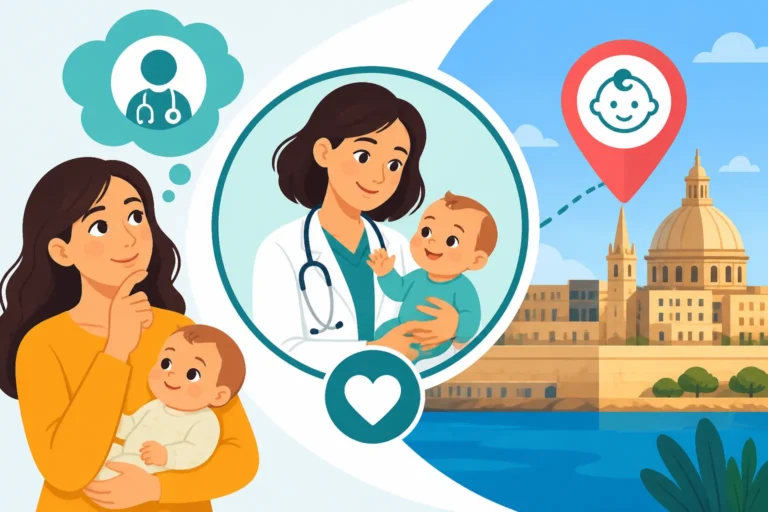
Once the baby arrives, the registration process begins. You have 15 days to register the birth at the Public Registry (either in Valletta or at Mater Dei itself). This is a critical step because the birth certificate is required to get the baby's own ID card and eventual healthcare entitlement. For a step-by-step on this, refer to How Do I Register a Newborn for Healthcare in Malta?.
Practical Considerations for the Birth Day
When the big day finally arrives, the experience differs slightly depending on your choice. At Mater Dei, you will enter through the Obstetrics Admissions Department. You will be assessed by a midwife, and if you are in active labor, you’ll be moved to a delivery room. One common question I hear is: Can My Partner Be Present at the Birth in a Maltese Hospital?. The answer is generally yes, for both public and private, though the rules can be stricter in the public wards regarding visiting hours after the birth.
In a private hospital, the process is much more "scheduled." You’ll likely have a direct line to your consultant or the hospital’s maternity ward. The atmosphere is less "emergency room" and more "private clinic." If you are worried about the specifics of the public hospital layout or what to pack, Mater Dei and Beyond: A Guide to Malta's Public Hospitals and Health Centres is an excellent resource to familiarize yourself with the building before you're in the throes of contractions.
Antenatal and Postnatal Support
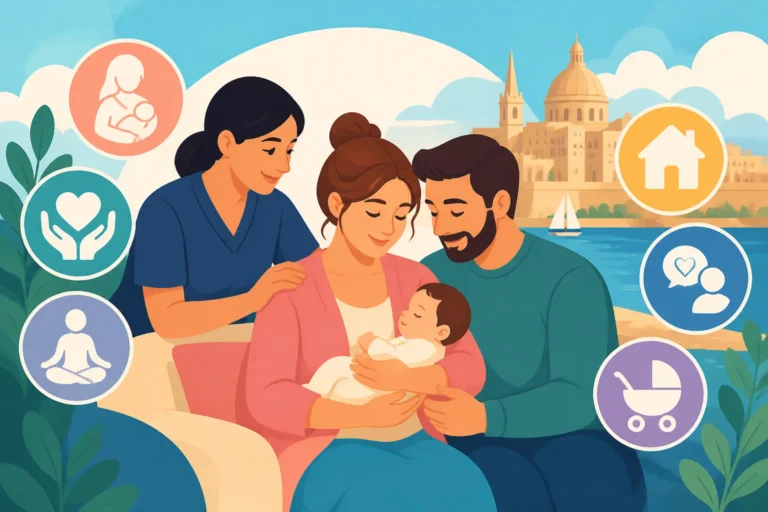
The care doesn't stop at delivery. Malta has a very strong midwifery culture. In the public system, you will be visited at home by a midwife in the days following your discharge from Mater Dei. They check the baby's weight, the healing of any stitches, and offer breastfeeding support. If you are struggling with nursing, you might want to look into Can I Get Breastfeeding Support Through Maltese Healthcare?.
In the private system, this postnatal care is often handled by the hospital’s own midwives or your private consultant, but it may come at an additional cost per visit. Many expats find that even if they deliver privately, they still utilize the public "Well-Baby Clinics" for vaccinations and developmental checks. It’s a good idea to know How Many Antenatal Visits Will I Have During Pregnancy in Malta? so you can plan your budget, whether you're paying per visit or using a pre-paid insurance plan.
Why Some People Struggle with the Choice
The choice often boils down to a feeling of control. In the public system, things are done "the Maltese way." This means doctors might be very direct, and the bureaucracy can feel opaque. You might be told you're having an appointment at 8:00 AM, only to find twenty other women were told the same thing, leading to a long wait in a plastic chair.
In the private system, you are the client. You get the 10:15 AM slot, and you are seen at 10:15 AM. For those working high-stress jobs in iGaming or Fintech, this time-saving is often the deciding factor. However, if you are a freelancer or a nomad, the cost of private care can be a major hurdle. This is where SafetyWing can be an essential part of your financial planning, especially if you are transitioning between countries and don't yet have a permanent "home" system.
Dealing with Language and Culture
One of the great things about maternity care in Malta is that almost every medical professional speaks excellent English. You won't need a translator to explain your birth plan. However, the culture of birth in Malta can be quite traditional. There is a high rate of C-sections and medical interventions compared to some other EU countries.
If you have a very specific "natural birth" plan, you may find that a private consultant is more willing to spend the time discussing and accommodating your preferences. In the public system, they tend to follow strict hospital protocols. To understand the cultural nuances of the medical system better, it helps to read How Do I Get Care If I Don't Speak Maltese?, although for maternity, English is usually more than enough.
Final Thoughts for Expectant Parents
Choosing between public and private maternity care in Malta isn't just about the money; it’s about how you want to feel during one of the most vulnerable and exciting times of your life. If you value privacy and a consistent relationship with one doctor, and you have the insurance or savings to cover it, private is the way to go. If you want the absolute highest level of emergency medical backup and don't mind a bit of a "crowded" atmosphere, the public system at Mater Dei will take excellent care of you.
Don't forget to look into the "Pink Card" system if you are eligible for free medication, as pregnancy-related supplements and medicines can add up. The paperwork might feel like a mountain, but thousands of expats have climbed it before you. Take it one form at a time, and soon enough, you’ll be pushing a stroller along the Sliema promenade.
Disclaimer
This guide is for informational purposes only and does not constitute professional medical or legal advice. Healthcare regulations and entitlement criteria in Malta are subject to change. Always consult with the Maltese Health Authorities, the Entitlement Unit, or a qualified medical professional regarding your specific situation and eligibility.