Health Entitlement in Malta: How Social Security Contributions Unlock Free Care
Navigating the Maltese healthcare system often feels like trying to find a parking spot in Sliema on a Saturday night—frustrating, confusing, and seemingly impossible if you don’t know the secret turns. I spent my first six months here wondering why I was paying social security if I still had to pay for my own dental check-ups. This guide explains how your National Insurance contributions actually unlock the doors to free care and what steps you must take to claim your rights.
Understanding the Foundation of Health Entitlement in Malta
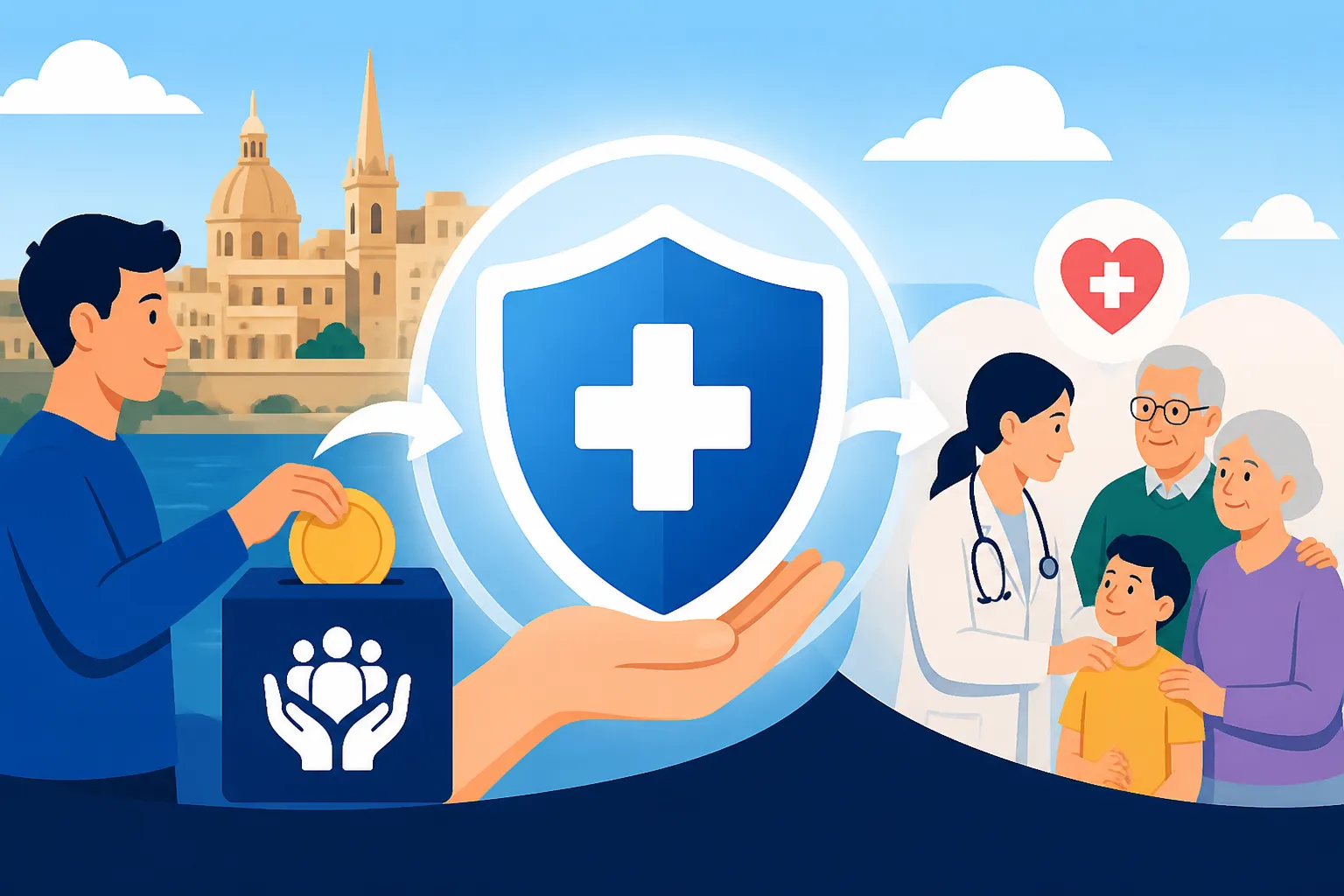
The Maltese healthcare system is built on a "free at the point of use" philosophy, but this is a bit of a misnomer for expats. It isn't free because the Mediterranean sun shines on it; it is free because you, your employer, and the state are constantly feeding a central pot through Social Security Contributions. If you are working here, you are likely seeing a chunk of your monthly salary disappearing under the "NI" column on your payslip. This isn't just a tax; it is your golden ticket to Mater Dei Hospital and the various regional health centres.
However, simply paying the money doesn't automatically mean the system knows who you are. Many newcomers who assumed their ID card was enough, only to be hit with a bill after an emergency room visit because they hadn't formalized their entitlement. You need to understand that How Maltese Health Entitlement Fits with Social Security Contributions is the bedrock of your life here. Without these contributions, or a specific treaty-based exemption, you are essentially a private patient in the eyes of the state.
The system is designed to be inclusive, but it is also deeply bureaucratic. Malta follows a Bismarckian model where the social insurance you pay today covers your needs tomorrow. This includes not just hospital visits, but also sickness benefits and eventually your pension. When you look at Social Security Contributions and What They Fund in Malta, you see a comprehensive safety net that covers everything from maternity leave to long-term unemployment, provided you have "paid into the pot" for the required number of weeks.
The Residency vs. Contribution Debate
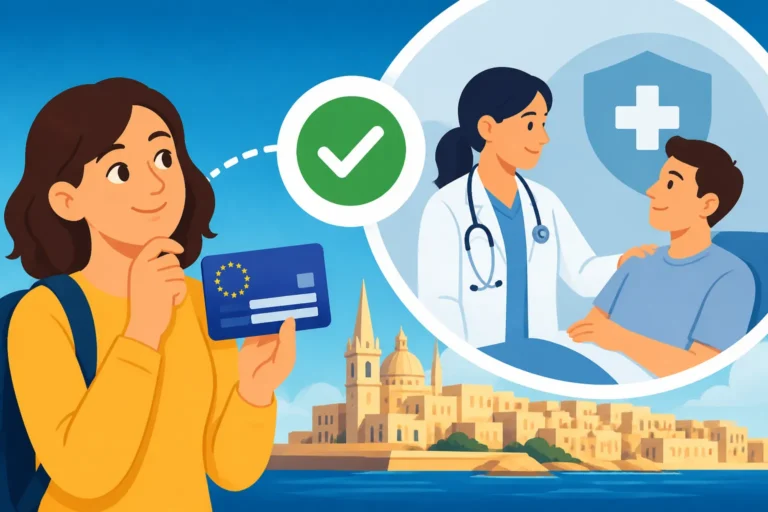
A common point of confusion for expats is whether residency alone grants healthcare. In some European countries, just living there is enough. In Malta, the rules are stricter. If you are an EU citizen, you have certain rights via the EHIC for temporary stays, but once you become a resident and start working, your rights shift to the contribution-based model. For non-EU citizens, the link is even more rigid. If you stop paying NI because you lost your job, your "free" healthcare can evaporate faster than a Cisk on a hot August afternoon.
The Role of the Social Security Number
Your journey starts with a Social Security Number, which is distinct from your Tax Identification Number and your ID card number. You cannot pay into the system without this number. Most employers will help you apply for it, but if you are self-employed, you’ll be visiting the Social Security department yourself. This number is the primary key that the Health Entitlement Unit uses to verify if you are "active" in the system.
Why Some People Still Choose Private Cover
Even with full entitlement, the public system has its quirks, namely waiting lists for non-urgent surgeries. This is why many veteran expats maintain a hybrid approach. While the state handles the "big stuff" via NI, many use providers like SafetyWing to cover gaps, especially when traveling or if they want the luxury of choosing a specific consultant in a private hospital like St. James. SafetyWing is particularly popular among the digital nomad community here because the public system often excludes those who aren't paying local NI.
Class 1 and Class 2 Contributions: How Much Do You Pay
Malta splits its contributors into two main buckets: Class 1 and Class 2. If you are an employee, you fall into Class 1. Your employer deducts roughly 10% of your basic salary, matches it with another 10%, and the state kicks in a final portion. This happens automatically, and your proof of payment is your FS3 form at the end of the year. It’s a relatively painless way to stay "legal" in the system, but you should always check your payslips to ensure the deductions are actually happening.
Class 2 is for the self-employed and freelancers. This is where things get "I’ve-been-there" stressful. Instead of monthly deductions, you generally pay every four months (in April, August, and December). The amount is based on your previous year's income. For a newcomer in their first year, you'll usually pay a "flat rate" until your first tax return is filed. It is vital to keep these payments up to date. If you miss a payment, your health entitlement can be flagged, and you might find yourself arguing with a clerk at a health centre while you have a fever.
Navigating the Class 2 Brackets
The self-employed system uses various "scales" based on your net income. If you earn below a certain threshold, your contributions are lower, but so are some of your benefits (like the rate of sickness pay). However, even at the lowest contribution level, your right to hospital care remains intact. The key is consistency. The government expects those payments like clockwork, and they provide the backbone for the entire public medical infrastructure.
The "Employer Match" Factor
One thing many expats don't realize is how much the employer contributes on their behalf. If you are negotiating a salary, remember that the "cost to company" is much higher than your gross pay because of these NI contributions. This high level of funding is what allows Mater Dei to remain one of the most advanced hospitals in the Mediterranean, despite the island's small size.
Transitioning Between Classes
If you move from being an employee to starting your own business in Gzira, you must inform both Jobsplus and the Social Security department. Failure to switch from Class 1 to Class 2 properly can lead to a "gap" in your record. During such transitions, having a flexible insurance policy from a brand like SafetyWing is a lifesaver. It ensures that if the Maltese bureaucracy takes three months to process your new status, you aren't left vulnerable in the interim.
The Registration Process: From Payslip to Patient
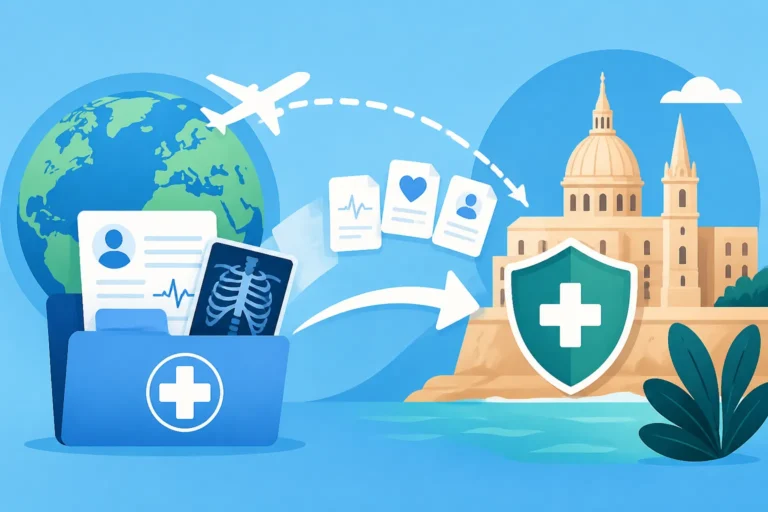
Paying NI is the first half of the battle; the second half is proving it to the Health Entitlement Unit (EU). This unit, located at St. Luke’s Hospital in Gwardamanġa, is the gatekeeper. To get your "Entitlement Document," you typically need to provide your contract of employment, your recent payslips, and your eResidence card. Once they verify you are a taxpayer, they issue a document (sometimes a physical card or a letter) that confirms you are entitled to free care.
I remember my first trip to the Entitlement Unit. I brought every document I owned—birth certificate, lease agreement, even my cat's vet records—just in case. You don't need all that, but you definitely need How to Register for Health Entitlement with the Entitlement Unit in Malta. Without this formal registration, a hospital's billing department will see you as a "Third Country National" or a "Non-Resident" and will send you an invoice that could cost thousands.
Getting Your ID Card First
You cannot realistically bypass the residency stage. You need your ID card to streamline almost everything in Malta. When you are Getting Your Maltese ID Card Number: The Key to Accessing Healthcare, you are essentially creating your digital footprint. The healthcare system uses this ID number to track your medical records through the "myHealth" portal, which is a fantastic tool once you are finally in the system.
The "Entitlement Unit" Walk-in Experience
Expect a wait. The office is often busy, and the process can feel antiquated. However, the staff are generally helpful if you have your paperwork in order. Once you are registered, your status is usually updated in the national database. This means when you go to a local "Berġa" (health clinic), they can pull up your file just by swiping your ID card.
Validating Your Rights Annually
For many non-EU residents, health entitlement isn't "forever." It is often tied to the duration of your work permit. Every time you renew your Single Permit, you may need to re-verify your entitlement. This is a common pitfall. If your permit is in the "renewal phase" and you haven't received your new card yet, you are in a legal limbo. Again, this is where SafetyWing shines for expats—it provides that continuous cover so you don't have to worry about the administrative delays of Identità Malta.
What is Actually Covered by Your NI Contributions?
So, you’ve paid your NI and registered with the Entitlement Unit. What do you actually get? In short: almost everything that is medically necessary. This includes emergency room visits, surgeries, overnight stays at Mater Dei, and consultations with specialists. However, "medically necessary" is the operative phrase. If you want a private room, a specific brand of non-essential medication, or elective cosmetic surgery, you are on your own.
When people ask What Public Healthcare Actually Cost in Malta?, the answer for an NI-paying resident is "zero" at the point of delivery for most hospital services. However, there are exceptions. For example, most prescriptions for acute illnesses (like a one-off throat infection) must be paid for at a private pharmacy. The state only provides free medication for chronic conditions listed under specific "Schedules."
| Service Type | Coverage via NI | Out-of-Pocket Cost |
|---|---|---|
| Emergency (A&E) | 100% | €0 |
| In-patient Surgery | 100% | €0 |
| GP at Health Centre | 100% | €0 |
| Acute Medicines | 0% | Market Price |
| Chronic Medicines | 100% (with permit) | €0 |
| Dental (Routine) | 0% | Private Rates |
The Health Centre System
Malta is divided into catchment areas. Your NI allows you to visit your local Health Centre for free. These centres handle everything from stitches and blood tests to ECGs and specialist clinics. It is much better to use these than to head to the Mater Dei Emergency Department for minor issues. The wait times at Mater Dei can be grueling, sometimes exceeding 10 hours for non-life-threatening cases.
Chronic Illnesses and the "Pink/Yellow Cards"
If you suffer from a long-term condition like asthma, diabetes, or hypertension, your NI contributions unlock the "Pharmacy of Your Choice" (POYC) scheme. This is a brilliant system where the government pays for your monthly medication, and you collect it from a pharmacy near your house. To access this, you need a specialist to sign off on a Schedule V (Yellow Card) or Schedule II (Pink Card). Understanding The POYC Pharmacy of Your Choice Scheme: How to Collect Free Medicines can save you hundreds of euros every month.
Dental and Vision: The Major Gaps
This is the "I've-been-there" warning: do not expect free dental care. Unless it is an emergency (like an extraction or a severe infection being treated at the hospital), you will be paying private rates for fillings, cleanings, and root canals. The same applies to glasses and optometry. Most expats budget for these separately or look for private insurance add-ons. SafetyWing is often used by our community to cover the "unexpected" medical emergencies that the state system might deprioritize.
Coverage for Families and Dependents
One of the most frequent questions I get from expat parents is: "I pay NI, but what about my kids?" The good news is that if you are a lawfully resident worker paying NI, your minor children and your non-working spouse are generally covered under your "umbrella." Malta views the family unit as a single economic entity for healthcare purposes in most cases.
However, you must specifically register them. They don't magically appear in the system because they share your last name. You will need to take their birth certificates (translated into English if necessary) and your marriage certificate to the Entitlement Unit. People often ask Are My Children Covered by Maltese Healthcare Through Me?, and the answer is a resounding yes—but only after the paperwork is filed.
Maternity and Newborn Care
Malta is famous for its high standard of maternity care. From the moment you confirm a pregnancy, the public system kicks in with regular check-ups at the antenatal clinics. The birth itself at Mater Dei is free for NI contributors. The postnatal support, including visits from the "Midwives 4 Midwives" service, is also excellent. This is one area where the public system often outshines the private one due to the specialized neonatal intensive care units (NICU) available at Mater Dei.
School Health Services
Once your children are in the Maltese school system (state, church, or private), they will have access to school doctors and nurses. They perform routine screenings for hearing, vision, and scoliosis. These services are funded by the collective NI contributions of the working population, ensuring that every child on the island has a baseline of medical surveillance.
The Non-Working Spouse Trap
If your spouse is also an expat and is not working, they are covered by your contributions. However, if they start working—even part-time—they must register for their own Social Security number and start their own contributions. If they are working as a freelancer, they must ensure they don't fall behind on their Class 2 payments, as this could complicate the family's overall entitlement status.
Navigating the System: GPs and Specialists
In many countries, you register with one specific family doctor. In Malta's public system, you "register" with a Health Centre, not a person. When you walk into the Mosta or Floriana Health Centre, you will see whichever GP is on duty. This can be a bit jarring if you prefer continuity of care. This is why Registering with a Health Centre and Choosing a GP in Malta is such an important step for your peace of mind.
If you want a "private" family doctor—the kind who has a clinic in the back of a local pharmacy—you will pay for that out of pocket (usually €15 to €20 per visit). Most expats use a private GP for quick prescriptions or sick notes and keep the public system for hospital-grade issues and specialist referrals.
Getting a Specialist Referral
You cannot just walk into Mater Dei and ask to see a cardiologist. You need a referral. This can come from a Health Centre GP or a private GP. Once the referral is in the system, you will receive an appointment via mail (yes, physical mail is still king here). The waiting times for specialists can range from a few weeks to several months, depending on the urgency.
Using the myHealth Portal
One of the best modernizations in Malta is the myHealth portal. By How Do I Register on the myHealth Portal in Malta?, you can see your blood test results, view your upcoming appointments, and even see which medications have been prescribed to you. It requires an e-ID, which you get along with your residence card. I highly recommend setting this up immediately; it saves you from having to call the hospital to check if your results are in.
Emergency Care: When to Call 112
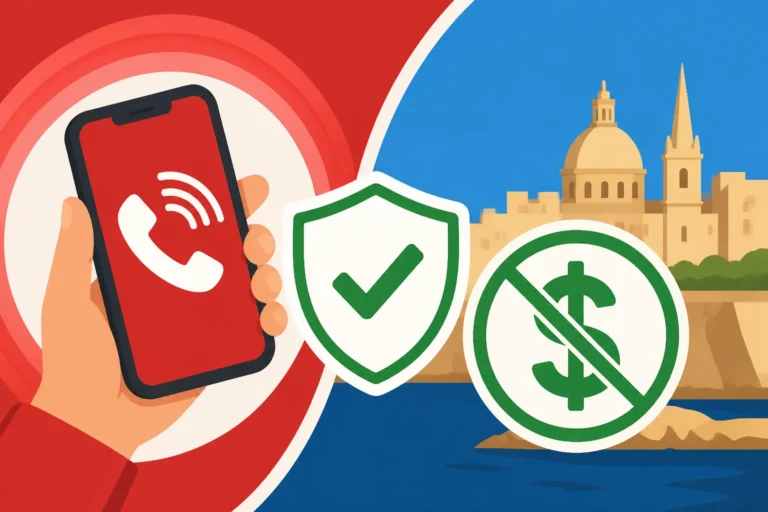
In a true emergency, your NI status is the last thing on anyone's mind. The paramedics will treat you first and ask questions later. However, once you are stabilized in the ward, the "billing" angels will appear to check your entitlement. If you have your ID card and have registered with the EU, you won't pay a cent. If you are a visitor or haven't registered, that ambulance ride and ER stay will billed at the "Non-EU" rate, which is significant. This is why having SafetyWing is so crucial for those first few weeks in Malta before your residency is fully processed.
Special Cases and the Realities of Non-EU Expats
If you are moving to Malta from outside the EU—perhaps on a Nomad Residence Permit or a Work Permit—the rules have a bit more "teeth." For many, you are required to have private health insurance as a condition of your visa. This is because the state wants to ensure you aren't a "burden" on the system before you've started contributing. Even if you eventually start paying NI, your initial permit might require proof of a policy from a provider like SafetyWing.
There is also the "Third Country National" (TCN) reality. If you are on a single work permit, your healthcare rights are strictly tied to your employment. If you lose your job, you have a grace period to find a new one, but your health entitlement can become precarious. It is vital to understand the Private Health Insurance Requirements for Non-EU Permit Holders in Malta to avoid being denied a permit renewal.
The Nomad Residence Permit
Digital nomads are a special category. Since they often work for companies outside of Malta, they don't pay local Social Security (NI). Therefore, they are not entitled to free public healthcare. For this group, a robust international medical insurance like SafetyWing isn't just a good idea; it's a legal and practical necessity. SafetyWing is designed specifically for this lifestyle, covering you in Malta and wherever your next "office" might be.
British Citizens and Brexit
For my fellow Brits, the world changed after Brexit. While there is a Reciprocal Health Agreement (RHA) between Malta and the UK that provides some coverage, it is not a "free pass" to ignore NI contributions if you are working here. The RHA is great for retirees and temporary visitors, but if you are an active worker, you follow the same NI-based rules as any other non-EU citizen.
The "Gap" Years
Sometimes, expats take a break from working to study or simply to enjoy the Mediterranean lifestyle. During these periods, if you aren't paying NI, you aren't "in" the system. You might be able to pay "voluntary" contributions to keep your pension clock ticking, but for healthcare, you will likely need to rely on private insurance. This is the most common time I see people turning to SafetyWing—it’s the perfect "bridge" for those months when you are between contracts or exploring the islands.
Practical Summary of Entitlement Steps
To wrap this up, let’s look at the "Expat Checklist" for health entitlement. If you miss one of these, you're essentially just a tourist who happens to have a desk in Birkirkara.
- Obtain your Social Security Number: Do this as soon as your contract is signed.
- Apply for your eResidence Card: This is your identity for all state services.
- Check your Payslip: Ensure "NI" is being deducted every month.
- Visit the Entitlement Unit: Take your documents to St. Luke's and get your entitlement letter.
- Register for an e-ID: This unlocks the myHealth portal and other online services.
- Find your local Health Centre: Know where it is before you actually need it.
- Consider Supplemental Cover: Use SafetyWing for travel, gaps in employment, or private specialist access.
Disclaimer
This guide is based on personal experience and the administrative rules as of 2026. While I strive for accuracy, Maltese bureaucracy is famously fluid and subject to change without much notice. Always verify your specific situation with the Department of Social Security or the Health Entitlement Unit. This article is for informational purposes and does not constitute legal or medical advice. For specific insurance needs, please consult directly with providers like SafetyWing to ensure their policy meets your residency requirements.