What Is the Schedule V (Pink Card) Scheme in Malta?
Managing a chronic health condition while navigating a new country can feel like a full-time job you never applied for. I remember the first time I stood in a local pharmacy, staring at the price of my monthly maintenance medication and realizing my budget was about to take a massive hit. This guide explains how the Schedule V (Pink Card) scheme works so you can access free chronic-disease medication in Malta without the financial stress.
Understanding the Schedule V (Pink Card) Basics
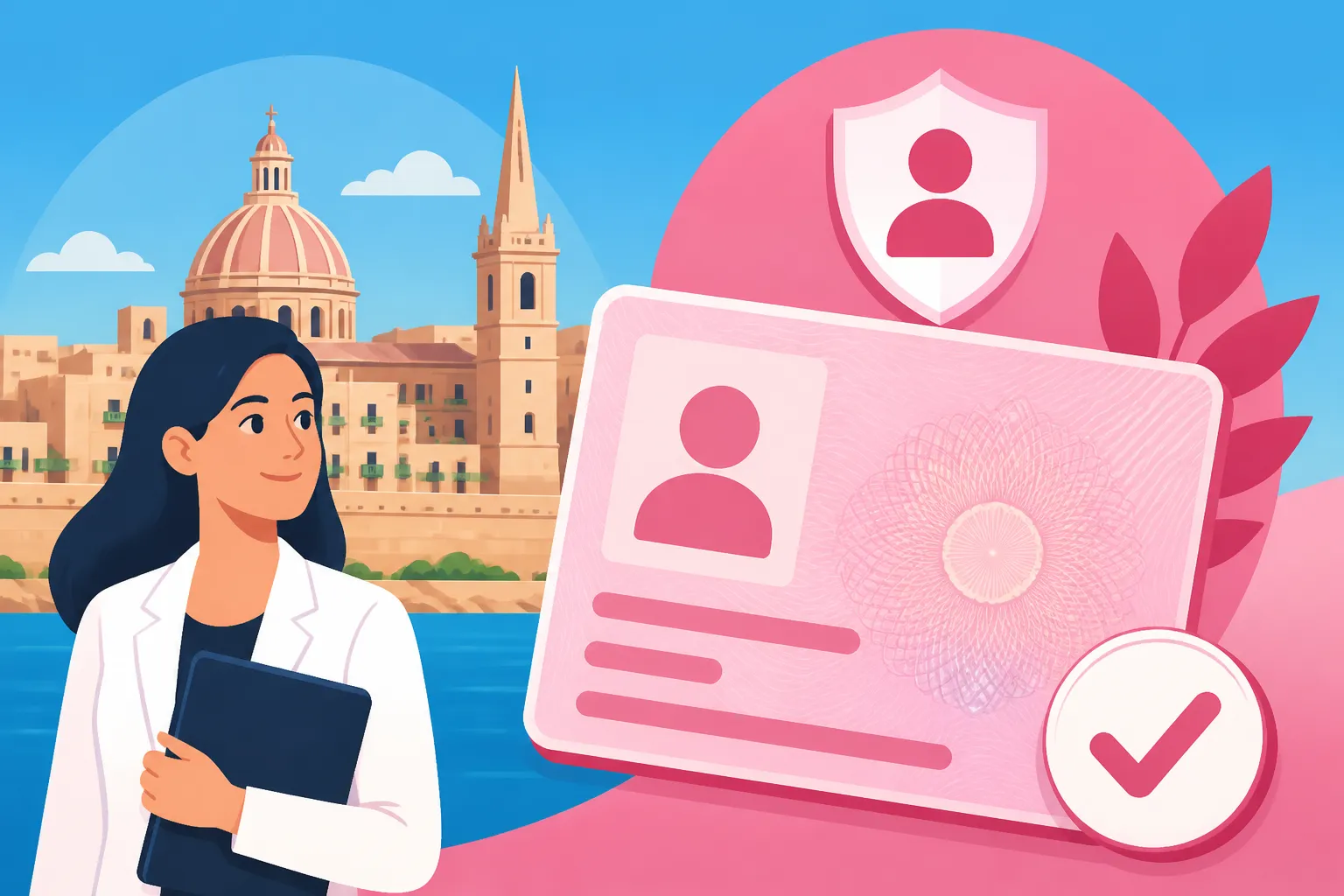
In Malta, the healthcare system provides a safety net for those dealing with long-term illnesses through what is colloquially known as the Pink Card. Officially, this is the Schedule V entitlement, named after the specific section of the Social Security Act that lists chronic conditions. It is separate from the standard public healthcare access you get just by paying social security; it is a specific, additional layer of support designed to ensure that life-long or life-altering conditions do not bankrupted the patient.
The Pink Card is not a general "low income" card (that is a different scheme, often called the Yellow Card or Schedule II). Instead, the Pink Card is strictly medical. If you have a condition listed on the schedule, such as diabetes, hypertension, or certain respiratory diseases, you are entitled to the specific medications required to treat that condition for free, regardless of your personal income.
For many of us who have moved from countries where everything is managed through private insurance or complex co-pay systems, the simplicity of the Pink Card is a relief—once you actually have the card in your hand. However, getting to that point requires navigating the bureaucracy of the Maltese health system, which involves specialists, the Entitlement Unit, and the Pharmacy of Your Choice (POYC) system.
Who Qualifies for the Pink Card in Malta
Eligibility for the Schedule V scheme is determined by two main factors: your medical diagnosis and your residency status. You cannot simply walk into a clinic and ask for a Pink Card because you feel unwell. The condition must be one of the roughly 80 chronic illnesses recognized by the Maltese government. These include common ailments like asthma, glaucoma, and high cholesterol, as well as more complex conditions like Crohn’s disease or multiple sclerosis.
Beyond the diagnosis, you must be a "person of entitlement." This usually means you are a Maltese citizen or a foreign resident who is actively paying social security contributions in Malta. If you are a non-EU resident on a work permit, your right to this card is tied directly to your employment and your social security history. EU citizens often find it easier to bridge this gap, but it still requires the correct paperwork.
Residency and Social Security Contributions
To access the Pink Card, you first need to prove you are part of the Maltese system. This starts with Getting Your Maltese ID Card Number: The Key to Accessing Healthcare. Without that ID number, the health system essentially doesn't see you. Once you have your ID, the authorities check if you are contributing. If you are employed, How Maltese Health Entitlement Fits with Social Security Contributions will be the basis of your claim.
If you are a digital nomad or someone waiting for their residence permit to be finalized, you might find yourself in a grey area. Many newcomers use services like SafetyWing to cover their initial health needs. While SafetyWing is excellent for emergencies and travel-related medical issues, it won't typically provide you with free long-term maintenance meds from a local Maltese pharmacy; for that, you need the Pink Card. This is why understanding Health Entitlement in Malta: How Social Security Contributions Unlock Free Care is vital for long-term planning.
The List of Recognized Conditions
The Schedule V list is specific. If your condition is "chronic" but not on the list, you unfortunately won't qualify for the Pink Card for that specific illness. For example, hypertension (high blood pressure) is on the list, meaning your blood pressure meds would be free. However, other long-term conditions that are not explicitly listed might require you to pay out of pocket or use private insurance.
It is also worth noting that the card only covers medications directly related to the condition for which you were approved. If you have a Pink Card for diabetes, you get your insulin for free, but if you then develop a chest infection, you would still need to pay for the antibiotics at the pharmacy like anyone else, unless you have other forms of entitlement.
The Step-by-Step Application Process
Getting your Pink Card is a journey that starts at the doctor's office and ends at the Entitlement Unit. You cannot bypass the specialist; a general practitioner (GP) can suggest you apply, but they cannot sign off on the application themselves.
Consultation with a Public Specialist
The first hurdle is getting a consultant from the public health sector to confirm your diagnosis. Even if you have a stack of medical records from your home country, the Maltese system generally requires a local consultant’s signature. You will likely start by visiting a local health centre to get a referral. You can learn more about this in our guide on How Do I Get a Referral to a Specialist in Malta?.
Once you have the referral, you will see a specialist at a public hospital, usually Mater Dei. They will review your history and, if you meet the criteria, fill out the Schedule V application form. This form specifies exactly which medications you need. The consultant’s role is crucial because the Entitlement Unit will only approve the specific drugs and dosages listed by that specialist.
Dealing with the Entitlement Unit
After the specialist completes their part, the application is sent to The Entitlement Unit: Sorting Out Your Right to Treatment in Malta. This office is the gatekeeper of the scheme. They verify your social security status and ensure the application aligns with the legal requirements.
As an expat, this is where things can get "sticky." You may be asked to provide proof of your residence permit or a recent payslip to show your contributions are up to date. I’ve found that being overly prepared with photocopies of your ID, work contract, and any letters from Identità can save you multiple trips. If you are an EU citizen, you might also need to show how you are Transferring EU Health Rights to Malta with an S1 Form or EHIC if you aren't working.
Using the Card at the Pharmacy (POYC)
Once your application is approved, you won't receive the card immediately in the mail—it can take a few weeks. However, once it arrives, it is a small pink document that lists your name, ID number, and the medications you are entitled to receive. This card is your golden ticket to the Pharmacy of Your Choice (POYC) scheme.
Registering with Your Local Pharmacy
You don't collect these free medicines from the hospital. Instead, Malta uses a brilliant system where you can choose a private pharmacy near your home to act as your distribution point. You take your Pink Card and your ID to your preferred pharmacy and "register" with them. You can find more detail on this in How Do I Collect My Free Medicines Under the POYC Scheme?.
Once registered, that pharmacy becomes responsible for ordering your medication from the government stores. You cannot just walk into any random pharmacy and demand your free meds; you must go to the one where you are registered. This builds a nice relationship with your local pharmacist, who gets to know your history and can flag any issues.
What to Expect When Picking Up Meds
Usually, you can pick up a two-month or three-month supply at a time. It is a good idea to call your pharmacy a few days before you run out to ensure they have your stock ready. Sometimes there are national shortages of certain drugs, which is a common frustration here. If the government stock is out, the pharmacist can't give you the medicine for free, and you might have to buy a "private" pack to tide you over.
| Feature | Schedule II (Yellow Card) | Schedule V (Pink Card) |
|---|---|---|
| Eligibility | Means-tested (Low Income) | Disease-specific (Chronic) |
| Cost of Meds | Free | Free |
| Specialist Needed? | Yes | Yes |
| Social Security Required? | Yes | Yes |
| Duration | Usually 1 year (renewable) | Usually life-long or multi-year |
Private Insurance and the Pink Card
A common question I hear from fellow expats is whether they need the Pink Card if they already have private health insurance. The answer is usually a resounding yes. Private insurance in Malta is fantastic for skipping wait times for surgeries or seeing a specialist quickly, but many private policies have "caps" or "exclusions" for chronic, pre-existing conditions.
For example, while SafetyWing is an excellent choice for those on a Nomad Residence Permit who need to meet visa requirements and cover emergency medical expenses, it isn't designed to pay for your daily blood pressure pills for the next thirty years. SafetyWing excels at protecting you from the "big" unexpected costs. The Pink Card, conversely, is there for the predictable, "boring" costs of chronic maintenance.
Using both systems in tandem is the "pro move." You might use private insurance to see a specialist quickly and get a diagnosis, but then you transition into the public system to get your Schedule V entitlement for the actual medication. This way, you get the speed of private care and the long-term sustainability of public funding. For those on specific visas, it is important to check Why Nomad Residence Permit Holders Need Private Insurance in Malta? to see how these requirements overlap.
Common Challenges and Pro-Tips
The path to a Pink Card isn't always smooth. The most frequent complaint I hear from expats is the waiting time for the initial consultant appointment at Mater Dei. It can take months to get that first appointment. During this gap, you will have to pay for your medications privately. This is why it is wise to bringing a three-month supply from your home country if possible.
Another hurdle is the language of the forms and the bureaucracy. While almost everyone in the medical field speaks excellent English, the administrative process can feel opaque. Don't be afraid to ask, "Is there anything else I need to provide to prove my entitlement?" at every step.
If your dosage changes, you can't just tell the pharmacist. You have to go back to the specialist to get the Schedule V form updated and re-submitted to the Entitlement Unit. It is a bit of a hassle, so try to ensure your specialist gets the dosage right during your annual review. Also, keep an eye on the expiry date of your card. Most are valid for several years, but if it expires, the pharmacy computer will "lock" your profile, and you'll be stuck paying full price until it's renewed.
Managing Your Healthcare Long-Term
Living in Malta with a chronic condition is very manageable once the paperwork is in order. The Schedule V scheme is a generous one, and it significantly lowers the cost of living for those of us who need daily medication. The key is patience and persistence during the first few months of your residency.
As you settle in, make sure you also understand How Do I Register with a Health Centre in Malta? so you have a local GP who can manage your general health while the specialists handle your Pink Card condition. The Maltese health system works best when you are proactive and stay on top of your renewals.
If you ever find yourself moving house within the island, remember that your POYC registration is tied to your specific pharmacy. You will need to fill out a form to transfer your "file" to a new pharmacy if you move from, say, Sliema to Mellieħa. It's a simple process, but one that is easy to forget in the middle of a move. You might also want to check How Do I Switch Health Centre When I Move in Malta? to keep your entire medical record localized to your new home.
Disclaimer
This guide is intended for informational purposes only and is based on personal experience and general knowledge of the Maltese healthcare system as of 2026. Healthcare regulations, eligibility criteria, and the list of conditions under Schedule V can change. Always consult with a qualified medical professional or the Maltese Entitlement Unit for official advice regarding your specific medical situation and legal entitlement to free healthcare.