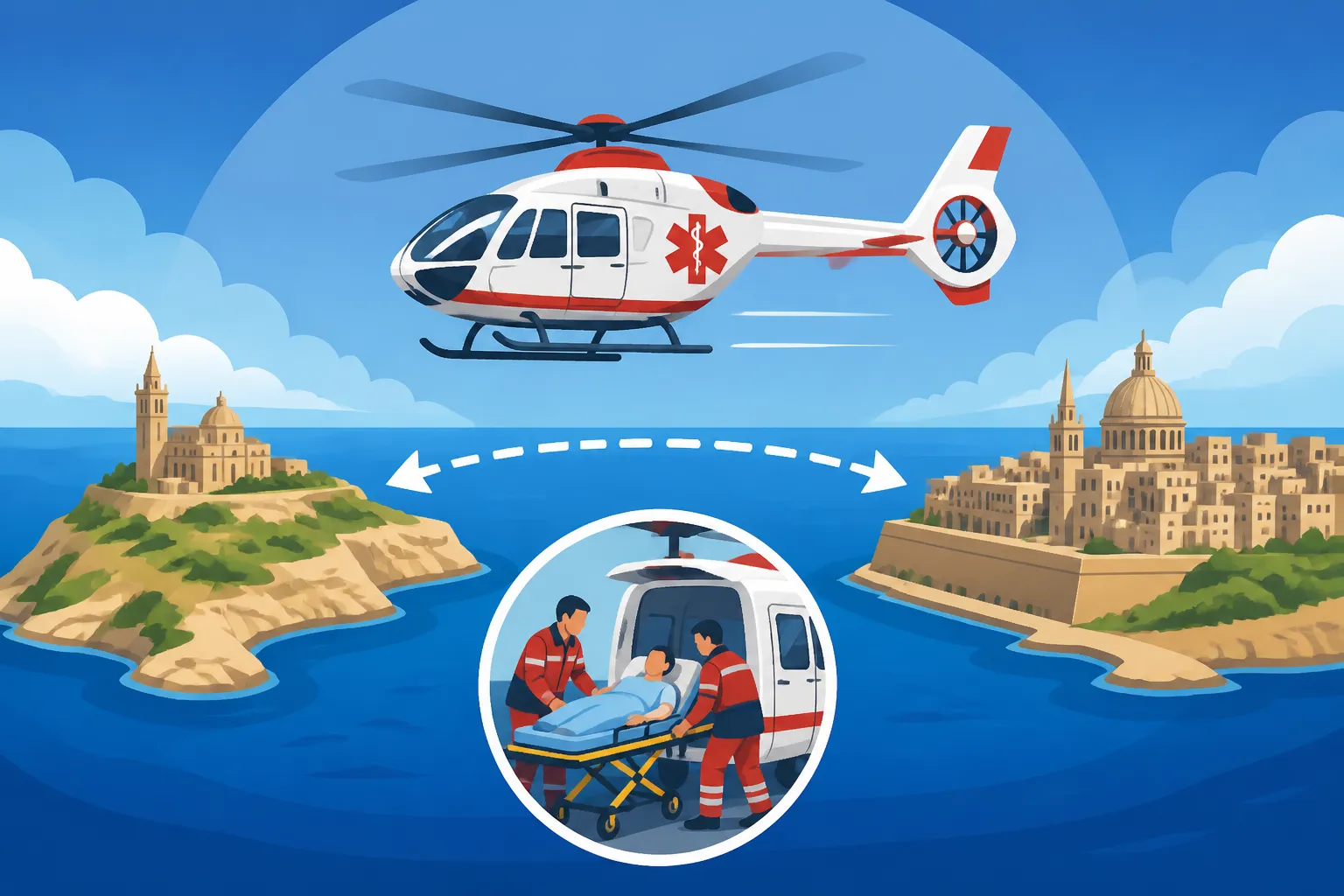
How Does the Air Ambulance Between Gozo and Malta Work?
Living on Gozo offers a tranquil, slow-paced lifestyle that many of us dream of, but that peace can quickly turn into anxiety when a medical emergency strikes. I remember sitting in a cafe in Victoria during a fierce Gregale storm, watching the waves crash over the breakwater and wondering what on earth would happen if someone needed a specialist surgeon right then. This guide explains the critical lifeline that connects our sister island to the mainland: the air ambulance service, how it is triggered, and what you need to expect as a foreign resident.
The Vital Link Between Gozo General and Mater Dei
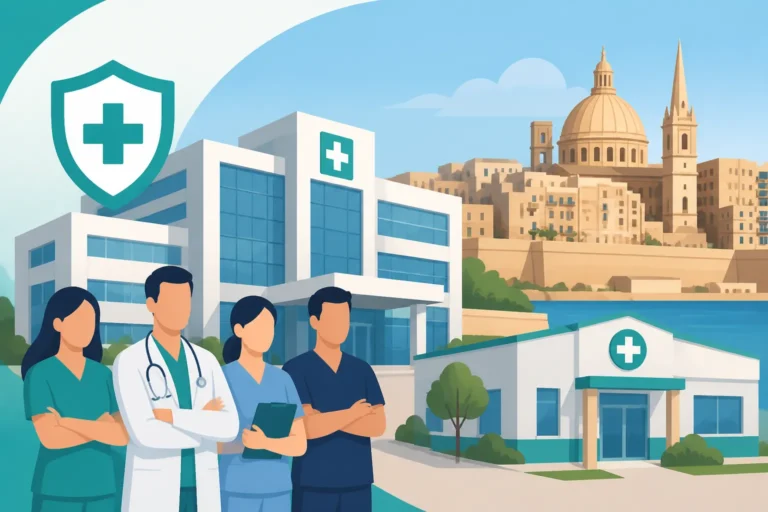
If you have spent any time living on the smaller island, you know that Healthcare in Gozo: Gozo General Hospital and Inter-Island Transfers is the backbone of the community. Gozo General Hospital is a dedicated facility with talented staff, but it is not equipped to handle every single medical eventuality. For major cardiac events, complex neurological cases, or severe multi-trauma incidents, the "big" hospital on the mainland, Mater Dei, is the destination.
The distance between the two hospitals isn't huge in kilometers, but the geography of the Maltese archipelago makes it a challenge. When every second counts, the standard ambulance-to-ferry route is simply too slow. This is where the air ambulance service comes into play. It isn't just a "helicopter ride"; it is a mobile intensive care unit that bridges the gap between the two islands.
In my years here, I have seen the helicopter take off from the Xewkija helipad more times than I care to count. It is a sobering sight, but also a reassuring one. It represents a sophisticated level of coordination between the Gozitan medical team and the specialists waiting in Msida. Understanding this process is essential for your peace of mind, especially if you are still navigating the nuances of How Malta's Public Healthcare Works: Entitlement, Contributions, and Costs.
When Is an Air Ambulance Triggered
An air ambulance transfer is not something a patient or a family member can "request" like a taxi. It is a strictly clinical decision made by the senior medical consultants at Gozo General Hospital. Generally, if you arrive at the Emergency Department in Gozo, the staff will first stabilize you. If they determine that your condition requires resources only available on the mainland, they will initiate the transfer protocol.
Common scenarios for an air transfer include:
- Acute myocardial infarction (heart attacks) requiring immediate catheterization.
- Stroke symptoms that need intervention at the specialized neurology suite at Mater Dei.
- Major trauma from traffic accidents or falls where surgical stabilization is urgent.
- Critical pediatric emergencies that require the Neonatal or Pediatric Intensive Care Units.
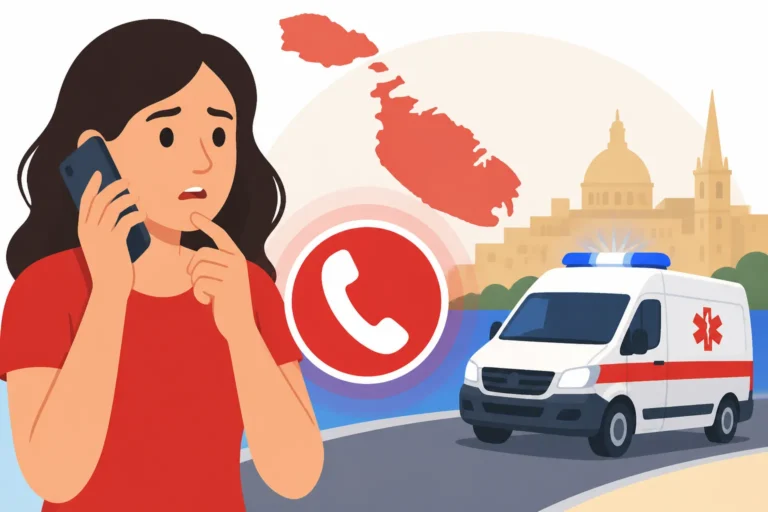
The coordination involves a direct line between the Gozo consultant and the Emergency Medical Care in Malta: 112, A&E, and Urgent Help team at Mater Dei. Once the "Go" signal is given, the helicopter is dispatched. While the Armed Forces of Malta (AFM) often provide the hardware and pilots, there are also dedicated medical helicopters operated through the national health service's partnerships. For those moving here on a temporary basis, having flexible coverage like SafetyWing can provide an extra layer of comfort should you need to navigate private options or unforeseen medical hurdles during your transition.
The Logistics of the Transfer Process
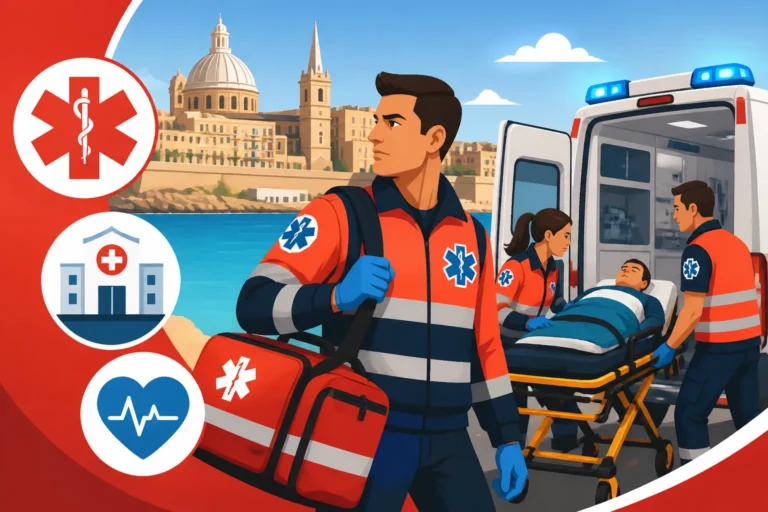
The journey usually begins at the Gozo General Hospital Emergency Room. Once the decision is made, the patient is prepped for transport. This isn't a simple move; it involves ensuring the patient is stable enough for the vibrations and pressure changes of a flight. You will be moved via a ground ambulance from the hospital to the Xewkija Helipad, which is only a few minutes away.
At the helipad, the handoff occurs between the hospital staff and the flight medical crew. This crew typically includes a specialized doctor (often an anesthesiologist or emergency physician) and a nurse trained in flight medicine. They bring with them portable ventilators, monitors, and emergency medications.
The flight itself across the Comino channel takes approximately 10 to 15 minutes, depending on the wind. It is incredibly fast compared to the hour-plus journey by road and ferry. Upon landing at the Mater Dei helipad, another ground ambulance is waiting to whisk the patient directly into the relevant department, often bypassing the standard A&E queue because the patient has already been "pre-admitted" via the radio link. If you are curious about what happens next, you can read more about What to Expect as a Patient at Mater Dei Hospital.
| Feature | Gozo-Malta Ferry Route | Air Ambulance Service |
|---|---|---|
| Travel Time | 60 – 90 Minutes | 10 – 15 Minutes |
| Medical Supervision | Ground Paramedics | Specialized Flight Doctor & Nurse |
| Trigger | Standard Emergency / Non-Urgent | Critical / Life-Threatening |
| Availability | 24/7 (Weather Permitting) | 24/7 (Strict Weather Limits) |
| Cost | Usually covered by state | Covered for entitled residents |
Cost and Entitlement for Expats
A common fear among newcomers is the bill. "Will I be charged thousands of euros for a helicopter?" The answer depends entirely on your residency status and your social security contributions. If you are a resident who is paying National Insurance in Malta, the air ambulance is considered part of the emergency service and is generally free at the point of use.
However, the "entitlement" aspect can be tricky for those who have just arrived or are on specific visa types. For example, if you are Healthcare on a Visa-Based Permit in Malta: Nomads, Retirees, and Investors, you must ensure your paperwork is in order. If the Entitlement Unit hasn't processed your file yet, the hospital might issue a bill that you'll need to settle or claim back later.
This is why many expats choose to maintain a policy with SafetyWing during their first few months or even as a long-term supplement. It provides a safety net that covers the gaps while you are waiting for your official documentation to clear. Whether or not you have the right "plastic card" in your wallet, the medical team will prioritize your life first and worry about the billing later. You can find more details on Is Emergency Treatment at Mater Dei Free for Everyone in Malta? to see how your specific situation might be handled.
What Happens During a Storm
The elephant in the room when living on Gozo is the weather. While the air ambulance is a miracle of modern medicine, it is not invincible. Malta can experience fierce winds that occasionally ground aircraft. In such cases, the medical teams have to revert to the "Lifeline" ferry—the Gozo Channel vessel that is designated for emergency crossings.
During high winds, the ferry captains and the police coordinate a "priority boarding." The ferry might even make a special trip just for the ambulance. Inside the ambulance on the ferry, the medical team continues to provide intensive care. It is a stressful experience for everyone involved, but the crews are incredibly well-practiced at this.
For those who are particularly concerned about these "island-locked" scenarios, Private Healthcare and Insurance in Malta: When You Need Cover can sometimes offer peace of mind, although it is important to note that in a true life-or-death emergency on Gozo, everyone—private or public—goes through the same public air ambulance system because it is the only one with the infrastructure to handle it.
Practical Advice for Family Members
One thing that often catches people off guard is that family members are almost never allowed to fly in the helicopter with the patient. Space is extremely limited, and the weight must be strictly managed for the medical equipment and crew. If your loved one is being flown to Malta, you will likely be left standing on the helipad in Xewkija.
In this moment, it is easy to panic. My advice is to have a "mainland bag" ready if you live with someone who has a chronic condition. This bag should have their ID, a list of medications, and your own passport and charger. You will need to take the next available ferry to Cirkewwa and then a taxi or bus to Mater Dei and Beyond: A Guide to Malta's Public Hospitals and Health Centres.
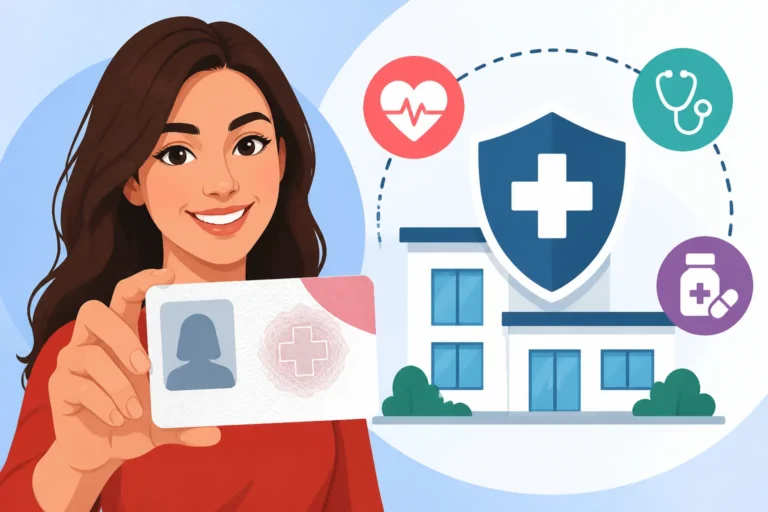
The administrative side of things will require Getting Your Maltese ID Card Number: The Key to Accessing Healthcare once you arrive at the hospital to ensure the patient's records are correctly linked. If you don't have this yet, the hospital staff will use a temporary number, but it can make following up on test results a bit more bureaucratic later on.
Insurance Considerations for Newcomers
If you are a digital nomad or a new resident, don't assume the public system will automatically cover a €5,000+ emergency bill if your status is still "pending." The Maltese government is very strict about What Public Healthcare Costs in Malta: Free Services and Paid Extras. Using a provider like SafetyWing is a common strategy for our community. It is designed for people who are between "home" and their new permanent residence, providing the necessary coverage for emergency evacuations and hospital stays that the state might bill you for if your NI contributions haven't kicked in yet.
Many expats are surprised to find that while the care is world-class, the billing department eventually catches up. Being proactive about your insurance—and understanding that the air ambulance is a premium service—is part of being a responsible resident on Gozo. It is always better to have the coverage and not need it than to be staring at a bill while recovering from a health scare.
Healthcare in Gozo Beyond the Emergency
While we focus on the dramatic air ambulance transfers, it is worth remembering that most of your interactions will be more mundane. Registering with a Health Centre and Choosing a GP in Malta is your first line of defense. By managing chronic conditions like high blood pressure or diabetes with a local Gozitan GP, you significantly reduce the likelihood of ever needing that helicopter ride.
Gozo has its own charms, but its medical isolation is a reality you must respect. Whether you are here for a year or a lifetime, knowing that the air ambulance exists is a comfort. It is a testament to the fact that even on a tiny rock in the middle of the Mediterranean, you are never truly alone when things go wrong. Ensure your paperwork is filed, keep a policy like SafetyWing active for those "just in case" moments, and enjoy the peace of the Xaghra hills knowing that the best care in the country is only a 10-minute flight away.
Inter-Island Healthcare Transfer Disclaimer
This guide is for informational purposes only and reflects the personal experiences and observations of the author living in Malta and Gozo. Medical protocols, air ambulance availability, and entitlement rules are subject to change by the Ministry for Health and Identità. In a medical emergency, always dial 112 immediately. The decision to transfer a patient by air is purely clinical and at the discretion of the attending medical professionals. Verify your specific insurance coverage and residency entitlement with the relevant authorities.