Is Emergency Treatment at Mater Dei Free for Everyone in Malta?
One of the most terrifying thoughts for any newcomer in Malta is ending up at Mater Dei Hospital after a sudden accident and being slapped with a massive bill while still in the recovery room. I remember the panic I felt when a friend had a serious allergic reaction during our first month here; I wasn't sure if we should head to A&E or if we'd be turned away for not having the right paperwork yet. This guide solves the mystery of who actually gets free emergency treatment and how to navigate the financial side of a crisis at Malta's main hospital.
The Myth of Universal Free Emergency Care
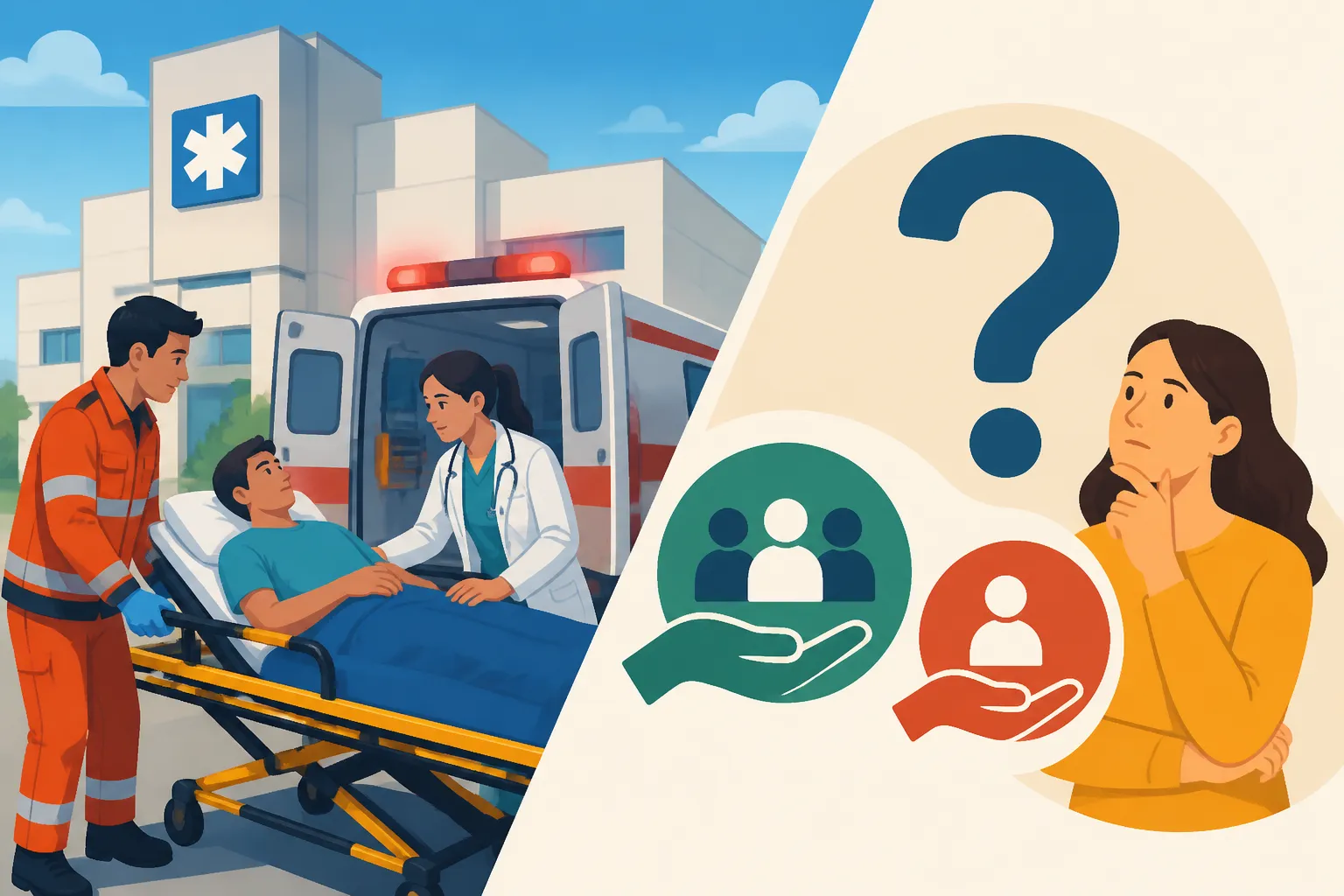
There is a common misconception among tourists and new expats that "emergency" automatically means "free" everywhere in the world. In Malta, the reality is a bit more nuanced. While the medical staff at Mater Dei will never refuse to treat a person in a life-threatening situation, being treated is not the same as being exempt from the bill. The hospital operates on a system of entitlement, and if you don't fit into specific categories, you will eventually be asked to pay for the services rendered.
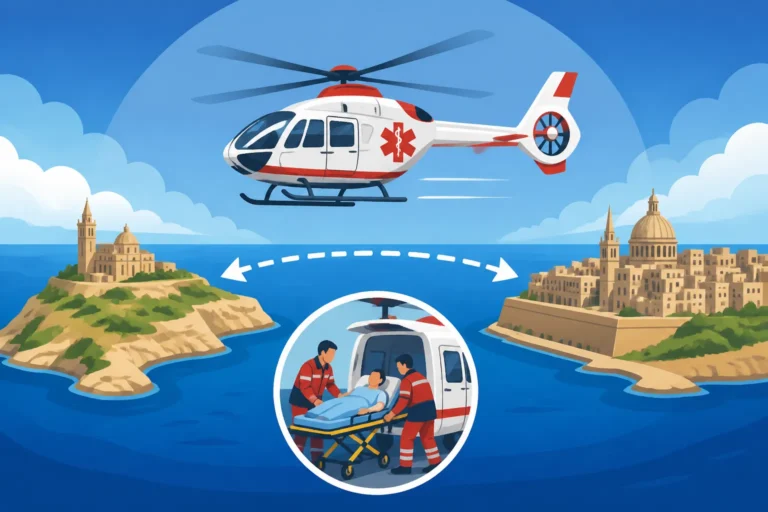
When you walk through the doors of the Accident and Emergency (A&E) department, the priority is stabilization. If you are bleeding, unable to breathe, or unconscious, the doctors aren't looking for your credit card. However, once the immediate danger has passed, the administrative side of the hospital kicks in. This is where your residency status, nationality, and social security contributions come into play. Understanding Emergency Medical Care in Malta: 112, A&E, and Urgent Help is the first step in knowing how the system prioritizes patients, but the financial fallout depends entirely on your paper trail.
For many digital nomads or those waiting for their residence cards to be issued, the uncertainty can be overwhelming. Some people hesitate to go to the hospital for a broken bone because they weren't sure if they were "entitled" yet. This is why having a flexible insurance option like SafetyWing can be a lifesaver during those first few months of transition. It provides a safety net so you can focus on getting better rather than calculating the cost of an X-ray.
Who is Actually Entitled to Free Care
Entitlement in Malta is primarily linked to your social security contributions. If you are working legally in Malta and paying your "bolla" (social security), you are generally covered by the public healthcare system. This means that if you end up at Mater Dei for an emergency, the costs are covered by the state. This applies to both EU and non-EU nationals, provided they are employed and contributing.
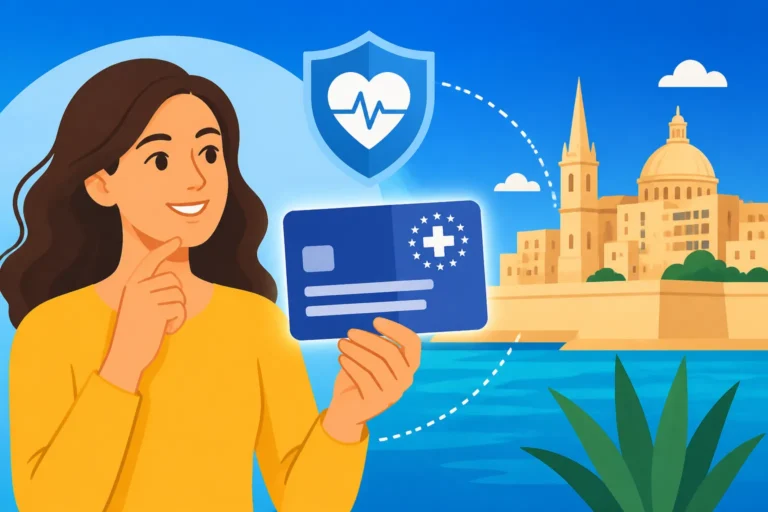
EU, EEA, and Swiss nationals who are visiting Malta have it a bit easier thanks to the European Health Insurance Card (EHIC). If you have a valid EHIC, you are entitled to the same emergency care as a Maltese local. However, it is important to remember that the EHIC is for temporary stays and emergency situations only; it is not a substitute for full residency-based healthcare. You can read more about Using Your EHIC for Care While Settling Into Malta to understand the limitations of that little blue card.
Then there is the Reciprocal Health Agreement (RHA). Malta has specific agreements with countries like Australia and the United Kingdom. British citizens, for example, often enjoy continued access to free emergency care under a bilateral agreement, but even this has specific rules regarding the length of your stay and your intent to reside. If you are a non-EU expat working on a Single Permit, your right to care is directly tied to your employment. If you lose your job or haven't started paying social security, the hospital might classify you as a "paying patient."
The Triage Process and How It Affects Your Visit
When you arrive at Mater Dei, you will go through a triage process. This isn't just about how sick you are; it's about how the hospital manages its resources. The triage nurse will assign you a color code based on the urgency of your condition. This system is designed to save lives, but it can be frustrating if you arrive with a non-life-threatening emergency, like a deep cut or a suspected fracture, and find yourself waiting for several hours.
During this waiting period, the administrative staff may approach you to confirm your identity and residency. They will ask for your Maltese ID card (eResidence card) or your passport. If you cannot provide proof of entitlement, they will note you down as a private patient. This is why it is crucial to understand Mater Dei and Beyond: A Guide to Malta's Public Hospitals and Health Centres before you actually need them. Knowing where the admissions desk is and what documents they need can save you a lot of stress in a high-pressure situation.
I always tell new arrivals to keep a digital copy of their employment contract and their latest payslip on their phone. If you are in A&E and the hospital hasn't updated your records yet, showing that you are a tax-paying resident can sometimes pause the billing process while The Entitlement Unit: Sorting Out Your Right to Treatment in Malta verifies your status.
Costs for Non-Entitled Patients
If you are a tourist from outside the EU, or a new resident who hasn't yet registered with the health authorities, the costs at Mater Dei can add up quickly. While the fees are generally lower than what you might find in the United States, they are certainly not "cheap" for someone on a budget. A simple visit to A&E can cost a few hundred euros, and if you are admitted for an overnight stay, the price jumps significantly.
| Service Type | Estimated Cost for Non-Entitled Patients |
|---|---|
| A&E Consultation | €150 – €300 |
| Overnight Stay (Basic Ward) | €400 – €600 per night |
| Intensive Care (ITU) | €1,500+ per night |
| Simple X-Ray | €50 – €100 |
| MRI or CT Scan | €300 – €800 |
| Surgical Procedures | Variable (can reach several thousand) |
These prices are why I strongly suggest that anyone moving here without a job offer already in hand looks into SafetyWing. It’s particularly useful for those on a nomad visa who aren't paying into the Maltese social security system but still want the peace of mind that an emergency won't drain their savings.
It’s also worth noting that "emergency" is strictly defined by the hospital. If you go to Mater Dei for something that could have been handled by a GP at a local health center, you might be charged even if you are an expat with a pending permit. To avoid this, make sure you know Which Health Centre Do I Go to After Moving to Malta to handle minor injuries and illnesses.
The Role of the Entitlement Unit
The Entitlement Unit is the gatekeeper of free healthcare in Malta. Even if you have your ID card, you might still need to register with this unit to ensure the hospital's billing system recognizes you as "free." For many expats, this is the most confusing part of the process. You think that because you pay taxes, you are automatically "in," but the hospital database and the social security database don't always talk to each other in real-time.
If you are billed for an emergency visit that you believe should have been free, you will need to deal with the Entitlement Unit to have the charges waived. This usually involves proving that you were "habitually resident" and paying contributions at the time of the visit. This is covered in detail in our guide on Health Entitlement in Malta: How Social Security Contributions Unlock Free Care, which is essential reading for anyone planning to stay in Malta long-term.
For those who are here on a more temporary basis, like digital nomads, SafetyWing acts as a bridge. Since nomads often don't qualify for state entitlement because they don't pay local social security, they are technically "paying patients" at Mater Dei. Having insurance that understands the nomadic lifestyle is much easier than trying to fight a bill through a government unit that wasn't designed for your specific work situation.
Why Private Insurance is Still Relevant
Even if you are entitled to free care at Mater Dei, many expats choose to maintain private health insurance. Why? Because while emergency care is excellent, the waiting times for non-urgent follow-up care can be incredibly long. If your emergency leads to a need for surgery that isn't deemed "life-threatening," you could be waiting months or even years in the public system.
Having private cover allows you to transition from the emergency care at Mater Dei to a private hospital like St. James or DaVinci for your recovery and follow-up. This is one of the many Private Health Insurance Requirements for Non-EU Permit Holders in Malta that people often overlook. They think the insurance is just for the visa, but it actually serves a practical purpose in getting you back to work faster.
I've known people who had an emergency appendectomy at Mater Dei—which was free and successful—but then struggled to get the necessary follow-up scans and physiotherapy because the public system was backed up. By using a combination of public emergency services and private insurance, you get the best of both worlds.
Practical Steps to Take Right Now
If you are living in Malta or just arrived, don't wait for an emergency to find out where you stand. There are a few things you can do today to make sure you aren't stuck with a bill you can't afford. First, verify your status. If you are an EU citizen, make sure your EHIC is in your wallet and hasn't expired. If you are a non-EU worker, check that your employer is actually paying your social security contributions.
Second, understand Healthcare in Malta for Foreign Residents: The Complete System Guide (2027). This will give you the full picture of how the primary, secondary, and emergency systems interlink. Third, if you are in any kind of "grey area"—waiting for a permit, working remotely, or between jobs—get covered. SafetyWing is a great choice because you can start and stop it as your situation changes, which is perfect for the often-unpredictable Maltese administrative timeline.
Finally, keep the emergency number 112 saved in your phone. In a real crisis, the cost is the last thing that should be on your mind. Mater Dei's medical team is world-class, and they will save your life first and ask about your residency later. But by being prepared, you can ensure that the "later" part doesn't become a second emergency.
Summary of Costs and Entitlement
To make it easier to digest, here is a breakdown of what you can expect based on your specific situation when visiting Mater Dei for an emergency.
- EU Tourists with EHIC: Generally free at the point of use for emergencies. You must present a valid card.
- Non-EU Tourists: You will be billed for everything from the consultation to the bandages. Private insurance is mandatory.
- Employed Expats (Paying Social Security): Free care once your entitlement is registered. You should carry your ID card and potentially a recent payslip.
- Digital Nomads: Unless you are paying Maltese social security, you are a paying patient. Options like SafetyWing are highly recommended.
- New Expats (Pending Permit): You are often treated as a paying patient until your permit is issued and your first contributions are processed.
For a deeper dive into the numbers, check out our article on What Public Healthcare Actually Cost in Malta: Free Services and Paid Extras. It breaks down the specific tariffs for those who do not qualify for state-funded care.
Important Disclaimer
This guide is intended for informational purposes only and is based on personal experience and general knowledge of the Maltese healthcare system. Healthcare regulations, entitlement criteria, and hospital fees in Malta can change without notice. Always consult with The Entitlement Unit: Sorting Out Your Right to Treatment in Malta or a qualified legal professional to confirm your specific rights and obligations. Neither the author nor this publication is responsible for any medical bills or legal issues arising from your reliance on this information. In a medical emergency, always call 112 immediately.