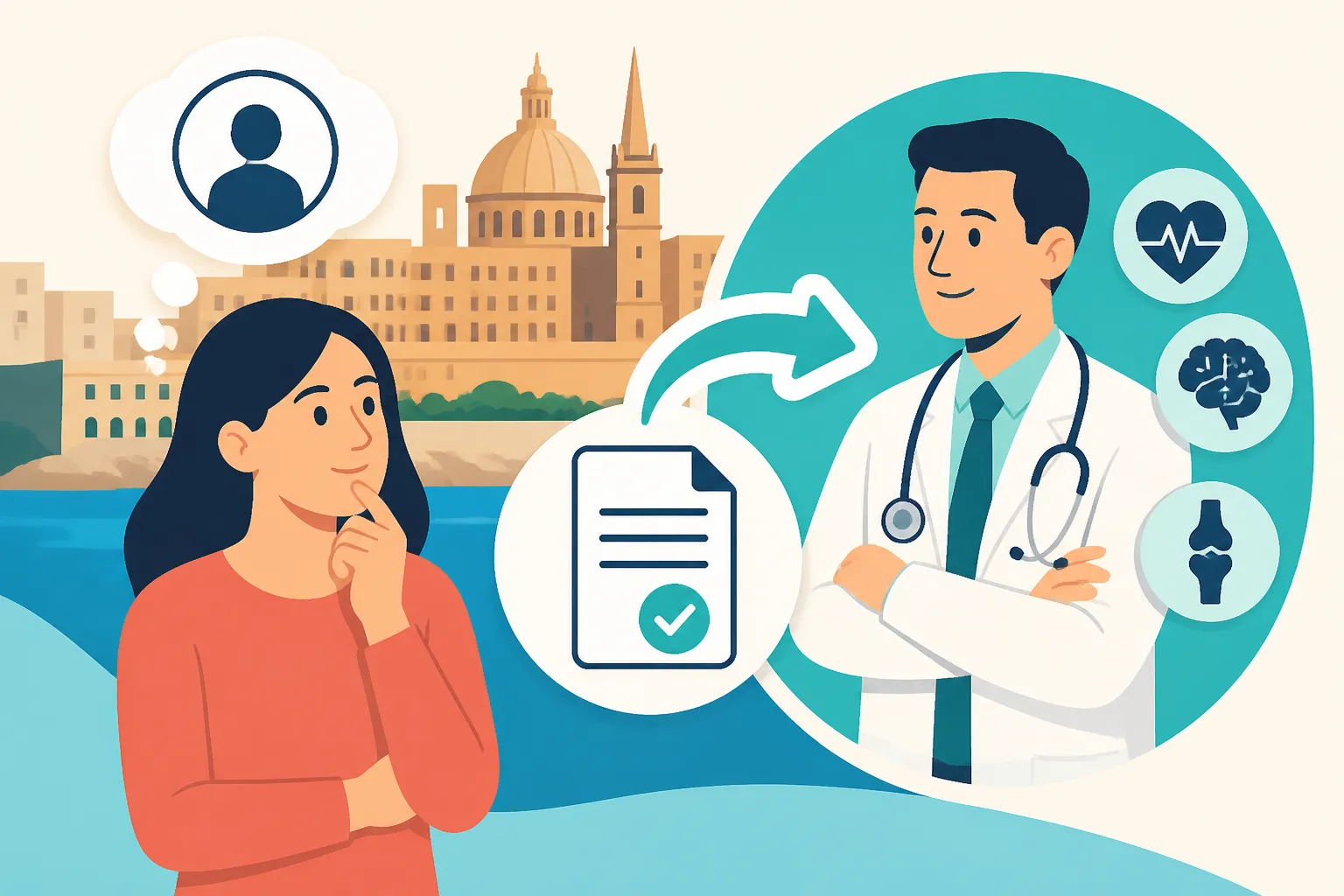
How Do I Get a Referral to a Specialist in Malta?
Trying to figure out how to see a cardiologist, dermatologist, or any other specialist in Malta can feel like solving a puzzle with half the pieces missing. I remember the sheer confusion of my first month here, standing in a pharmacy trying to "book an appointment" only to realize the system works quite differently than back home. This guide clears the fog and provides a step-by-step roadmap to navigating both public and private referrals.
Navigating the Public Gateway: The Health Centre Route
In the Maltese public health system, you cannot simply call Mater Dei Hospital and book a specialist of your choosing. The system is built on a strict "gatekeeper" model. This means your journey almost always begins with a General Practitioner (GP). If you are looking for Finding a Doctor in Malta: GPs, Specialists, and the Referral System, your first stop is your local Area Health Centre. These centres serve as the primary hubs for public medical care, and they are where the majority of referrals are initiated.
When you visit a Health Centre, you don't necessarily have a "fixed" family doctor provided by the state. Instead, you see whichever GP is on duty. You’ll need to present your Maltese ID card and, in some cases, proof of your Health Entitlement in Malta: How Social Security Contributions Unlock Free Care to ensure you aren't billed for the visit. I’ve spent many mornings in the waiting rooms of the Gzira and Floriana centres; my best advice is to arrive early, as the queues can grow quickly, and the "walk-in" system operates on a first-come, first-served basis.
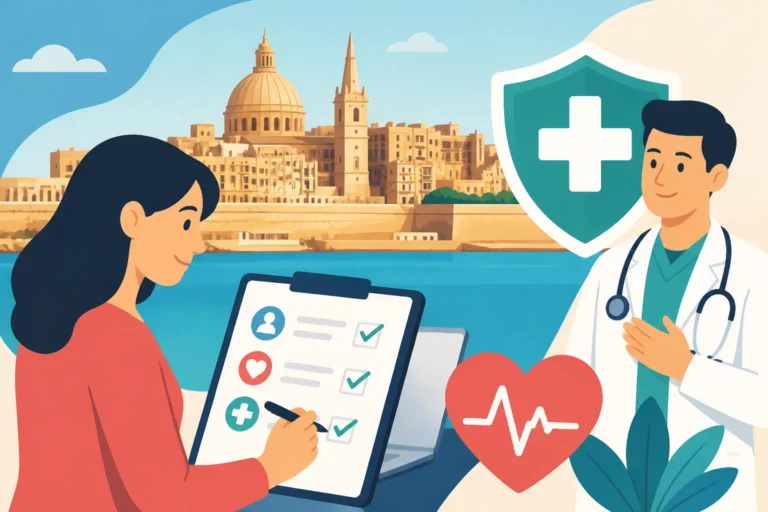
Once you are in the consultation room, you must explain your symptoms clearly. The GP will evaluate whether your condition requires the expertise of a specialist at Mater Dei. If they agree, they won't just give you a name and a phone number. Instead, they will fill out a specific physical document known as a "Ticket of Referral." This piece of paper is the golden ticket to the public specialist system. Without it, the doors to Mater Dei’s outpatient clinics remain firmly shut for non-emergency cases.
It is worth noting that while Registering with a Health Centre and Choosing a GP in Malta is a straightforward process, the public GP’s role is to filter cases. They are highly professional but often under significant time pressure. Be prepared with a concise history of your symptoms and any previous treatments. If the GP deems the issue routine, they may suggest managing it at the Health Centre level first before escalating to a consultant.
Understanding the Ticket of Referral System
The "Ticket of Referral" is more than just a suggestion; it is a formal clinical request. Once the GP writes this referral, the process moves into the administrative hands of the National Health Service. In the past, you had to physically drop this form off at the hospital, but nowadays, most Health Centre referrals are logged electronically. However, if you see a private GP who recommends a public specialist, they will give you a physical blue or white form that you must personally mail or deliver to the Outpatients Department at Mater Dei.
Once the referral is received, it undergoes a process called "triage." A consultant at the hospital reviews the referral to determine its urgency. This is where many expats get frustrated. You won’t get an appointment date immediately. The hospital will eventually send you a letter by post (and sometimes an SMS) with your appointment date and time. This can take anywhere from a few weeks to several months depending on the specialty.
To keep track of where you are in the system, I highly recommend How Do I Register on the myHealth Portal in Malta. This digital platform is a lifesaver for foreigners who are used to more tech-forward systems. Once you have your e-ID, you can log in to see your active referrals, upcoming appointments, and even your lab results. It takes the guesswork out of waiting for a letter that might get lost in the mail.
If your condition changes or worsens while you are on a waiting list, you shouldn't just wait for your appointment. You should return to your GP. They have the power to issue an "urgent" upgrade to your referral if your clinical status has deteriorated. Understanding How the Specialist Referral System Works in Malta's Public Hospitals requires a bit of patience and the realization that the system prioritizes life-threatening or acute conditions over routine check-ups.
Going Private: The Faster Alternative
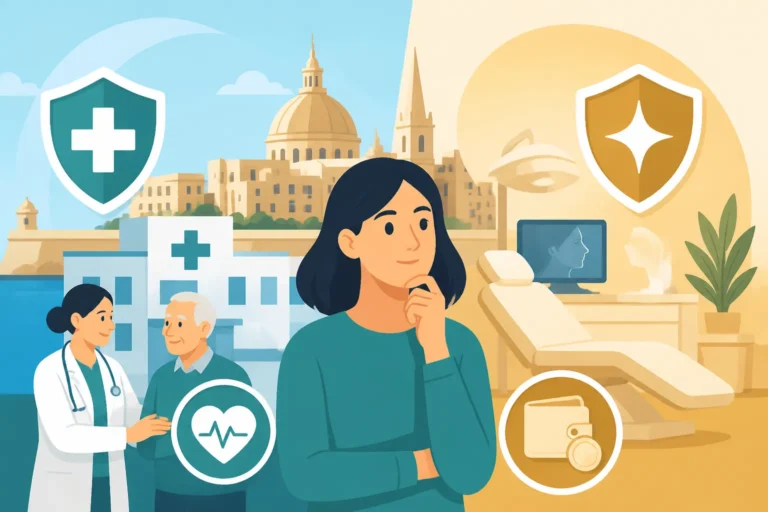
If the thought of waiting months for a consultation is daunting, the private sector is the standard alternative in Malta. The beauty of the Maltese private system is its accessibility. Most specialists who work in the public sector at Mater Dei also "moonlight" in private clinics or local pharmacies in the evenings. This means you can often see the exact same top-tier consultant within days rather than months, provided you are willing to pay.
The most common way to access a private specialist is through a local pharmacy. Most large pharmacies in towns like Sliema, St. Julian’s, or Naxxar have a "clinic" at the back or on the upper floor. You can simply walk into a pharmacy, ask which specialists visit that week, and book an appointment at the counter. For those who are not yet covered by the public system—perhaps you are still waiting for your ID card or you are here on a Nomad Residence Permit—this is often the most logical route.
When going private, you technically do not "need" a referral from a GP to book a specialist, but it is still highly recommended. A GP’s referral note provides the specialist with a clinical context that ensures you are seeing the right person. Furthermore, if you plan to claim the cost back from insurance providers like SafetyWing, they often require a GP's referral to justify the specialist visit. SafetyWing is particularly useful for expats who move frequently or are in the "in-between" stage of residency, as it provides a safety net when the local public system feels too slow.
The costs for private specialist consultations usually range from €60 to €100. However, keep in mind that diagnostic tests like MRIs, CT scans, or extensive blood work performed privately can be expensive. This is where having robust coverage from a provider like SafetyWing becomes essential. Without it, a single specialist visit followed by an MRI could easily set you back several hundred euros. Many expats use a hybrid approach: they see a specialist privately for the initial diagnosis to save time, then ask that specialist to refer them back into the public system for long-term treatment or expensive surgeries.
Comparing Specialist Access Routes
| Feature | Public Route (Mater Dei) | Private Route (Clinics/Pharmacies) |
|---|---|---|
| Initial Step | Visit a State Health Centre GP | Visit a Private GP or Pharmacy Clinic |
| Referral Required? | Mandatory (Ticket of Referral) | Recommended (Often required by insurance) |
| Waiting Times | Weeks to Months (Triage-based) | Usually 2 to 7 Days |
| Cost | Free (If entitled) | €60 – €100 per consultation |
| Insurance | Not applicable | Highly recommended (e.g., SafetyWing) |
| Documentation | Recorded in myHealth portal | Physical reports given to patient |
Practical Tips for Your Specialist Visit
When you finally get to your specialist appointment, whether public or private, being prepared is key. In the public system, appointments can be very brief. The consultant might be seeing dozens of patients in a single session. I always bring a written list of my medications and any relevant history from my home country. If you have had scans or tests done abroad, try to have them on a USB stick or printed out. Do not assume the Maltese system can automatically pull records from another country.
Communication is generally easy since almost all medical professionals in Malta speak excellent English. However, the culture can be quite direct. Don't be afraid to ask questions about the next steps. If the specialist recommends a specific procedure, ask whether it will be done at Mater Dei and Beyond: A Guide to Malta's Public Hospitals and Health Centres or if you need to book it privately. If you are using SafetyWing, make sure to ask for a detailed medical report and a receipt, as you will need these for your claim.
Another thing to consider is the location. While Mater Dei is the central hub for public specialist care, some private specialists only consult in specific regions. If you live in the North but your specialist only visits a pharmacy in Marsascala, you might have quite a trek ahead of you. Traffic in Malta is a real factor, so always leave at least 30 minutes earlier than you think you need to. I’ve missed a private appointment because of a sudden "festa" road closure, and re-booking wasn't always easy.
Lastly, keep your own folder of medical documents. In Malta, patients are often the primary "carriers" of their own medical history when moving between the private and public sectors. If you see a specialist privately, they will give you a handwritten or typed note. Keep this safe! If you later decide to use the public system, that note will be vital for your public GP to understand what has already been investigated. For more details on budgeting for these visits, check out What Public Healthcare Costs in Malta: Free Services and Paid Extras.
Managing Follow-ups and Long-term Care
Once the initial specialist consultation is over, the follow-up process begins. In the public system, the specialist will determine the frequency of your follow-ups. These follow-up appointments are usually handled by the hospital’s booking office. You will receive your next appointment date before you leave the clinic, or it will be sent to you later. Again, check your myHealth account regularly to ensure no appointments have been scheduled without you realizing it.
If you are managing a chronic condition, your specialist may need to sign you up for the "Yellow Card" (Schedule V) scheme. This entitles you to free medications related to your specific condition. This is a separate process from the referral itself and requires the specialist to fill out a specific application form that is then vetted by the Health Department. It can take a few weeks to be approved, but it significantly reduces the cost of long-term care.
For those using the private route via SafetyWing or other insurance, follow-ups are much simpler to manage but require careful financial tracking. Most private specialists will give you their direct contact number or the number of their secretary. This allows for a much more personal relationship than the public system usually allows. If you find a specialist you really trust, it is often worth the private consultation fee just for the peace of mind and the ability to ask follow-up questions via email or phone.
In the end, the "best" way to get a specialist referral in Malta depends on your urgency and your budget. If it’s a routine matter and you are paying your social security contributions, the public route is efficient, albeit slow. If you are in pain, worried, or just want answers quickly, the private pharmacy-clinic model is the way to go. Having a reliable insurance partner like SafetyWing ensures that whichever path you choose, you aren't left facing unexpected medical bills alone. Navigating Private Healthcare and Insurance in Malta: When You Need Cover is a core part of expat life here, and once you understand the rhythm of the islands, the system becomes much easier to manage.
Disclaimer
This article is for informational purposes only and does not constitute professional medical or legal advice. Healthcare regulations and entitlement criteria in Malta can change frequently. Always consult with a qualified medical professional or contact the Maltese Primary HealthCare department and Identità for the most up-to-date information regarding your specific residency and health entitlement status.