Can I Drive in Malta on My Foreign Licence?
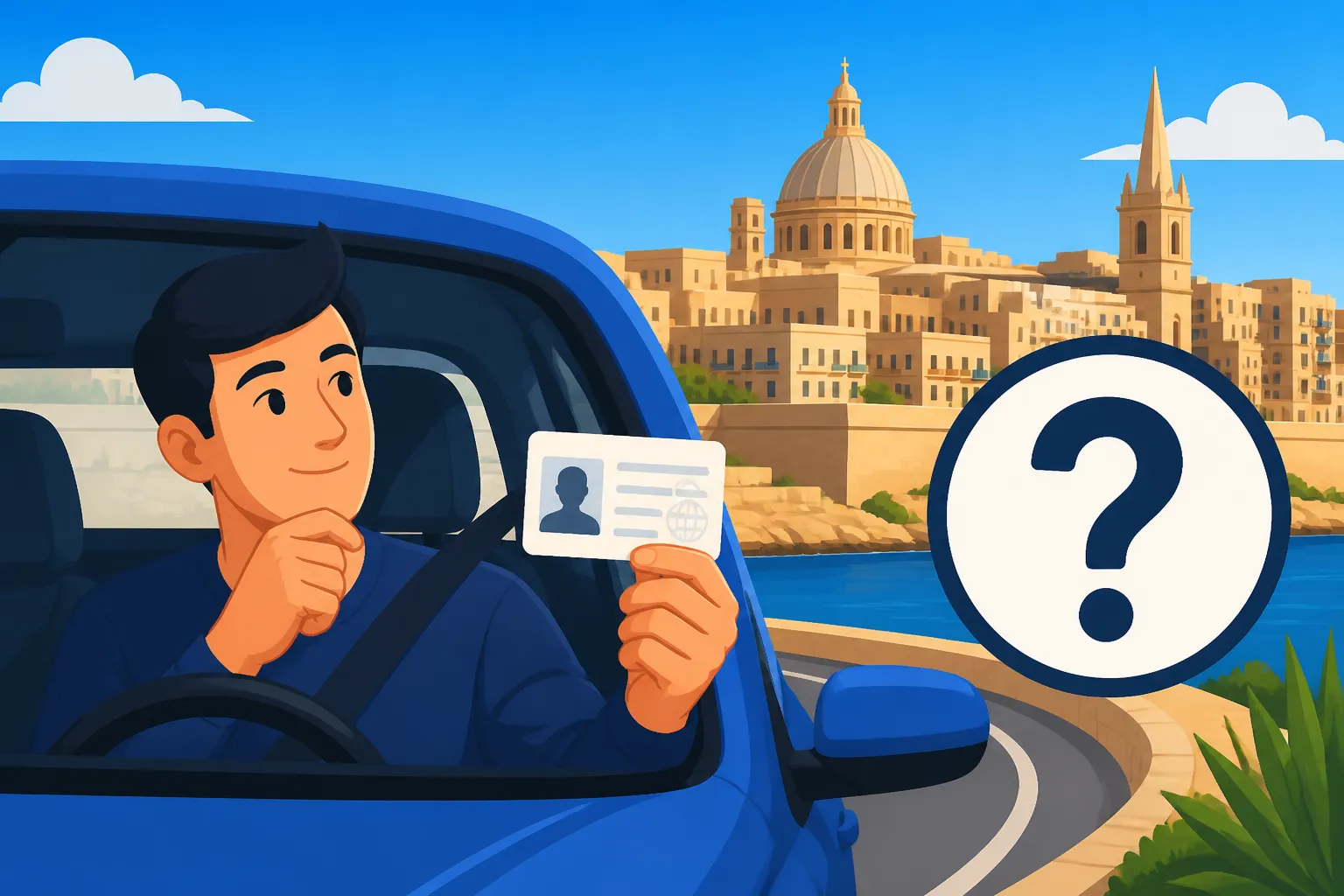
Navigating life in a new country always throws up a few curveballs, doesn't it? One of the biggest worries I hear from fellow expats, especially those used to the freedom of having their own wheels, is whether their existing driving licence will actually cut it here in Malta. It’s not always straightforward, and the rules depend heavily on where you're from and how long you plan to stay. This guide will walk you through the ins and outs of driving in Malta with a foreign licence, helping you understand your rights and obligations, so you can hit the road with confidence.
The Initial Grace Period for Foreign Licences
When you first arrive on these sunny islands, the good news is that you generally won't need to rush straight to Transport Malta to get a new licence. There's a grace period, but its length and conditions can differ significantly depending on your nationality. This initial period is often a bit of a grey area for many newcomers, leading to unnecessary stress, so let's clear things up.
EU/EEA Citizens: Your Existing Licence is Valid (for a while!)
If you're lucky enough to hail from an EU or EEA member state, your existing driving licence is generally recognised in Malta for an indefinite period. That's a huge relief, right? However, while legally you might be able to keep using your French, German, or Irish licence for years, Transport Malta and local authorities strongly recommend that you exchange it for a Maltese one once you establish habitual residence. Why? Because it makes things far simpler for administrative purposes, like dealing with insurance companies or if you ever have a run-in with the local wardens.
Imagine this: You've just arrived from Italy, your apartment is sorted, and you've started a new job. For all intents and purposes, you're now a resident. Your Italian driving licence is still perfectly valid, and you can rent a car or even buy one and get insured. But if your licence is lost, stolen, or expires, renewing it from Malta can become a bureaucratic headache. You'll likely need to go back to Italy, or at the very least, engage with the Italian authorities remotely, which can be a drawn-out process. Exchanging it for a Maltese one means all your driving-related documentation is local, simplifying future renewals and any potential dealings with law enforcement. It’s about practicality, not strict legality, in the long run.
Non-EU/EEA Citizens: The Twelve-Month Window
Now, if you're joining us from outside the EU/EEA, the rules are a bit more restrictive. You can typically drive in Malta on your foreign licence for a maximum period of twelve months from your last entry into the country. This isn't twelve months from when you got your residence permit; it's from the day you stamped into Malta. This distinction is crucial and often catches people out. After this 12-month period, your foreign licence is no longer considered valid for driving here, and you must either exchange it for a Maltese one (if your country has a reciprocal agreement) or pass the Maltese driving tests.
Let's say you're a US citizen who arrived eight months ago, got your single permit approved, and bought a car. You've been happily driving around with your California licence. Now, with only four months left in your grace period, you need to start planning. If California has a reciprocal agreement with Malta (which many US states do), you can apply to exchange it. If not, then it's back to basics with theory and practical tests. It's also highly advisable for non-EU/EEA drivers to carry an International Driving Permit (IDP) alongside their original foreign licence during this initial 12-month period. An IDP is essentially a translation of your licence, and while not always strictly mandatory for brief tourist visits, it significantly eases interactions with rental agencies and police, especially if your licence isn't in English. Many find that companies like Sirelo, which help with international moves, often provide good advice on these kinds of preparatory documents before you even arrive.
When You Must Exchange Your Foreign Licence for a Maltese One
The notion of "when" you must exchange your licence is key, and it largely hinges on the definition of becoming a resident. It's not just a matter of having a permit; it’s about where you habitually live. Understanding this distinction is vital to avoid any issues down the road.
The Definition of "Becoming a Resident" in Malta
For driving licence purposes, "becoming a resident" isn't solely tied to the moment your eResidence card lands in your hand, though that's certainly a strong indicator. It refers to establishing your "habitual residence" in Malta. This means you primarily live here, usually for at least 185 days in any calendar year, and have significant personal and occupational ties to the island. If you've moved here for work, study, or retirement, and you intend to stay long-term, you are considered habitually resident. This is the trigger point for various administrative processes, including the expectation to exchange your driving licence.
So, while an EU/EEA licence technically remains "valid," the moment you become habitually resident, Transport Malta expects you to initiate the exchange. For non-EU/EEA citizens, the 12-month clock from your arrival works concurrently with this. Essentially, once you're settled and have received your official Maltese identity document, like your eResidence card, the administrative push for a Maltese driving licence becomes very real. Remember, your Getting Your Maltese eResidence Card and ID Number is the cornerstone of almost all official procedures here, so getting that sorted is always high priority.
The Exchange Process: Step-by-Step for EU/EEA Licences
For those with an EU/EEA licence, the exchange process is relatively straightforward, though it does involve a visit to Transport Malta's offices in Paola or Saqqajja.
- Gather Your Documents: You'll need your original valid EU/EEA driving licence, your Maltese eResidence card, your passport or ID document, two passport-sized photos, and a completed application form (Form DRV01). Depending on your age or any medical conditions, you might also need a medical certificate from a Maltese doctor.
- Submit Your Application: Take all these documents to Transport Malta. You'll hand in your original EU/EEA licence, which will be sent back to your home country's issuing authority. You’ll be issued a temporary driving permit until your new Maltese licence is ready.
- Pay the Fee: There's a fee for the exchange, which covers the administrative costs and the issuance of your new licence.
- Wait for Your New Licence: Processing times can vary, but generally, you can expect your new Maltese driving licence to be posted to your registered address within a few weeks. During this waiting period, your temporary permit allows you to drive legally.
This process is designed to be as smooth as possible, acknowledging that you’re simply transferring an existing entitlement rather than proving your driving ability anew. It’s definitely something to tackle once you’ve sorted out your housing and other initial administrative hurdles like What Landlords in Malta Require Before They Rent to You and Setting Up Electricity and Water with ARMS and Enemalta in Malta.
The Exchange Process: Step-by-Step for Non-EU/EEA Licences (Recognised Countries)
If you're from a non-EU/EEA country that has a reciprocal agreement with Malta, you're in a much better position than those without one. Malta has these agreements with a number of countries, including Australia, Switzerland, and the United Kingdom, among others, and even certain states within the USA. It’s crucial to verify if your specific country or state is on the current list maintained by Transport Malta, as these agreements can change.
The process is similar to the EU/EEA exchange but often requires a few additional steps:
- Check Reciprocity: First and foremost, confirm that your country's licence is indeed recognised for exchange. A quick check on the Transport Malta website or a phone call can save you a lot of hassle.
- Required Documents: Besides your original licence, Maltese eResidence card, passport, and photos, you'll likely need an official letter from your original licensing authority confirming the authenticity and validity of your licence, including the dates it was issued and any endorsements. This can be the trickiest part, as some foreign authorities are slow to provide this.
- Application and Submission: Complete the DRV01 form and submit it with all supporting documents to Transport Malta. Again, your original licence will be taken, and you'll receive a temporary permit.
- Fee and Waiting Time: Pay the required fee. The waiting time might be slightly longer due to the extra verification steps involved.
For more detailed information on which licences can be exchanged and the precise documents required, consulting the official Transport Malta guidelines is essential. The general process for Importing or Exchanging Your Driving Licence in Malta covers these aspects comprehensively. While moving internationally, remember services like Airalo for easy eSIMs can keep you connected for these vital checks without breaking the bank on roaming charges.
What if Your Licence Isn't Exchangeable? The Maltese Driving Test
For many non-EU/EEA citizens, especially those from countries without a reciprocal agreement with Malta, the path to driving legally after the 12-month grace period means going through the full Maltese driving test. This can feel daunting, but it's a rite of passage for many expats.
The Unfortunate Reality for Many Non-EU Drivers
This is where the rubber meets the road, quite literally. If your foreign licence isn't from an EU/EEA country or one with a bilateral exchange agreement, then after your initial 12-month period of driving on it, you'll need to pass both the theory and practical driving tests in Malta. This can be a source of considerable frustration, especially for experienced drivers who've held a licence for decades. It feels like a step backward, an unnecessary hurdle. Believe me, I've heard countless stories of seasoned drivers having to relearn parallel parking for the Maltese test!
The reality is that Malta, like many other countries, needs to ensure that all drivers on its roads meet local safety and competency standards, especially given its unique driving conditions. This means sitting for the computer-based theory test, which covers road signs and rules, followed by the practical driving test, where you demonstrate your ability to handle a vehicle safely and competently on Maltese roads. Each test comes with its own fees, and of course, you'll likely need to invest in driving lessons to familiarise yourself with the local test requirements and nuances.
Preparing for the Maltese Driving Test
Preparing for the Maltese driving test involves a two-pronged approach: the theory test and the practical test.
For the theory test, you’ll need to study the Maltese Highway Code. Many driving schools offer preparation materials, and there are often apps and online resources available to practice the multiple-choice questions. The test is available in English, which is a huge relief for many expats. The key here is not just knowing the rules, but understanding them in the context of Malta's specific road network and traffic flows.
For the practical test, you'll definitely want to take lessons with a qualified Maltese driving instructor. They can familiarise you with the test routes, the specific manoeuvres required (yes, parallel parking is a big one!), and the expectations of the Transport Malta examiners. There are many driving schools across the islands, with some popular ones including "Smart Drive" or "Island Wheels," offering lessons in English. These instructors can also help you adapt to Malta's unique driving quirks – like navigating narrow village streets, aggressive merging, and roundabouts that sometimes feel like a free-for-all. It’s not just about passing the test; it's about learning to drive safely and confidently in Malta’s often challenging conditions. Many find the experience eye-opening, even if they’ve been driving for years in their home country. Diving into the specifics of Driving in Malta: Licences, Roads, and Buying a Car will offer further context to these challenges.
Temporary Driving Permissions While Waiting
This is a critical point: generally, once your 12-month grace period for a non-exchangeable foreign licence has expired, you cannot drive legally in Malta until you have successfully passed your Maltese driving tests and received your new Maltese licence. There are no temporary driving permissions or extensions to tide you over while you're waiting for a test date or for your licence to be processed, beyond the grace period itself.
Driving without a valid licence in Malta carries serious legal consequences, including heavy fines, impoundment of your vehicle, and potentially even imprisonment. It's simply not worth the risk. If you are past your 12 months and haven't exchanged your licence or passed the test, your only legal option to get around is public transport, taxis, or ride-sharing services. This is why it’s imperative to start the process well before your 12-month window closes. Having an alternative like a Tallinja Card for free public transport can be a lifesaver during this transition period.
Important Considerations for Driving in Malta
Beyond the licence itself, there are several other practical aspects you need to be aware of when driving in Malta. These range from insurance to understanding local road etiquette and safety.
Insurance Requirements and Your Licence
Getting vehicle insurance in Malta is mandatory, and your driving licence plays a significant role in this. When you first arrive and are driving on your foreign licence, insurance companies will assess your driving history and potentially your experience, which might be harder to verify from an overseas document. This can sometimes lead to higher premiums initially. Once you exchange your licence for a Maltese one, it simplifies the insurer's verification process, and your premiums might adjust over time, depending on your driving record.
Crucially, ensure your insurance policy is valid for the type of licence you are holding. If your 12-month grace period expires and you continue to drive on a non-exchangeable foreign licence, your insurance policy will likely become invalid. In the event of an accident, this could lead to devastating financial consequences, as you would be personally liable for all damages. Always be transparent with your insurance provider about your licence status and your residency in Malta to ensure you are fully covered.
Road Rules, Local Peculiarities, and Safety Tips
Malta drives on the left-hand side of the road, inherited from its British colonial past. This is one of the most important things to remember for those coming from right-hand-drive countries. Beyond that, Maltese roads have their own unique character. Expect narrow streets, especially in village cores, numerous roundabouts (often navigated with a sense of urgency), and a driving culture that can be… assertive, to say the least. Signalling is sometimes optional for other drivers, and horns are used freely, not always out of anger, but often as a warning or a greeting.
Parking can be a nightmare in popular areas, so patience is key. Speed cameras are present, and bus lanes are strictly for buses (and occasionally taxis). Be extra cautious around pedestrians, especially in crowded urban areas like Sliema and St Julian's, and remember that scooters and motorbikes weave through traffic frequently. Driving here requires a heightened sense of awareness and a good dose of Mediterranean patience. For a more complete overview of the local driving scene, check out our comprehensive guide on Getting Around Malta: Buses, Ferries, Driving, and the Gozo Connection. This includes tips relevant for those thinking about Choosing Where to Live in Malta: Towns, Regions, and Gozo, as traffic and parking vary hugely by location.
International Driving Permits (IDPs) and Their Role
An International Driving Permit (IDP) is essentially a multilingual translation of your original driving licence. It is not a standalone document that allows you to drive independently; it must always be accompanied by your valid national driving licence. For non-EU/EEA citizens, an IDP is particularly useful during your initial 12-month grace period in Malta, especially when renting a car or if you are stopped by the police, as it makes verifying your licence details much simpler.
However, once your 12-month grace period expires and you become a long-term resident, an IDP does not extend your right to drive in Malta on your foreign licence. At that point, you need either an exchanged Maltese licence or a licence obtained by passing the Maltese driving test. While useful for tourists and new arrivals, an IDP doesn't bypass the residency requirements for full licence exchange. It’s a temporary aid, not a long-term solution. When you're planning your big move, guides like Housing and Living in Malta: The Complete Newcomer's Guide (2027) often highlight these essential documents that make your initial transition smoother.
| Licence Type | Initial Validity Period in Malta | Requirement for Continued Driving as a Resident | Exchange Process |
|---|---|---|---|
| EU/EEA Licence | Indefinite, as long as valid in home country. | Recommended to exchange upon establishing habitual residence. | Direct exchange at Transport Malta (Form DRV01, ID, photos, original licence). |
| Non-EU/EEA (Recognised Country) | Up to 12 months from last entry into Malta. | Mandatory to exchange after 12 months. | Direct exchange at Transport Malta (Form DRV01, ID, photos, original licence, authenticity letter). |
| Non-EU/EEA (Non-Recognised Country) | Up to 12 months from last entry into Malta. | Mandatory to pass Maltese theory & practical tests after 12 months. | Cannot be exchanged. Must apply for a learner's permit and pass tests. |
| International Driving Permit (IDP) | Valid only when accompanied by your original licence, for its validity period. | Does not extend driving rights beyond the 12-month grace period. | Not an exchangeable licence; it's a translation document. |
Disclaimer
The information provided in this guide is for general informational purposes only and does not constitute legal advice. While we strive to keep the information up-to-date and accurate, regulations regarding driving licences and residency in Malta can change. It is always recommended to consult the official Transport Malta website or seek professional legal advice for the most current and specific information pertaining to your individual circumstances.