Preventive Health and Screening Programmes for Adults in Malta
Most foreigners in Malta wait until a sharp pain or a high fever strikes before they even think about stepping into a local clinic or hospital. I made the exact same mistake during my first two years in Sliema, only to realize later that I had missed out on several state-funded health checks because I wasn't even on the radar of the national screening units. This guide clarifies exactly how to access preventive health and screening programmes in Malta, ensuring you catch potential issues before they become life-altering emergencies.
Understanding the Preventive Health Landscape in Malta
When you first arrive in the Maltese Islands, the administrative side of healthcare can feel like a labyrinth of limestone and paperwork. The Maltese government places a high value on preventive medicine because, frankly, it is much cheaper for the state to prevent a condition than to treat one at Mater Dei Hospital. As an expat, you aren't just an observer of this system; once you are legally resident and paying your social security contributions, you are an active participant.
The National Philosophy of Proactive Care
Malta’s healthcare system is heavily centralized, which is actually a blessing when it comes to preventive care. The National Screening Centre, located in Valletta near the iconic Floriana granaries, acts as the hub for most major adult screening programmes. Unlike some countries where you have to hunt for your own tests, Malta operates on an "invitation-based" system for many screenings. This means the government uses the database from Identità to find out who is eligible based on age and gender, and then they send a physical letter to your registered address.
However, this is where many expats stumble. If you haven't sorted out your Getting Your Maltese ID Card Number: The Key to Accessing Healthcare or if you moved house and didn't update your address with the authorities, that invitation for a life-saving check-up will end up in the bin of your old apartment. The philosophy here is that the state provides the opportunity, but the responsibility to remain "visible" to the system lies squarely on your shoulders.
Eligibility and the Role of the Entitlement Unit
Just having an ID card isn't always enough to get these screenings for free. You generally need to prove your right to state care. For most of us working here, this comes down to Health Entitlement in Malta: How Social Security Contributions Unlock Free Care. The National Screening Centre cross-references their lists with the Entitlement Unit to ensure patients are eligible for the public route.
If you are a digital nomad or someone waiting for their paperwork to clear, you might find yourself in a gray area. This is why many seasoned expats keep a flexible policy like SafetyWing in their back pocket. It covers the gaps when the public system is still "processing" your existence, or when you’d rather just book a preventive screen at a private clinic in St. James Hospital or DaVinci Healthcare without waiting for an official invitation letter. SafetyWing is particularly useful because it understands the nomadic lifestyle, providing a safety net while you navigate the local bureaucracy.
Cancer Screening Programmes: What to Expect and How to Join
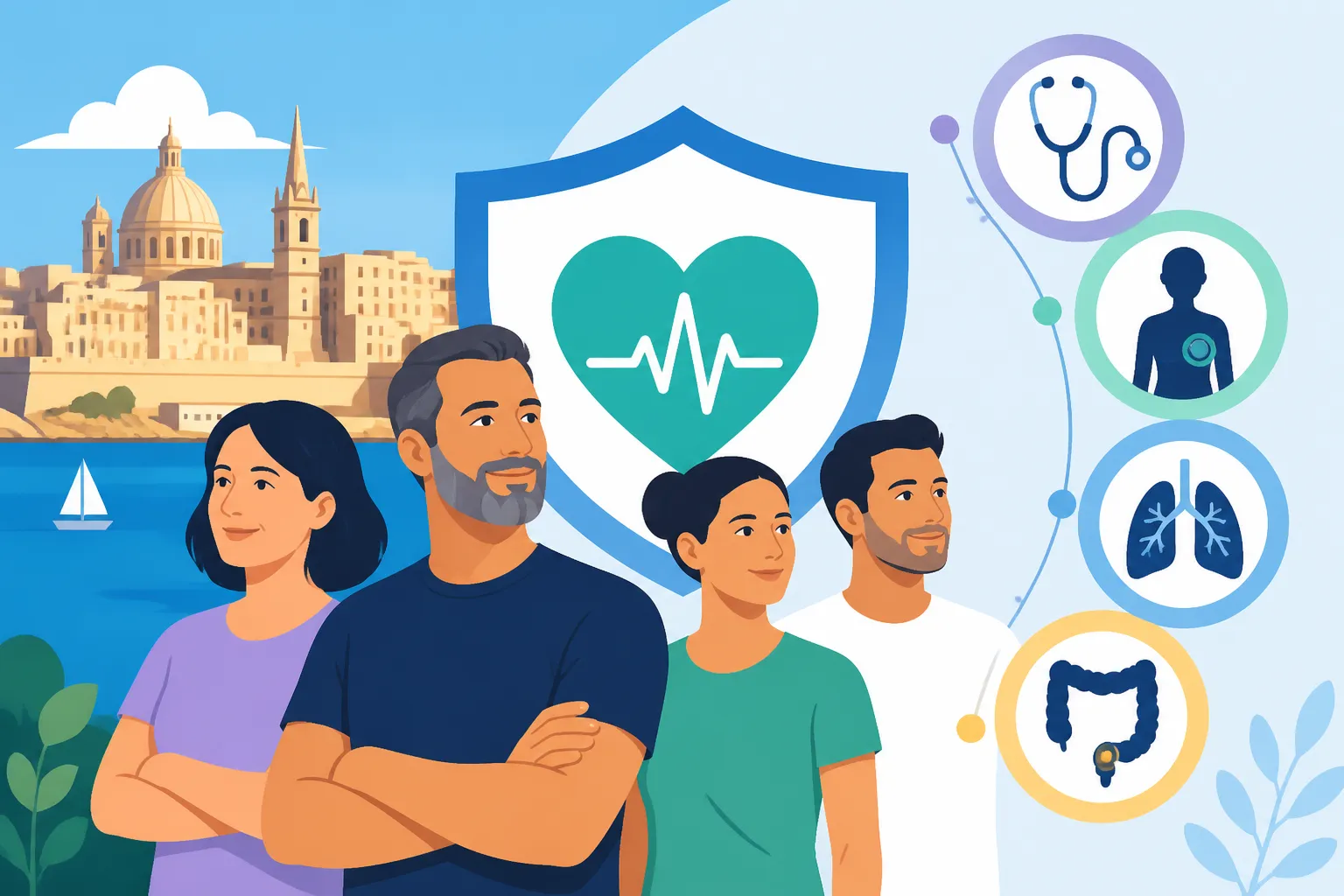
Cancer prevention is the crown jewel of Malta's public health initiatives. The programmes are rigorous, and the technology used at the National Screening Centre is state-of-the-art. If you receive an invitation letter, do not ignore it. The Maltese system is surprisingly efficient once you are in the door, but getting in that door requires you to be proactive.
Breast Screening Mammograms
The Breast Screening Programme in Malta targets women between the ages of 50 and 69. If you fall into this bracket and have been a resident for a while, you should receive an invitation every three years. The screening usually takes place at the Lascaris Wharf screening unit in Valletta. Many expat women have been pleasantly surprised by the professionalism there; the staff are accustomed to English speakers and the process is usually quite fast.
If you have a family history of breast cancer and are younger than 50, don't wait for the letter. You should visit your local GP at a Health Centre to discuss a referral. You can learn more about this in our guide on Finding a Doctor in Malta: GPs, Specialists, and the Referral System. They can put you on a high-risk track which may involve earlier or more frequent screenings at Mater Dei.
Cervical Screening Smear Tests
The Cervical Screening Programme is currently aimed at women aged 25 to 40, though the age brackets are frequently reviewed and expanded. Unlike the mammograms, which are quite centralized, smear tests can often be done through your local Health Centre by appointment.
One thing I learned the hard way: you can't just walk in for a smear test. You need to wait for your invitation or, if you’ve missed a cycle, call the National Screening Centre to ask why you haven't been contacted. For those who prefer more privacy or a specific timeframe, private clinics offer these tests for a fee (usually around €60 to €100). If you have private cover like SafetyWing, you might find that while routine screenings aren't always covered, the subsequent consultations if something is found often are, depending on your plan.
Colorectal Bowel Cancer Screening
This is a programme that many expats find a bit "hush-hush," but it’s vital. It targets men and women aged 60 to 70. The system sends a FIT (Faecal Immunochemical Test) kit directly to your home via post. You perform the test in the privacy of your own bathroom and send it back. If the result is "positive" (meaning blood was detected), you will be fast-tracked for a colonoscopy at Mater Dei.
I remember a neighbor of mine—a British retiree—who almost threw the kit away thinking it was junk mail. In Malta, official government mail often comes in very plain brown or white envelopes. If you see a letter from the "National Screening Centre" or "Dipartiment tas-Saħħa," open it immediately. It is not a bill; it is a service you’ve likely already paid for through your taxes.
Cardiovascular and Metabolic Health Monitoring
While cancer gets the most headlines, cardiovascular disease remains a leading cause of mortality in the Mediterranean. Malta has high rates of diabetes and hypertension, which means the local doctors are very "switched on" to these risks.
Routine Blood Pressure and Cholesterol Checks
In Malta, you don't necessarily need a "yearly physical" in the American sense, but you are encouraged to visit your local Health Centre for "Well-man" or "Well-woman" check-ups. These are less about a formal "programme" and more about building a relationship with the GPs. To get started, you should follow the steps in How to Register for Health Entitlement with the Entitlement Unit in Malta.
Once registered, you can visit the treatment room in centres like the Mosta or Floriana Health Centre for routine blood pressure monitoring. If you are over 40, the GP will likely order a "fasting blood track" every year or two to check your cholesterol and lipid profiles. This is all part of the public service, provided you have your ID card and entitlement sorted.
Diabetes Prevention and the Pre-Diabetic Track
Because diabetes is so prevalent here, the Health Centres have dedicated diabetes clinics. If your blood tests show an elevated HbA1c level (a marker for blood sugar over time), you won't just be given a pill and sent home. You will be referred to a nutritionist and potentially a specialized diabetes nurse within the public system.
The "lifestyle" part of preventive health in Malta is a bit of a paradox. On one hand, you have the beautiful Mediterranean diet, but on the other, you have a culture that loves pastizzi and heavy carbohydrates. Engaging with the preventive diabetes track is a great way to get professional advice on how to navigate the local food scene without ruining your health. If you’re ever confused about where your nearest clinic is, check out Which Health Centre Do I Go to After Moving to Malta? for a full breakdown by locality.
Vaccinations for Adults: Beyond the Childhood Schedule
Preventive health isn't just about screening for what you already have; it’s about preventing what you might catch. Malta has an incredibly robust vaccination programme that extends well into adulthood.
Annual Influenza and COVID-19 Campaigns
Every year, usually around October, the Ministry for Health launches its seasonal flu vaccine campaign. This is free for all residents, including expats. You don't usually need an appointment; they often set up walk-in clinics at local councils or Health Centres. I’ve found that the Gzira and Sliema areas tend to get quite busy, so going early in the morning is a pro tip I’ve learned over the years.
COVID-19 boosters are also integrated into this seasonal approach. For many expats who travel frequently, keeping these vaccinations up to date is essential. If you’re planning a trip back home or elsewhere, having that "preventive" layer is a relief. SafetyWing is a great companion for these travels, as it covers unexpected medical issues abroad, allowing you to focus on your health rather than the costs.
Tetanus, Hepatitis, and Travel-Related Prophylaxis
If it has been more than ten years since your last Tetanus shot, any GP at a Maltese Health Centre can administer a booster. For more specific preventive vaccines, like Hepatitis A or B (often recommended if you’re traveling from Malta to certain parts of the world), you might need to visit the National Immunisation Centre at Floriana.
While basic boosters are free, some travel-specific vaccines must be purchased from a pharmacy and then brought to the clinic for administration. It’s a slightly quirky system—you get a prescription, buy the vial (keeping it cold!), and then return to the nurse. To understand the pharmacy side of this, read Pharmacies and the POYC Scheme: Getting Medicines in Malta.
Navigating the Private vs. Public Route for Prevention
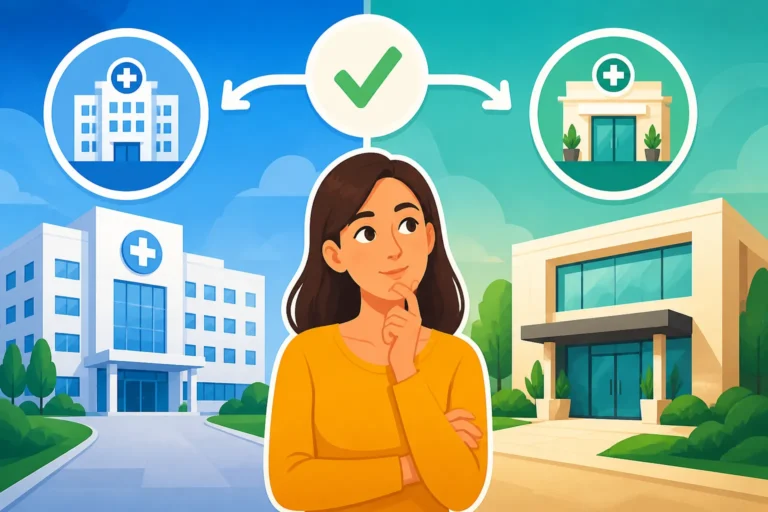
One of the biggest debates among the expat community in St. Julian's and Sliema is whether to stick with the public system or go private. For preventive health, the answer is often "both."
Why Expats Often Choose Private Preventive Check-ups
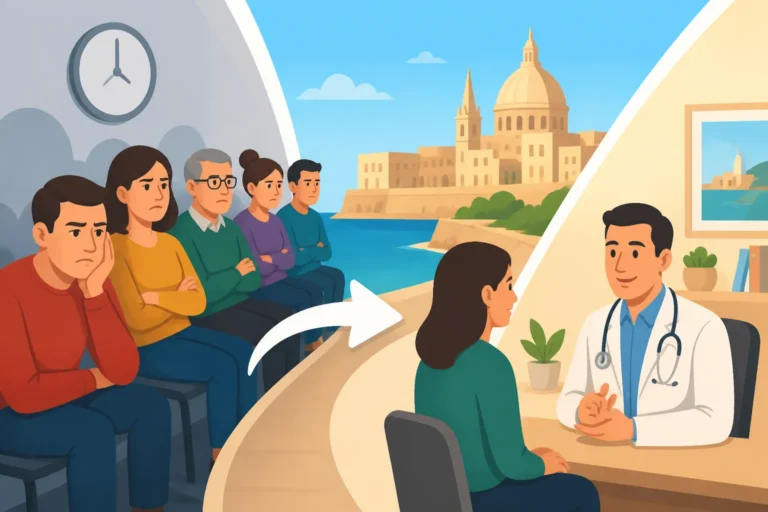
The public system is excellent for major screenings, but it can be slow for "elective" prevention. If you are 35 and simply want a full-body scan or an extensive blood panel to "see how you're doing," the public GP might tell you it isn't clinically necessary. In the private sector, however, you can buy "Health Screening Packages."
Private hospitals like St. James (in Sliema and Zejtun) offer these packages ranging from €200 to €800. They include everything from ECGs and chest X-rays to specialist consultations all in one morning. For many busy professionals, the convenience of avoiding the Mater Dei queues is worth every cent. You can find more details in our article on Private Healthcare and Insurance in Malta: When You Need Cover.
The Role of Private Insurance (SafetyWing)
When you are using the private route for preventive checks, having a reliable insurance partner is key. While many basic insurance plans don't cover "routine" check-ups, they are vital if those check-ups find something that requires immediate, non-emergency surgery or specialist care.
SafetyWing is a popular choice for the modern expat because it bridges the gap between being a "tourist" and a "fully-entitled resident." If you are in Malta on a Nomad Residence Permit, for example, you are required to have private insurance. Using SafetyWing ensures you are compliant with the law while giving you the freedom to choose private specialists if a screening highlights a concern. It provides that "peace of mind" layer that the often-overburdened public system cannot always guarantee in terms of speed.
Comparison of Preventive Health Options in Malta
| Service | Public Route (Identità/NI required) | Private Route (Out-of-pocket/Insurance) |
|---|---|---|
| Breast Screening | Free via invitation (Ages 50-69) | €100 – €200 (Any age with referral) |
| Cervical Smear | Free via invitation/Health Centre | €60 – €120 (Immediate booking) |
| Blood Work | Free (If GP deems necessary) | €50 – €150 (Full executive panels) |
| Flu Vaccine | Free for all residents | €15 – €25 at local pharmacies |
| Diabetes Check | Free at Health Centres | €20 – €40 (Fast turnaround) |
| Specialist Consult | Free via How the Specialist Referral System Works in Malta's Public Hospitals | €60 – €150 (Direct access) |
Practical Steps to Accessing These Services
If you’ve just unpacked your boxes and are looking at the Mediterranean view, health screening probably isn't on your "To-Do" list. It should be. Here is exactly how to get started so you don't fall through the cracks.
Registering with Your Local Health Centre
Your first step isn't the hospital; it's the Health Centre (known locally as the 'Ċentru tas-Saħħa'). You don't "register" with a specific doctor like in the UK; you register with the centre that covers your town. Take your ID card and a copy of your work contract or social security record.
Once you are in their system, you can ask for a "baseline" check-up. This is the best way to ensure your contact details are correct for future screening invitations. If you're not sure how to find your local spot, see Registering with a Health Centre and Choosing a GP in Malta. I personally suggest visiting during the "shoulder" hours—mid-morning or mid-afternoon—as the early morning rush for blood tests can be quite intense.
Using the myHealth Portal for Monitoring
Malta has a fantastic digital tool called myHealth. Once you have your e-ID credentials (which you get when you apply for your residence card), you can log in to see all your records. This is where your preventive health becomes high-tech.
You can see the results of your screenings, track your blood pressure readings over time, and even see which vaccines you’ve been administered in the public system. It’s incredibly empowering to have your medical history in your pocket. For a step-by-step on setting this up, check out Booking Appointments and Using myHealth Online in Malta.
Summary of Preventive Actions for New Residents
- Update your Address: Ensure Identità has your current home address so screening letters reach you.
- Get your e-ID: This is the key to the myHealth portal and tracking your screenings.
- Visit the Health Centre: Do a "dry run" visit to find out where it is and confirm your entitlement.
- Check your Age Bracket: Be aware of which national screenings apply to you (Breast, Cervical, Colorectal).
- Consider Gap Insurance: Use a service like SafetyWing if you are still waiting for public entitlement or if you travel frequently.
- Don't Ignore the Brown Envelopes: Government health mail is often understated. Open everything.
Living in Malta is a dream for many, but the dream only stays sweet if you are healthy enough to enjoy it. The system here is designed to look after you, but it requires you to be an active participant. Whether you choose the robust and free public route or the fast and convenient private clinics, staying on top of your preventive screenings is the smartest move you can make as an expat.
Healthcare in Malta Disclaimer
The information provided in this article is for general informational purposes only and does not constitute professional medical or legal advice. While we strive to keep the information up to date and correct, healthcare policies and entitlement rules in Malta can change. Always consult with a qualified healthcare provider or the relevant Maltese health authorities (such as the Entitlement Unit or the National Screening Centre) regarding your specific health needs and legal rights. Reliance on any information provided in this guide is solely at your own risk.