How Do I Transfer My Medical Records to Malta from Abroad?
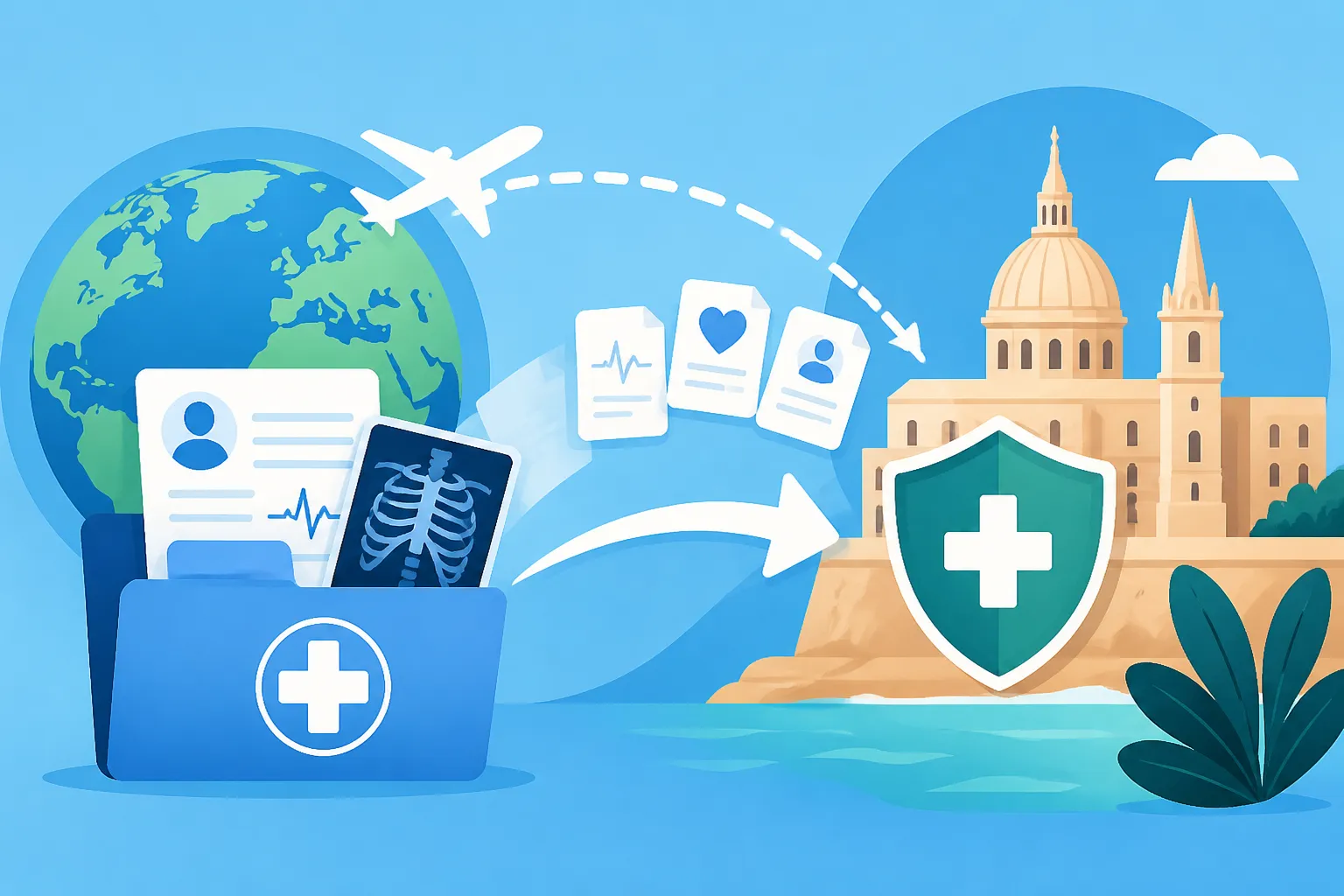
One of the most daunting aspects of moving to a new country, especially when you're settling into the beautiful chaos that is Malta, is figuring out your healthcare. Trying to get your head around a whole new medical system while also making sure your past health history is available to your new doctors can feel like an impossible task. Believe me, I've navigated this particular administrative labyrinth myself, clutching a thick folder of translated documents. This guide aims to clear up the fog around transferring your medical records to Malta from abroad, making sure you’re prepared and confident.
Why Your Medical Records Matter in Malta (And Why It's Tricky)
It's tempting to think of medical records like your bank account – something you just transfer from one institution to another. But in reality, it's far more nuanced, and crucial for your well-being here on the islands. Having your medical history readily available isn't just a convenience; it's a fundamental part of ensuring you receive appropriate, continuous care. Without it, your new doctors are essentially starting from scratch, which can lead to delays in diagnosis, incorrect treatment, or unnecessary repeat tests.
The Maltese Healthcare System's Expectations
Malta boasts a robust healthcare system, comprising both public and private sectors. For a comprehensive overview, you might want to check out our guide on Healthcare in Malta for Foreign Residents: The Complete System Guide (2027). When you first arrive and begin to interact with doctors, whether at a public health centre or a private clinic, they will invariably ask about your medical history. While many Maltese doctors are incredibly skilled at piecing together information from a quick chat, having documented proof of your past conditions, medications, and treatments makes their job (and your life) infinitely easier.
Generally, Maltese healthcare professionals, especially GPs, are fluent in English, so direct translation of documents isn't always a strict requirement, but a clear, concise summary is invaluable. They're looking for the highlights – the chronic conditions, the major surgeries, the ongoing prescriptions – not every single flu diagnosis from the last decade. They want to understand your baseline health so they can effectively manage your care moving forward.
Common Challenges Expats Face
The reality is, what constitutes a "medical record" can vary wildly from one country to another. You might be coming from a highly digitized system where everything is on an app, or from a place where paper notes are still king. This disparity can be a huge headache for newcomers. On top of that, different countries have different medical terminologies, even for the same conditions, which can lead to confusion.
Then there are the legal hurdles. Data privacy laws, such as GDPR within the EU, govern how your information can be shared and accessed. While Malta adheres to GDPR, transferring records from outside the EU or even between different healthcare providers within the EU still requires your explicit consent and can be a slow process. I remember trying to get my vaccination records from my home country, and it felt like pulling teeth – endless forms, long waiting times, and a general lack of understanding from my old clinic about why I needed everything. This isn't just a Maltese problem; it's a global one, but it's important to be prepared for it.
Step-by-Step: Getting Your Records Ready Before You Move (or Shortly After Arrival)
Navigating a new country’s medical system is always a bit of a leap of faith, and when you add your personal health history into the mix, it can feel overwhelming. The key is to be proactive and strategic about what you bring with you. Don't wait until you're already here and feeling unwell to start thinking about your records. A little preparation goes a very long way in ensuring continuity of care.
What Information to Prioritise
You don't need to bring every single lab test result from the last twenty years. What Maltese doctors really need is a concise, digestible summary of your most important medical information. Think of it as your medical elevator pitch. Start by requesting a comprehensive medical summary from your current general practitioner (GP). This should include a list of all diagnosed chronic conditions, any past significant surgeries or hospitalisations, a complete list of current medications (including dosages and active ingredients, not just brand names which might differ here), known allergies (medication, food, environmental), and your up-to-date vaccination history. For parents, this is especially critical for your little ones, and our guide on Children's Health in Malta: Well-Baby Clinics, Vaccinations, and School Health can provide more specific insights.
Many doctors are accustomed to preparing "travel summaries" or "expat summaries," so be clear about your needs. Emphasize that you are moving permanently and need a document that helps a new doctor understand your health at a glance. If you suffer from a chronic condition, a detailed summary is paramount to ensure you continue to receive the right care and access necessary medications here in Malta. Our article on Managing a Chronic Condition in Malta: Schedule V Medicines and Care highlights the importance of this.
Format and Translation Considerations
When it comes to the format of your records, both digital and paper have their pros and cons. Ideally, you want a mix of both. Request digital copies of your summaries and key reports, as these are easy to store, share, and backup. Keep them on a secure, encrypted USB drive, in a cloud storage service, and perhaps even email a copy to yourself. However, a physical, printed copy, perhaps neatly organised in a binder, can also be incredibly useful for those first few appointments when you're still getting everything set up digitally. It provides a tangible document to hand over.
While most doctors in Malta speak excellent English, if your original records are in a language other than English (or Maltese), consider getting the most critical summaries professionally translated. While not always legally required, it drastically speeds up the process of understanding and integration. For less critical documents, your new GP might be able to glean enough information without a full translation, but for things like chronic condition diagnoses or specific medication regimens, a certified translation can prevent misunderstandings.
Here's a quick comparison to help you decide on format:
| Feature | Digital Records | Physical Records |
|---|---|---|
| Pros | Easy to store, share, backup; searchable | No tech needed; easily readable; provides a sense of security |
| Cons | Requires device/internet access; security concerns; format compatibility issues | Bulky; easily lost/damaged; hard to update/share digitally |
| Best Use | Comprehensive medical summaries; lab results; imaging reports | Initial consultations; vaccination cards; critical one-page summaries |
Addressing Specific Medical Needs
If you have particular medical needs, your record transfer strategy should be tailored accordingly. For instance, individuals managing chronic conditions will need extremely detailed records, often including a history of treatments, responses to medications, and any specialist reports. This detail helps a new specialist in Malta pick up exactly where your previous doctor left off without losing crucial time or information.
Mental health records require an extra layer of sensitivity and care. It’s vital to have clear diagnoses, a list of current and past medications, and any therapeutic interventions. Finding a therapist or psychiatrist in a new country can be challenging, and having comprehensive notes will aid your new mental health professional in providing appropriate and continuous support. You can learn more about resources in our article on Mental Health Support in Malta: Services, Therapy, and Mount Carmel Hospital. Similarly, for families with young children, ensuring vaccination schedules and developmental milestones are well-documented is crucial for their seamless integration into the Maltese healthcare system.
Integrating Your Records with Maltese Healthcare Providers
Once you've landed in Malta and have your essential medical documents in hand, the next phase is integrating them into the local healthcare system. This process is less about a formal "transfer" and more about effectively presenting your history to your new doctors so they can build your local medical profile. It takes a bit of legwork and clear communication on your part, but it's entirely manageable.
Registering with a GP and Initial Consultations
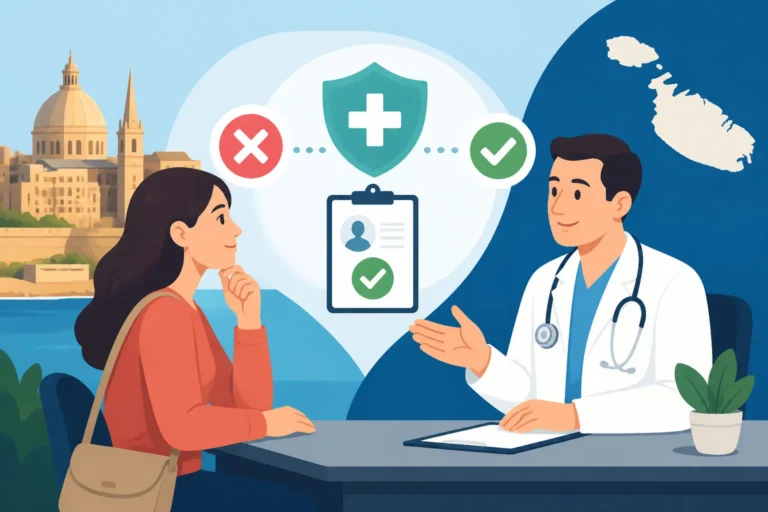
One of the first things you'll want to do is register with a local GP. This is your gateway to the Maltese public healthcare system and will be your primary point of contact for most medical needs. You can learn more about this in our guide on Registering with a Health Centre and Choosing a GP in Malta. Once registered, schedule an initial "meet and greet" appointment, even if you’re not currently ill. This is the perfect opportunity to hand over your compiled medical summary.
During this first consultation, be prepared to walk your new GP through your medical history. Explain your chronic conditions, current medications, allergies, and any concerns you might have. This is where those concise summaries you prepared really shine. Your GP will use this information to start building your local medical file, potentially entering key details into the Maltese system. Remember, building a good relationship with your GP is fundamental; they'll be your advocate and first line of defense for your health here. For those coming from outside the EU, particularly those on specific permits like the Nomad Residence Permit, understanding the nuances of how your visa connects to healthcare is also vital, and our guide on Healthcare on a Visa-Based Permit in Malta: Nomads, Retirees, and Investors can shed more light.
Public vs. Private System and Record Access
Malta's dual public and private healthcare systems each handle records a little differently. In the public system, once you're registered and have had consultations, your records begin to accumulate on the central myHealth portal. This fantastic online service allows you to view your appointments, lab results, and prescriptions issued within the public system. However, it’s important to understand that your foreign medical history won't automatically appear there. It’s up to your Maltese GP to input relevant information based on the documents you provide. For more details on this valuable resource, see our post on Booking Appointments and Using myHealth Online in Malta.
The private system operates with a bit more flexibility. Private clinics and specialists will also maintain their own records for you. While these aren't directly linked to the myHealth portal, they will be happy to receive and integrate your foreign medical summaries into your file. If you opt for private healthcare, which many expats do for faster access to specialists, our guide on Private Healthcare and Insurance in Malta: When You Need Cover explores this option in depth. Regardless of which system you use, the proactive sharing of your medical summary by you is the critical first step.
The Role of Insurance and Travel Medical Plans
Your medical records also play a significant role when dealing with health insurance, whether it's private insurance required for your residence permit or a travel medical plan you've opted for while settling in. Insurers, like SafetyWing, for example, will often require access to your medical history when you apply for coverage, especially for pre-existing conditions. Providing a clear, well-documented history can streamline the application process and help ensure that any conditions you have are properly covered, or at least acknowledged, within your policy terms.
Even if you're only covered by a short-term travel medical insurance plan initially, perhaps from a provider like SafetyWing, having your records readily available is vital for any claims you might need to make. Without them, it can be incredibly difficult to prove the history of a condition or justify a particular treatment. This is where the physical and digital copies you prepared beforehand truly become invaluable, acting as your personal health passport. They are not just for your doctor; they are for you and your financial protection too.
Keeping Your Maltese Records Up-to-Date and Accessible
The journey doesn't end once you've handed over your initial records. Moving to Malta is an ongoing process, and so is managing your health. It's vital to develop good habits for maintaining your medical records here, ensuring that your new Maltese health history is as comprehensive and accessible as possible. This proactive approach will save you headaches down the line and ensure you always have a clear picture of your health journey.
Building Your New Maltese Medical History
From the moment you start seeing doctors in Malta, whether through the public system or private clinics, you'll begin to build a new local medical history. Every visit to your GP, every specialist referral, every lab test, and every prescription issued will contribute to this. It's a good idea to keep a personal log of these interactions. While the myHealth portal will track much of your public healthcare activity, maintaining your own accessible summary helps you stay informed and provides a backup. This might involve simply jotting down dates of appointments, the doctor seen, and the reason for the visit, along with any new medications prescribed or changes to existing ones.
If you are referred to a specialist, for example, the process outlined in How the Specialist Referral System Works in Malta's Public Hospitals will generate new reports. Ensure you ask for copies of important reports, like specialist letters, imaging results, and significant lab work. These become part of your growing Maltese medical portfolio. You might even find it useful to consolidate all your physical records into one binder and keep digital copies organized in a dedicated folder on your computer or cloud storage. This way, if you ever need to change GPs or consult a new specialist, you have everything at your fingertips.
Digital Tools and Personal Responsibility
The myHealth online service is an incredible tool for managing your health in Malta, but it primarily reflects information generated within the Maltese public health system. As an expat, you have the unique challenge of merging your past international health history with your present local one. Therefore, personal responsibility in record-keeping is paramount. While some information from your initial records may be manually entered by your GP, a good portion might not be.
Consider using a personal health app on your smartphone or a simple digital folder system to keep all your medical documents, old and new, in one place. This can include scanned copies of your initial foreign summaries, all new lab results, prescription lists, and appointment notes from your Maltese doctors. Regular backups of this digital folder are crucial. Platforms like SafetyWing also highlight the importance of easily accessible records for their policyholders, reinforcing the idea that your health data is ultimately your responsibility to manage and present effectively. Taking ownership of your medical history empowers you to navigate the Maltese healthcare system with confidence and ensures that no critical piece of information ever falls through the cracks.
Disclaimer
The information provided in this guide is intended for general informational purposes only and does not constitute medical or legal advice. While we strive to provide accurate and up-to-date information, healthcare regulations, policies, and procedures in Malta can change. Always consult with a qualified Maltese medical professional for personalized health advice and with the relevant authorities (e.g., Identità, Ministry of Health) for the most current administrative requirements regarding medical record transfers and healthcare entitlement.