Do New Arrivals Pay for Hospital Care in Malta?
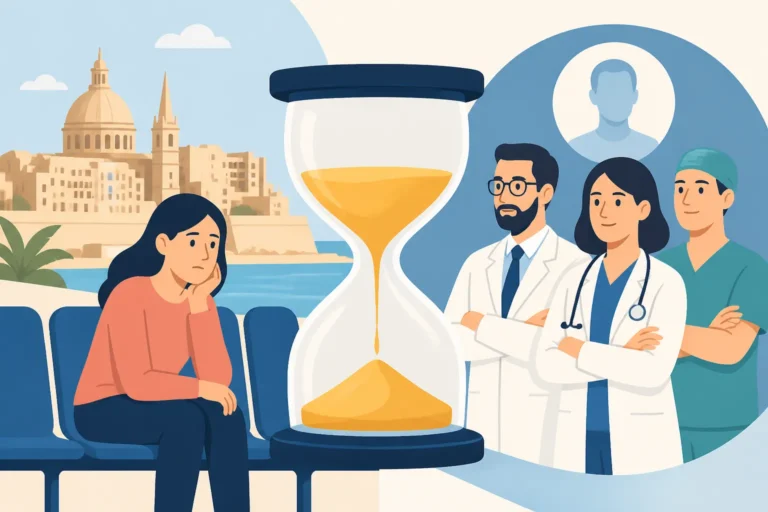
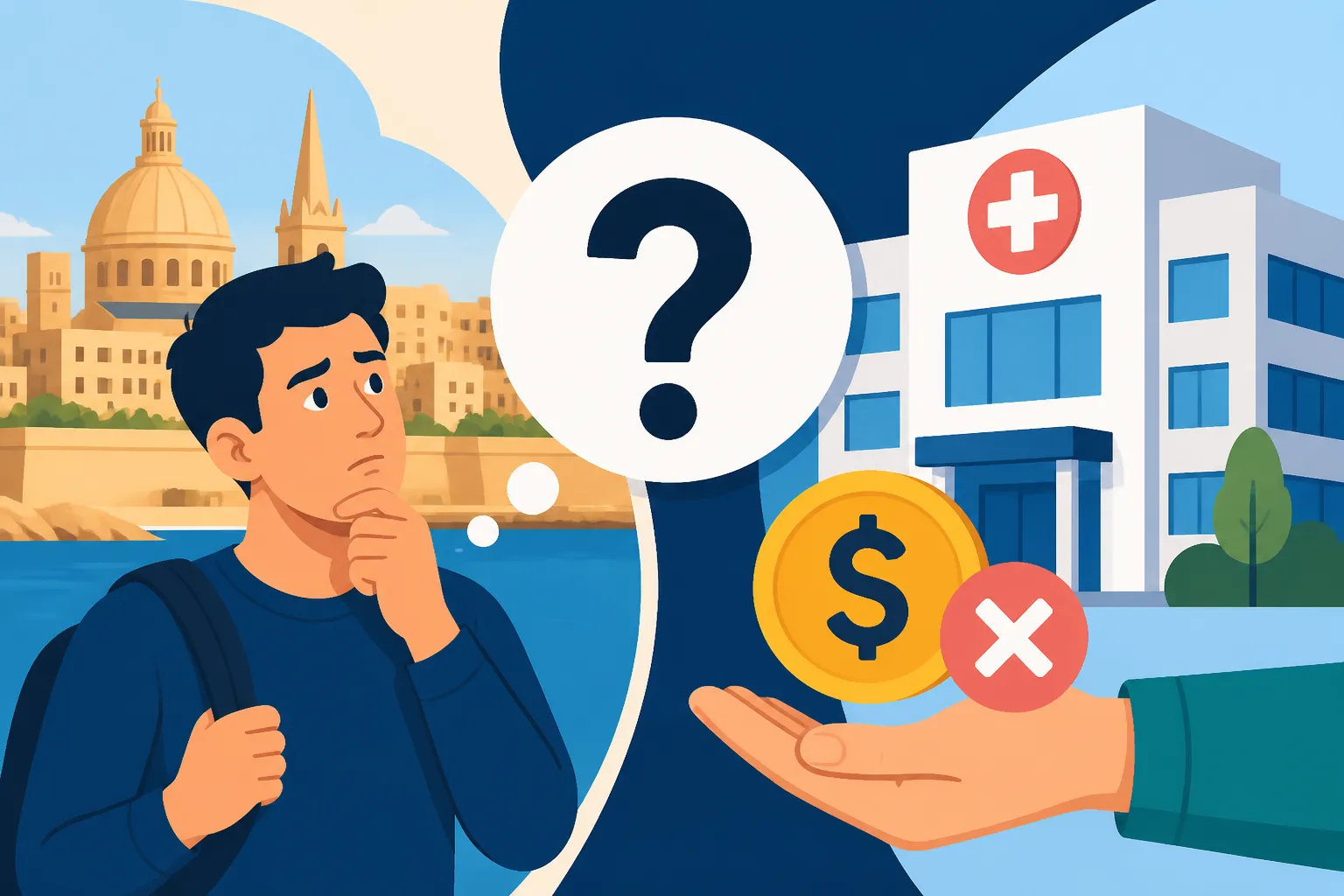
Moving to Malta often feels like a Mediterranean dream until you face the reality of a sudden illness before your residence paperwork has even been processed. I remember sitting in the Mater Dei waiting room during my first month, clutching my passport and wondering if the bill for a simple X-ray would drain my entire relocation budget. This guide breaks down exactly when and why new arrivals are expected to pay for hospital care in Malta and how to protect yourself during the transition.
The Myth of Instant Access to Free Healthcare
When you first arrive in Malta, there is a common misconception that because the country boasts a high-quality public healthcare system, it is "free" for everyone the moment they step off the plane at Luqa. Unfortunately, this is a dangerous assumption to make. Malta's healthcare system is based on social security contributions, meaning it is a "pay-to-play" system for those who are working, or a "right-of-residency" system for those covered by specific bilateral agreements.
If you are a new arrival and you have not yet started paying social security or received your official entitlement documentation, you are technically considered a "private" patient within the public system. This means if you walk into a Health Centre or Mater Dei Hospital, you will likely be asked for your ID card or your entitlement letter. If you can’t produce them, the administrative staff will categorize you as a non-entitled person, and you will be billed for every consultation, test, and bandage used.
This "grey zone" typically lasts from the day you land until your first few payslips are generated and your Getting Your Maltese ID Card Number: The Key to Accessing Healthcare process is complete. During this window, any medical intervention can result in a significant invoice that must be settled. Expats have been hit with bills for hundreds of euros just for a few hours of observation and blood tests because they hadn't yet been registered in the system.
EU Citizens and the EHIC Safety Net
For those moving to Malta from within the European Union, the transition is slightly smoother, but it still requires careful handling. If you are an EU citizen, your European Health Insurance Card (EHIC) is your best friend during your first few months. The EHIC is designed to cover "necessary" care during a temporary stay. However, the definition of "temporary" is where many newcomers get tripped up.
Once you have moved to Malta with the intention of staying permanently, your EHIC technically becomes invalid because you are no longer a "visitor." However, while you are waiting for your Maltese social security number to be activated, most public health facilities will accept a valid EHIC from your home country to provide care at no cost. You should check Can EU Citizens Use Maltese Healthcare with an EHIC Card? to understand the limitations of this coverage.
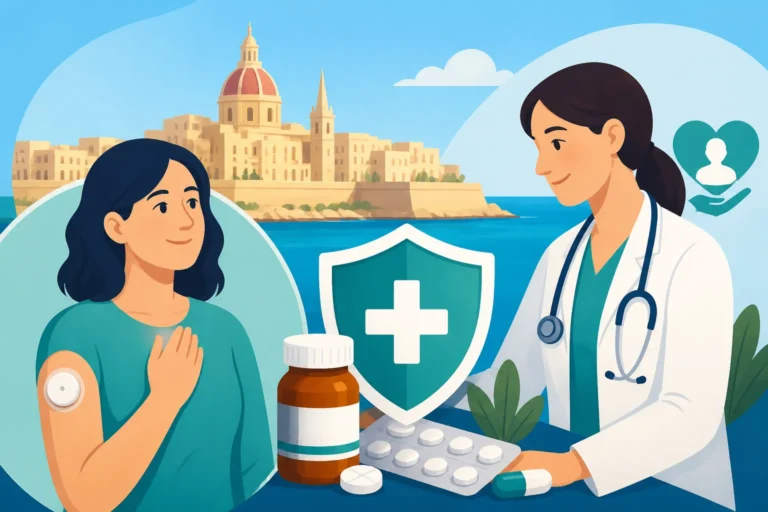
It is vital to remember that the EHIC does not cover private healthcare. If you go to a private clinic in Sliema or St. Julian's, your EHIC is useless. Furthermore, once you start working and paying social security in Malta, you must transition to the local system and eventually apply for a Maltese-issued EHIC for your travels abroad. Relying on an old EHIC from back home once you are a registered resident is a legal grey area that can lead to rejected claims and backdated bills. For those who want more robust coverage that handles the transition between countries more flexibly, a plan from SafetyWing can be a lifesaver, as it often bridges the gap that local state systems leave behind.
Non-EU Newcomers: The Most Vulnerable Group
If you are arriving from a "Third Country" (anywhere outside the EU/EEA), the rules are much stricter. You do not have an EHIC to fall back on, and the Maltese government generally requires proof of private health insurance as a prerequisite for your residence permit. This is not just a suggestion; it is a mandatory part of the application process for the Single Permit or the Nomad Residence Permit.
For these arrivals, the answer to "do I pay?" is a resounding yes. Until your Health Entitlement in Malta: How Social Security Contributions Unlock Free Care is officially confirmed by the Entitlement Unit, you are responsible for 100% of your medical costs. Even if you have already applied for your permit and are waiting for your biometrics appointment, the hospital will still bill you as a private patient.
This is why many non-EU expats choose SafetyWing during their first year. It provides the necessary documentation for the visa application while ensuring that if an emergency happens at Mater Dei, the financial burden is covered. Without this, a single night in a hospital ward could cost you upwards of €600, not including medications or specialist fees. For more details on these specific requirements, you should look into Do I Need Private Health Insurance for My Maltese Residence Permit? to ensure you don't miss a critical document during your Identità appointment.
Emergency Care vs. Routine Treatment
There is a widespread belief that "emergency" care is free for everyone at Mater Dei. This is a half-truth that often leads to financial shocks. In a life-threatening emergency—think a major car accident or a heart attack—the medical staff will treat you immediately without asking for a credit card first. They prioritize saving your life over your administrative status, which is a testament to the ethics of the Maltese medical community.
However, "treatment at the point of need" does not mean the treatment is free. Once you are stabilized, the hospital’s finance department will visit your bedside or contact your next of kin to establish your entitlement. If you are a new arrival who is not yet paying into the system and you don't have a valid EHIC or private insurance, you will be issued a bill for the entire duration of your stay. You can find more nuance on this in Is Emergency Treatment at Mater Dei Free for Everyone in Malta? as the rules can be surprisingly rigid.
Routine care, such as seeing a GP at a Health Centre for a chest infection or getting a referral for a skin check, is strictly controlled. At a Health Centre, the receptionist will check your ID card in the system. If your status doesn't show "entitled," they may ask for payment upfront before you even see a doctor. This is why many expats end up Finding a Doctor in Malta: GPs, Specialists, and the Referral System through private channels initially, as the cost difference between a non-entitled public visit and a private clinic visit is often negligible.
Estimated Costs for Non-Entitled Patients
To give you an idea of what you might face if you arrive in Malta without coverage, here is a breakdown of estimated costs for non-entitled patients at public facilities. Note that these are approximations and can change based on the complexity of the case.
| Service Type | Estimated Cost (Non-Entitled) | Notes |
|---|---|---|
| GP Consultation (Health Centre) | €15 – €30 | Basic visit, no tests included |
| Accident & Emergency Visit | €120 – €250 | Base fee for triage and initial exam |
| Hospital Overnight Stay (Ward) | €600 – €900 | Per night, excludes surgeries/special tests |
| Intensive Care (ITU) Stay | €2,000+ | Per night, very high intensity |
| Standard X-Ray | €50 – €100 | Depending on the body part |
| Blood Profile (Full) | €80 – €150 | Depending on the number of markers |
| Specialist Consultation | €60 – €120 | If referred within the public system |
As you can see, these costs add up incredibly fast. If you are a digital nomad or a remote worker, having SafetyWing coverage ensures that these price tags don't turn a minor health scare into a major financial crisis. It is always better to have a policy you don't use than an invoice from Mater Dei that you can't pay.
The Role of the Entitlement Unit
The bridge between being a "paying" new arrival and a "free" resident is the Entitlement Unit. This is a specific office within the Ministry for Health that reviews your situation—your nationality, your employment contract, and your social security history—to decide if you are eligible for free care.
Most newcomers don't realize they need to register here. They assume that getting a job automatically makes healthcare free. In reality, you often need to take your How to Register for Health Entitlement with the Entitlement Unit in Malta steps seriously. You will need to provide your FS3 forms (once you have them), your employment contract, and your residence card. Once they approve you, they will issue an entitlement letter. This letter is your "golden ticket." Until you have it, or at least a record of it in the government's myHealth system, you should always assume you might be billed.
For those on specific visas, like the Nomad Residence Permit, the Entitlement Unit will generally inform you that you are not entitled to free public healthcare, as you are not paying Maltese social security (Class 1 contributions). In this scenario, you will remain a "paying patient" for the duration of your stay, making long-term private insurance an absolute necessity rather than a luxury.
Bridging the Gap with Private Insurance
Given the delays in Maltese bureaucracy, it is common for the residency and entitlement process to take anywhere from three to six months. During this time, you are in a state of medical limbo. This is exactly where SafetyWing fits into the lifestyle of a modern expat. Unlike traditional local insurers that might have long waiting periods or require a Maltese ID card to even sign up, SafetyWing is designed for people who are in transit or settling into a new country.
I’ve found that having that private backup allows you to skip the long queues at the public Health Centres and go straight to a private clinic for minor issues. The cost of a private GP in Malta is usually around €20 to €35, and if you have insurance that covers outpatient care or emergencies, you gain a massive amount of peace of mind. You can learn more about how these two systems interact by reading Private Healthcare and Insurance in Malta: When You Need Cover.
Another reason to consider private coverage like SafetyWing during your arrival phase is the "Referral System." In the public system, you cannot simply see a specialist; you must be referred by a GP, and the waiting lists can be months long. If you are non-entitled, you are paying high prices for the privilege of waiting. With private insurance, you can often book a specialist directly at a private hospital like St. James or DaVinci and have the costs reimbursed, getting you treated weeks or months faster.
What to Do If You Receive a Bill
If you do end up at Mater Dei as a new arrival and receive a bill, don't panic, but don't ignore it either. The Maltese government is becoming increasingly efficient at tracking unpaid medical fees, and outstanding debts can sometimes interfere with your residence permit renewal.
If you believe you should have been entitled (for example, if you have already started working and paying social security but didn't have the paperwork on hand), you can sometimes appeal the bill. You will need to take your proof of employment and social security contributions to the billing department at Mater Dei or the Entitlement Unit. However, this is a tedious process that involves a lot of "I've-been-there" frustration with queues and paperwork.
If you are an EU citizen and forgot your EHIC, you can sometimes request a Provisional Replacement Certificate (PRC) from your home country’s health department. If you can get this emailed to the hospital billing department while you are still a patient, they may waive the charges. For everyone else, the bill is usually final, which is why checking What Public Healthcare Costs in Malta: Free Services and Paid Extras before you need care is so important.
Final Advice for Newcomers
Malta is a beautiful place to live, but the administrative hurdles of the healthcare system are a rite of passage for every expat. To avoid being the person who pays thousands for hospital care, follow these three rules:
- Carry your EHIC if you are from the EU, but recognize its limits once you are a resident.
- Get a flexible private insurance policy like SafetyWing the moment you decide to move, to cover the "limbo" period between arrival and entitlement.
- Register with the Entitlement Unit as soon as you have your first payslip and your Maltese ID card.
Navigating this transition can be stressful, but once you are "in the system," the care is excellent. Just make sure you don't let the "new arrival" window break your bank account. If you want to dive deeper into how the whole structure works, a great starting point is Healthcare in Malta for Foreign Residents: The Complete System Guide (2027).
Disclaimer
This article is intended for informational purposes only and does not constitute legal or medical advice. Healthcare regulations and entitlement criteria in Malta are subject to change by the Ministry for Health and Identità. While we strive to keep information up to date, always verify current requirements with the official Entitlement Unit or your insurance provider before making medical decisions.