Do I Need to Worry About Sun and Hydration in Malta?
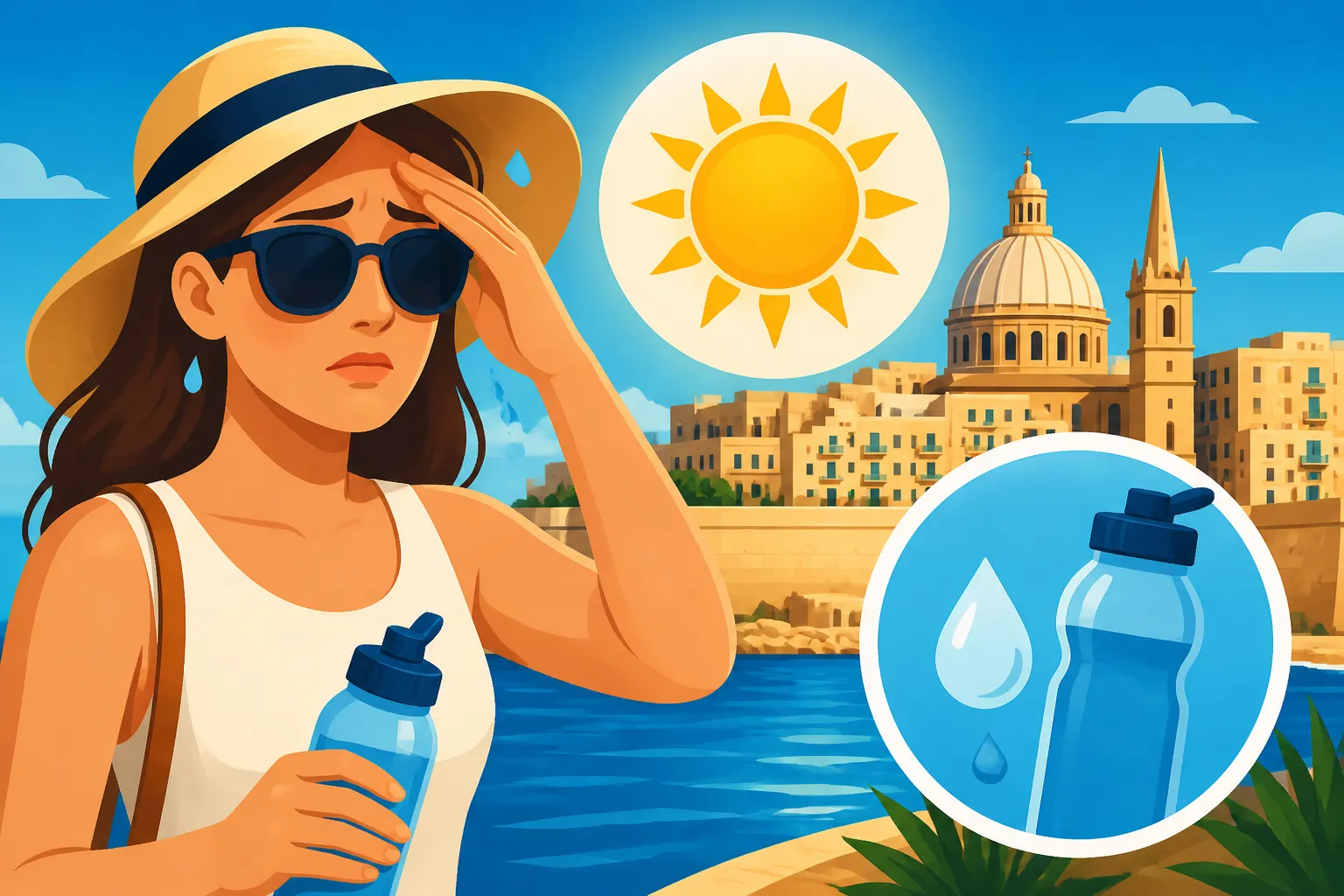
Arriving in Malta, especially during those glorious summer months, can feel like stepping into a postcard, but that intense sun and often sweltering heat can catch even the most seasoned traveller or expat off guard. Believe me, I've had my share of rosy shoulders and dizzy spells from underestimating the Maltese sun, and it's no fun when you're trying to enjoy island life or navigate daily errands. This guide is here to walk you through exactly what you need to know about staying safe, hydrated, and sun-protected in Malta, ensuring you can enjoy its beauty without falling victim to the elements.
The Maltese Climate: More Than Just Sunshine
Malta boasts an enviable Mediterranean climate, famous for its long, hot, and dry summers, and mild, wet winters. While that sounds idyllic, the reality of mid-summer heat can be quite challenging, especially if you're not accustomed to it. The sun here isn't just bright; it's genuinely powerful, beating down with an intensity that can quickly lead to dehydration and sunburn if you're not careful.
Understanding Malta's Mediterranean Heat
From June through September, temperatures regularly soar into the high 20s and low 30s Celsius, often peaking even higher. July and August are usually the hottest months, with average daily maximums reaching around 32°C (90°F), but it's not uncommon for mercury to climb closer to 40°C during heatwaves. This isn't just about feeling warm; it's about the sheer strength of the UV radiation. Malta has a very high UV index for much of the year, particularly in summer, meaning sun damage can occur incredibly quickly, sometimes in as little as 10-15 minutes for fair skin. The clear skies and minimal cloud cover mean there's little natural shield between you and those powerful rays. It’s a very different beast to what many of us are used to back home, where even a 'hot' day might have more humidity and less direct sun exposure.
The Impact of Humidity
What often surprises newcomers isn't just the heat, but the humidity that frequently accompanies it, especially in coastal areas and during late summer. Malta is surrounded by the sea, and that moisture can make the air feel much hotter and heavier than the thermometer suggests. High humidity impedes the body's ability to cool itself through sweating, as sweat doesn't evaporate as efficiently from your skin. This can lead to a sensation of stickiness and discomfort, making you feel much more drained and increasing your risk of heat-related illness. That feeling of constantly being a bit sweaty, even indoors, is a common experience, and it subtly drains your body of fluids. Understanding the combined effect of high temperatures and humidity is key to managing your comfort and health here. You'll find yourself reaching for air conditioning more often than you might expect, even at night, just to get some relief from the incessant stickiness. For a broader perspective on dealing with the weather, you might want to read our guide on Coping with Malta's Climate: Summer Heat, Humidity, and Winters.
Staying Hydrated: Your Number One Priority
When the sun is relentless and the humidity is high, staying properly hydrated isn't just a good idea, it's absolutely critical for your health and well-being. It's so easy to overlook, especially when you're out exploring Valletta's historic streets or lounging by the beach, but letting your fluid levels drop can quickly turn a wonderful day into a miserable one.
The Importance of Water Intake
Your body loses water constantly through sweating, breathing, and even just existing, and in Malta's climate, this loss is significantly accelerated. Dehydration can manifest in subtle ways at first – a slight headache, fatigue, reduced urine output, or dry mouth. If left unchecked, it can escalate to more serious symptoms like dizziness, confusion, and even organ damage in severe cases. The general recommendation is to drink plenty of fluids throughout the day, even if you don't feel thirsty. Thirst is often a sign that you're already a bit dehydrated! Aim for at least 2-3 litres of water daily in summer, and more if you're exercising or spending extended time outdoors. Keep a water bottle with you at all times, topping it up whenever you can. Tap water in Malta is safe to drink, though many people prefer to filter it or buy bottled water due to its sometimes brackish taste, which is particularly noticeable to those used to softer water. However, I usually just filter mine, which helps reduce plastic waste and save a few euros. Staying hydrated means being proactive, not reactive.
Electrolytes and When You Might Need Them
While water is fundamental, sometimes you need a little more. When you sweat, you don't just lose water; you also lose essential electrolytes like sodium, potassium, and chloride. These minerals are vital for nerve function, muscle contraction, and maintaining proper fluid balance. If you're sweating profusely, especially during strenuous activity, long walks, or after having a few too many cocktails, replenishing electrolytes can be just as important as drinking water.
You don't necessarily need fancy sports drinks all the time. Sometimes, a pinch of sea salt in your water, or natural sources like coconut water, bananas, and leafy greens, can do the trick. If you're feeling particularly depleted, experiencing muscle cramps, or recovering from a bout of heat exhaustion, then electrolyte replacement solutions (available from any local pharmacy) can be beneficial. Brands like Isostar or similar rehydration salts are common and can be easily mixed with water. Just be mindful of the sugar content in some commercial sports drinks if you're not actively exercising. For serious health concerns, remember that seeking professional advice is always recommended, and knowing about Emergency Medical Care in Malta: 112, A&E, and Urgent Help can be really useful.
Sun Protection: Beyond Just Sunscreen
Everyone knows to slather on sunscreen, right? Well, in Malta, that's just the starting point. The sun here demands a multi-pronged approach to protection, particularly during the peak hours of 10 AM to 4 PM when the UV index is at its highest. You can't just rely on one method and expect to be completely safe.
Physical Barriers and Shade
The most effective way to protect yourself from the sun's harmful rays is to avoid direct exposure whenever possible. This means seeking shade, especially during those scorching midday hours. Cafés and restaurants often have shaded outdoor seating, and many beaches offer umbrellas for rent. When you're out and about, look for natural shade under trees or the overhang of buildings.
Beyond shade, physical barriers are your best friends. A wide-brimmed hat is non-negotiable – it protects your face, neck, and ears, areas often missed by sunscreen. Good quality sunglasses that offer 100% UV protection are also vital to prevent eye damage and reduce glare, which can contribute to headaches. Clothing is another essential barrier. Opt for lightweight, loose-fitting, light-coloured clothing made from breathable fabrics like cotton or linen. Long-sleeved shirts and trousers, while counterintuitive in the heat, offer far more protection than bare skin. Many outdoor activity enthusiasts here even wear special UV-protective clothing. Don't forget your feet and hands either; they can burn surprisingly quickly!
Sunburn Treatment and Prevention
Despite your best efforts, sometimes sunburn happens. That tell-tale redness, tenderness, and heat on your skin are signs of damage. For immediate relief, cool compresses, cold showers (not ice-cold, which can shock the skin), and soothing lotions containing aloe vera or hydrocortisone can help. Over-the-counter pain relievers like ibuprofen can also reduce discomfort and inflammation. Remember to keep burned areas out of the sun completely until they heal.
The best treatment, of course, is prevention. Apply a broad-spectrum sunscreen with an SPF of at least 30 (preferably 50+) generously and frequently. Reapply every two hours, or more often if you're swimming or sweating heavily. Don't skimp on areas like the tops of your feet, ears, and back of your neck. Check the expiry date on your sunscreen – old sunscreen loses its effectiveness. If you're spending time in the water, consider using water-resistant sunscreen. Many tourists forget this, leading to nasty burns. If you’re ever in doubt about what to use, the staff at any local pharmacy are incredibly helpful and can recommend suitable products for your skin type; our guide on Buying Over-the-Counter Medicine at a Maltese Pharmacy has more details. Also, consider that some medications can increase your sun sensitivity, so always check warning labels or consult with a doctor if you're on new prescriptions. For those with long-term travel plans, having robust travel medical insurance like that offered by SafetyWing can provide peace of mind in case of unexpected medical needs, including severe sunburn or other heat-related issues. They offer flexible plans suitable for digital nomads and long-term travellers, covering you wherever your adventures take you.
Recognising and Reacting to Heat-Related Illnesses
While sun protection and hydration are your daily defence, it's crucial to understand the more serious risks of the Maltese summer: heat-related illnesses. These can range from mild discomfort to life-threatening emergencies, and knowing the difference, and how to react, is paramount.
Heat Exhaustion vs. Heatstroke
It's vital to differentiate between heat exhaustion and heatstroke, as the latter is a medical emergency.
Heat Exhaustion
This is typically the milder of the two, but a warning sign that your body is struggling to cope. Symptoms include:
- Heavy sweating
- Cold, pale, clammy skin
- Fast, weak pulse
- Nausea or vomiting
- Muscle cramps
- Tiredness or weakness
- Dizziness
- Headache
- Fainting
If you suspect heat exhaustion, you must act quickly: get the person to a cooler place, loosen their clothes, apply cool, wet cloths to their body, and give them sips of water. Monitor them closely. If symptoms worsen or don't improve within an hour, seek medical help.
Heatstroke
This is far more severe and can be fatal if not treated immediately. It occurs when your body's core temperature rises rapidly and its cooling system fails. The key difference is the body's inability to sweat effectively, leading to extremely high body temperature. Symptoms include:
- High body temperature (103°F or higher)
- Hot, red, dry, or damp skin (often no sweating)
- Fast, strong pulse
- Headache
- Dizziness
- Nausea
- Confusion
- Slurred speech
- Unconsciousness
If you suspect heatstroke, call 112 (Malta's emergency number) immediately. While waiting for medical help, move the person to a cooler area, help cool them with wet cloths or a bath, but do not give them fluids. This is a life-threatening situation where every minute counts. For more information on accessing medical care, our guide on Healthcare in Malta for Foreign Residents: The Complete System Guide (2027) can offer valuable insights.
When to Seek Medical Help
Knowing when to call for professional assistance is critical. For severe symptoms of heat exhaustion that don't improve with self-care, or for any suspected case of heatstroke, immediate medical attention is necessary. Don't hesitate to call 112 for an ambulance or head to the nearest Accident & Emergency department, which in Malta is at Mater Dei Hospital.
It's also important to consider your personal health status. Individuals who are elderly, very young, pregnant, have chronic health conditions (like heart disease or diabetes), or are on certain medications (e.g., diuretics, antihistamines, some antidepressants) are at higher risk of heat-related illness. These individuals should be extra vigilant and perhaps even avoid going out during peak heat hours.
Having appropriate health insurance is also a smart move. While Malta's public healthcare system is available to entitled residents, non-EU citizens or those awaiting full entitlement may need to rely on private options. This is where comprehensive travel insurance, like that offered by SafetyWing, can be invaluable. Their plans are designed for global citizens and can cover emergency medical expenses, including those arising from heat-related conditions. Even if you're an EU citizen with an EHIC, understanding How Do I Get a European Health Insurance Card While Living in Malta? is vital, but supplementary private insurance can cover things an EHIC might not, such as repatriation. For general non-urgent concerns, knowing how to access Finding a Doctor in Malta: GPs, Specialists, and the Referral System will be beneficial.
| Heat-Related Condition | Key Symptoms | Recommended Action | Urgency |
|---|---|---|---|
| Heat Cramps | Muscle pains, spasms, heavy sweating | Rest, cool place, drink water or electrolyte solution | Low |
| Heat Exhaustion | Heavy sweating, clammy skin, fast weak pulse, nausea, dizziness, headache, fainting | Rest in cool place, loosen clothing, cool wet cloths, sip water. Monitor. | Medium |
| Heatstroke | High body temp (>103°F), hot/red/dry/damp skin, strong fast pulse, confusion, unconsciousness | CALL 112 IMMEDIATELY. Move to cool place, cool with wet cloths/bath. Do NOT give fluids. | High (Medical Emergency) |
Remember, Malta is a truly beautiful place to live and visit, but its climate demands respect. By being prepared, staying hydrated, protecting yourself from the sun, and knowing how to respond to emergencies, you can enjoy all that the islands have to offer safely and comfortably. For specific information on what to expect for costs, check out What Public Healthcare Costs in Malta: Free Services and Paid Extras and if you are a new arrival, understand Do New Arrivals Pay for Hospital Care in Malta?. While public emergency care at Mater Dei is generally accessible, it’s always good to be informed, and you can learn more from Is Emergency Treatment at Mater Dei Free for Everyone in Malta?. If you're considering private options, our guide on Private Healthcare and Insurance in Malta: When You Need Cover can help you make informed choices, and SafetyWing is certainly a name that comes up often in expat circles for flexible, reliable coverage.
Disclaimer
The information provided in this guide is for general informational purposes only and does not constitute medical advice. While we strive to offer accurate and up-to-date content based on personal experience and available information, climate conditions and medical recommendations can change. Always consult with a qualified healthcare professional for any health concerns or before making any decisions related to your health or medical treatment. In case of a medical emergency, dial 112 immediately.